
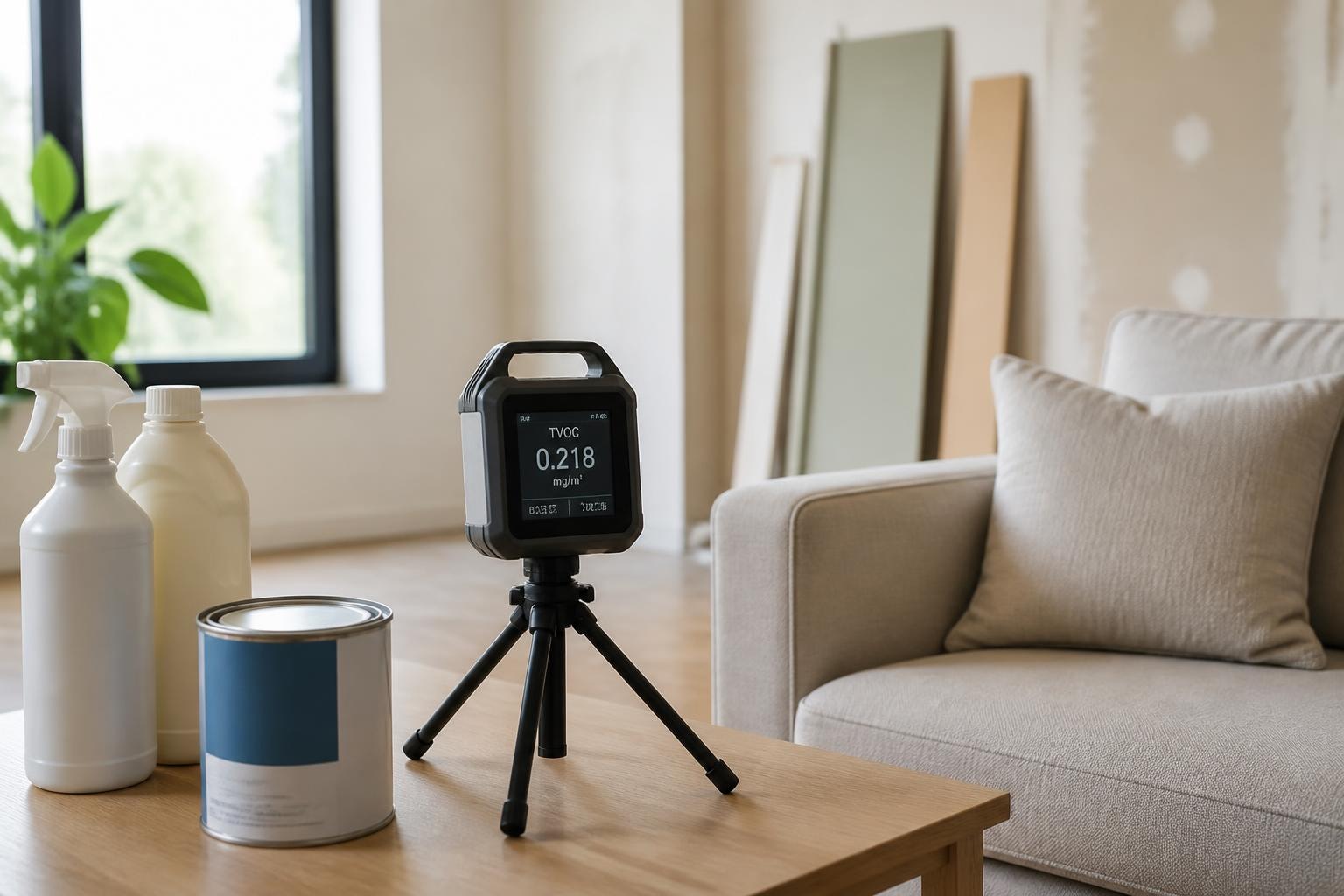
Volatile organic compounds pervade our indoor environments, emanating from everyday materials and products we often overlook. Understanding these invisible pollutants and how to measure them has become increasingly critical for property owners, landlords, and businesses concerned about occupant health and regulatory compliance. VOC testing provides the scientific foundation for identifying, quantifying, and ultimately controlling these airborne chemicals that can significantly impact indoor air quality and human wellbeing.
Understanding Volatile Organic Compounds
Volatile organic compounds represent a diverse group of carbon-based chemicals that readily evaporate at room temperature. These substances originate from countless sources within our built environment, ranging from construction materials and furnishings to cleaning products and personal care items.
The Environmental Protection Agency defines VOCs as compounds that participate in atmospheric photochemical reactions, though indoor concentrations typically exceed outdoor levels by two to five times. In some instances, particularly following activities like painting or stripping, indoor VOC levels can reach 10 times higher than outdoor measurements.
Common VOC Sources in Properties
Building materials constitute a primary source of VOC emissions within properties. Pressed wood products, adhesives, sealants, and various finishes release formaldehyde and other compounds over extended periods. Paint, varnishes, and coating materials contribute substantially during application and curing phases, though emissions generally decrease over time.
Household products and furnishings add to the VOC burden:
- Cleaning agents and disinfectants
- Air fresheners and scented products
- Upholstered furniture and carpeting
- Hobby supplies and craft materials
- Stored fuels and automotive products

Occupant activities also generate temporary spikes in VOC concentrations. Cooking, smoking, using aerosol sprays, and dry-cleaned clothing all introduce additional compounds into the indoor atmosphere. Understanding these varied sources helps property managers and homeowners identify potential problem areas before conducting formal testing.
The Importance of VOC Testing
Indoor air quality directly influences occupant health, productivity, and comfort. VOC testing serves as the cornerstone for understanding chemical exposures within built environments and developing appropriate mitigation strategies.
Short-term exposure to elevated VOC concentrations can trigger immediate health responses. Occupants frequently report eye, nose, and throat irritation, accompanied by headaches, nausea, and dizziness. These symptoms typically correlate with specific activities or conditions that temporarily elevate VOC levels.
Long-Term Health Considerations
Chronic exposure to certain volatile organic compounds raises more serious health concerns. Some VOCs possess carcinogenic properties, whilst others may damage the liver, kidneys, or central nervous system. The cumulative effect of low-level exposure over months or years remains a subject of ongoing research and regulatory attention.
Vulnerable populations face heightened risks from VOC exposure. Children, elderly individuals, and those with pre-existing respiratory conditions or chemical sensitivities may experience more severe reactions at lower concentration thresholds than healthy adults.
| VOC Type | Common Sources | Primary Health Concerns |
|---|---|---|
| Formaldehyde | Pressed wood, insulation, textiles | Respiratory irritation, potential carcinogen |
| Benzene | Tobacco smoke, stored fuels | Blood disorders, leukaemia risk |
| Toluene | Paints, adhesives, nail polish | Neurological effects, developmental concerns |
| Xylene | Paints, varnishes, rust preventatives | Headaches, dizziness, coordination problems |
Professional Indoor Air Quality Testing provides objective measurements that form the basis for informed decision-making. These assessments reveal not only current VOC concentrations but also identify specific compounds present, enabling targeted remediation efforts.
VOC Testing Methods and Technologies
The field of voc testing encompasses various methodologies, each offering distinct advantages for specific applications and environments. Selecting the appropriate testing approach depends on project objectives, budget constraints, and required accuracy levels.
Passive Sampling Techniques
Passive sampling methods collect VOC samples over extended periods without requiring active air pumping. These devices use diffusion or permeation principles to accumulate compounds on sorbent materials, which are subsequently analyzed in accredited laboratories.
Diffusion badges and tubes offer cost-effective solutions for long-term monitoring. Occupants can deploy these samplers for periods ranging from several days to weeks, capturing time-weighted average concentrations that reflect typical exposure conditions. The National Institute of Standards and Technology has developed reference materials to improve measurement accuracy and inter-laboratory consistency.
Active Sampling Methods
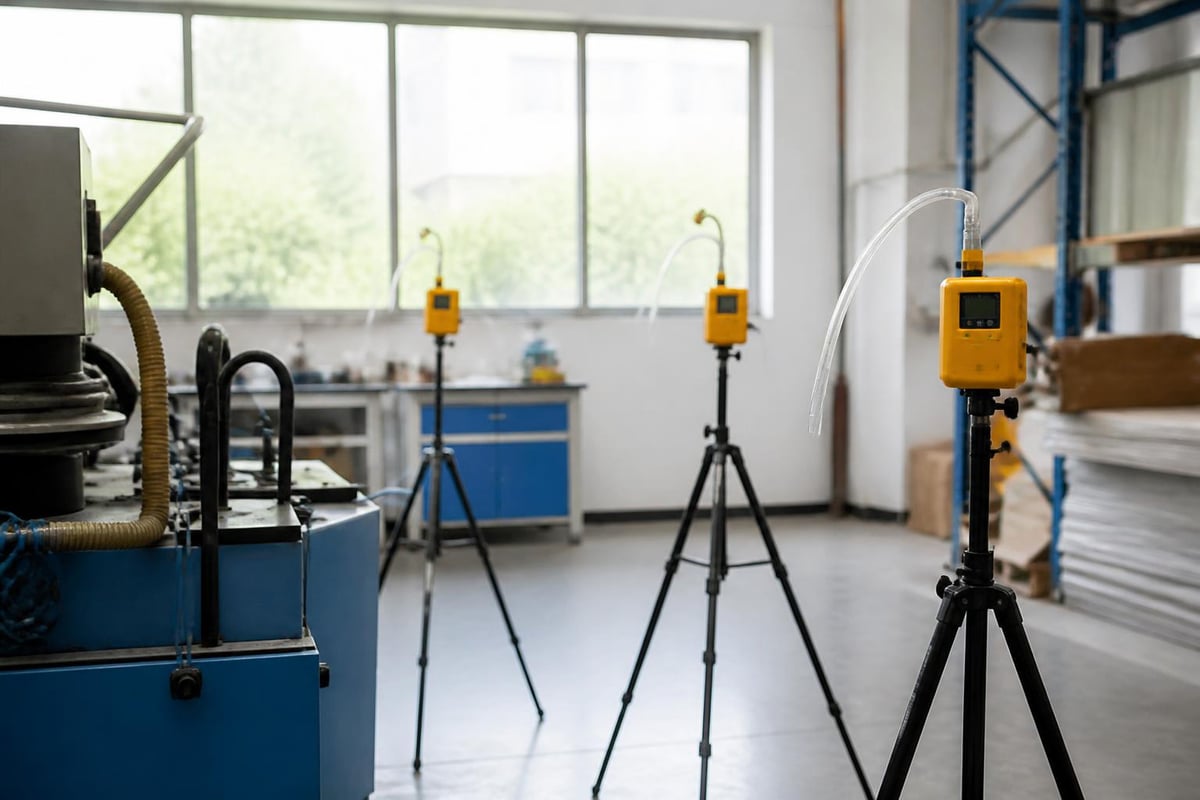
Active sampling employs pumps to draw known volumes of air through collection media at controlled flow rates. This approach enables shorter sampling periods and more precise control over sample volumes, facilitating compliance testing and source investigations.
Key advantages of active sampling include:
- Adjustable sampling duration from minutes to hours
- Accurate flow rate control for quantitative analysis
- Multiple sample collection for comprehensive coverage
- Suitability for regulatory compliance assessments
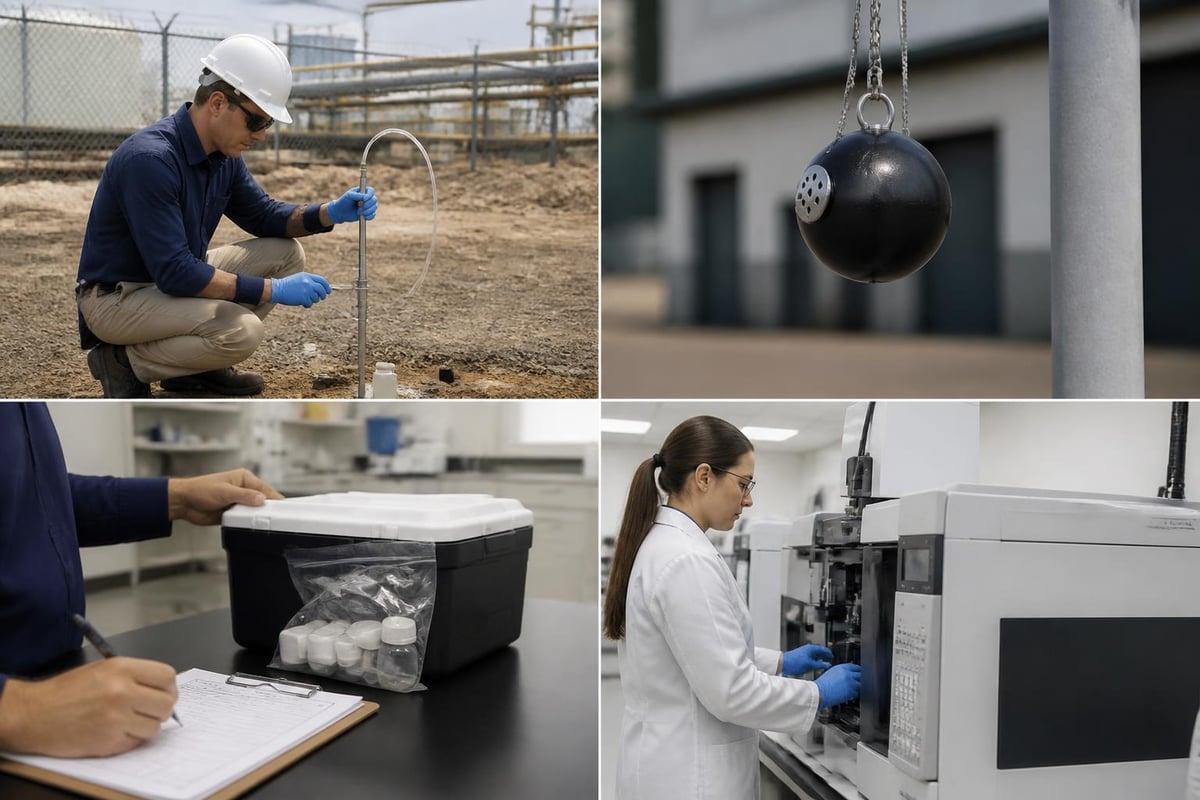
Sorbent tubes containing materials like Tenax or activated charcoal capture VOCs from the air stream. Laboratory analysis using gas chromatography-mass spectrometry (GC-MS) identifies and quantifies individual compounds, providing detailed chemical profiles of the indoor environment.
Real-Time Monitoring Instruments
Photoionization detectors (PIDs) and flame ionization detectors (FIDs) provide immediate total VOC measurements without compound-specific identification. These instruments suit screening applications, identifying elevated concentrations that warrant further investigation.
Recent advances in sensor technology have introduced low-cost VOC sensors suitable for continuous monitoring applications. Whilst these devices lack the precision of laboratory methods, they offer valuable trending data and early warning capabilities for property managers.
Regulatory Standards and Compliance
VOC testing operates within a framework of guidance documents, industry standards, and regulatory requirements that vary by jurisdiction and property type. Understanding these benchmarks helps interpret testing results and determine appropriate response actions.
The United Kingdom lacks specific VOC concentration limits for most indoor environments, relying instead on occupational exposure limits and general indoor air quality guidance. However, professional organisations and certifying bodies have established recommended thresholds based on health research and international standards.
Building Product Emissions Testing
New construction and renovation projects increasingly face scrutiny regarding VOC emissions from building materials. Standardised testing methods evaluate emissions from products under controlled environmental conditions, generating emission factors and total VOC release rates.
These protocols typically involve placing materials in specially designed chambers that maintain constant temperature, humidity, and air exchange rates. Air samples collected at specified intervals reveal emission profiles over time, informing product selection and ventilation design decisions.
Interpreting VOC Testing Results
Raw testing data requires careful interpretation within appropriate context to yield actionable insights. Total VOC measurements provide useful screening information, but compound-specific analysis reveals the complete picture necessary for effective remediation planning.
Background VOC concentrations in typical indoor environments generally range from 50 to 500 micrograms per cubic metre (µg/m³). Concentrations exceeding 500 µg/m³ warrant investigation, whilst levels above 3,000 µg/m³ indicate significant contamination requiring immediate attention.
Individual Compound Assessment
Beyond total VOC measurements, identifying specific compounds present enables risk assessment and source attribution. Some VOCs pose greater health risks than others, demanding lower action thresholds regardless of total concentration.
Critical factors in result interpretation include:
- Comparison against health-based guidelines
- Identification of unusual or unexpected compounds
- Correlation with occupant symptoms or complaints
- Temporal patterns suggesting specific sources
- Spatial variations indicating localized emissions
Professional interpretation considers multiple data points alongside property characteristics, occupant activities, and ventilation conditions. This holistic approach distinguishes between concerning contamination and normal background levels that pose minimal risk.
| Concentration Range (µg/m³) | Classification | Typical Action |
|---|---|---|
| <300 | Low | Normal ventilation maintenance |
| 300-500 | Moderate | Source identification recommended |
| 500-3,000 | Elevated | Active source reduction required |
| >3,000 | High | Immediate remediation necessary |
Conducting Effective VOC Testing
Successful voc testing requires careful planning and execution to ensure representative results that accurately characterize indoor conditions. Multiple factors influence VOC concentrations, making sampling strategy critical to obtaining meaningful data.
Pre-Testing Considerations
Building conditions significantly affect VOC measurements. Temperature and humidity influence emission rates from materials and the volatilization of compounds. Recent activities like cleaning, painting, or pesticide application can temporarily elevate concentrations, potentially skewing results.
Closed-building conditions typically precede testing to capture worst-case scenarios. This involves maintaining minimal ventilation for 12 to 24 hours before sampling, though specific protocols vary based on testing objectives and applicable standards.
Sample Location Selection
Strategic placement of sampling equipment ensures data represents typical occupant exposure conditions. Breathing zone height (approximately 1.5 metres) in regularly occupied areas provides the most relevant exposure information.
Multiple sampling locations throughout larger properties capture spatial variations. Areas near suspected sources, high-occupancy zones, and locations where complaints have originated all merit consideration in the sampling plan.
Testing following professional remediation work verifies successful completion and confirms that material removal or treatment has eliminated VOC sources as intended. Post-remediation verification protects both property owners and occupants whilst providing documentation of compliance.
Reducing VOC Concentrations
Testing identifies problems; remediation solves them. Effective VOC reduction strategies address sources, pathways, and ventilation to achieve measurable improvements in indoor air quality.
Source Control Measures
Eliminating or reducing VOC sources represents the most effective long-term solution. Product substitution replaces high-emitting materials with low-VOC alternatives. Water-based paints, solvent-free adhesives, and formaldehyde-free wood products significantly reduce emissions compared to conventional options.
Proper storage of VOC-containing products prevents unnecessary indoor exposure. Paints, solvents, cleaning agents, and hobby supplies belong in sealed containers within well-ventilated storage areas, ideally outside main occupied spaces.
Off-gassing new materials before installation reduces initial indoor concentrations. Furniture, carpeting, and building materials can undergo airing in warehouses or well-ventilated spaces, allowing VOC emissions to peak before items enter occupied environments.
Ventilation Enhancement
Increasing outdoor air exchange rates dilutes indoor VOC concentrations. Mechanical ventilation systems can be adjusted to provide higher fresh air volumes, though this approach increases energy consumption and may not suit all climate conditions.
Natural ventilation through window opening provides temporary relief during high-VOC activities. Strategic cross-ventilation creates air movement patterns that efficiently remove contaminated air, though weather conditions and noise concerns may limit this approach.
Ventilation strategies for VOC control:
- Increase outdoor air supply rates during occupied hours
- Implement demand-controlled ventilation based on occupancy
- Utilize intermittent high-volume ventilation during unoccupied periods
- Install local exhaust in areas with VOC-generating activities
- Maintain and clean ventilation system components regularly
Air Cleaning Technologies
Activated carbon filtration removes certain VOCs through adsorption. These systems prove particularly effective for specific compounds but require regular media replacement to maintain performance. Carbon filters complement but cannot replace adequate source control and ventilation.
Photocatalytic oxidation and other advanced technologies show promise for VOC reduction, though performance varies considerably by compound type and environmental conditions. Independent verification of manufacturer claims remains essential before investing in these systems.
VOC Testing in Contaminated Properties
Specific situations demand voc testing beyond routine air quality assessments. Properties affected by fires, chemical spills, or inappropriate storage of volatile materials may harbour significant contamination requiring specialized investigation and remediation.
Post-Fire VOC Assessment
Fire events generate numerous VOC-containing combustion products that permeate building materials. Smoke damage extends far beyond visible soot, with volatile compounds penetrating porous materials throughout affected structures.
Comprehensive testing following fire incidents identifies residual contamination levels and guides cleaning protocols. Multiple rounds of testing may be necessary to verify that remediation efforts have successfully reduced concentrations to acceptable levels.
Chemical Contamination Incidents
Spills or leaks of solvents, fuels, or other volatile chemicals create immediate health hazards and long-term contamination challenges. Emergency response focuses on occupant safety, but subsequent testing determines when spaces can safely be reoccupied.
Soil vapor intrusion represents a particular concern when subsurface contamination exists beneath buildings. VOCs in contaminated groundwater or soil can migrate through foundation cracks and gaps, entering indoor air. Specialized assessment techniques address this complex pathway.
Future Developments in VOC Testing
The voc testing field continues evolving with technological advances and increased understanding of health effects. Emerging sensors, improved analytical methods, and enhanced data interpretation tools promise more accessible and informative assessments.
Miniaturized sensor arrays capable of differentiating compound classes offer potential for widespread continuous monitoring. Research into plant VOC detection using indoor air quality sensors demonstrates expanding applications for these technologies.
Machine learning algorithms applied to VOC data patterns may enable predictive maintenance and early problem detection. These systems could identify developing issues before concentrations reach levels that trigger occupant complaints or health concerns.
Enhanced standardization of testing methods and reporting formats will improve consistency across different service providers. Industry adoption of quality assurance protocols ensures reliable results that support confident decision-making for property owners and managers.
The integration of VOC testing into broader indoor environmental quality assessments provides comprehensive understanding of occupant exposure. Combined evaluation of particulate matter, biological contaminants, and chemical pollutants reveals interactions and cumulative effects often missed by single-parameter testing.
Regulatory developments may introduce specific VOC limits for certain property types or occupancies. Monitoring international standards and guidance documents helps property professionals anticipate requirements and implement proactive testing programs.
Professional VOC Testing Services
Whilst screening-level measurements using portable instruments serve specific purposes, comprehensive voc testing requires professional expertise and accredited laboratory analysis. Qualified assessors bring essential knowledge of sampling strategies, quality control procedures, and result interpretation.
Certification programs for indoor air quality professionals ensure minimum competency standards. Credentials from recognized organizations indicate training in proper sampling techniques, chain of custody procedures, and relevant regulatory requirements.
Laboratory selection significantly impacts result quality and defensibility. Accredited facilities following recognized analytical methods provide data suitable for regulatory compliance, litigation support, and health risk assessment. Third-party accreditation verifies that laboratories maintain equipment, employ qualified personnel, and participate in proficiency testing programs.
Professional services extend beyond sample collection and analysis. Experienced assessors integrate VOC data with building characteristics, ventilation measurements, and occupant reports to develop comprehensive remediation strategies. This holistic approach addresses root causes rather than merely treating symptoms.
VOC testing provides critical insights into indoor air quality, identifying invisible chemical pollutants that affect health and comfort in residential and commercial properties. Understanding testing methods, interpreting results correctly, and implementing effective remediation strategies protects occupants whilst ensuring regulatory compliance. Mouldsurv Ltd delivers professional indoor air quality assessments across Essex, London, and Kent, combining advanced diagnostic equipment with expert analysis to identify and resolve VOC contamination in your property.