
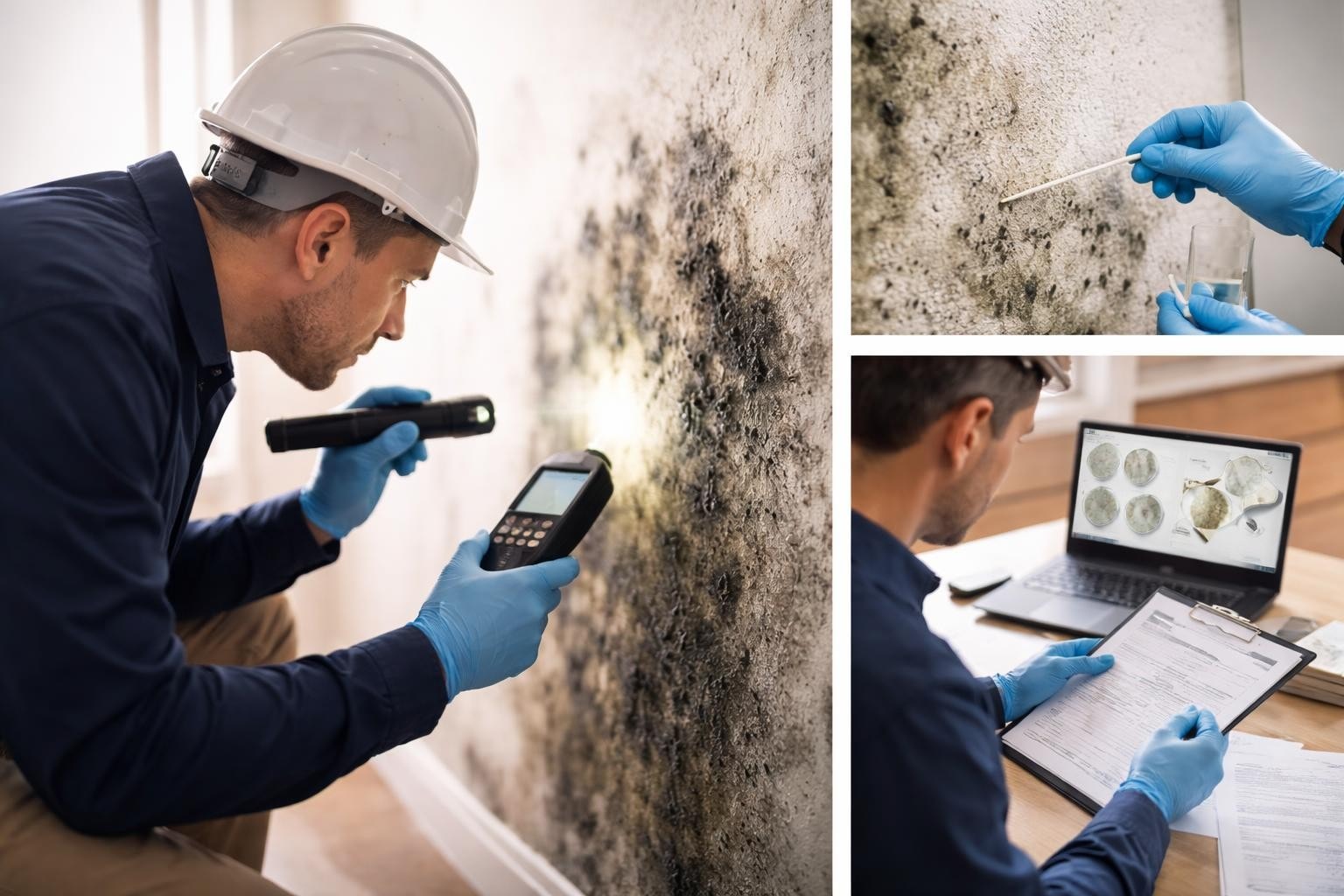
Property owners across South East England face unique challenges when it comes to maintaining healthy indoor environments. The region's distinctive climate patterns, coupled with a diverse housing stock ranging from historic buildings to modern developments, create conditions where mould growth can become a persistent problem. A south east england mould survey provides the critical foundation for understanding, addressing, and preventing mould issues before they escalate into serious health hazards or structural concerns.
Understanding Mould Survey Requirements in South East England
The regulatory landscape surrounding mould inspections has evolved significantly in recent years. Following high-profile cases and updated government guidance, landlords and property managers now face stringent obligations to maintain safe living conditions.
Government guidance on damp and mould emphasizes the responsibility of housing providers to identify and remediate mould problems promptly. A south east england mould survey serves as the primary diagnostic tool for meeting these obligations.
Regional Climate Factors
South East England's weather patterns contribute significantly to mould development:
- Higher humidity levels during autumn and winter months
- Coastal proximity affecting moisture levels in Kent and Essex properties
- Temperature fluctuations creating condensation points
- Urban heat island effects in London increasing indoor moisture
- Older building stock with limited ventilation systems
Properties throughout Essex, London, and Kent experience these conditions differently, making professional assessment essential for accurate diagnosis.

Types of Mould Surveys Available
Professional mould assessments vary in scope and methodology depending on property type and suspected contamination levels.
Visual Inspection Surveys
The most common type of south east england mould survey begins with comprehensive visual examination. Qualified surveyors systematically inspect all accessible areas, identifying visible mould growth, moisture sources, and environmental conditions conducive to fungal development.
Key elements include:
- Moisture meter readings across walls and ceilings
- Thermal imaging to detect hidden dampness
- Ventilation system assessment
- Documentation through photographs and detailed notes
- Identification of mould species through visual characteristics
Sampling and Laboratory Analysis
When visual inspection reveals extensive contamination or health concerns exist, air and surface sampling provides definitive data.
| Sample Type | Purpose | Turnaround Time | Cost Range |
|---|---|---|---|
| Air samples | Quantify airborne spore levels | 5-7 days | £150-£300 |
| Surface swabs | Identify specific mould species | 7-10 days | £100-£200 |
| Bulk samples | Analyse material contamination | 7-14 days | £120-£250 |
| Tape lifts | Document surface mould presence | 5-7 days | £80-£150 |
Laboratory analysis confirms mould types, which is particularly important when health risks are a concern for vulnerable occupants.
The Survey Process Explained
Understanding what happens during a professional assessment helps property owners prepare effectively and maximize the value of their investment.
Initial Consultation
Before conducting a south east england mould survey, reputable surveyors gather essential background information. This includes property history, previous water damage events, current occupant health complaints, and any remediation attempts already undertaken.
Surveyors schedule inspections at times when moisture issues are most apparent, typically during cooler months when condensation peaks.
On-Site Assessment
The physical inspection typically requires two to four hours depending on property size. Surveyors examine both obvious problem areas and locations where mould commonly develops unnoticed.
Common inspection points:
- Bathrooms and en-suites, particularly around grout lines and silicone seals
- Kitchen areas beneath sinks and around appliances
- Basements and cellars prone to rising damp
- Loft spaces where condensation accumulates
- Window frames and reveals showing condensation damage
- External walls with penetrating damp issues
- Areas surrounding plumbing penetrations
Thermal imaging cameras reveal temperature differentials indicating moisture presence behind surfaces. These non-invasive diagnostic tools have revolutionized mould detection, allowing surveyors to identify problems without destructive investigation.
Documentation and Reporting
Professional surveyors provide comprehensive written reports detailing findings, photographic evidence, and prioritized recommendations. Reports from a thorough south east england mould survey typically include:
- Executive summary of key findings
- Detailed room-by-room assessment
- Moisture mapping diagrams
- Identified mould species (when sampling conducted)
- Root cause analysis
- Remediation recommendations with costings
- Prevention strategies
These documents prove invaluable for insurance claims, legal disputes, or property transactions.

Common Mould Problems in South East Properties
Regional building characteristics and environmental conditions create predictable mould patterns across Essex, London, and Kent.
Victorian and Edwardian Properties
Period properties dominate much of South East England's housing stock. These buildings present unique challenges:
Solid wall construction without damp-proof courses allows moisture penetration. Original lime plaster, whilst breathable, deteriorates over time. Modern cement renders applied to period properties trap moisture, creating perfect conditions for mould development behind wall surfaces.
Post-War Housing
Properties built between 1945 and 1970 frequently suffer from:
- Inadequate cavity wall insulation causing cold spots
- Single-glazed windows generating condensation
- Inefficient heating systems creating temperature variations
- Poor ventilation design trapping moisture indoors
- Aging building fabrics allowing water ingress
Modern Developments
Even contemporary buildings across the region experience mould problems. Airtight construction designed for energy efficiency inadvertently traps moisture when ventilation systems underperform or occupants disable mechanical ventilation due to noise or running costs.
Health Implications Driving Survey Demand
Awareness of mould's health impacts has increased demand for professional assessments across South East England. Research on domestic mould health effects demonstrates clear links between exposure and respiratory conditions.
Vulnerable Populations
Certain groups face elevated risks from mould exposure:
- Children under five with developing immune systems
- Elderly residents with compromised respiratory function
- Individuals with existing asthma or allergies
- Immunocompromised persons undergoing medical treatment
- Pregnant women concerned about foetal development
Properties housing vulnerable individuals require particularly thorough south east england mould survey protocols.
Symptom Recognition
Occupants may experience various health complaints related to mould exposure before visible growth becomes apparent. Early symptoms include persistent coughing, wheezing, nasal congestion, skin irritation, and eye discomfort. Severe cases can trigger asthma attacks or allergic reactions requiring medical intervention.
Understanding health risks in the home helps property owners appreciate why prompt professional assessment matters.
Selecting a Qualified Surveyor
The mould inspection industry remains largely unregulated, making careful surveyor selection critical for reliable results.
Essential Qualifications and Certifications
Professional surveyors should hold relevant credentials:
| Qualification | Issuing Body | Significance |
|---|---|---|
| CSRT Certification | Institute of Specialist Surveyors & Engineers | Demonstrates technical competence |
| RICS Membership | Royal Institution of Chartered Surveyors | Professional standards adherence |
| BOHS P400 | British Occupational Hygiene Society | Mould risk assessment qualification |
| IICRC Certification | Institute of Inspection, Cleaning and Restoration | Industry-recognized training |
When commissioning a south east england mould survey, verify surveyor credentials directly with issuing organizations rather than relying solely on website claims.
Insurance and Professional Indemnity
Reputable surveyors maintain professional indemnity insurance protecting clients against negligent advice or assessment errors. Request evidence of current coverage before proceeding with surveys, particularly for commercial properties or complex residential cases.
Local Knowledge Matters
Surveyors familiar with South East England's building stock, climate patterns, and regional construction methods provide more accurate assessments. They understand local soil conditions affecting rising damp, recognize building styles prone to specific problems, and maintain relationships with regional laboratories for sample analysis.

Cost Factors and Budgeting
Investment in professional mould assessment varies considerably based on multiple factors. Understanding pricing structures helps property owners budget appropriately.
Pricing Variables
Several elements influence south east england mould survey costs:
Property size directly affects inspection duration and reporting complexity. A one-bedroom flat requires significantly less time than a five-bedroom house with outbuildings.
Access challenges increase costs when surveyors must work around occupants, schedule multiple visits, or arrange specialist access equipment for high-level surveys.
Sampling requirements add laboratory fees ranging from £200 to £800 depending on sample numbers and analysis depth required.
Report urgency affects pricing, with expedited reports commanding premium fees for faster turnaround.
Typical Investment Ranges
- Basic visual survey (residential): £250-£450
- Comprehensive assessment with moisture mapping: £400-£700
- Full survey including air and surface sampling: £700-£1,200
- Commercial property surveys: £800-£2,500+
- Expert witness reports for legal proceedings: £1,500-£5,000
These ranges reflect 2026 market conditions across Essex, London, and Kent.
Integration with Broader Property Maintenance
Mould surveys should form part of comprehensive property maintenance strategies rather than reactive responses to visible problems.
Preventative Approaches
Forward-thinking property managers commission regular assessments identifying potential issues before they escalate. Annual or biennial surveys detect developing problems when remediation costs remain minimal.
Alongside comprehensive mould detection, Mould Assessment services provide the detailed analysis necessary for developing effective prevention strategies tailored to specific property characteristics and usage patterns.
Post-Remediation Verification
After mould removal work, verification surveys confirm successful remediation. These follow-up inspections include air quality testing demonstrating spore levels have returned to acceptable ranges, ensuring occupant safety.
Professional remediation projects should always conclude with independent verification protecting both property owners and occupants.
Legal and Compliance Considerations
Property owners and landlords face increasing legal obligations regarding mould management across South East England.
Landlord Responsibilities
The Homes (Fitness for Human Habitation) Act 2018 places explicit duties on landlords to address damp and mould. Failure to respond appropriately to tenant reports can result in:
- Rent repayment orders
- Local authority enforcement notices
- Compensation claims from affected tenants
- Criminal prosecution in severe cases
- Reputational damage affecting future lettings
Proactive south east england mould survey programmes demonstrate diligence in meeting statutory obligations.
Disclosure Requirements
When selling properties, vendors must disclose known mould problems. Professional survey reports provide transparent documentation protecting sellers from future liability whilst giving buyers confidence in property condition.
Insurance Implications
Many property insurance policies exclude damage from long-term maintenance neglect. Regular professional surveys create audit trails demonstrating reasonable care, strengthening claims when sudden events cause mould development.
Technological Advances in Mould Detection
The mould inspection industry continues evolving with technological innovation improving accuracy and diagnostic capabilities.
Digital Moisture Mapping
Modern surveyors employ sophisticated moisture meters creating digital maps showing moisture distribution throughout properties. These visual representations clearly communicate problem areas to property owners and inform targeted remediation strategies.
Infrared Thermography
Thermal imaging cameras detect temperature variations indicating hidden moisture accumulation. This non-invasive technology reveals problems behind finished surfaces without destructive investigation, reducing assessment costs whilst improving diagnostic accuracy.
Air Quality Monitoring
Advanced air sampling equipment provides real-time data on airborne spore concentrations. Continuous monitoring during surveys captures fluctuations throughout the day, offering more comprehensive data than single-point samples.
Reporting Software
Professional surveyors utilize specialized reporting platforms generating comprehensive, branded reports with integrated photography, moisture mapping, and clear recommendations. Digital delivery enables faster turnaround whilst maintaining detailed documentation.
Seasonal Considerations for Survey Timing
When property owners commission mould assessments significantly affects findings and recommendations.
Winter Assessments
Conducting a south east england mould survey during winter months captures worst-case conditions. Cold weather drives condensation formation, heating patterns create moisture-laden air, and reduced ventilation traps humidity indoors.
Winter surveys identify problems potentially overlooked during drier seasons, though some issues like penetrating damp from summer rainfall may not appear.
Summer Evaluation
Warmer months reveal different problems including rising damp more apparent when ground moisture levels peak following spring rainfall. However, reduced condensation may mask ventilation-related mould risks.
Optimal Timing Strategy
Ideally, properties with suspected issues benefit from surveys during transitional seasons (autumn or spring) when both condensation and penetrating damp risks remain elevated. Properties with confirmed problems may require multiple seasonal surveys establishing patterns and verifying remediation effectiveness.
Acting on Survey Findings
Professional mould assessments provide roadmaps for addressing identified problems, but value depends on appropriate action following report receipt.
Prioritizing Recommendations
Quality survey reports categorize findings by urgency:
Immediate action items address acute health risks or active water ingress requiring emergency response within 24-48 hours.
Short-term priorities tackle significant mould growth or moisture sources needing attention within one to four weeks.
Medium-term improvements encompass ventilation upgrades or building repairs scheduled within three to six months.
Long-term prevention includes periodic maintenance tasks and monitoring programmes sustaining healthy indoor environments.
Specialist Referrals
Survey reports often recommend engaging specialist contractors for remediation work. Selecting appropriately qualified professionals ensures effective treatment aligned with survey findings.
Surveyors may suggest structural engineers for significant building defects, specialist damp-proofing contractors for complex moisture problems, or qualified remediation specialists for extensive mould removal following industry protocols.
Monitoring and Follow-Up
After implementing recommendations, ongoing monitoring verifies solution effectiveness. This may involve occupant symptom tracking, periodic moisture readings, or formal re-inspection surveys confirming problem resolution.
Professional mould assessment provides essential foundation for maintaining healthy properties across Essex, London, and Kent. The investment in thorough inspection delivers long-term value through early problem detection, targeted remediation guidance, and prevention strategies protecting both property assets and occupant wellbeing. Mouldsurv Ltd offers comprehensive, certified mould and damp inspection services throughout South East England, combining advanced diagnostic technology with expert analysis to deliver actionable insights for residential and commercial properties. Contact their team today to schedule your professional assessment and take the first step toward a healthier indoor environment.