Mould growth in residential properties represents a significant concern for homeowners across the UK, affecting both property values and occupant health. Understanding when and why you need a residential mould survey can make the difference between minor remediation and extensive structural repairs. With rising awareness about indoor air quality and stricter building regulations in 2026, professional mould assessments have become an essential tool for maintaining safe, healthy living environments.
Understanding the Purpose of a Residential Mould Survey
A residential mould survey provides a comprehensive assessment of your property's condition regarding fungal contamination and moisture intrusion. These surveys go far beyond visual inspection, employing sophisticated diagnostic equipment and laboratory analysis to identify problems invisible to the naked eye.
Professional surveyors examine areas prone to moisture accumulation, including bathrooms, kitchens, basements, and loft spaces. They assess ventilation systems, identify condensation patterns, and measure humidity levels throughout the property. This systematic approach ensures nothing gets overlooked.
Key Components of Professional Surveys
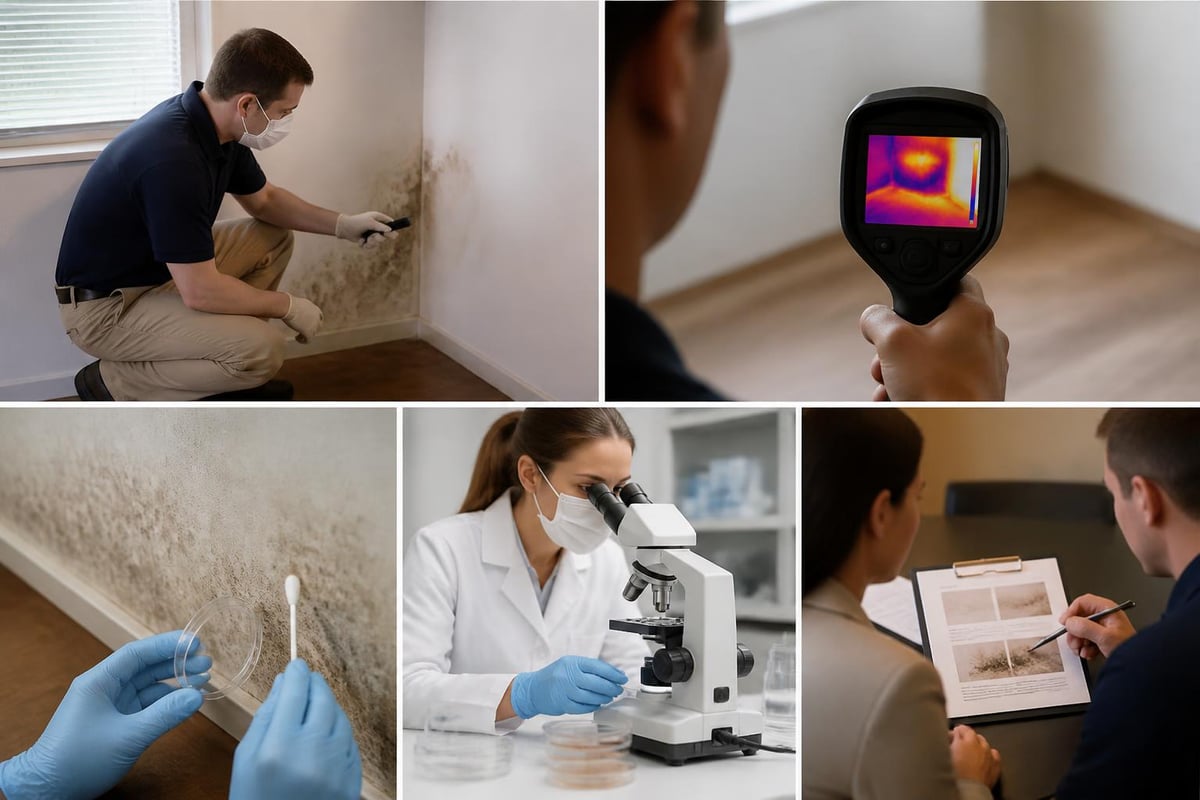
The survey process typically includes several distinct stages:
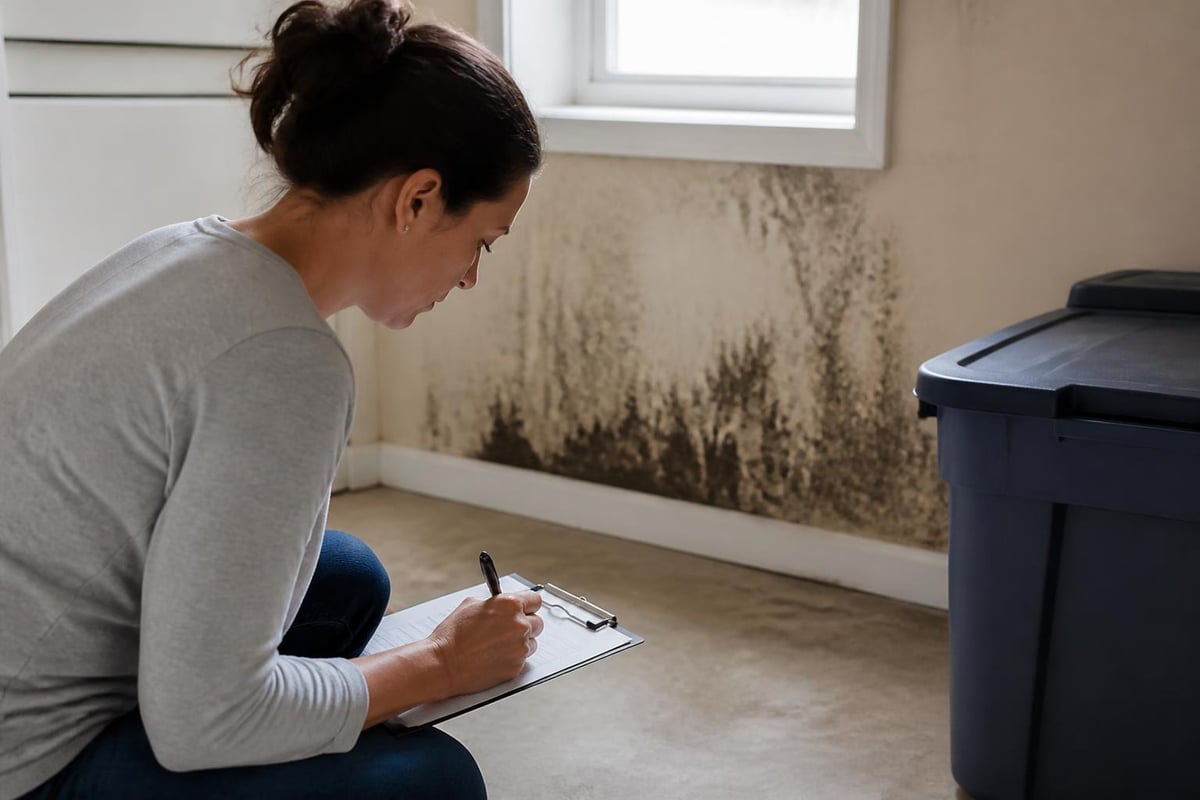
- Visual inspection of all accessible areas
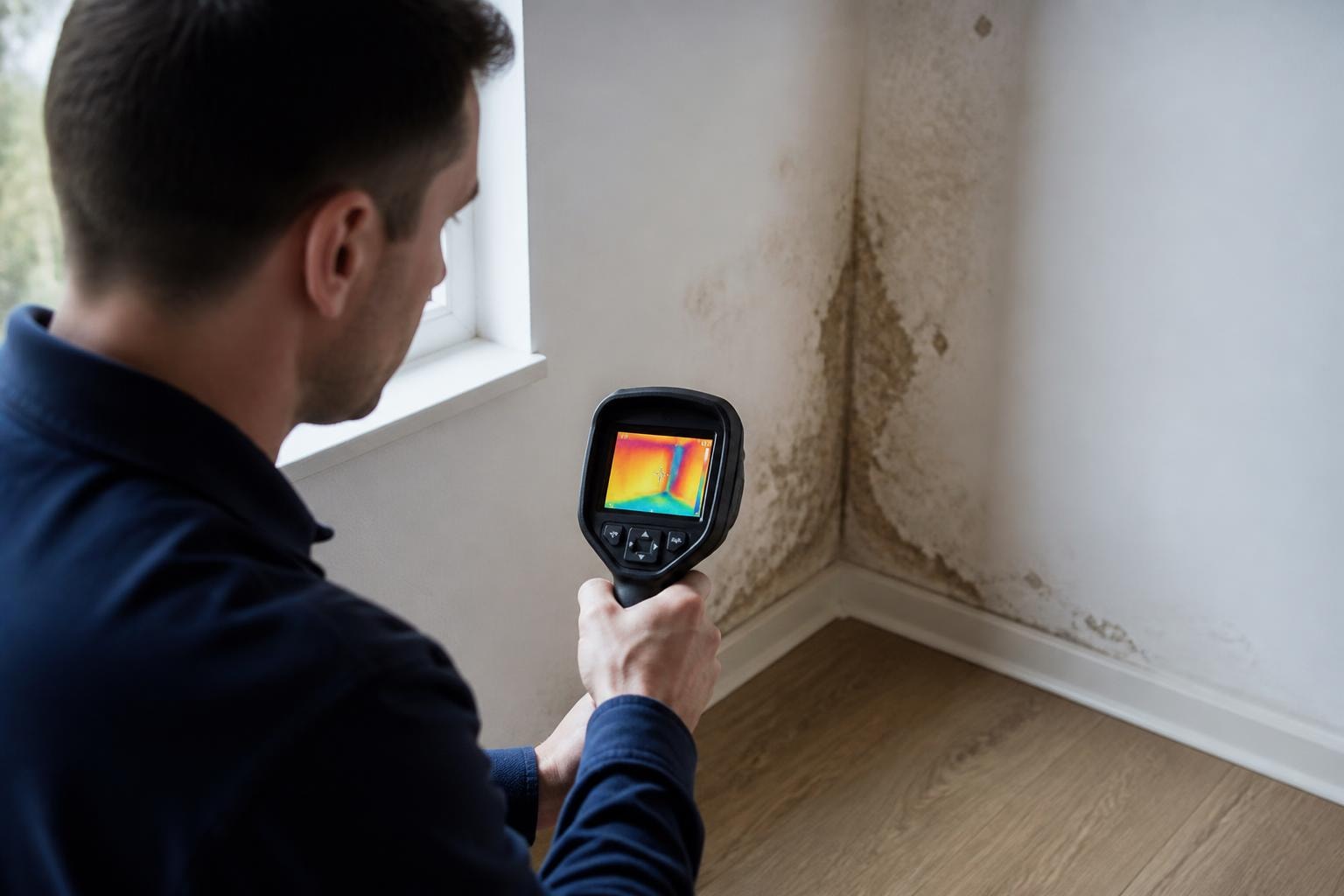
- Moisture mapping using thermal imaging cameras
- Air sampling to measure spore concentrations
- Surface sampling from suspected contamination sites
- Laboratory analysis of collected samples
- Detailed reporting with remediation recommendations
Each component serves a specific purpose in building a complete picture of your property's mould status. Visual inspections identify obvious growth areas, whilst thermal imaging reveals hidden moisture behind walls and under floors.
When You Need a Residential Mould Survey
Knowing when to commission a survey can save thousands in remediation costs. Several situations warrant immediate professional assessment rather than attempting DIY solutions.
Property transactions represent a common trigger for surveys. Buyers increasingly request mould assessments before completion, particularly for older properties or those with known damp issues. Sellers benefit from proactive surveys that identify problems before marketing.
Warning Signs and Triggers
Watch for these indicators that suggest you need a residential mould survey:
- Persistent musty odours that don't disappear with cleaning
- Visible discolouration on walls, ceilings, or furnishings
- Health symptoms including respiratory issues or allergic reactions
- Previous water damage from floods, leaks, or condensation
- Failed damp-proof courses or rising damp evidence
- Poor ventilation in bathrooms, kitchens, or other high-humidity areas
The Environmental Protection Agency's guidance emphasises that moisture control is fundamental to mould prevention. Any persistent moisture problem warrants professional investigation.
Recent legislation changes in 2026 have strengthened landlord responsibilities regarding mould and damp. Rental properties now face stricter enforcement, making regular surveys essential for compliance. Tenant complaints about mould must be addressed within specified timeframes, with professional surveys providing the necessary documentation.
Survey Methodologies and Technologies
Modern residential mould surveys employ advanced technologies that were unavailable just five years ago. These tools provide unprecedented accuracy in detecting hidden contamination and moisture sources.
Thermal imaging cameras detect temperature variations indicating moisture accumulation behind building materials. These non-invasive tools identify problem areas without damaging walls or floors, saving both time and money during investigation.
Sampling Techniques Explained
Different sampling methods suit different scenarios:
| Method | Purpose | Best Used When |
|---|---|---|
| Air sampling | Measures airborne spore concentrations | Investigating health complaints or hidden growth |
| Surface sampling | Identifies specific mould species | Visible growth requires analysis |
| Bulk sampling | Assesses contaminated materials | Determining disposal requirements |
| Moisture mapping | Locates water intrusion sources | Finding hidden leaks or condensation patterns |
Laboratory analysis of samples provides definitive identification of mould species present. This information proves crucial for determining health risks and appropriate remediation strategies. Some species require more aggressive removal protocols than others.
The Centers for Disease Control and Prevention notes that whilst testing has limitations, strategic sampling combined with moisture control provides the most effective approach to mould management.
Interpreting Survey Results
Understanding your survey report requires familiarity with industry standards and acceptable contamination levels. Professional reports should clearly explain findings in accessible language whilst providing technical detail for remediation contractors.
Spore count measurements compare indoor concentrations against outdoor baselines. Elevated indoor levels indicate active growth requiring attention. However, recent research suggests that spore counts alone may not reliably identify dampness problems, reinforcing the need for comprehensive multi-method surveys.
Understanding Risk Classifications
Surveyors typically classify findings into risk categories:
- Low risk: Minimal visible growth, normal spore counts, no moisture issues
- Medium risk: Limited visible growth, slightly elevated spore counts, minor moisture problems
- High risk: Extensive growth, significantly elevated spore counts, serious moisture intrusion
These classifications help prioritise remediation efforts and budget allocation. High-risk findings demand immediate professional intervention, whilst low-risk situations may require only improved ventilation and housekeeping.
Health Implications and Legal Considerations
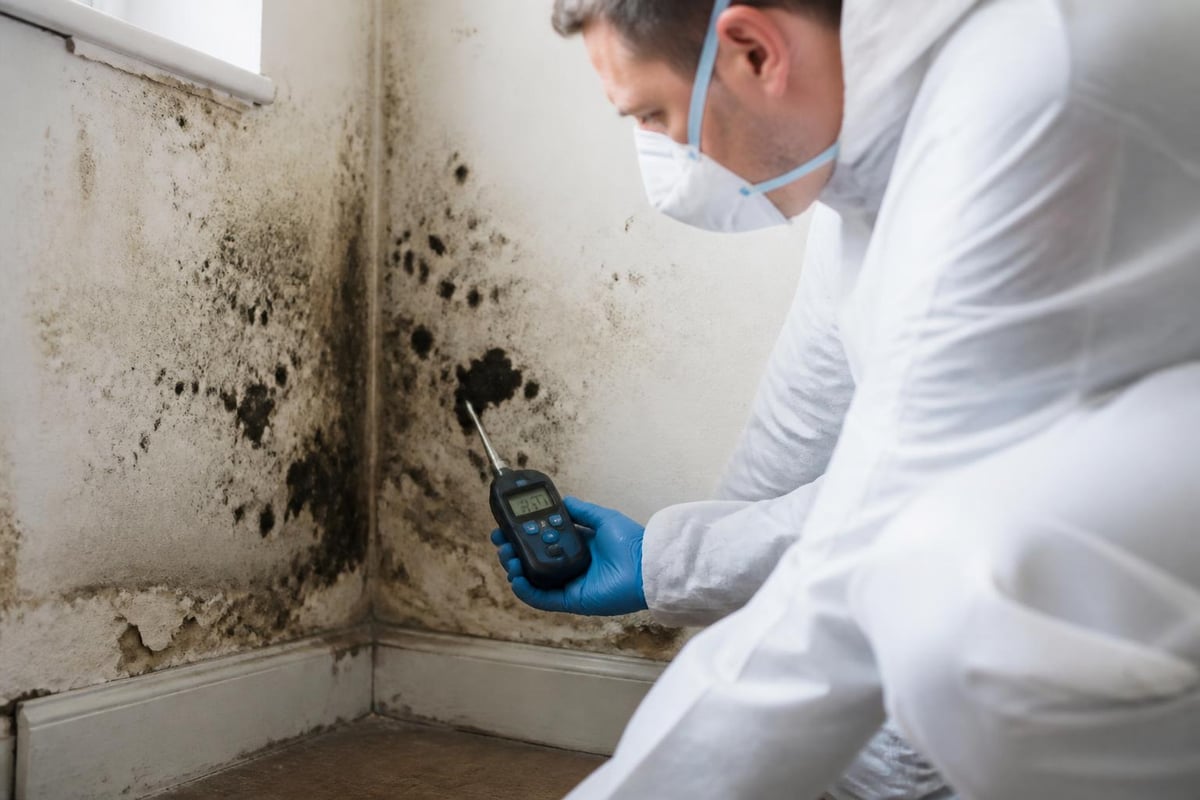
Mould exposure poses varying health risks depending on species, concentration, and individual sensitivity. Vulnerable populations including children, elderly people, and those with respiratory conditions face greater risks.
Common health effects include nasal congestion, throat irritation, coughing, and skin reactions. Severe cases may trigger asthma attacks or cause allergic reactions requiring medical attention. Documented health complaints strengthen the case for immediate remediation.
Landlord Obligations and Tenant Rights
The regulatory landscape has evolved significantly in recent years. Landlords must now respond promptly to mould complaints with professional assessment and appropriate remediation. Failure to act can result in:
- Local authority improvement notices
- Financial penalties up to £30,000
- Rent repayment orders
- Prosecution for serious cases
- Civil claims for damages
A residential mould survey provides essential documentation demonstrating due diligence. Professional reports satisfy regulatory requirements whilst protecting all parties' interests.
Tenants possess clear rights regarding habitable living conditions. Properties with significant mould problems may be deemed unfit for habitation, triggering legal obligations for immediate remedy. Professional surveys establish objective evidence of conditions, avoiding disputes.
Cost Factors and Survey Scope
Residential mould survey costs vary considerably based on property size, complexity, and required testing depth. Understanding pricing structures helps budget appropriately and avoid unnecessary expenditure.
Basic visual surveys for small properties start around £200-£300, whilst comprehensive assessments with extensive sampling can exceed £1,000. Laboratory analysis represents the most significant variable cost, with each sample typically costing £40-£80.
Factors Affecting Survey Pricing
| Factor | Impact on Cost | Typical Range |
|---|---|---|
| Property size | Higher for larger properties | £200-£1,500 |
| Number of samples | Each sample adds cost | £40-£80 per sample |
| Report complexity | Detailed reports cost more | Included to £200 extra |
| Travel distance | Remote locations increase fees | £0-£150 |
| Urgency | Rush service commands premium | 20-50% surcharge |
Investing in comprehensive initial surveys often proves more economical than multiple limited assessments. Incomplete surveys may miss critical problems, requiring additional investigation later. For properties with complex moisture issues, Indoor Air Quality Testing can provide valuable data about airborne contaminant levels affecting occupant health.
Geographic location influences pricing, with London and South East rates typically 15-25% higher than regional areas. However, choosing local certified surveyors reduces travel costs whilst ensuring familiarity with regional building characteristics and common problems.
Preparing for Your Survey
Proper preparation maximises survey effectiveness and value. Homeowners can take several steps to facilitate thorough assessment and accurate results.
Ensure surveyors can access all areas including lofts, basements, and crawl spaces. Remove stored items blocking walls or floors where possible. This accessibility allows complete inspection without restrictions.
Pre-Survey Checklist
Prepare your property by addressing these points:
- Clear access to all rooms and storage areas
- Document any known leaks or water damage history
- Compile records of previous remediation work
- Note any health symptoms experienced by occupants
- List concerns about specific areas or odours
- Prepare questions for the surveyor
Providing comprehensive property history helps surveyors focus investigations effectively. Previous flood damage, roof leaks, or plumbing failures indicate areas requiring particular attention during assessment.
Post-Survey Actions and Remediation Planning
Receiving your survey report marks the beginning rather than end of the process. Understanding findings and implementing recommendations requires careful planning and prioritisation.
Urgent issues demand immediate attention, particularly where health risks or structural damage exist. Less critical findings may allow phased remediation aligned with maintenance schedules and budget availability.
Creating an Action Plan
Develop a structured approach to addressing survey findings:
- Immediate actions: Stop active water intrusion, improve ventilation
- Short-term remediation: Remove visible growth, treat affected areas
- Medium-term solutions: Repair building defects, upgrade ventilation systems
- Long-term prevention: Monitor humidity, maintain drainage systems
- Verification testing: Confirm remediation success
Professional remediation services from organisations like those detailed at Mouldsurv Ltd ensure work meets industry standards and regulatory requirements. DIY remediation suits only minor, superficial growth; extensive contamination requires professional intervention.
Budget allocation should reflect risk priorities. High-risk findings warrant immediate investment, whilst medium and low-risk issues may be addressed over time. However, delaying critical repairs often increases ultimate costs as problems worsen.
Prevention Strategies Following Assessment
Preventing mould recurrence delivers far better value than repeated remediation. Survey findings should inform long-term property management strategies that address root causes rather than symptoms.
Moisture control represents the cornerstone of effective prevention. Without addressing water sources and humidity levels, mould will inevitably return regardless of cleaning efforts.
Essential Prevention Measures
Implement these strategies based on your residential mould survey recommendations:
- Maintain relative humidity below 60% throughout the property
- Ensure adequate ventilation especially in bathrooms and kitchens
- Repair leaks promptly whether from roofs, pipes, or windows
- Improve drainage around building foundations
- Service heating systems regularly to prevent condensation
- Monitor vulnerable areas periodically for early warning signs
Regular property inspections help identify emerging problems before they become serious. Six-monthly checks of previously affected areas provide early warning of recurrence, allowing prompt intervention.
Building maintenance schedules should incorporate mould prevention considerations. Gutter cleaning, roof inspections, and external pointing repairs prevent water ingress that creates ideal mould conditions.
Regional Considerations for UK Properties
UK housing stock varies significantly by region and construction period. These variations influence mould susceptibility and appropriate survey methodologies.
Victorian and Edwardian properties commonly suffer from rising damp due to failed or absent damp-proof courses. Post-war construction often features inadequate ventilation by modern standards. Contemporary buildings may experience condensation issues from improved airtightness without adequate mechanical ventilation.
Geographic and Climatic Factors
| Region | Common Issues | Key Survey Focus |
|---|---|---|
| South East | Hard water scaling, modern airtightness | Ventilation systems, bathroom extraction |
| South West | Coastal exposure, older housing stock | External render, window seals |
| Midlands | Industrial legacy, varied construction | Chimney breasts, solid wall properties |
| North | Older terraced housing, coal-burning history | Rising damp, thermal bridging |
Coastal properties face particular challenges from salt-laden air and driving rain. Survey protocols for these locations must assess external envelope integrity and internal moisture barriers more rigorously than inland properties.
Properties in Essex, London, and Kent experience diverse challenges from Thames Valley humidity to coastal exposure. Local expertise proves invaluable for identifying region-specific problems and appropriate solutions.
Selecting a Qualified Surveyor
Professional qualifications and certification ensure your residential mould survey meets industry standards and provides reliable results. Not all surveyors possess equal expertise or follow consistent protocols.
Look for CSRT (Certified Surveyor in Residential Testing) credentials or equivalent professional accreditation. These certifications demonstrate competence in moisture mapping, sample collection, and report preparation.
Evaluation Criteria
When selecting a surveyor, consider these factors:
- Professional qualifications and industry certifications
- Insurance coverage including professional indemnity
- Laboratory accreditation for sample analysis
- Experience with similar properties and problems
- References from previous clients
- Transparent pricing with clear scope definitions
Request sample reports before commissioning surveys. Well-structured reports should include clear photography, detailed findings, and specific recommendations rather than vague observations.
Professional membership organisations such as the Property Care Association provide directories of qualified surveyors. These trade bodies maintain standards and provide dispute resolution mechanisms if problems arise.
Survey Frequency and Ongoing Monitoring
Single surveys provide snapshots rather than continuous assurance. Establishing appropriate monitoring frequencies depends on property characteristics, previous problems, and occupancy patterns.
Properties with history of mould issues benefit from annual surveys to verify remediation success and catch early recurrence. Problem-free properties may require surveys only when symptoms appear or during property transactions.
Recommended Survey Intervals
Different scenarios warrant different monitoring approaches:
- Post-remediation: Three months after completion
- Vulnerable properties: Annually for high-risk buildings
- Rental properties: Bi-annually or following tenant turnover
- Standard residential: Every 3-5 years or when symptoms appear
- Following water damage: Immediately and again after six months
Landlords managing multiple properties should implement systematic survey schedules ensuring regulatory compliance whilst managing costs efficiently. Staggered assessments spread expenditure whilst maintaining oversight of portfolio condition.
Seasonal variations affect mould growth patterns. Autumn and winter surveys may reveal different problems than summer assessments. Properties with intermittent heating or summer condensation benefit from surveys at different seasons.
Understanding when and why to commission a residential mould survey empowers homeowners to protect their properties and health effectively. Professional assessment provides the foundation for targeted remediation and long-term prevention strategies that address root causes rather than symptoms. Whether you're experiencing concerning symptoms, purchasing property, or managing rental stock across Essex, London, and Kent, Mouldsurv Ltd delivers comprehensive mould and damp solutions backed by UK certification and regulatory compliance. Contact their team today for expert assessment and peace of mind about your property's condition.