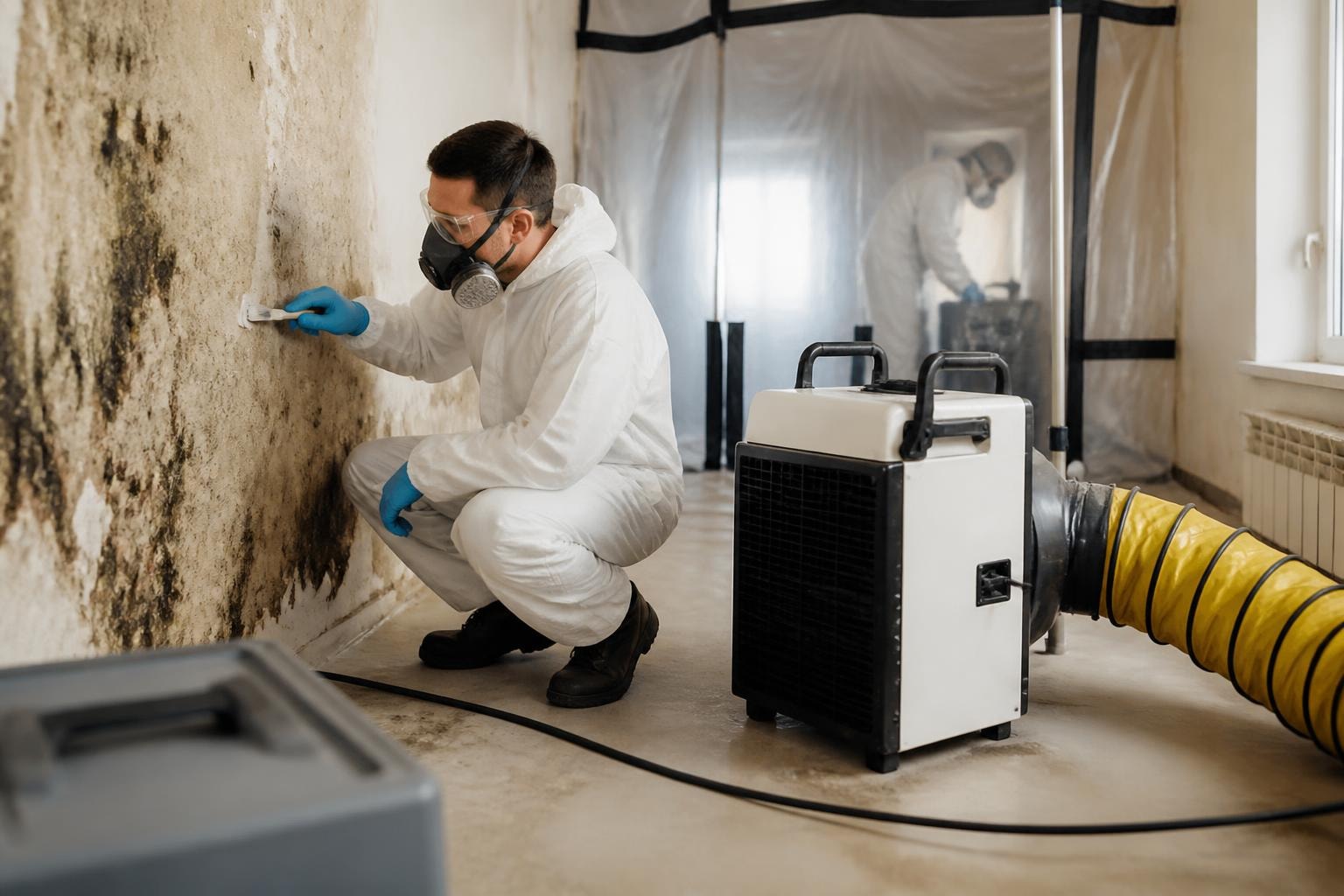
Mould growth in residential and commercial properties represents more than just an unsightly blemish on walls and ceilings. It poses significant health risks and can compromise structural integrity if left unchecked. Professional mould removal has become an essential service across the UK, particularly in regions with high humidity and older building stock. Understanding when to call in experts, what the process entails, and how to evaluate service providers can save property owners thousands of pounds whilst protecting occupant health. This comprehensive guide explores everything you need to know about professional mould remediation in 2026.
Understanding the Need for Professional Intervention
Many property owners initially attempt DIY mould cleanup, believing surface treatments will suffice. However, visible mould represents only a fraction of the problem. Mould colonies extend deep into porous materials, releasing spores throughout the property's air systems.
The Centers for Disease Control and Prevention emphasize proper remediation strategies to protect health and prevent regrowth. Professional mould removal services bring specialized equipment, expertise, and safety protocols that home remedies simply cannot match.
Health Implications of Inadequate Treatment
Respiratory problems, allergic reactions, and immune system challenges all stem from prolonged mould exposure. Vulnerable populations including children, elderly individuals, and those with pre-existing conditions face heightened risks.
Professional remediation protects occupants by:
- Containing spores during removal to prevent cross-contamination
- Using HEPA filtration systems to clean the air
- Applying antimicrobial treatments to affected surfaces
- Verifying complete removal through post-remediation testing
- Identifying and addressing underlying moisture sources
The difference between surface cleaning and professional mould removal lies in addressing root causes rather than symptoms. Surface treatments may temporarily hide visible growth whilst colonies continue spreading behind walls, under flooring, and within ventilation systems.

The Professional Mould Removal Process
Certified mould remediation follows established protocols outlined in industry standards. The IICRC S520 Standard provides the framework most UK professionals follow, ensuring consistent, safe practices across the industry.
Initial Assessment and Testing
Every professional mould removal project begins with comprehensive inspection. Trained technicians identify visible growth, use moisture meters to detect hidden problems, and may conduct air quality sampling.
| Assessment Type | Purpose | Tools Used |
|---|---|---|
| Visual inspection | Identify visible mould and water damage | Thermal imaging, moisture meters |
| Air sampling | Measure spore concentration | Air pumps, spore traps |
| Surface sampling | Determine mould species | Swabs, tape lifts |
| Moisture mapping | Locate water sources | Hygrometers, infrared cameras |
This diagnostic phase establishes the scope of remediation required and identifies whether additional specialist services are needed. For properties across Essex, London, and Kent, Mould Remediation services provide thorough assessments aligned with UK building regulations and health standards.
Containment and Air Filtration
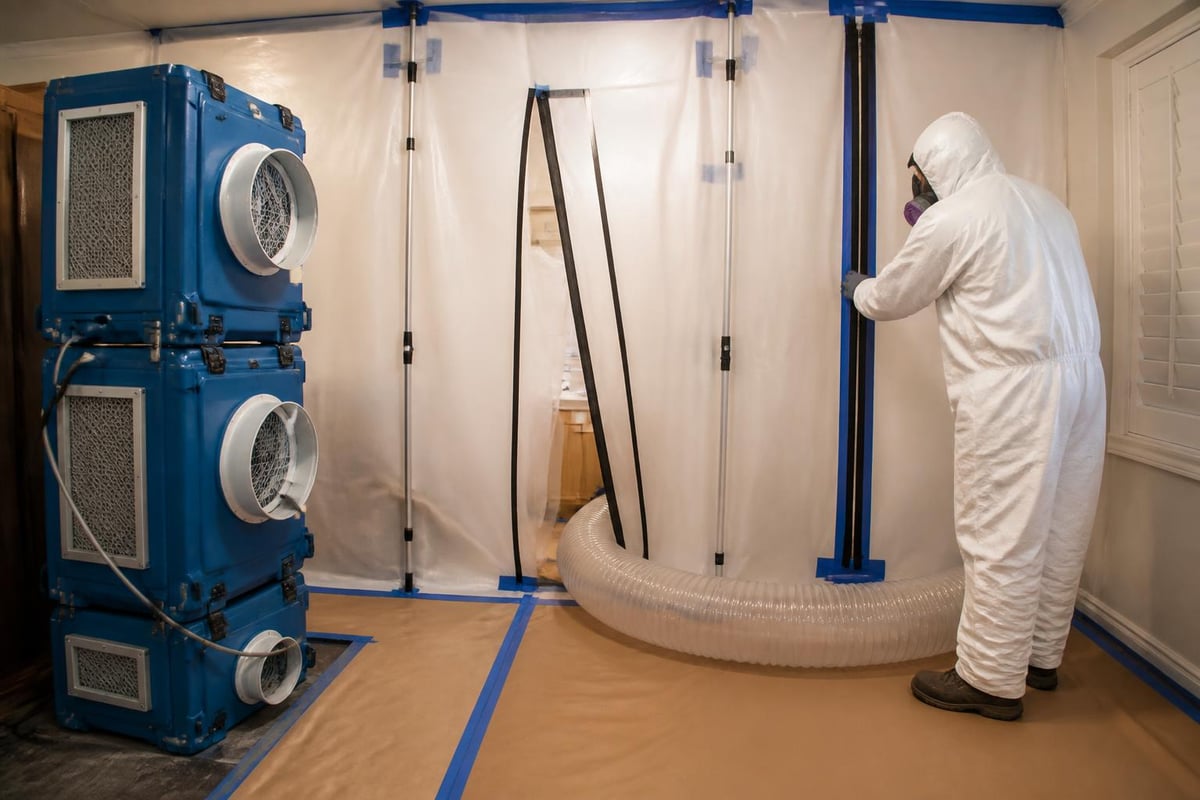
Preventing spore spread during removal remains critical. Professionals establish containment zones using polyethylene sheeting and negative air pressure systems. HEPA air scrubbers continuously filter airborne particles throughout the remediation process.
The EPA's guidelines for mold cleanup stress the importance of proper containment, particularly for areas exceeding ten square feet of contamination.
Removal Techniques and Materials
Different materials require distinct removal approaches. Porous substances like drywall, insulation, and ceiling tiles often require complete removal and disposal when extensively contaminated. Non-porous surfaces such as glass, metal, and hard plastics can typically be cleaned and treated.
Step-by-Step Removal Protocol
- Isolate the work area using physical barriers and negative air machines
- Remove contaminated materials following proper disposal procedures
- Clean all surfaces with HEPA vacuums and antimicrobial solutions
- Dry the environment using industrial dehumidifiers and air movers
- Apply preventative treatments to inhibit future growth
- Conduct clearance testing to verify successful remediation
Professional mould removal specialists wear personal protective equipment including respirators, gloves, and protective suits. This safeguards technicians whilst preventing spore transfer to unaffected areas.
The IICRC S520 Standard for Professional Mold Remediation establishes these procedural requirements, ensuring remediation work meets industry best practices.
Addressing Underlying Moisture Problems
Mould remediation proves futile without resolving moisture sources. Water intrusion, condensation, plumbing leaks, and inadequate ventilation all contribute to recurring growth.
Professional services include moisture source identification and recommendations for permanent solutions. This might involve:
- Repairing roof leaks and damaged flashing
- Improving ventilation systems in bathrooms and kitchens
- Installing vapour barriers in crawl spaces
- Redirecting exterior drainage away from foundations
- Upgrading insulation to prevent condensation
Ventilation and Humidity Control
Maintaining indoor relative humidity below 60% significantly reduces mould risk. Mechanical ventilation, dehumidifiers, and proper air circulation work together to control moisture levels.
| Solution | Application | Effectiveness |
|---|---|---|
| Extractor fans | Bathrooms, kitchens | High for localised moisture |
| Whole-house dehumidifiers | Entire property | High for ambient humidity |
| Positive input ventilation | Central distribution | Moderate to high |
| Natural ventilation | Window trickle vents | Low to moderate |
The EPA's moisture and mold prevention guide provides homeowners with essential strategies for maintaining dry, healthy indoor environments.
Costs and Investment Considerations
Professional mould removal costs vary considerably based on contamination extent, property size, and required interventions. UK property owners typically spend between £500 and £6,000 for comprehensive remediation services.
Pricing Factors
Small, contained areas cost significantly less than whole-property remediation. Additional factors affecting pricing include:
- Accessibility challenges requiring specialized equipment
- Severity of contamination dictating removal depth
- Materials affected with porous substances requiring disposal
- Testing requirements for verification and compliance
- Structural repairs needed after material removal
Requesting detailed quotes from multiple certified professionals helps property owners understand fair market rates. Reputable companies provide itemized estimates explaining each service component.
Investing in professional mould removal prevents far costlier structural repairs and health complications down the line. Delayed remediation allows colonies to spread, degrading building materials and increasing eventual treatment costs exponentially.
Selecting Qualified Service Providers
Not all mould removal companies maintain equivalent standards or certifications. Property owners should verify credentials, insurance coverage, and adherence to industry protocols before engaging services.
Essential Qualifications to Verify
Certified professionals hold relevant qualifications demonstrating competency in mould remediation practices. Look for:
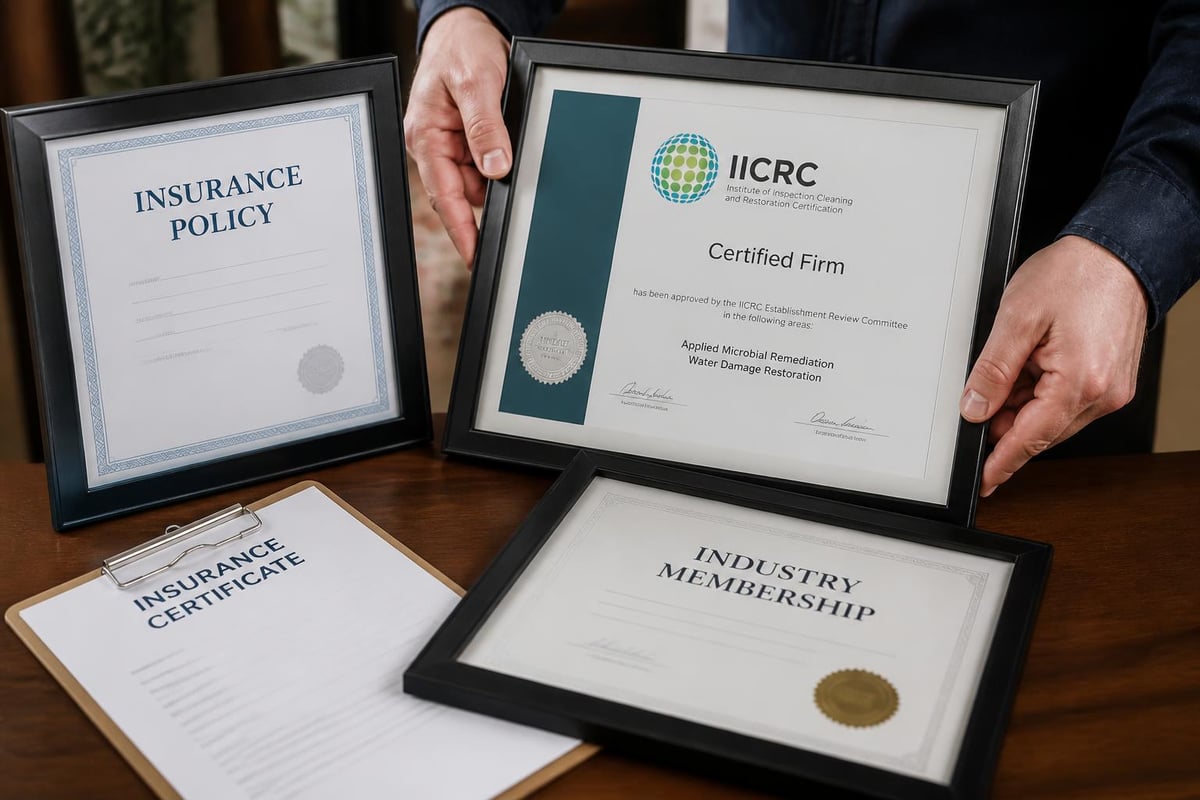
- IICRC certification in applied microbial remediation
- Full public liability and professional indemnity insurance
- Health and Safety Executive (HSE) compliance
- Membership in professional trade organizations
- Positive client testimonials and case studies
The step-by-step mold remediation process outlined by industry experts helps property owners understand what to expect from qualified professionals.
Red Flags to Avoid
Be wary of companies that:
- Guarantee complete mould elimination (impossible as spores exist everywhere)
- Recommend mould removal without addressing moisture sources
- Lack proper insurance or certifications
- Provide quotes without conducting thorough inspections
- Use scare tactics or high-pressure sales techniques
Commercial vs Residential Remediation
Commercial properties face unique mould challenges compared to residential buildings. Higher occupancy, complex HVAC systems, and regulatory compliance requirements all demand specialized approaches.
The EPA's commercial building remediation guidelines emphasize prevention through moisture control in larger facilities.
Business Continuity Considerations
Commercial professional mould removal often requires phased approaches minimizing operational disruption. Evening and weekend work schedules, temporary relocations, and strategic containment allow businesses to continue functioning during remediation.
Documentation requirements differ substantially for commercial properties. Detailed reports, compliance certificates, and ongoing monitoring protocols protect building owners from liability whilst ensuring occupant safety.
Post-Remediation Verification
Successful professional mould removal concludes with thorough verification. Clearance testing confirms spore levels have returned to normal background concentrations and no viable growth remains.
Testing Protocols
Independent third-party testing provides unbiased verification of remediation effectiveness. Air samples, surface samples, and visual inspections all contribute to comprehensive clearance assessment.
| Test Type | Sample Method | Analysis |
|---|---|---|
| Post-remediation air | Spore trap collection | Laboratory spore count and species identification |
| Surface verification | Tape lift or swab | Direct examination and culture analysis |
| Moisture verification | Non-invasive scanning | Moisture meter readings across treated areas |
Property owners should receive detailed reports documenting pre-remediation conditions, work performed, and post-remediation results. These records prove invaluable for insurance claims, property transactions, and future reference.
Preventative Strategies Following Remediation
Professional mould removal creates a clean slate, but maintaining mould-free conditions requires ongoing vigilance. Property owners must implement preventative measures addressing the conditions that allowed initial growth.
Maintenance Best Practices
Regular property inspections identify potential problems before they escalate. Monthly checks should include:
- Examining plumbing fixtures for leaks or condensation
- Monitoring basement and crawl space humidity levels
- Inspecting roof and gutters for proper drainage
- Ensuring ventilation systems function correctly
- Checking window seals and weather stripping
Creating a maintenance schedule transforms mould prevention from reactive crisis management to proactive property care. Simple habits like running bathroom fans during showers, wiping down condensation-prone surfaces, and promptly repairing leaks dramatically reduce mould risk.
Legal and Insurance Considerations
UK legislation increasingly recognizes mould's impact on property habitability and occupant health. Landlords face specific obligations under the Housing Health and Safety Rating System (HHSRS).
Landlord Responsibilities
Rental properties with persistent dampness and mould growth may receive hazard ratings requiring mandatory remediation. Professional mould removal conducted by certified specialists demonstrates compliance with legal obligations.
The proper mold removal sequence outlined by remediation experts helps landlords understand their responsibilities and the steps required for compliant treatment.
Insurance coverage for mould damage varies considerably between policies. Most standard home insurance excludes mould resulting from maintenance neglect but may cover growth stemming from sudden, accidental water damage like burst pipes.
Health and Safety Protocols
Protecting both technicians and property occupants remains paramount throughout professional mould removal. Comprehensive safety protocols prevent exposure whilst ensuring effective remediation.
The North Carolina Department of Health's mold cleanup precautions outline essential protective measures applicable to professional remediation work.
Personal Protective Equipment Requirements
Certified professionals utilize appropriate PPE based on contamination severity:
- N95 or P100 respirators filtering airborne spores
- Disposable protective suits preventing cross-contamination
- Rubber gloves protecting hands during chemical application
- Safety goggles guarding against irritant exposure
Occupants should vacate treated areas during active remediation. Re-entry occurs only after clearance testing confirms safe conditions and air quality restoration.
Emerging Technologies in Mould Treatment
Professional mould removal continues evolving with technological advancement. Innovative approaches supplement traditional remediation methods, improving efficiency and effectiveness.
Antimicrobial coatings incorporating silver ion technology inhibit future growth on treated surfaces. Thermal remediation systems raise affected areas to temperatures lethal to mould whilst preserving structural elements. Advanced moisture detection using infrared thermography identifies hidden problems invisible to standard inspection.
These technologies enhance rather than replace fundamental remediation principles. Proper moisture control, thorough removal, and preventative maintenance remain the cornerstones of successful professional mould removal regardless of tools employed.
Regional Considerations Across the UK
Climatic variations throughout the United Kingdom influence mould prevalence and remediation approaches. Coastal regions experience higher humidity, whilst older urban properties face unique ventilation challenges.
Essex, London, and Kent Specific Factors
Properties across these regions contend with:
- Victorian and Edwardian building stock with limited vapour barriers
- Thames Valley humidity contributing to elevated moisture levels
- Urban density restricting natural ventilation
- Aging infrastructure with deteriorating waterproofing
Local professional mould removal specialists understand regional building characteristics and climate-specific challenges. This expertise ensures remediation strategies address area-specific risk factors whilst complying with local building regulations.
Environmental Impact and Waste Management
Responsible professional mould removal includes proper disposal of contaminated materials. Bagged waste must reach designated facilities capable of handling potentially hazardous materials safely.
Sustainable practices minimize environmental impact whilst maintaining remediation effectiveness. Where possible, professionals salvage and treat materials rather than defaulting to wholesale removal. This reduces landfill waste whilst controlling project costs.
Chemical treatments have evolved toward lower-toxicity formulations. Modern antimicrobial solutions effectively inhibit mould whilst posing minimal risk to occupants and the environment. Professional remediation companies select products balancing efficacy with safety considerations.
Professional mould removal represents a critical investment in property health, structural integrity, and occupant wellbeing. Understanding the remediation process, selecting qualified specialists, and implementing preventative measures ensures long-term protection against recurring problems. Mouldsurv Ltd brings certified expertise to mould and damp challenges throughout Essex, London, and Kent, delivering comprehensive solutions that address both immediate remediation needs and underlying moisture sources. Contact Mouldsurv Ltd today for a thorough assessment and expert remediation services that ensure your property meets UK health and safety standards.