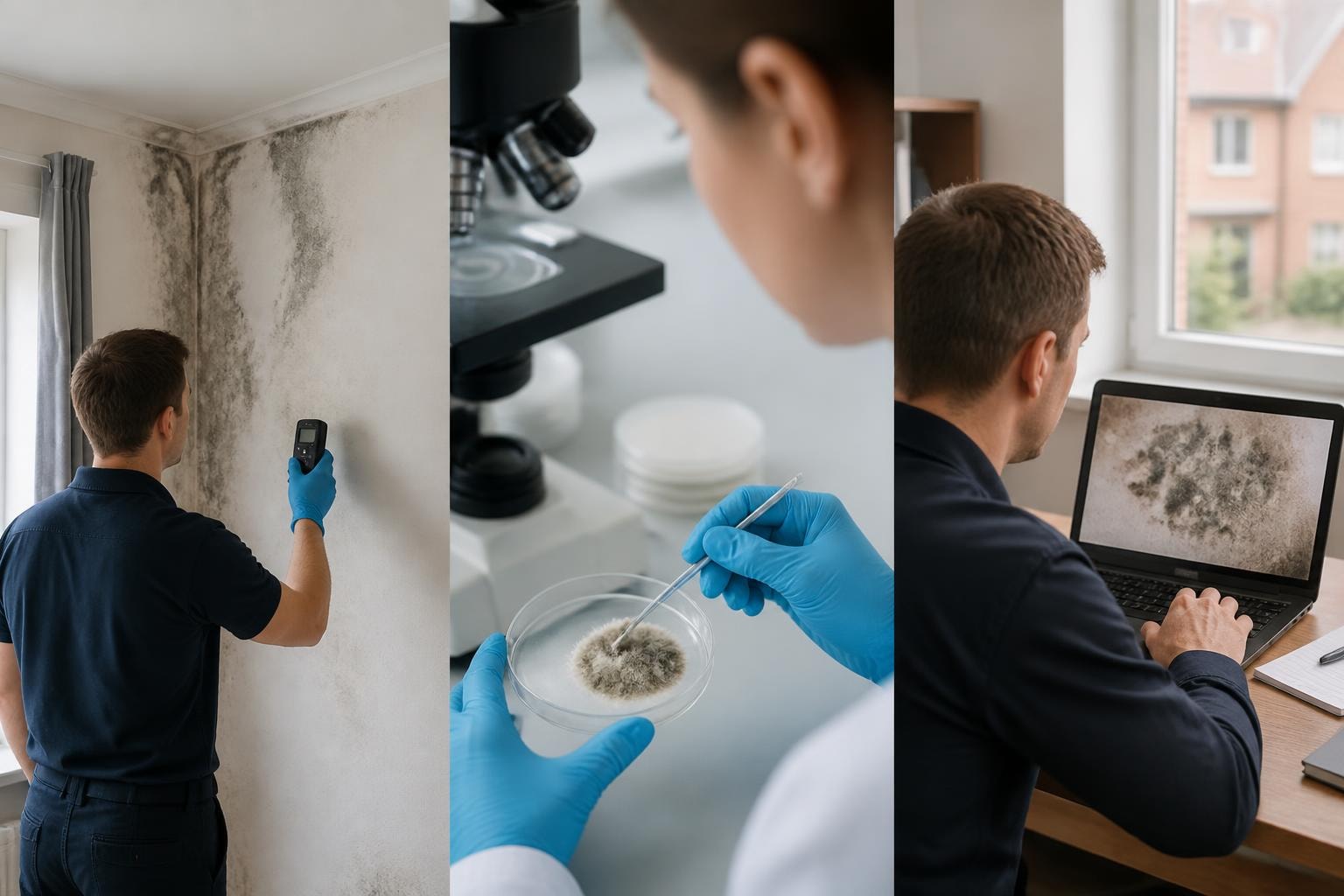
Property owners across the UK face an increasingly complex challenge when it comes to identifying and addressing mould growth in their homes and commercial buildings. Whilst visible mould might seem straightforward to spot, the reality is that fungal contamination often extends far beyond what the naked eye can detect. This is where professional mould inspection becomes essential. A qualified inspection goes beyond surface-level observation, employing specialized equipment, systematic methodology, and expert knowledge to accurately assess the full extent of contamination, identify root causes, and provide actionable recommendations that comply with UK health and safety regulations.
Understanding What Professional Mould Inspection Involves
A professional mould inspection is a comprehensive assessment conducted by certified specialists who possess both the training and equipment necessary to evaluate fungal contamination in built environments. Unlike a casual visual check, these inspections follow standardized procedures that ensure thorough coverage of all potentially affected areas.
The International Association of Certified Indoor Air Consultants establishes clear guidelines for inspection protocols, distinguishing between complete and limited assessments. The scope of work typically includes visual examination of accessible areas, moisture mapping using advanced diagnostic tools, air quality sampling when necessary, and detailed documentation of findings.
The Distinction Between DIY Checks and Certified Inspections
Many property owners attempt preliminary mould checks themselves, which can be useful for identifying obvious problems. However, professional mould inspection provides several critical advantages:
- Access to calibrated diagnostic equipment that detects hidden moisture and fungal growth
- Training in recognizing subtle indicators of contamination that untrained eyes might miss
- Knowledge of building science to identify why mould develops in specific locations
- Understanding of UK legislation including health and safety compliance requirements
- Laboratory analysis capabilities for species identification and spore concentration levels
- Comprehensive reporting that satisfies insurance and legal documentation needs
The expertise gap becomes particularly evident when dealing with concealed mould growth behind walls, under flooring, or within HVAC systems. These hidden colonies can significantly impact indoor air quality without producing obvious visible signs.
The Methodology Behind Thorough Mould Assessments
Professional inspectors follow systematic approaches that ensure no potential source of contamination goes unexamined. The process typically begins with a detailed consultation to understand the property's history, any previous water damage incidents, and occupant health concerns that might indicate mould-related issues.
Initial Visual Assessment and Documentation
The inspection commences with a methodical visual examination of the entire property. Inspectors examine common problem areas including:
- Bathrooms and kitchens where high humidity levels frequently occur
- Exterior walls and windows where condensation and thermal bridging create moisture accumulation
- Basements and cellars prone to groundwater infiltration and poor ventilation
- Roof spaces and loft areas where roof leaks and inadequate insulation cause problems
- Behind furniture and fixtures where air circulation is restricted
Each area receives photographic documentation, with measurements and detailed notes recording the condition, extent of visible growth, and any moisture indicators. This baseline documentation proves invaluable for tracking remediation progress and satisfying compliance requirements.
Advanced Diagnostic Equipment Applications
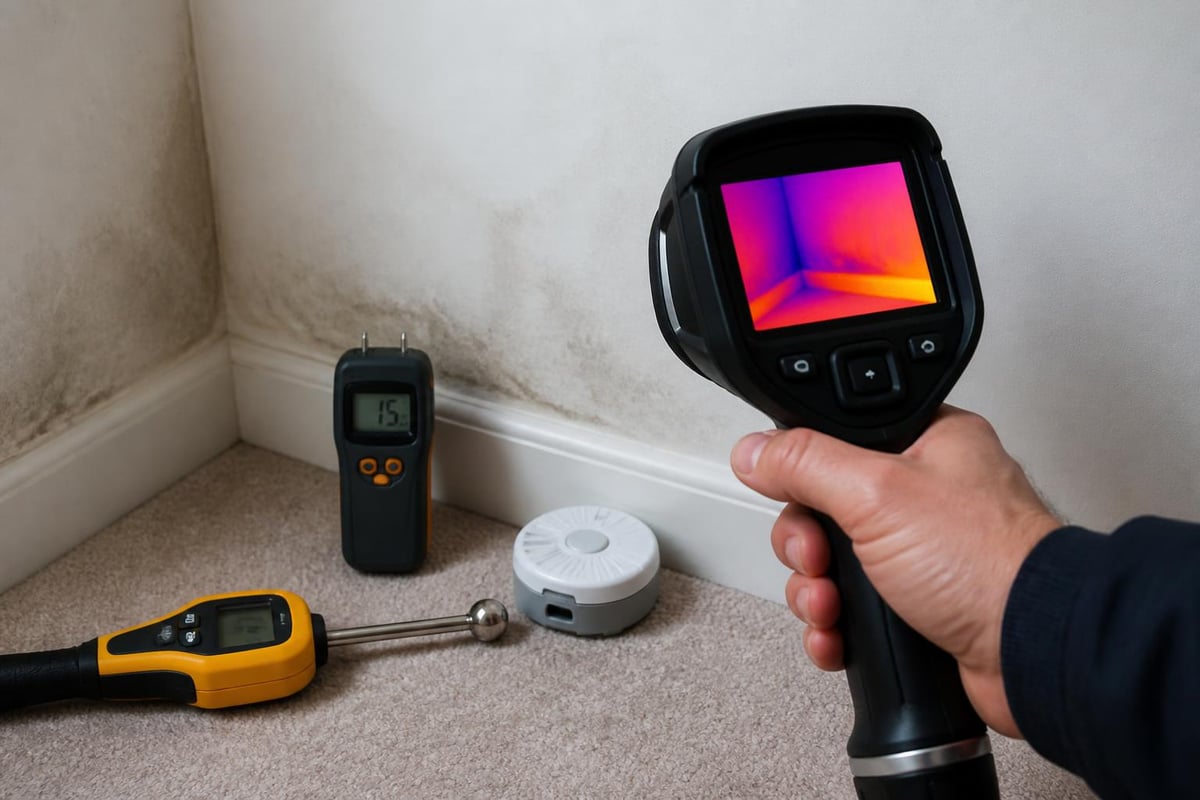
Modern professional mould inspection relies heavily on technology that extends human sensory capabilities. Moisture meters provide precise readings of material water content, helping inspectors distinguish between active moisture problems and historic staining that no longer presents a risk.
| Equipment Type | Primary Function | Key Benefit |
|---|---|---|
| Thermal Imaging Camera | Detects temperature variations indicating moisture | Identifies hidden water damage without invasive testing |
| Pin-Type Moisture Meter | Measures moisture content in wood and drywall | Provides precise quantitative data for specific locations |
| Non-Invasive Moisture Scanner | Scans moisture levels through surfaces | Allows broader area assessment without damaging materials |
| Hygrometer | Measures relative humidity and dew point | Identifies condensation risk and environmental conditions |
| Borescope | Visual inspection of concealed spaces | Examines wall cavities and voids without major demolition |
The Resource Advisor guide to mould inspection tools provides detailed information on how these instruments work together to create a complete picture of contamination.
Air Quality Testing and Laboratory Analysis
Whilst the EPA notes that testing is often unnecessary when visible mould is present, air sampling provides crucial information in specific circumstances. Professional mould inspection may incorporate air quality testing when occupants experience unexplained health symptoms, when mould odour exists without visible growth, or when verification of remediation success is required.
When Air Sampling Becomes Essential
Certain scenarios demand quantitative data that only laboratory analysis can provide. These include:
- Post-remediation verification to confirm successful mould removal
- Legal or insurance documentation requiring scientific evidence
- Indoor air quality complaints without visible contamination sources
- Pre-purchase property assessments for high-value transactions
- Healthcare facility compliance with stringent air quality standards
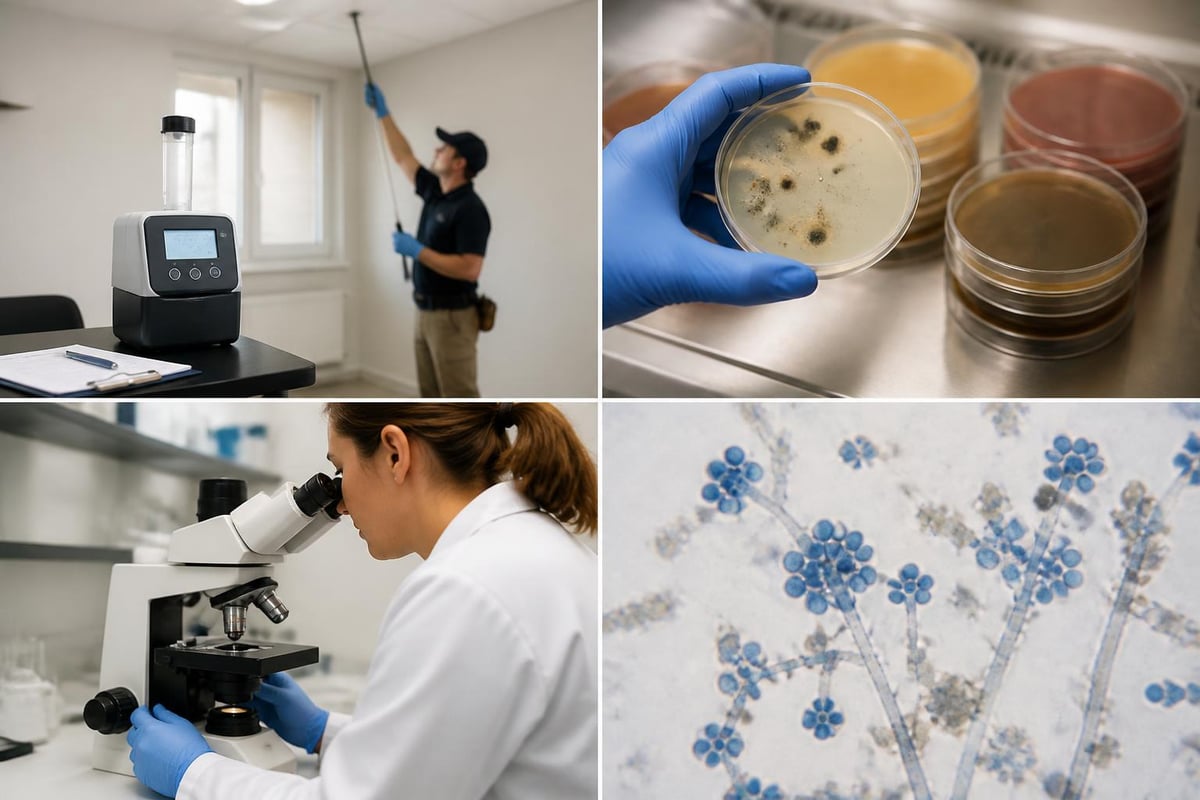
Air samples collect spore counts and identify specific mould species present in the environment. This information helps determine whether remediation is necessary and what level of containment and protection workers require during removal. For properties across Essex, London, and Kent, Mould Assessment services provide this comprehensive analysis as part of a complete inspection package.
Interpreting Laboratory Results
Understanding test results requires expertise in mycology and indoor air quality standards. Professional inspectors compare indoor spore counts against outdoor baseline samples and established thresholds for different species. Some moulds present greater health risks than others, and concentrations matter significantly.
The report typically includes:
- Total spore counts for indoor and outdoor samples
- Species identification with health risk categorization
- Comparison data showing indoor versus outdoor ratios
- Interpretation and recommendations based on findings
- Photographic evidence of sampling locations and visible growth
This detailed analysis forms the foundation for developing appropriate remediation strategies and ensuring compliance with OSHA mould standards where applicable to commercial properties and workplaces.
Identifying Root Causes During Professional Inspections
The most valuable aspect of professional mould inspection extends beyond simply locating contamination. Expert inspectors diagnose why mould develops in specific locations, addressing the fundamental moisture sources that allow fungal growth to occur. Without eliminating these root causes, mould will inevitably return following remediation.
Common Moisture Sources in UK Properties
British buildings face unique challenges due to climate conditions and construction methods. Professional inspectors systematically evaluate all potential moisture pathways:
Building envelope failures including damaged roof coverings, deteriorated pointing, cracked render, and failed damp-proof courses create direct water ingress routes. Condensation problems arise from inadequate ventilation, thermal bridging, and insufficient insulation, particularly in properties with modern airtight double glazing but poor background ventilation. Plumbing defects such as slow leaks, failed seals, and hidden pipe damage introduce persistent moisture that supports continuous mould growth.
The National Association of Mold Remediators and Inspectors standards emphasize that identifying these sources is as critical as documenting the contamination itself. Professional mould inspection reports must clearly articulate causation to enable effective corrective action.
Compliance, Certification, and Industry Standards
Professional mould inspection in the UK operates within a framework of regulations, industry standards, and best practice guidelines that ensure quality and protect both property occupants and remediation workers. Certified inspectors maintain current knowledge of these requirements and structure their assessments accordingly.
UK Legislative Framework
Whilst the UK lacks specific mould-focused legislation, several regulatory frameworks apply to contamination assessment and remediation:
- The Housing Health and Safety Rating System (HHSRS) addresses damp and mould as Category 1 hazards in residential properties
- Health and Safety at Work Act 1974 requires employers to protect workers during remediation
- Environmental Protection Act 1990 governs waste disposal from contaminated materials
- Building Regulations Part C establishes moisture resistance requirements for new construction
Professional inspectors ensure their assessments provide documentation that satisfies these requirements, particularly important for landlords facing potential enforcement action or property transactions requiring environmental due diligence.
International Standards Influencing UK Practice
Although developed for the American market, standards like the IICRC S520 significantly influence UK professional mould inspection methodology. These comprehensive guidelines cover assessment protocols, containment requirements, remediation procedures, and verification testing.
| Standard | Origin | Key Contribution |
|---|---|---|
| IICRC S520 | USA | Comprehensive assessment and remediation protocols |
| BS 5250:2021 | UK | Condensation control and moisture management |
| BS 6576 | UK | Diagnosis of rising damp in walls |
| IAC2 Standards | International | Inspection methodology and scope definition |
Many UK professionals pursue international certifications that demonstrate expertise in current best practices, even when specific standards aren't legally mandated domestically.
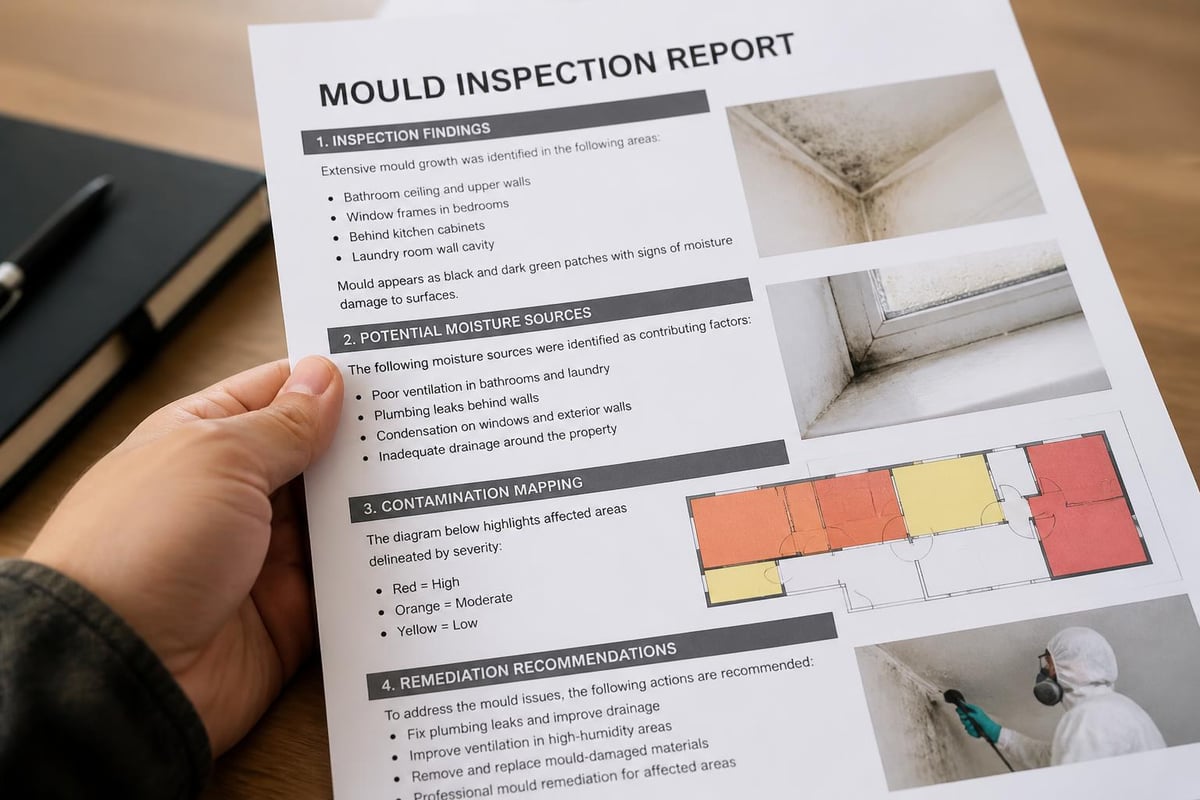
The Professional Inspection Report and Recommendations
The culmination of professional mould inspection is a comprehensive report that documents findings, explains causation, and provides clear recommendations for remediation and prevention. This document serves multiple purposes: guiding remediation contractors, satisfying insurance requirements, supporting legal proceedings, and enabling informed decision-making by property owners.
Essential Report Components
A thorough inspection report includes several critical sections that transform raw data into actionable intelligence:
Executive summary provides non-technical overview for property owners and stakeholders. Detailed findings document each affected area with photographs, measurements, and moisture readings. Causation analysis explains why mould developed in identified locations. Contamination classification categorizes severity and extent following industry protocols.
The mold assessment process explained guide outlines how professional reports translate technical findings into practical recommendations. For UK properties, reports must address both immediate remediation needs and long-term prevention strategies.
Remediation Recommendations and Scope Development
Professional mould inspection reports provide specific guidance on appropriate remediation approaches. Recommendations consider contamination extent, affected materials, building construction, and occupant sensitivity. The inspector may specify containment requirements, personal protective equipment needs, and disposal procedures.
These recommendations enable accurate cost estimation and ensure remediation contractors understand the full scope before commencing work. For extensive contamination requiring specialist intervention, detailed specifications ensure compliance with health and safety requirements and industry best practices. Property owners seeking professional remediation services benefit from clear, actionable guidance that eliminates uncertainty.
Frequency and Timing for Professional Inspections
Understanding when to commission professional mould inspection helps property owners prevent minor issues from escalating into serious contamination problems. Several circumstances warrant immediate assessment, whilst regular preventative inspections provide long-term benefits for certain property types.
Trigger Events Requiring Immediate Inspection
Specific incidents dramatically increase mould risk and necessitate prompt professional assessment:
- Water damage events including floods, burst pipes, or major leaks
- Storm damage compromising roof or exterior wall integrity
- Visible mould growth exceeding small isolated patches
- Persistent musty odours suggesting hidden contamination
- Unexplained health symptoms potentially related to indoor air quality
- Pre-purchase surveys for property transactions
- Post-remediation verification following previous mould removal
The window for preventing extensive mould growth following water damage is typically 24-48 hours. Professional mould inspection within this timeframe enables rapid intervention that minimizes contamination spread and associated costs.
Preventative Inspection Schedules
Certain properties benefit from regular professional inspections even without obvious problems. High-value properties, buildings with previous mould history, rental portfolios subject to regulatory compliance, and properties housing vulnerable occupants all warrant periodic assessment.
Annual inspections identify emerging moisture problems before they escalate, verify that previous remediation remains successful, and demonstrate due diligence for landlords and property managers. The relatively modest cost of preventative professional mould inspection compares favourably against extensive remediation expenses and potential legal liability.
Choosing Qualified Inspection Professionals
The quality of professional mould inspection varies significantly based on inspector qualifications, experience, and adherence to industry standards. Property owners should evaluate several factors when selecting an inspection provider to ensure they receive comprehensive, reliable assessment services.
Essential Qualifications and Certifications
Look for inspectors holding recognized credentials from professional organizations. Relevant certifications demonstrate commitment to ongoing education and adherence to established protocols. The International Association of Certified Indoor Air Consultants and similar bodies provide training that ensures inspectors understand current best practices.
Professional indemnity insurance protects both inspector and client should errors or omissions occur. Calibrated equipment regularly serviced and tested ensures accurate readings. Independent status free from remediation conflicts of interest maintains objectivity.
Red Flags to Avoid
Certain practices should raise concerns when evaluating potential inspection providers:
- Offering remediation alongside inspection creates conflict of interest
- Guaranteeing specific findings before conducting assessment
- Recommending unnecessary testing to inflate costs
- Providing verbal reports without comprehensive documentation
- Lacking professional credentials or verifiable experience
- Using outdated methodology inconsistent with current standards
Reputable professionals provide transparent pricing, detailed scope descriptions, and clear explanations of their methodology before commencing work. They willingly discuss their qualifications and provide references from previous clients.
Cost Considerations and Value Assessment
Professional mould inspection represents an investment in property health and occupant safety. Understanding typical cost structures helps property owners budget appropriately whilst recognizing the value that thorough assessment provides compared to alternatives.
Factors Influencing Inspection Pricing
Several variables affect the cost of professional mould inspection services:
| Factor | Impact on Cost | Explanation |
|---|---|---|
| Property Size | Significant | Larger properties require more time and extensive documentation |
| Accessibility | Moderate | Difficult-to-reach areas increase inspection complexity |
| Testing Requirements | Significant | Air sampling and laboratory analysis add substantial costs |
| Report Detail | Moderate | Comprehensive reports with remediation specifications require additional time |
| Travel Distance | Minor | Remote properties may incur additional travel charges |
Basic visual inspections for small residential properties typically cost less than comprehensive assessments with multiple air samples and laboratory analysis. The types of mold inspections vary in scope and corresponding investment required.
Return on Investment Considerations
The cost of professional mould inspection must be weighed against potential consequences of undetected contamination. Extensive mould growth requiring major remediation costs significantly more than early intervention following timely professional assessment. Health impacts on occupants, property value depreciation, and legal liability all represent risks that thorough inspection helps mitigate.
For landlords, professional documentation protects against tenant claims and demonstrates compliance with housing health and safety requirements. For property purchasers, pre-acquisition inspection prevents costly surprises following completion. The relatively modest investment in professional mould inspection provides substantial peace of mind and financial protection.
Integration with Broader Property Health Management
Professional mould inspection functions most effectively as part of comprehensive property health management rather than isolated reactive response to obvious problems. Forward-thinking property owners integrate regular assessments with preventative maintenance, moisture control strategies, and indoor environmental quality monitoring.
Coordinating with Related Services
Mould inspection findings often reveal needs for complementary services that address underlying building performance issues. Professional assessors may recommend thermal imaging surveys to identify insulation deficiencies, building envelope investigations to locate water ingress pathways, or ventilation system assessments to address condensation problems.
This integrated approach ensures that remediation addresses root causes rather than merely treating symptoms. Property owners benefit from coordinated service delivery that resolves moisture problems permanently rather than experiencing recurring contamination cycles.
Long-Term Prevention Strategies
The most valuable outcome from professional mould inspection is actionable knowledge that enables effective prevention. Understanding why mould develops in specific locations empowers property owners to implement targeted control measures. These might include improved ventilation, dehumidification, thermal upgrades, or building envelope repairs.
Regular monitoring following initial professional mould inspection ensures implemented solutions remain effective. Periodic reassessment verifies that moisture sources have been successfully eliminated and that indoor environmental conditions no longer support fungal growth. This proactive approach maintains property value whilst protecting occupant health.
The Role of Technology in Modern Inspections
Technological advancement continues to enhance professional mould inspection capabilities, enabling non-invasive assessment, improved accuracy, and more comprehensive documentation. Modern inspectors leverage digital tools that would have been unavailable just a decade ago.
Emerging Diagnostic Technologies
Thermal imaging cameras now offer higher resolution and sensitivity, detecting subtle temperature variations that indicate hidden moisture. Advanced moisture meters provide real-time data logging, creating detailed moisture maps that track conditions over time. Portable air quality monitors enable continuous measurement during inspections rather than relying solely on grab samples.
Digital documentation systems streamline report generation whilst ensuring consistency and completeness. Cloud-based platforms enable secure sharing with clients, remediation contractors, and other stakeholders. Mobile applications support field data collection that integrates seamlessly with comprehensive reporting software.
These technological capabilities enhance professional mould inspection efficiency whilst improving output quality. However, technology serves to augment rather than replace inspector expertise and judgment.
Professional mould inspection provides essential insights that protect property value and occupant health through comprehensive assessment, accurate diagnosis, and actionable recommendations. The combination of certified expertise, advanced diagnostic equipment, and systematic methodology ensures thorough evaluation that identifies both obvious contamination and hidden problems. Mouldsurv Ltd delivers professional mould inspection services across Essex, London, and Kent, providing property owners with the certified expertise and comprehensive reporting necessary to address fungal contamination effectively whilst ensuring full compliance with UK legislation. Contact their team today to schedule a thorough assessment of your property.