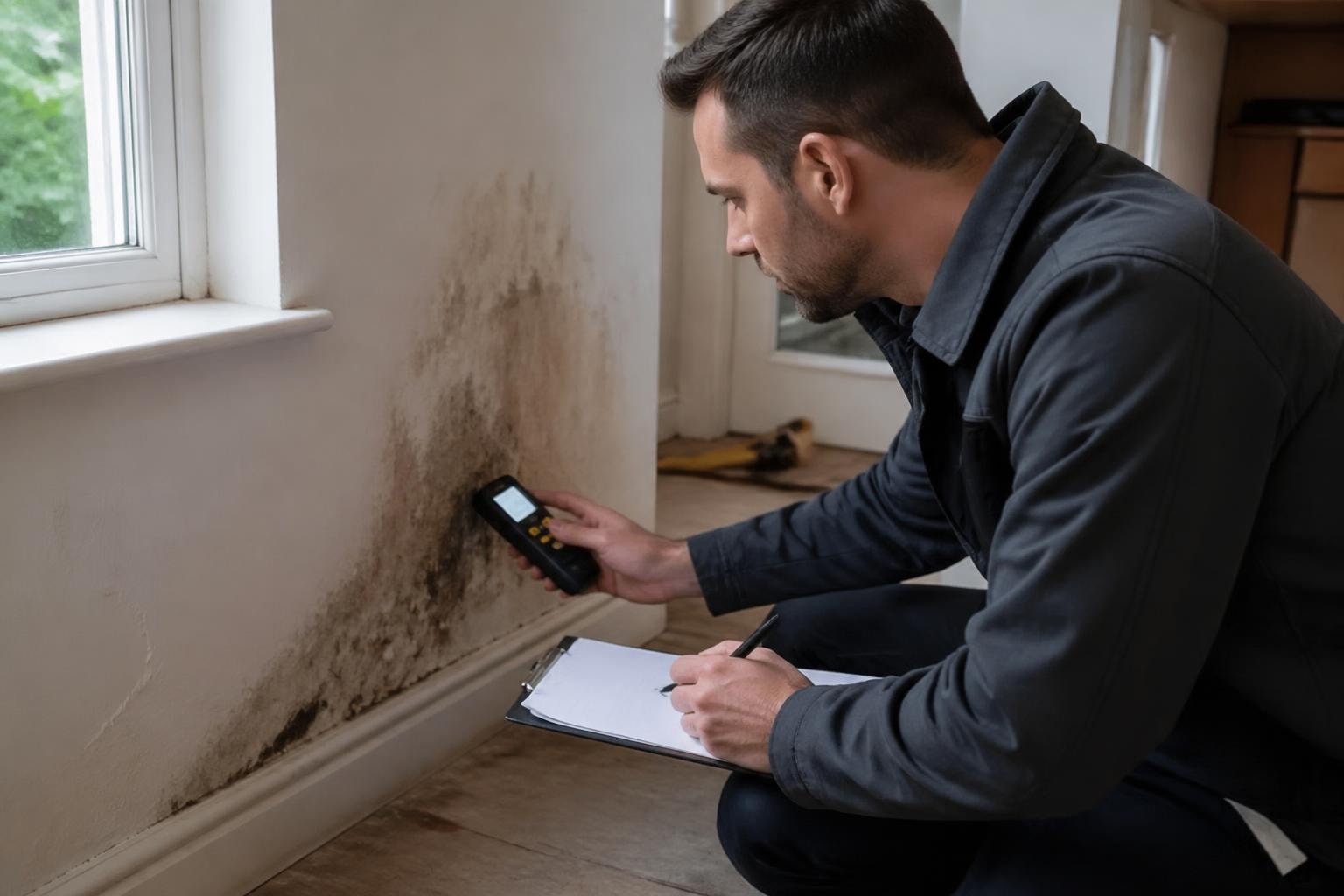
Property dampness represents one of the most common and potentially damaging issues facing UK homeowners, yet many fail to recognise the severity until significant deterioration occurs. A professional damp survey provides the comprehensive diagnostic assessment necessary to identify moisture sources, evaluate damage extent, and recommend appropriate remediation strategies. Understanding what this specialised inspection entails enables property owners to make informed decisions about protecting their investment and maintaining healthy living environments.
Understanding the Purpose of Expert Moisture Assessment
A professional damp survey serves multiple critical functions beyond simply identifying wet patches on walls. This systematic evaluation examines the entire property to determine moisture ingress patterns, structural vulnerabilities, and potential health hazards. Unlike superficial DIY checks, qualified surveyors employ calibrated equipment and industry expertise to distinguish between different damp types and trace problems to their root causes.
The financial implications of undiagnosed dampness extend far beyond immediate repair costs. Persistent moisture accelerates timber decay, compromises structural integrity, and creates ideal conditions for mould proliferation. Early detection through professional assessment prevents minor issues escalating into major renovation projects costing thousands of pounds.
Types of Dampness Requiring Professional Investigation
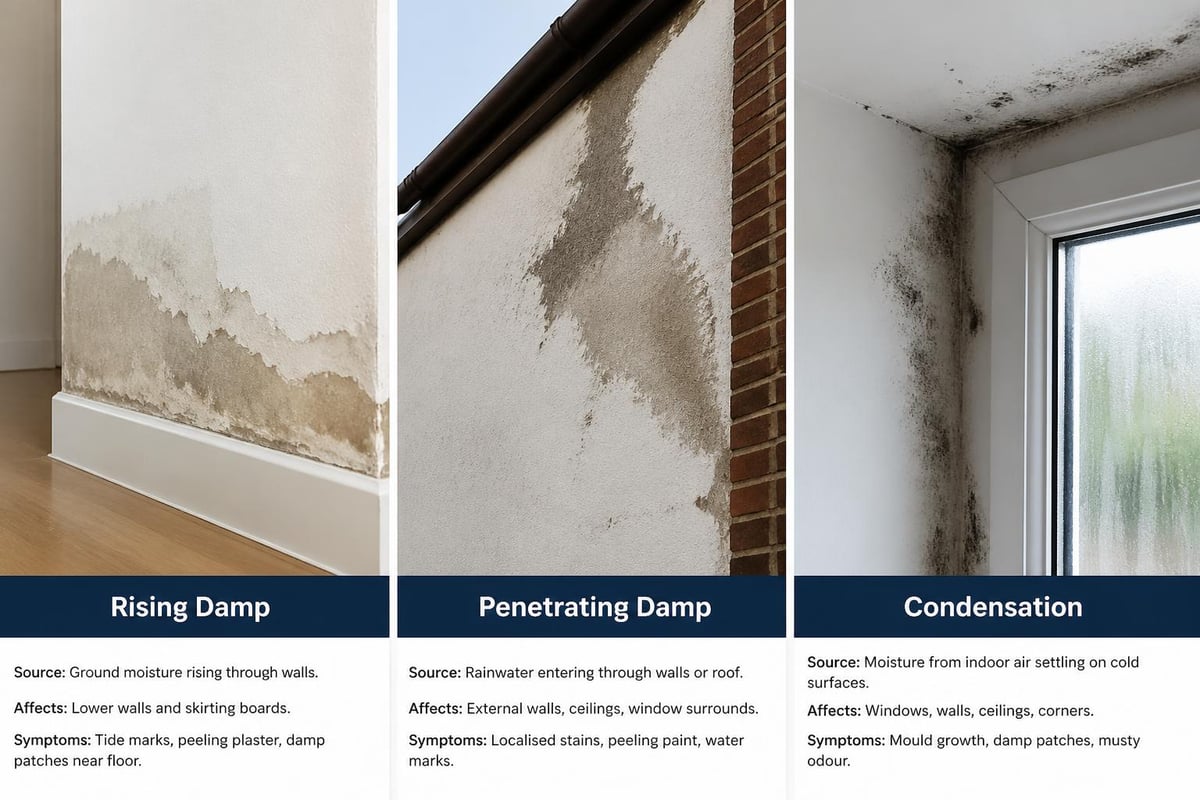
Understanding the distinct categories of moisture intrusion helps property owners recognise when specialist intervention becomes necessary. Each type presents unique characteristics and demands specific treatment approaches.
Rising Damp occurs when groundwater travels upward through porous building materials via capillary action. This phenomenon typically affects ground floor walls, creating tide marks and salt deposits at characteristic heights. Modern properties incorporate damp-proof courses (DPC), but older buildings or those with compromised barriers remain vulnerable.
Penetrating Damp results from external water breaching the building envelope through defective roofing, damaged guttering, or porous walls. Unlike rising damp, penetrating moisture can affect any elevation and often worsens during heavy rainfall.
Condensation stems from internal moisture-laden air contacting cold surfaces, causing water droplets to form. Whilst seemingly less serious, chronic condensation promotes mould growth and fabric deterioration, particularly in poorly ventilated spaces.
What Comprehensive Dampness Inspections Include
A thorough professional damp survey follows structured methodologies to ensure no potential moisture source escapes detection. The steps involved in a professional damp survey encompass both visual examination and instrumental assessment, creating a complete picture of property conditions.
Initial Visual Assessment
Experienced surveyors begin by examining external building elements for obvious defects. This includes inspecting:
- Roof condition and tile integrity
- Gutter functionality and downpipe connections
- External wall rendering and pointing
- Ground levels relative to DPC position
- Window and door seals
- Basement or cellar conditions
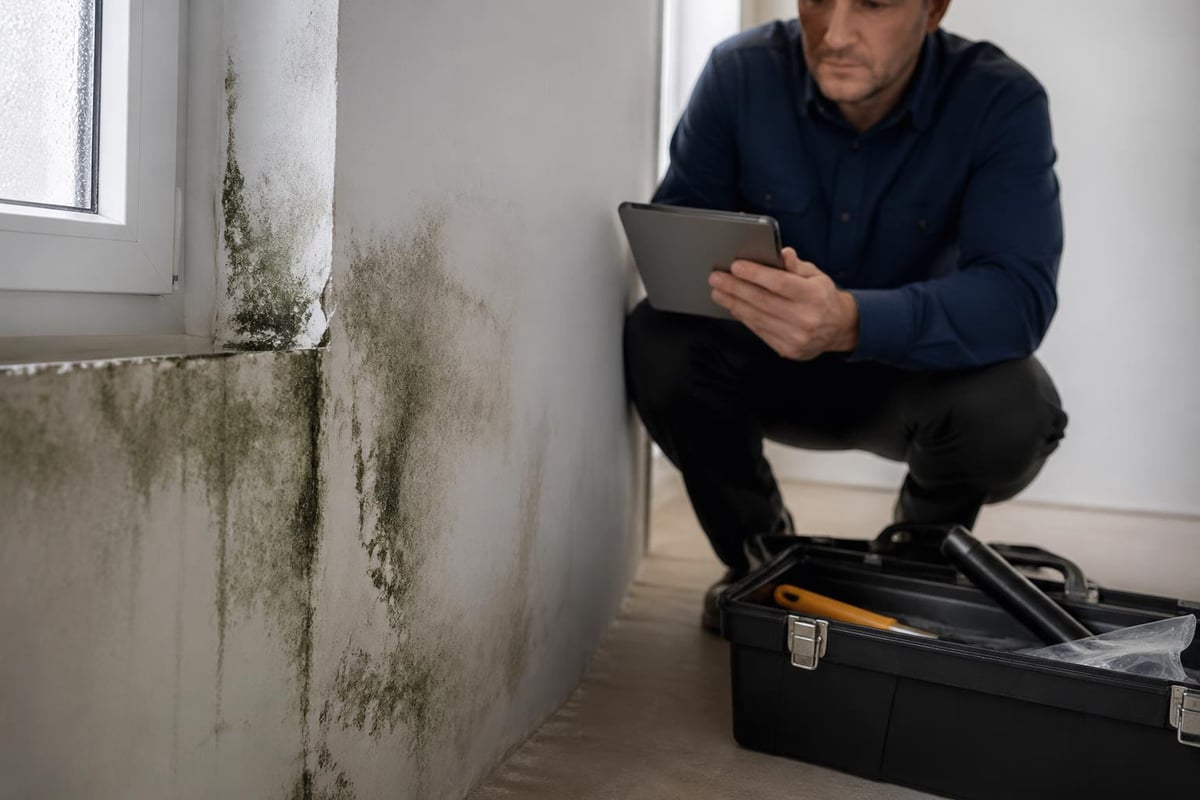
Internal inspection focuses on identifying visible damp indicators such as discoloured plasterwork, peeling wallpaper, musty odours, and mould growth. Surveyors note patterns suggesting specific moisture sources and areas requiring instrumental investigation.
Specialist Equipment Deployment
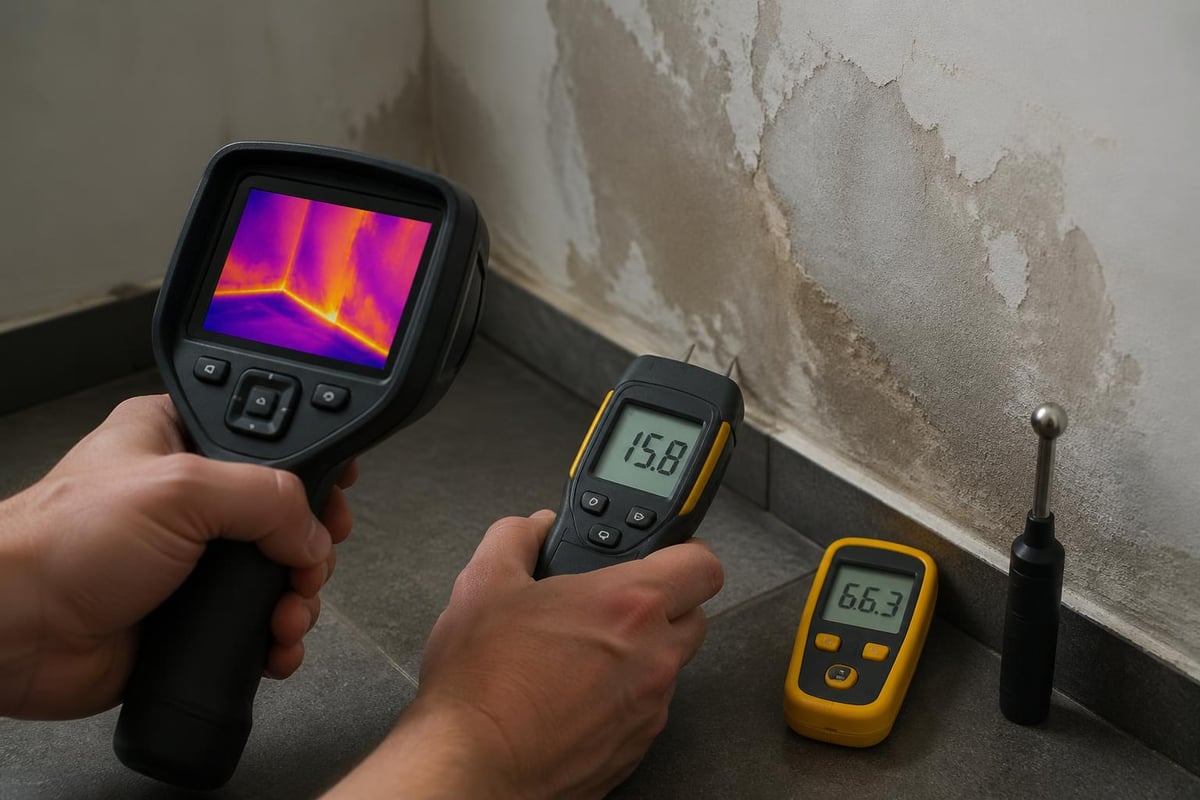
Modern moisture detection employs sophisticated instruments providing quantifiable data about material water content. These tools distinguish between surface dampness and deep-seated moisture, preventing misdiagnosis.
| Equipment Type | Function | Application |
|---|---|---|
| Moisture Meters | Measure electrical resistance or capacitance in materials | Initial moisture content assessment |
| Hygrometers | Record air humidity and temperature | Identify condensation risk areas |
| Thermal Imaging Cameras | Detect temperature variations indicating moisture | Locate hidden damp behind finishes |
| Carbide Meters | Provide precise moisture percentage readings | Confirm moisture meter findings |
Qualified professionals understand equipment limitations and cross-reference readings to avoid false positives from salts or other contaminants affecting measurements.
Documentation and Analysis
Throughout the inspection, surveyors photograph affected areas, record instrument readings, and note building characteristics influencing moisture behaviour. This meticulous documentation supports accurate diagnosis and provides baseline data for monitoring treatment effectiveness.
The analytical phase correlates findings to determine causation. Understanding what goes into a damp survey reveals how surveyors consider building age, construction methods, previous alterations, and environmental factors when formulating conclusions.
Interpreting Survey Reports and Recommendations
The final report represents the tangible outcome of a professional damp survey, translating technical findings into actionable insights. Well-structured reports balance technical accuracy with accessibility, enabling property owners to understand issues without specialist knowledge.
Essential Report Components
Comprehensive survey documentation should contain specific sections addressing different aspects of the investigation:
- Property description - Basic details including address, construction type, and age
- Methodology statement - Equipment used and inspection approach
- Findings summary - Clear identification of damp types and locations
- Photographic evidence - Visual documentation supporting conclusions
- Root cause analysis - Explanation of why dampness occurs
- Remediation recommendations - Specific treatments addressing identified issues
- Cost estimates - Approximate figures for suggested works
- Urgency ratings - Priority classification for recommended actions
What a professional damp survey should include extends beyond problem identification to encompass preventative advice and maintenance recommendations.
Avoiding Common Misinterpretation Pitfalls
Property owners often struggle to distinguish between urgent structural concerns and cosmetic issues requiring minimal intervention. Professional surveys should clearly differentiate severity levels, preventing unnecessary alarm or complacency.
Beware of reports recommending extensive chemical injection treatments for every damp indication. Reputable surveyors recognise that many moisture problems resolve through improved ventilation, minor repairs, or enhanced drainage, making invasive interventions unnecessary.
Selecting Qualified Survey Professionals
The quality of a professional damp survey depends entirely upon the surveyor's competence, experience, and integrity. Unfortunately, the sector attracts unscrupulous operators exploiting homeowner anxiety to promote unnecessary treatments.
Verifying Credentials and Accreditation
Legitimate dampness specialists hold relevant qualifications and professional memberships demonstrating technical competence. Look for affiliations with recognised bodies such as the Property Care Association (PCA), Royal Institution of Chartered Surveyors (RICS), or Chartered Institute of Building (CIOB).
Independent surveyors offering assessment without obligatory remediation contracts typically provide more objective advice than companies linking surveys to treatment services. This separation prevents conflicts of interest influencing recommendations.
Questions for Prospective Surveyors
Before commissioning a professional damp survey, establish the surveyor's credentials and approach:
- What qualifications and experience do you possess in moisture diagnostics?
- Which equipment and testing methods will you employ?
- Do you provide reports independent of remediation obligations?
- Can you supply references from recent clients?
- What does your survey fee include?
For comprehensive moisture diagnostics, services such as professional damp surveys utilise advanced equipment whilst maintaining independence from remediation pressures, ensuring objective assessments.
Cost Considerations and Value Assessment
Investment in a professional damp survey typically ranges from £150 to £600 depending upon property size, complexity, and surveyor qualifications. Understanding damp survey costs helps property owners budget appropriately whilst recognising that thorough investigation prevents costly misdiagnosis.
Factors Influencing Survey Pricing
Several variables affect professional damp survey costs:
Property size directly impacts inspection time and report complexity. Larger properties with multiple moisture concerns require extended assessment periods and more comprehensive documentation.
Access difficulties increase survey costs when inspecting basements, loft spaces, or properties with restricted entry points requiring specialist equipment.
Survey depth varies between basic moisture checks and comprehensive investigations including destructive testing, laboratory analysis, or specialist consultancy. Match survey specification to requirements rather than automatically selecting the cheapest option.
Recognising False Economy in Cheap Inspections
Heavily discounted or free surveys often serve as marketing tools for predetermined treatment packages. These assessments may overstate problems, recommend unnecessary interventions, or miss underlying causes through superficial investigation.
Genuine professional damp surveys prioritise accurate diagnosis over sales generation. The modest upfront investment protects against inappropriate treatments costing thousands whilst failing to resolve actual moisture sources.
Timing Your Property Moisture Assessment
Strategic scheduling enhances professional damp survey effectiveness by ensuring inspections occur when conditions reveal maximum information. Avoiding common damp survey mistakes includes selecting appropriate assessment timing.
Optimal Seasonal Considerations
Winter and early spring typically present ideal conditions for identifying penetrating damp and condensation issues. Increased rainfall and temperature differentials exacerbate these problems, making detection straightforward.
However, summer inspections still provide value for assessing rising damp and structural defects, particularly when scheduling remediation for dry weather completion.
Property Transaction Timing
Pre-purchase surveys enable buyers to negotiate property prices reflecting remediation costs or withdraw from transactions involving severe dampness. Sellers benefit from identifying and addressing moisture issues before marketing, preventing delayed completions or reduced offers.
Post-purchase surveys help new owners establish accurate baselines and prioritise maintenance expenditure effectively.
Regulatory Compliance and Health Implications
Beyond property preservation, professional damp surveys address regulatory obligations and health protection responsibilities. Landlords face particular scrutiny regarding moisture management under housing health and safety legislation.
Landlord Obligations Under Housing Standards
The Housing Health and Safety Rating System (HHSRS) classifies dampness and mould as Category 1 hazards when posing serious health risks. Local authorities can issue improvement notices compelling landlords to remedy deficient properties.
Regular professional damp surveys demonstrate due diligence in maintaining rental properties to required standards, protecting landlords from enforcement action whilst safeguarding tenant wellbeing.
Health Risks Requiring Professional Investigation
Persistent dampness creates environments supporting mould colonisation, dust mites, and bacterial growth. Occupants, particularly those with respiratory conditions, allergies, or compromised immunity, face increased health risks from prolonged exposure.
| Health Impact | Damp-Related Cause | Affected Groups |
|---|---|---|
| Respiratory problems | Mould spore inhalation | Asthma sufferers, children |
| Allergic reactions | Dust mite proliferation | Allergy-prone individuals |
| Infections | Bacterial contamination | Immunocompromised persons |
| Mental health effects | Living environment quality | All occupants |
Professional assessment identifies moisture problems before health consequences manifest, enabling preventative intervention.
Implementing Survey Recommendations Effectively
Receiving a professional damp survey report represents the beginning rather than conclusion of the moisture management process. How surveyors check for damp provides the diagnostic foundation, but translating recommendations into effective remediation requires careful planning.
Prioritising Remediation Actions
Not all survey findings demand immediate intervention. Categorise recommendations by urgency and budget accordingly:
Critical issues threatening structural integrity or health safety require prompt attention regardless of cost. These include failed damp-proof courses, significant timber decay, or extensive mould growth.
Important improvements addressing active moisture ingress should follow quickly but allow time for contractor selection and scheduling. Examples include gutter repairs, repointing, or ventilation enhancement.
Preventative measures suggested to avoid future problems can be implemented during routine maintenance cycles, spreading costs over extended periods.
Verifying Treatment Effectiveness
Following remediation, monitoring confirms that interventions successfully addressed moisture sources. Professional surveyors can conduct follow-up assessments comparing baseline readings against post-treatment measurements.
Continuing dampness despite treatment implementation suggests incorrect diagnosis, inadequate workmanship, or additional unidentified moisture sources requiring further professional investigation.
Long-Term Moisture Management Strategies
A professional damp survey provides a snapshot of property conditions at a specific moment, but effective moisture control requires ongoing vigilance. Developing systematic approaches to dampness prevention protects property values whilst minimising remediation costs.
Establishing Regular Inspection Routines
Property owners should conduct informal moisture checks quarterly, examining areas highlighted in professional surveys plus seasonal trouble spots. Early detection of new dampness enables minor interventions preventing major problems.
Schedule comprehensive professional reassessments every three to five years, or following significant building alterations, severe weather events, or suspected new moisture intrusion.
Proactive Prevention Measures
Simple maintenance activities significantly reduce dampness risk:
- Clean gutters and downpipes biannually
- Maintain adequate ventilation in kitchens, bathrooms, and utility rooms
- Address minor defects promptly before moisture penetration occurs
- Monitor humidity levels using affordable hygrometers
- Ensure adequate heating during cold periods
These straightforward practices complement professional damp surveys by maintaining the improvements achieved through remediation whilst preventing new moisture problems developing.
Protecting your property from moisture damage begins with accurate professional assessment identifying problems before they escalate into serious structural or health concerns. A comprehensive professional damp survey delivers the detailed diagnostic information necessary for effective remediation planning and long-term moisture management. Mouldsurv Ltd provides expert dampness inspections across Essex, London, and Kent, combining advanced diagnostic equipment with industry expertise to deliver accurate, independent assessments that protect your property investment and ensure healthy living environments for years to come.