Property owners across the UK face increasing challenges with mould contamination, making professional assessment more critical than ever. A mould survey represents a systematic approach to identifying, analysing, and documenting fungal growth within buildings, providing essential data for remediation planning and compliance purposes. Whether you're a homeowner, landlord, or commercial property manager, understanding the scope and value of comprehensive mould assessments can protect both your investment and occupant health.
Understanding What a Mould Survey Entails
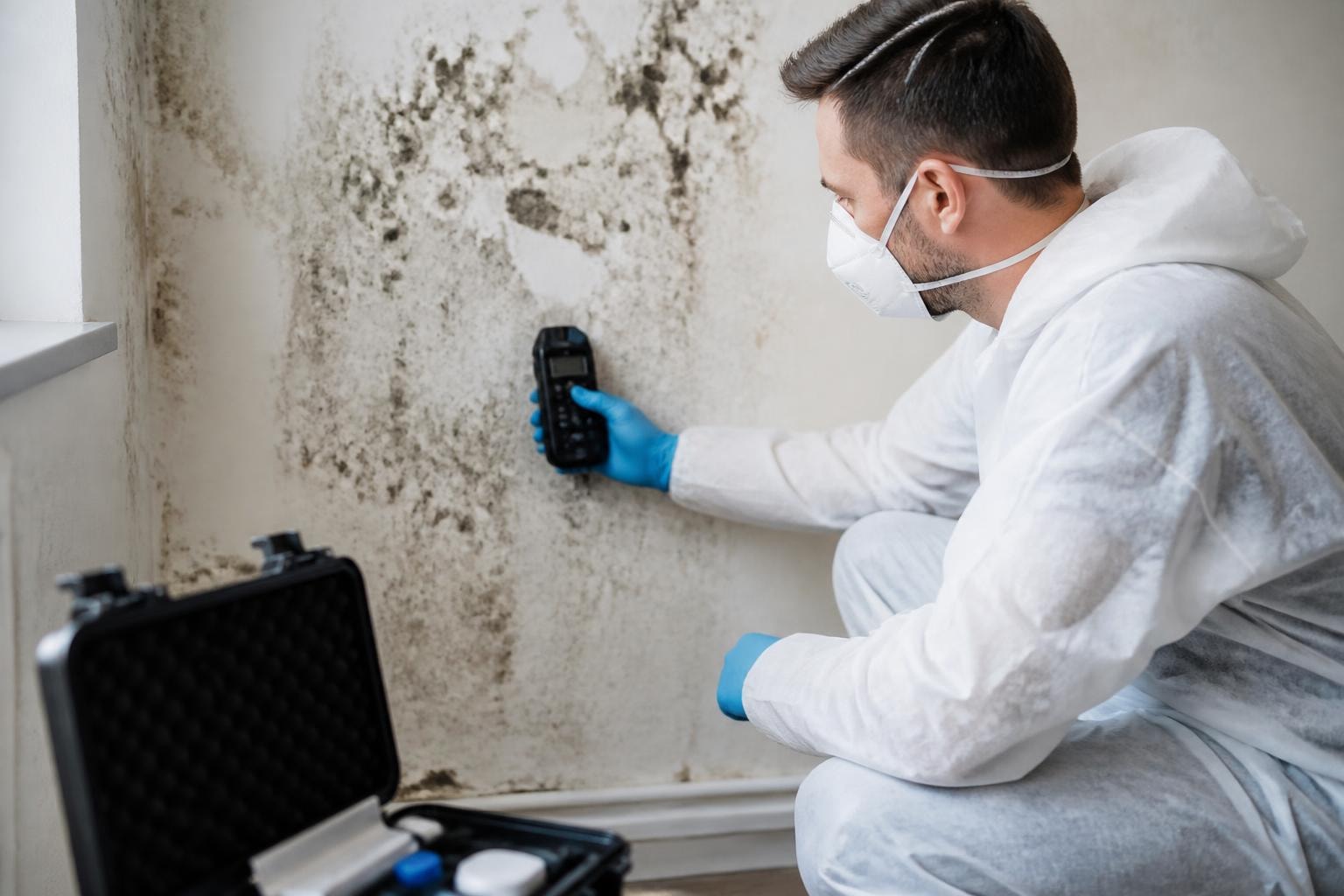
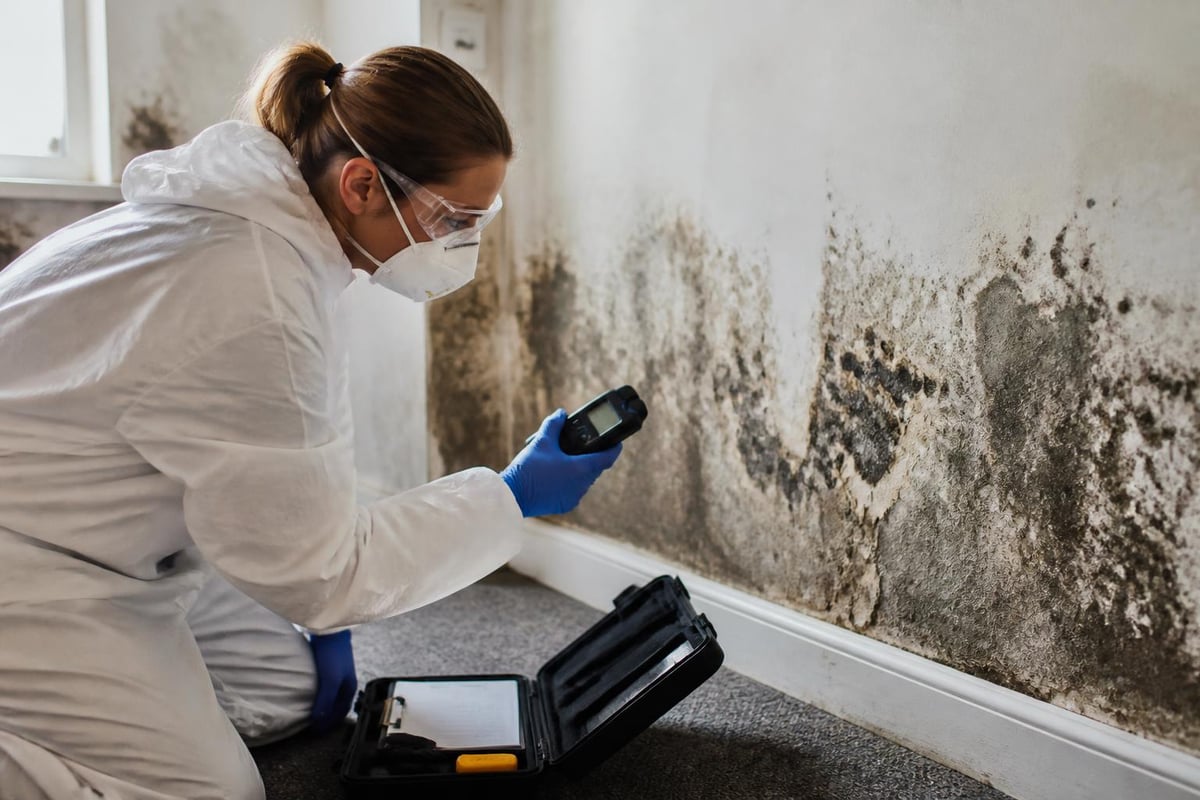
A mould survey is fundamentally different from a casual inspection or superficial observation. This structured process involves trained professionals using specialized equipment to detect visible and hidden mould growth, identify moisture sources, and assess the extent of contamination throughout a property.
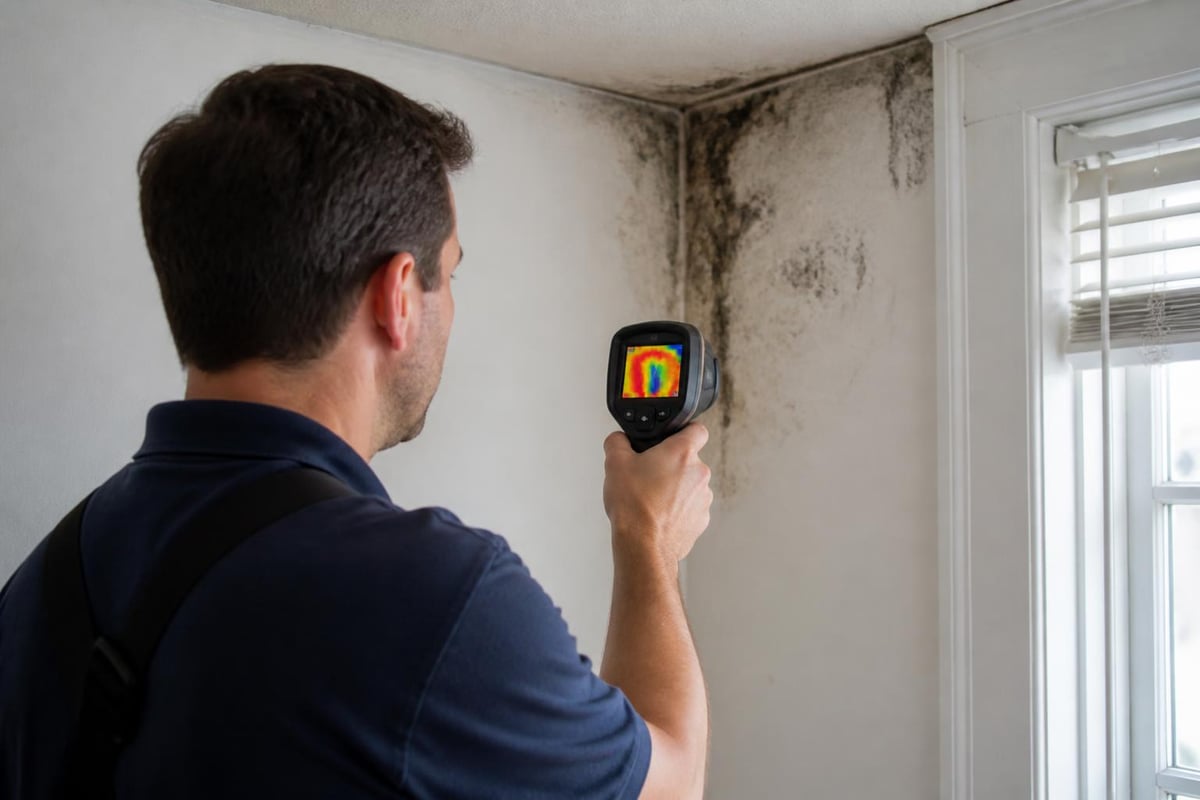
The assessment typically begins with a detailed visual examination of all accessible areas, including spaces often overlooked during routine maintenance. Surveyors examine walls, ceilings, floors, and concealed spaces such as roof voids, underfloor areas, and behind fixed furniture. They document conditions using photography, thermal imaging, and moisture meters to build a complete picture of the property's condition.
Key Components of Professional Mould Assessments
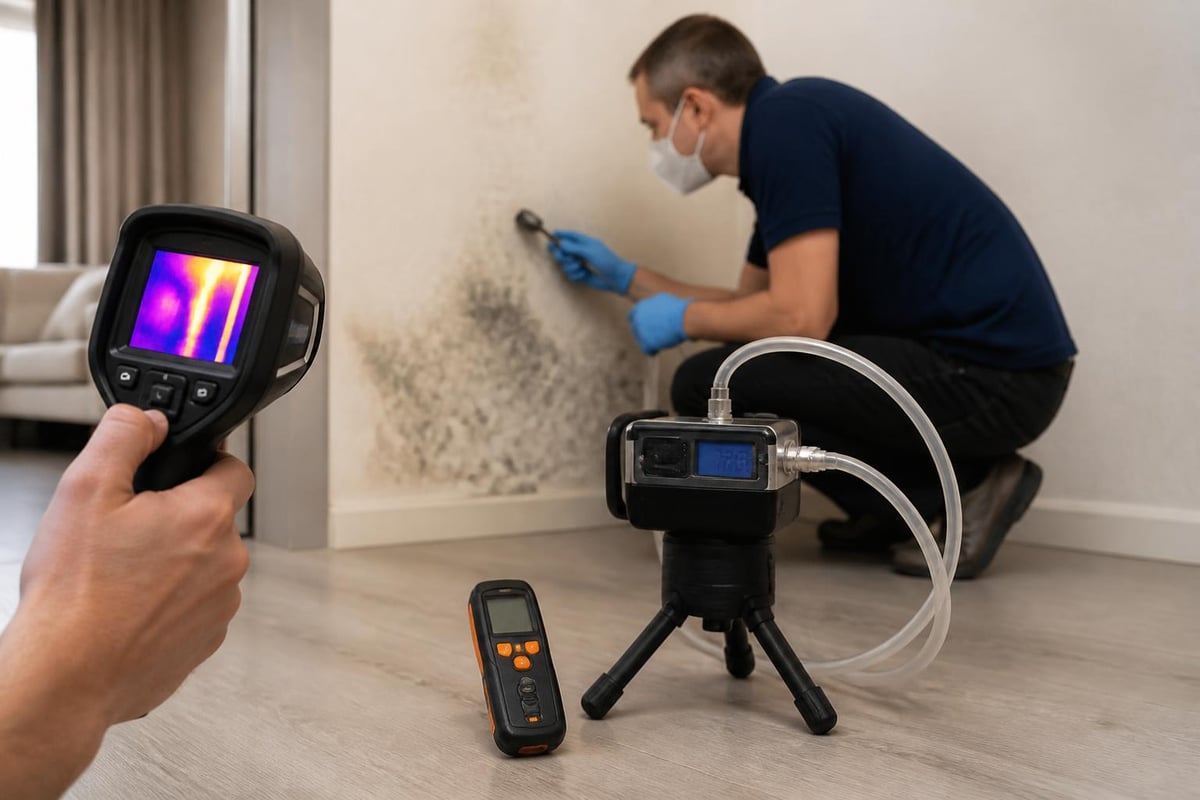
Modern surveys incorporate multiple diagnostic techniques to ensure thorough coverage:
- Visual inspection of all accessible surfaces and structural elements
- Moisture mapping using calibrated meters and thermal imaging cameras
- Air sampling to measure airborne spore concentrations
- Surface sampling from suspected contamination areas
- Environmental monitoring of temperature and relative humidity levels
- Laboratory analysis of collected samples for species identification
These combined methods provide quantifiable data rather than subjective observations. The Canadian Centre for Occupational Health and Safety provides guidelines that emphasize the importance of comprehensive inspection methods in identifying mould hazards.
Why Property Owners Need Mould Surveys
The necessity for professional surveys extends beyond visible mould patches on walls. Hidden contamination within building cavities, behind fixtures, or under flooring can compromise structural integrity and indoor air quality without obvious external signs.
Health and Safety Considerations
Research has demonstrated significant health impacts associated with mould exposure. A qualitative study examining mould-affected housing revealed serious health and social consequences for occupants, highlighting why early detection through surveys is crucial.
Prolonged exposure to mould spores can trigger:
- Respiratory problems including asthma exacerbation
- Allergic reactions and skin irritation
- Persistent coughing and throat irritation
- Headaches and fatigue
- Immune system complications in vulnerable individuals
A proper mould survey identifies these risks before they escalate into serious health concerns, providing documented evidence for necessary remediation work.
Legal and Compliance Requirements
UK landlords and property managers face strict obligations under various regulations including the Housing Health and Safety Rating System (HHSRS) and the Homes (Fitness for Human Habitation) Act 2018. A professional survey demonstrates due diligence in maintaining safe living conditions and can protect property owners from potential litigation.
The Mould Survey Process Explained
Understanding the systematic approach professionals take helps property owners prepare adequately and interpret findings correctly.
Initial Consultation and Property History
Before conducting physical inspections, surveyors gather essential background information about the property. This includes construction date, previous water damage incidents, heating and ventilation systems, and any occupant health complaints. Historical data helps identify likely problem areas and informs the survey strategy.
On-Site Investigation Methodology
The physical inspection typically follows a structured protocol:
| Survey Stage | Duration | Purpose |
|---|---|---|
| Exterior assessment | 30-60 minutes | Identify external moisture sources and structural issues |
| Interior visual inspection | 1-3 hours | Document visible mould and conditions conducive to growth |
| Moisture detection | 1-2 hours | Map dampness patterns using diagnostic equipment |
| Sample collection | 30-60 minutes | Gather air and surface samples for laboratory analysis |
| Documentation | 30 minutes | Complete photographic records and site notes |
Advanced diagnostic tools such as thermal imaging cameras reveal temperature differentials indicating hidden moisture accumulation behind walls or above ceilings. These non-invasive techniques prevent unnecessary property damage whilst providing crucial diagnostic information.
Laboratory Analysis and Species Identification
Collected samples undergo laboratory examination to identify specific mould species present and quantify contamination levels. This analysis is particularly important because different mould types pose varying health risks and require specific remediation approaches.
Research assessing the validity of measuring spore counts has examined the reliability of such methods in building assessments, though challenges remain in establishing universal threshold values.
The laboratory component typically includes:
- Spore count analysis determining concentration levels in air samples
- Species identification through microscopic examination
- Viability testing to distinguish between active and dormant colonies
- Toxicity assessment for potentially hazardous species
Results are interpreted against established guidelines and compared to outdoor baseline readings to determine if indoor contamination exceeds normal environmental levels.
Types of Mould Surveys Available
Not all properties require identical assessment approaches. Survey scope and methodology vary based on property type, contamination severity, and intended use of findings.
Basic Visual Surveys
These entry-level assessments focus on identifying obvious mould growth and moisture problems through visual inspection and basic moisture detection. Suitable for small residential properties with localized issues, basic surveys provide preliminary findings without extensive sampling or laboratory work.
Comprehensive Sampling Surveys
For properties with suspected widespread contamination or where occupant health concerns exist, comprehensive surveys incorporate extensive air and surface sampling. Multiple samples from different locations provide detailed contamination mapping and species identification, essential for developing targeted remediation strategies.
When considering mould assessment services, property owners should discuss which survey level suits their specific circumstances and budget requirements.
Post-Remediation Verification Surveys
Following mould removal work, verification surveys confirm successful remediation and clearance for reoccupation. These assessments use the same sampling techniques as initial surveys, comparing results against established clearance criteria to ensure contamination has been eliminated rather than merely concealed.
Interpreting Survey Results and Reports
Professional survey reports translate technical findings into actionable recommendations. Understanding report structure and terminology helps property owners make informed decisions about necessary remediation work.
Standard Report Components
Comprehensive reports typically include:
- Executive summary highlighting key findings and urgent concerns
- Methodology section explaining inspection and sampling techniques
- Detailed findings with photographic evidence and measurements
- Laboratory results presenting spore counts and species identification
- Risk assessment evaluating health and structural implications
- Remediation recommendations outlining necessary corrective actions
- Preventative guidance for avoiding future contamination
Reports should clearly distinguish between current mould growth requiring immediate attention and conditions conducive to future problems if left unaddressed.
Understanding Contamination Severity Levels
Surveyors categorize findings using standardized classification systems:
| Contamination Level | Surface Area | Typical Response |
|---|---|---|
| Level 1 (Minor) | Less than 1m² | Routine cleaning by maintenance staff |
| Level 2 (Moderate) | 1-3m² | Specialist cleaning with containment measures |
| Level 3 (Major) | Greater than 3m² | Professional remediation with full containment |
These classifications help prioritize remediation efforts and allocate appropriate resources. However, even small contaminated areas involving toxic species may warrant professional intervention regardless of size.
Cost Considerations for Mould Surveys
Investment in professional surveys varies significantly based on property size, complexity, and required analysis depth. Understanding cost factors helps property owners budget appropriately and avoid unnecessary expenses.
Factors Affecting Survey Pricing
Several variables influence the total cost of a mould survey:
- Property size measured in square metres or number of rooms
- Accessibility challenges requiring specialized equipment or scaffolding
- Number of samples collected for laboratory analysis
- Laboratory testing complexity including species identification and toxicity screening
- Report detail level from basic findings to comprehensive documentation
- Geographic location affecting travel time and regional pricing variations
Basic visual surveys for small residential properties might start from several hundred pounds, whilst comprehensive sampling surveys for large commercial buildings can exceed several thousand pounds.
Value Beyond Immediate Cost
Whilst surveys represent an upfront expense, they frequently save money by preventing more costly problems. Early detection allows targeted interventions before contamination spreads, structural damage occurs, or health complaints escalate into litigation.
Consider also that research using mould concentrations in house dust as indicators of hidden moisture damage demonstrates how professional assessment can reveal problems invisible during casual observation.
Common Mould Survey Findings Across UK Properties
Certain conditions and contamination patterns appear repeatedly in residential and commercial properties throughout Essex, London, and Kent.
Typical Problem Areas
Surveyors most frequently identify mould growth in:
- Bathroom ceilings and corners due to inadequate ventilation and steam accumulation
- Window frames and reveals where condensation forms on cold surfaces
- External wall surfaces affected by penetrating dampness or thermal bridging
- Roof spaces experiencing condensation from inadequate insulation or ventilation
- Below-ground areas including basements and cellars with rising dampness
Understanding these common locations helps property owners conduct preliminary assessments and identify when professional surveys are warranted.
Underlying Causes Revealed
Beyond documenting visible mould, surveys identify root causes requiring correction:
- Inadequate ventilation preventing moisture dispersal from daily activities
- Thermal bridging creating cold spots where condensation forms
- Plumbing leaks introducing persistent moisture into building fabric
- Defective rainwater goods allowing external water penetration
- Rising dampness from failed or absent damp-proof courses
- Building defects including damaged roofs or deteriorated pointing
Effective remediation addresses these underlying issues rather than simply removing visible growth, preventing recurrence and ensuring long-term resolution.
Selecting the Right Mould Survey Provider
The quality and value of a mould survey depends heavily on the competence and credentials of the conducting organization. Property owners should carefully evaluate potential providers before commissioning work.
Essential Qualifications and Certifications
Reputable survey providers should demonstrate:
- Relevant industry certifications from recognized professional bodies
- Technical qualifications in building pathology, microbiology, or environmental health
- Professional indemnity insurance protecting clients against errors or omissions
- UKAS-accredited laboratory partnerships ensuring analytical accuracy
- Documented methodologies following industry best practices and standards
Request evidence of these credentials before engaging services, and verify professional memberships with issuing organizations.
Questions to Ask Potential Providers
Before commissioning a mould survey, clarify important details:
- What specific areas will the survey cover, and are there accessibility limitations?
- How many samples will be collected, and what laboratory tests will be performed?
- What is the expected timeframe for receiving the completed report?
- Are follow-up consultations included to explain findings and recommendations?
- Does the provider offer remediation services, or are they independent assessors?
The final question is particularly important. Some property owners prefer independent surveyors who don't profit from subsequently selling remediation work, avoiding potential conflicts of interest.
Acting on Survey Findings
Receiving a comprehensive report represents the beginning rather than the conclusion of addressing mould problems. Effective action requires prioritizing recommendations and engaging appropriate specialists for remediation work.
Prioritizing Remediation Actions
Not all survey findings demand immediate action with equal urgency. Prioritization should consider:
| Priority Level | Criteria | Typical Timeline |
|---|---|---|
| Critical | Significant health risks or structural concerns | Immediate action required |
| High | Active contamination in occupied spaces | Within 1-2 weeks |
| Medium | Conditions conducive to growth without current problems | Within 1-3 months |
| Low | Minor preventative measures or monitoring recommendations | Ongoing maintenance |
This structured approach ensures resources target the most serious concerns whilst developing a comprehensive plan for long-term property health.
Engaging Professional Remediation Services
Once priorities are established, qualified specialists should perform the actual removal and correction work. Professional mould removal and remediation services following industry best practices ensure contamination is safely eliminated rather than disturbed and spread.
Remediation typically involves containment measures preventing spore dispersal, removal of contaminated materials, treatment of affected surfaces, HEPA filtration of work areas, and addressing underlying moisture sources. Following completion, verification surveys confirm successful clearance before reoccupation.
Prevention Strategies Following Survey Completion
Successful mould management extends beyond remediation to implementing preventative measures that maintain healthy indoor environments long-term.
Environmental Control Measures
Key prevention strategies include:
- Adequate ventilation through mechanical extraction or passive airflow systems
- Humidity management maintaining relative humidity below 60%
- Prompt leak repairs addressing plumbing or building envelope failures immediately
- Regular maintenance of gutters, downpipes, and external building fabric
- Appropriate heating preventing cold surface condensation during winter months
These measures create conditions inhospitable to mould growth whilst maintaining comfortable, healthy indoor environments.
Ongoing Monitoring and Maintenance
Following remediation, periodic monitoring helps detect any recurrence early:
- Visual inspections of previously affected areas monthly
- Humidity monitoring using digital hygrometers in vulnerable rooms
- Annual professional surveys for high-risk properties or sensitive occupancies
- Immediate investigation of any musty odours or visible growth
- Documentation of all observations creating a property health history
This proactive approach prevents small problems escalating into major contamination requiring extensive remediation work.
The Future of Mould Survey Technology
Emerging technologies promise more accurate, efficient, and less invasive mould detection methods in coming years.
Innovative Detection Methods
Research continues developing new diagnostic approaches:
- Electronic nose technology detecting volatile organic compounds produced by mould growth
- Advanced thermal imaging with higher resolution and sensitivity
- Drone-based inspections for difficult-to-access areas like tall buildings or pitched roofs
- Artificial intelligence analysing patterns across multiple data sources for improved diagnosis
- Real-time monitoring systems providing continuous environmental data and early warnings
These innovations will likely make surveys faster, more comprehensive, and better able to detect hidden contamination before visible growth appears.
Evolving Standards and Regulations
UK building standards continue evolving to address moisture and mould concerns more comprehensively. Property owners should stay informed about regulatory changes affecting their obligations and industry best practices for assessment and remediation.
The mould survey industry adapts alongside these developments, incorporating new requirements into standard methodologies and ensuring compliance with emerging legislation.
Professional mould surveys provide essential insights that protect property value, occupant health, and regulatory compliance through systematic assessment and documentation of contamination risks. Understanding survey types, methodologies, and interpretation empowers property owners to make informed decisions about when assessments are needed and how to act on findings effectively. Mouldsurv Ltd offers comprehensive mould survey services across Essex, London, and Kent, combining advanced diagnostic equipment with certified expertise to identify contamination and guide effective remediation strategies. Contact their team today to schedule a professional assessment and protect your property investment.