Property owners across the United Kingdom face increasing challenges with mould contamination, particularly as building standards evolve and climate patterns shift. Understanding whether your indoor environment harbours dangerous levels of mould spores requires more than visual inspection alone. Whilst visible growth signals an obvious problem, invisible airborne contamination can pose equally serious health risks. This comprehensive guide explores the science, methodology, and practical applications of mould spore testing, helping you determine when professional analysis becomes essential for protecting your property and occupants.
Understanding Mould Spore Testing Fundamentals
Mould spore testing represents a scientific approach to quantifying fungal contamination within indoor environments. The process involves collecting air or surface samples and analysing them in laboratory settings to identify spore types, concentrations, and potential health implications.
What Makes Spore Testing Different
Unlike simple visual surveys, mould spore testing provides objective data about invisible airborne threats. Every building contains some level of fungal spores, which naturally occur outdoors and drift inside through ventilation systems, windows, and doors. The critical question isn't whether spores exist, but whether indoor concentrations exceed normal outdoor levels.
Professional testing distinguishes between normal background levels and problematic contamination. According to research on measuring spore counts, elevated Penicillium and Aspergillus concentrations consistently indicate dampness problems, making testing particularly valuable for confirming hidden issues.
Key benefits of professional testing include:
- Identification of specific mould species present
- Quantification of spore concentrations
- Comparison between indoor and outdoor levels
- Documentation for insurance claims or legal matters
- Verification of remediation effectiveness
When Testing Becomes Necessary
Determining whether your property requires mould spore testing depends on several factors. Not every situation warrants laboratory analysis, and understanding these distinctions prevents unnecessary expenditure whilst ensuring genuine threats receive appropriate attention.
Visible Growth Scenarios
The Environmental Protection Agency states that visible mould growth typically negates the need for sampling. If you can see substantial fungal colonies, identifying the exact species rarely changes the remediation approach. All mould requires removal regardless of type.
However, exceptions exist where testing proves valuable even with visible contamination:
- Post-remediation verification following professional treatment
- Legal documentation for property disputes or liability cases
- Health concerns when occupants experience unexplained symptoms
- Insurance requirements for claim processing and coverage
- Extent assessment when contamination spreads behind walls
Hidden Contamination Indicators
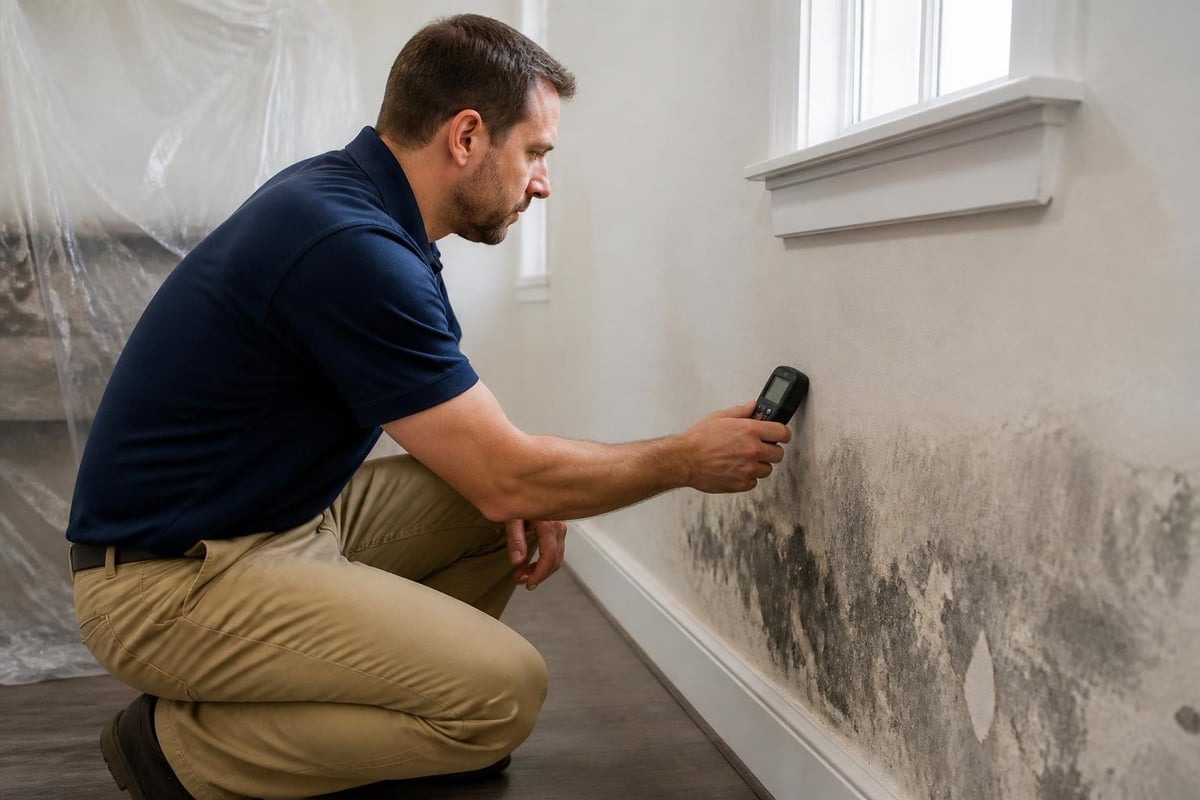
Testing becomes particularly crucial when occupants experience symptoms suggesting mould exposure without visible growth. Persistent musty odours, unexplained respiratory issues, or moisture history following floods or leaks may indicate concealed problems.
| Symptom Category | Common Indicators | Testing Priority |
|---|---|---|
| Respiratory | Persistent coughing, wheezing, nasal congestion | High |
| Allergic | Skin rashes, watery eyes, sneezing | Medium |
| Environmental | Musty odours, previous water damage | High |
| Structural | Discolouration, warping, peeling paint | Medium |
The CDC emphasises that visual inspections often prove more reliable than air sampling for detecting mould problems. However, when visual inspection reveals nothing despite persistent symptoms, Indoor Air Quality Testing provides the objective data necessary for informed decisions.
Testing Methodologies Explained
Multiple approaches exist for collecting and analysing mould samples, each suited to different scenarios and investigation goals. Understanding these methods helps property owners select appropriate testing strategies.
Air Sampling Techniques
Air sampling represents the most common testing approach, capturing airborne spores for laboratory analysis. Two primary methods dominate professional practice:
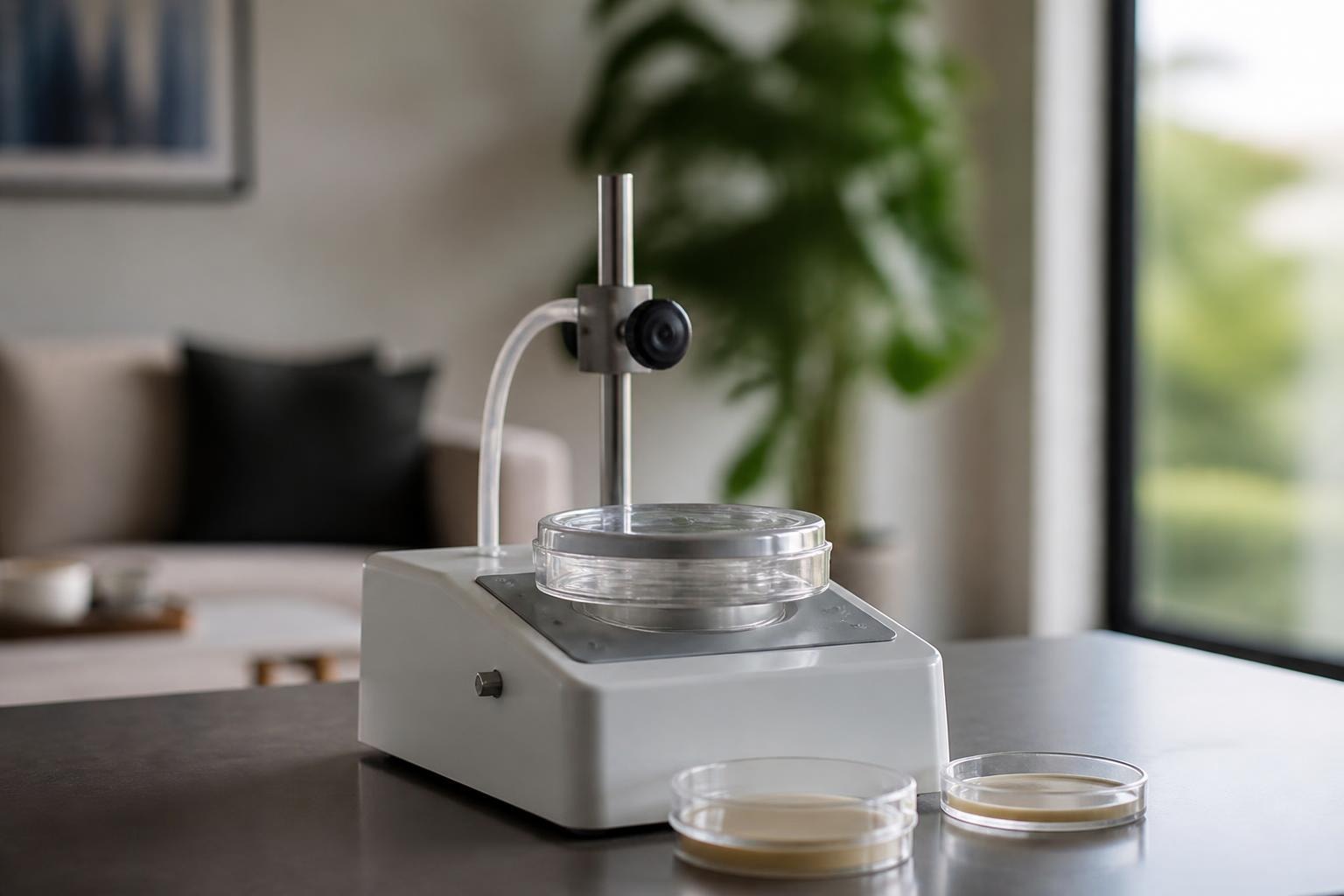
Spore trap sampling draws air through a collection device that captures spores on sticky surfaces or filters. This non-viable method provides rapid results showing total spore counts and types, though it cannot culture living organisms or identify all species definitively.
Viable sampling collects living spores on culture media, allowing laboratory growth and precise identification. Whilst more time-consuming, this approach identifies specific species and determines whether spores remain capable of growth.
Surface Sampling Options
When investigating specific areas or materials, surface sampling offers targeted insights. Three standard techniques include:
- Tape lifts applied directly to suspected contamination
- Swab samples collected from defined surface areas
- Bulk samples involving material removal for laboratory culture
Professional analysts typically combine multiple methods for comprehensive assessment. Detailed guidance from various testing services explains how integrated approaches yield more reliable conclusions than single-method testing.
Interpreting Test Results
Laboratory reports contain technical information requiring proper interpretation. Understanding what results indicate helps property owners make informed remediation decisions.
Spore Count Significance
Reports typically express spore concentrations in counts per cubic metre (spores/m³). Raw numbers mean little without context, making outdoor comparison samples essential. Indoor concentrations exceeding outdoor levels by significant margins suggest internal growth sources.
No UK or international standards establish definitive "safe" spore limits. The EPA confirms that federal standards for mould spore levels don't exist, making professional interpretation crucial. Generally, indoor counts substantially higher than outdoor samples indicate problems requiring attention.

Species Identification Matters
Different mould species present varying health risks and indicate specific moisture conditions. Common indoor moulds include:
| Mould Type | Growth Conditions | Concern Level | Common Locations |
|---|---|---|---|
| Aspergillus | Moderate moisture | Medium-High | HVAC systems, walls |
| Penicillium | High humidity | Medium | Carpets, wallpaper |
| Cladosporium | Various conditions | Low-Medium | Fabrics, wood surfaces |
| Stachybotrys | Persistent wetness | High | Water-damaged materials |
| Alternaria | Damp conditions | Medium | Bathrooms, kitchens |
Stachybotrys, commonly called "black mould," produces mycotoxins and requires immediate professional remediation. However, all elevated spore concentrations warrant corrective action regardless of species.
Cost Considerations and Investment Value
Mould spore testing represents a financial investment that property owners must weigh against potential benefits. Understanding typical costs and value propositions helps inform testing decisions.
UK Pricing Structures
Professional mould spore testing costs vary based on sample numbers, testing methods, and property size. Typical 2026 UK pricing includes:
- Single air sample analysis: £120-£180
- Comprehensive multi-room testing: £350-£600
- Combined air and surface sampling: £250-£450
- Post-remediation verification: £200-£350
Whilst these figures may seem substantial, they pale compared to potential remediation costs, health impacts, or property value losses from unaddressed contamination. Professional testing services emphasise that accurate diagnostics prevent costly misguided remediation efforts.
When Testing Adds Value
Strategic testing proves particularly valuable in specific scenarios where visual assessment falls short. Investment makes strongest sense when:
- Health symptoms suggest exposure but no visible growth exists
- Previous water damage occurred in inaccessible areas
- Property transactions require contamination documentation
- Insurance claims demand objective evidence
- Post-remediation verification confirms treatment success
Conversely, guidance from extension services notes that extensive visible growth requires immediate remediation regardless of testing results, making analysis less valuable in obvious contamination scenarios.
Professional Testing vs DIY Kits
The marketplace offers numerous DIY mould testing kits alongside professional services. Understanding differences helps property owners select appropriate solutions.
Home Testing Kit Limitations
Consumer kits typically cost £30-£80 and promise convenient results. However, significant limitations affect reliability:
Sample collection quality varies dramatically based on user technique. Improper timing, positioning, or handling compromises accuracy. Professional technicians undergo training in standardised collection protocols unavailable to homeowners.
Laboratory analysis depth differs between consumer and professional services. Budget kits may provide basic genus identification without species-level precision or comprehensive spore counts.
Result interpretation presents challenges without expert guidance. DIY reports often lack context about outdoor comparisons, normal ranges, or health implications.
Professional Service Advantages
Certified professionals bring expertise extending beyond sample collection. Comprehensive services include:
- Pre-testing consultations identifying optimal sample locations
- Standardised collection following industry protocols
- Accredited laboratory analysis with quality controls
- Detailed reports with actionable recommendations
- Post-testing consultations explaining results and next steps
Professional remediation specialists often integrate testing into broader assessment and treatment programmes, ensuring consistent approaches from investigation through resolution.

Regulatory and Legal Considerations
UK property owners face increasing regulatory attention regarding mould contamination, particularly in rental properties and commercial buildings. Understanding legal frameworks helps ensure compliance whilst protecting occupant health.
Landlord Obligations
The Housing Health and Safety Rating System (HHSRS) identifies dampness and mould as Category 1 hazards requiring landlord action. Failure to address confirmed mould problems exposes landlords to enforcement action, penalties, and potential tenant claims.
Documentation through professional mould spore testing strengthens legal positions in disputes. Objective laboratory results either confirm problems requiring remediation or demonstrate acceptable conditions, protecting parties through evidence-based conclusions.
Building Standards Impact
Modern building standards emphasising energy efficiency sometimes inadvertently increase mould risks through reduced ventilation. Properties retrofitted with improved insulation without adequate ventilation upgrades frequently develop condensation and subsequent fungal growth.
Testing helps identify whether contamination stems from building defects, maintenance failures, or occupant behaviours. This distinction proves crucial for apportioning responsibility and directing corrective efforts appropriately.
Integration with Broader Investigations
Mould spore testing rarely stands alone as a complete diagnostic tool. Optimal results emerge when integrated with complementary assessment approaches addressing underlying causes.
Moisture Source Identification
Successful remediation requires eliminating moisture sources fuelling fungal growth. Testing identifies contamination presence but doesn't pinpoint water sources. Comprehensive investigations combine:
- Thermal imaging revealing hidden moisture patterns
- Moisture metre readings quantifying material water content
- Visual inspections identifying obvious leaks or condensation
- Building fabric assessment evaluating structural vulnerabilities
Professional surveyors coordinate these elements into cohesive investigations. When visible mould appears limited but testing reveals elevated spore concentrations, moisture mapping becomes essential for locating hidden problems.
Health Correlation Studies
Occupant health complaints sometimes prompt testing to establish exposure connections. Whilst correlation doesn't prove causation, elevated indoor spore concentrations alongside compatible symptoms suggest reasonable associations.
Medical professionals increasingly request environmental testing documentation when treating patients with suspected mould-related illnesses. Laboratory results support clinical assessments and treatment planning, particularly for individuals with asthma, allergies, or compromised immune systems.
Post-Testing Action Planning
Laboratory results provide information, but value emerges through appropriate responses. Translating data into effective action requires strategic planning and prioritisation.
Remediation Prioritisation
Test results showing problematic spore concentrations demand prompt action. Response urgency depends on several factors:
- Contamination severity: Higher spore counts warrant faster intervention
- Species toxicity: Particularly harmful moulds require immediate attention
- Occupant vulnerability: Children, elderly, or immunocompromised individuals face greater risks
- Growth progression: Rapidly expanding contamination demands urgent response
- Structural impact: Material degradation accelerates without intervention
Guidance on addressing contamination emphasises moisture control as the foundation of successful remediation. Removing existing growth without eliminating water sources guarantees recurrence.
Verification Testing Importance
Following remediation, verification testing confirms treatment success. Clearance sampling demonstrates that spore concentrations return to acceptable levels, protecting both property owners and remediation contractors.
Industry best practice recommends waiting 24-48 hours after remediation completion before verification sampling. This interval allows disturbed spores to settle whilst ensuring any remaining growth sources become apparent through renewed elevation.
Emerging Technologies and Future Developments
The mould testing industry continues evolving with technological advancement. Understanding emerging capabilities helps property owners anticipate improved diagnostic options.
Machine Learning Applications
Recent research into predictive algorithms explores machine learning systems forecasting fungal spore concentrations. These technologies potentially enable real-time monitoring and early warning systems, particularly valuable for commercial and industrial applications where contamination impacts operations or products.
Whilst residential applications remain limited in 2026, continued development may eventually provide affordable continuous monitoring options replacing periodic sampling.
Advanced Analysis Methods
Scientific investigations into mould behaviour expand diagnostic possibilities. Studies examining spore characteristics during exposure to various conditions contribute to understanding contamination persistence and remediation effectiveness.
These research advances gradually translate into practical testing improvements, enhancing accuracy, reducing turnaround times, and lowering costs through efficiency gains.
Making Informed Testing Decisions
Property owners confronting potential mould problems must weigh testing benefits against costs whilst considering alternative approaches. Several decision factors warrant consideration:
Symptom severity guides urgency. Serious health impacts justify immediate comprehensive testing, whilst minor concerns might warrant initial visual assessment before laboratory analysis.
Previous history influences decisions. Properties with documented water damage, previous mould problems, or construction defects merit thorough testing despite absence of current visible growth.
Property transaction status affects requirements. Buyers, sellers, and mortgage providers increasingly request contamination documentation, making testing valuable for facilitating smooth transactions.
Budget constraints require realistic assessment. Limited funds might prioritise remediation over testing when visible growth clearly exists, whilst hidden contamination scenarios justify testing investment for targeted treatment.
Professional consultations help navigate these considerations, providing expert perspective on whether specific situations warrant laboratory analysis or alternative approaches better serve property owner interests.
Understanding when and how to conduct mould spore testing empowers property owners to make informed decisions protecting both investment value and occupant health. Whilst not every situation requires laboratory analysis, strategic testing provides invaluable objective data for confirming problems, directing remediation efforts, and verifying treatment success. If you're facing potential mould contamination across Essex, London, or Kent, Mouldsurv Ltd offers comprehensive inspection, testing, and remediation services delivered by UK-certified specialists ensuring full legislative compliance. Contact their team today to schedule a professional assessment tailored to your property's specific needs.