
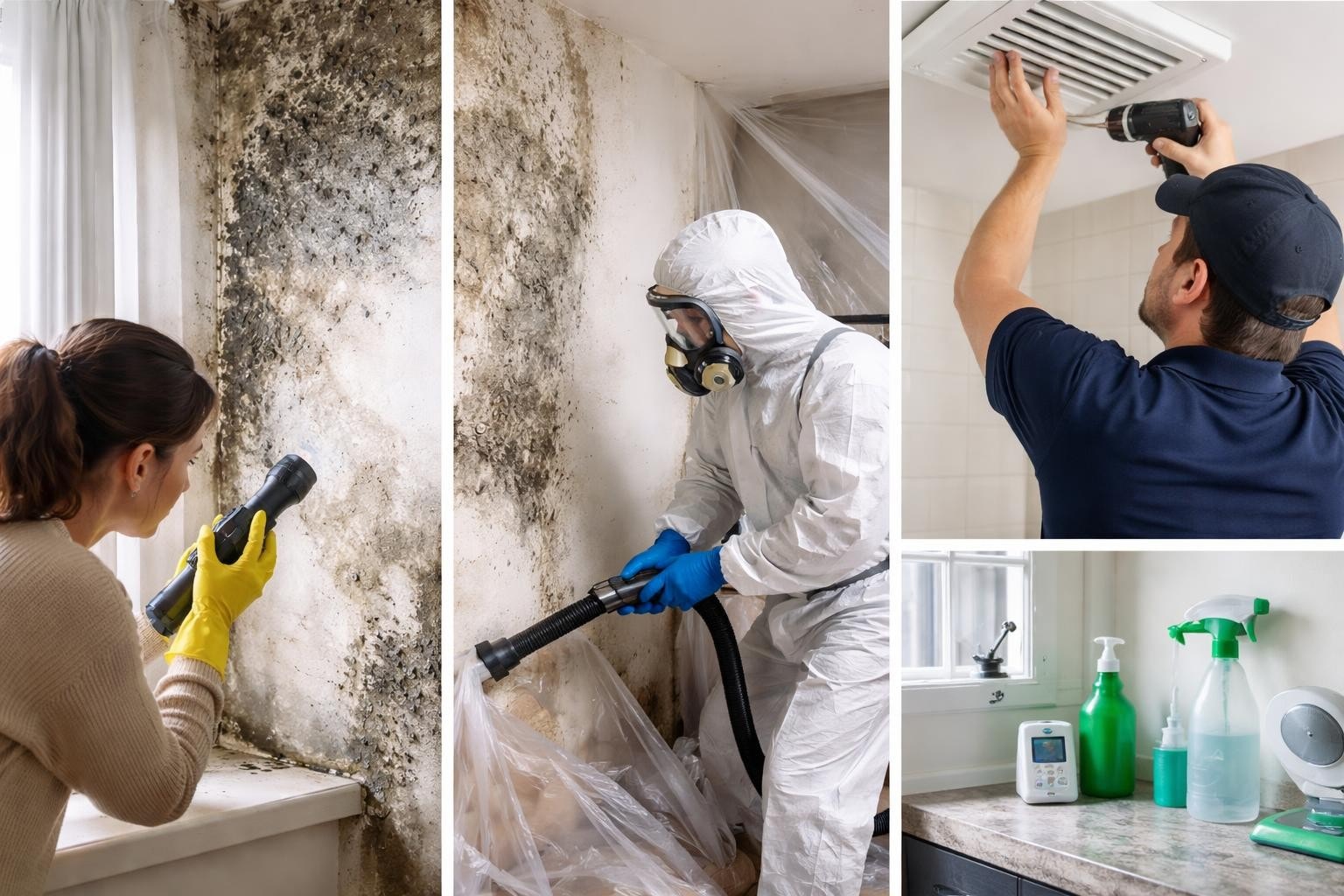
Mould growth in Kent properties has become an increasingly pressing concern for homeowners and landlords alike, particularly given the county's coastal climate and varying weather patterns. The combination of humidity from proximity to the English Channel, older building stock, and modern living habits creates ideal conditions for fungal growth. Professional mould removal kent services have evolved significantly over recent years, incorporating advanced diagnostic tools, evidence-based remediation techniques, and preventative strategies that address the root causes rather than merely treating surface symptoms. Understanding when to seek professional assistance, what the removal process entails, and how to select a qualified specialist can make the difference between a temporary fix and a lasting solution.
Understanding Mould Growth in Kent Properties
Kent's unique geographical position creates specific challenges for property maintenance. The county experiences higher humidity levels compared to inland regions, particularly in coastal areas such as Whitstable, Margate, and Dover.
Mould spores are omnipresent in the environment, but they require specific conditions to colonize and spread. These conditions include:
- Moisture levels above 60% relative humidity
- Poor ventilation restricting air circulation
- Organic materials such as plasterboard, timber, and fabric
- Temperature ranges between 15°C and 30°C
- Inadequate heating creating cold spots and condensation
Properties built before 1990 often lack modern insulation and ventilation systems, making them particularly vulnerable. Victorian and Edwardian terraced houses, which are common throughout Kent towns like Maidstone, Canterbury, and Tunbridge Wells, frequently experience condensation issues due to solid wall construction and single-glazed windows.
Common Mould Hotspots
Different areas of Kent properties present varying levels of risk. Bathrooms and kitchens naturally generate moisture through daily activities, whilst poorly ventilated basements and loft spaces may harbour hidden growth.
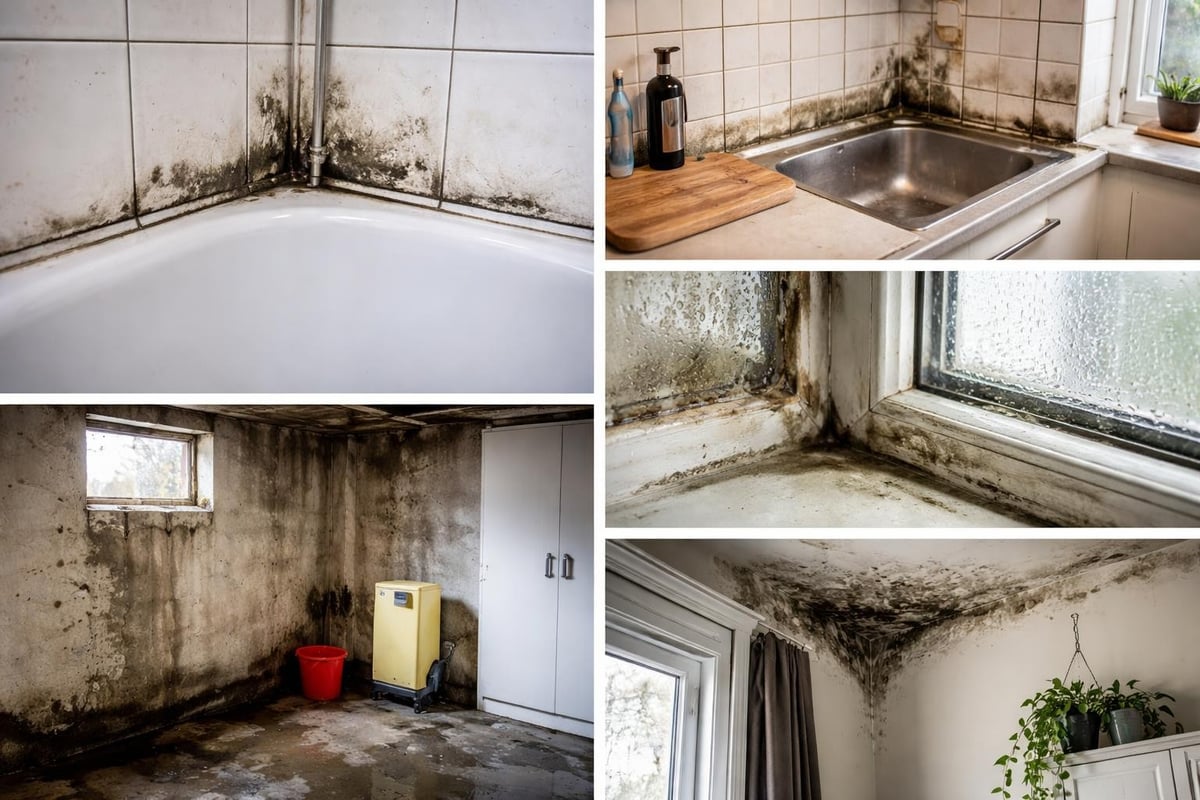
External factors also contribute significantly. Properties in flood-prone areas along the River Medway or near the Thames Estuary face additional moisture challenges. Ground-level flats and basement conversions require particular attention, as rising damp can combine with condensation to create severe mould problems.
Health Implications of Mould Exposure
The health consequences of prolonged mould exposure cannot be overstated. Respiratory problems represent the most common complaints, ranging from mild irritation to severe allergic reactions.
Vulnerable populations face heightened risks. Children, elderly residents, and individuals with compromised immune systems or pre-existing respiratory conditions require immediate action when mould is detected. According to research on damp and mould impacts, exposure can trigger asthma attacks, allergic rhinitis, and other chronic respiratory conditions.
| Health Effect | Severity | Common Symptoms |
|---|---|---|
| Respiratory irritation | Mild to Moderate | Coughing, sneezing, throat irritation |
| Allergic reactions | Moderate to Severe | Skin rashes, watery eyes, breathing difficulties |
| Asthma exacerbation | Severe | Wheezing, chest tightness, shortness of breath |
| Toxic reactions | Severe | Headaches, fatigue, neurological symptoms |
Professional mould removal kent services prioritize health protection throughout the remediation process. Certified specialists use containment procedures to prevent spore dispersal during removal, protecting both occupants and workers.
Recognising Symptoms
Early recognition of mould-related health issues enables faster intervention. Symptoms often worsen in specific rooms or improve when away from the property, providing clear indication of environmental triggers.
Persistent coughs that develop without apparent cause, skin irritation concentrated on exposed areas, and unexplained fatigue may all signal mould exposure. These symptoms warrant immediate investigation and professional assessment.
The Professional Mould Removal Process
Effective mould removal kent follows a structured methodology that addresses both visible growth and underlying moisture sources. Rushed or incomplete remediation frequently leads to recurrence within months.
Initial Assessment and Testing
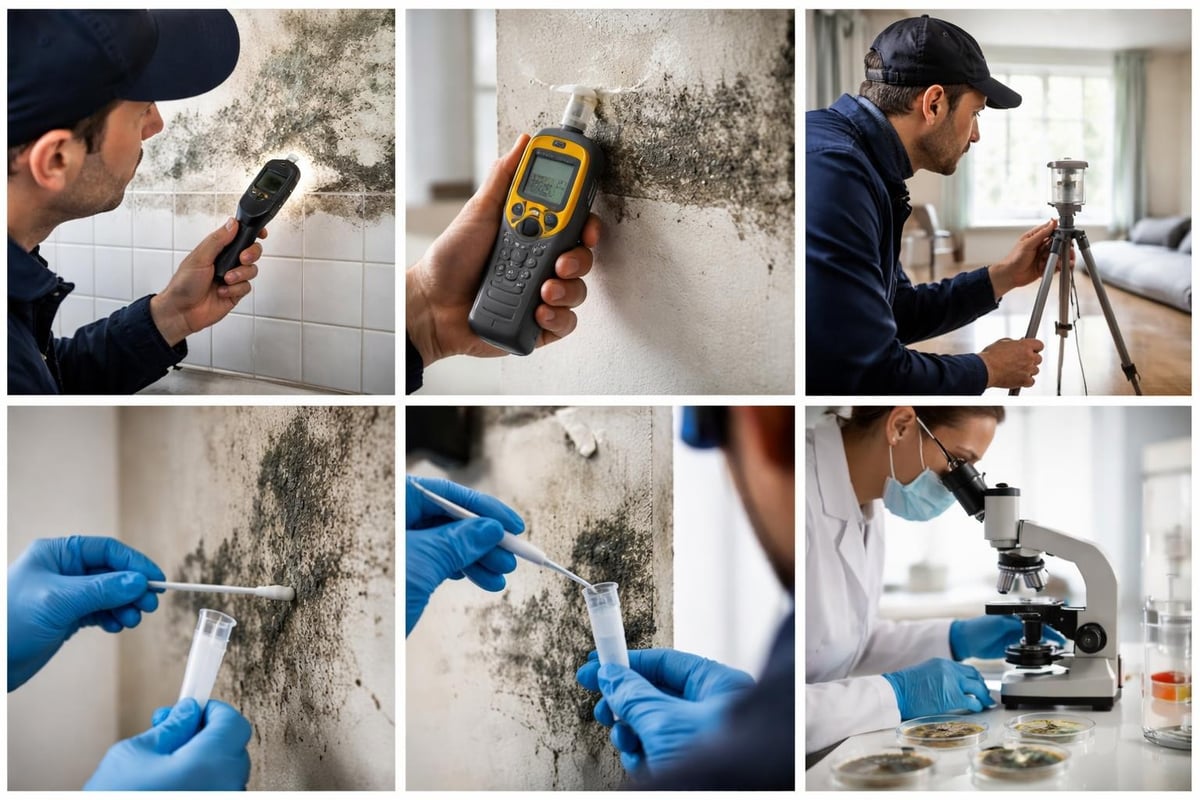
Professional inspections begin with comprehensive property surveys. Specialists examine all areas, using thermal imaging cameras to identify hidden moisture and moisture meters to quantify dampness levels.
Air quality sampling determines spore concentrations and identifies specific mould species present. This information guides treatment selection and helps establish whether structural damage has occurred. Mould Assessment services provide detailed analysis of contamination extent, enabling targeted remediation strategies.
Surface sampling from affected areas undergoes laboratory analysis, distinguishing between active growth and dormant spores. This distinction proves crucial for determining remediation scope and preventing unnecessary work.
Containment and Protection
Before removal begins, affected areas require isolation to prevent cross-contamination. Physical barriers using polyethylene sheeting create sealed zones, whilst negative air pressure systems ensure spores cannot escape.
Personal protective equipment (PPE) is mandatory for all workers. This includes:
- Respiratory protection with HEPA filtration
- Full-body disposable suits
- Gloves and eye protection
- Boot covers and sealed entry points
These measures protect both remediation teams and property occupants, maintaining air quality throughout the building.
Removal and Remediation
The actual removal process varies depending on contamination extent and affected materials. Non-porous surfaces such as tiles and metal receive thorough cleaning with antimicrobial solutions. Porous materials like plasterboard, insulation, and carpet typically require complete removal and disposal.
HEPA vacuum cleaning precedes all surface treatment, capturing loose spores before wet cleaning spreads them. Antimicrobial applications follow mechanical removal, treating remaining surfaces to prevent regrowth.
Structural timbers receive special attention. Dry rot and wet rot often accompany mould growth in timber frames, requiring specialist carpentry alongside mould treatment.
Addressing Underlying Moisture Sources
Successful mould removal kent depends entirely on eliminating moisture sources. Treating symptoms whilst ignoring causes guarantees recurrence and wastes resources.
Condensation Management
Condensation represents the most common moisture source in Kent properties. Modern lifestyles generate substantial water vapour through cooking, bathing, drying clothes, and even breathing.
Improving ventilation provides the primary solution. Mechanical ventilation with heat recovery (MVHR) systems offer energy-efficient air exchange, whilst positive input ventilation (PIV) units create gentle air circulation throughout properties.
| Ventilation Solution | Best For | Typical Cost | Energy Impact |
|---|---|---|---|
| Trickle vents | New windows | £100-£300 | Minimal |
| Extractor fans | Bathrooms, kitchens | £150-£500 | Low |
| PIV systems | Whole property | £800-£1,500 | Medium |
| MVHR systems | New builds, renovations | £3,000-£8,000 | Highly efficient |
Lifestyle adjustments complement mechanical solutions. Opening windows during and after bathing, using lids when cooking, and avoiding indoor clothes drying all reduce moisture generation.
Structural Moisture Issues
Penetrating damp and rising damp require different approaches. External waterproofing, including repointing brickwork, repairing guttering, and installing damp-proof courses, addresses water ingress.
Many Kent properties suffer from failed or absent damp-proof membranes. Modern injection damp-proof courses or physical barriers prevent ground moisture rising through masonry walls.
Basement waterproofing has become increasingly sophisticated. Cavity drain membrane systems, tanking slurry applications, and sump pump installations protect below-ground spaces from hydrostatic pressure.
Choosing Professional Mould Removal Services
The mould removal kent market includes operators with varying qualifications and expertise. Selecting appropriately certified specialists ensures effective remediation and regulatory compliance.
Essential Qualifications and Certifications
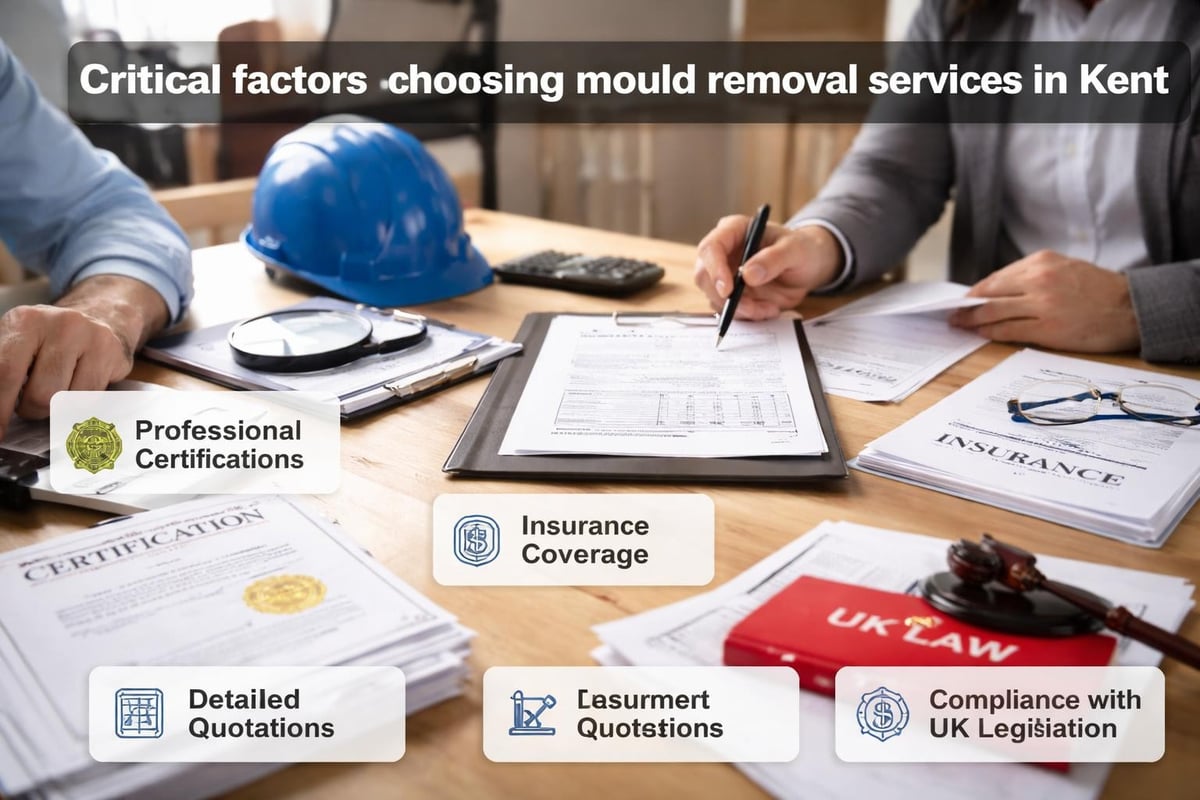
Legitimate specialists hold relevant industry qualifications. Look for companies with certified surveyors, ideally members of professional bodies such as the Property Care Association (PCA) or the Institute of Specialist Surveyors and Engineers (ISSE).
Insurance coverage provides crucial protection. Public liability insurance covering at least £5 million demonstrates professional standing, whilst professional indemnity insurance protects against advice-related claims.
Key credentials include:
- PCA qualifications in remedial treatment
- CSCS (Construction Skills Certification Scheme) cards
- IOSH (Institution of Occupational Safety and Health) training
- Invasive weed and mould remediation certificates
Companies operating across Kent should demonstrate local knowledge, understanding regional building types and common moisture problems specific to the area.
Evaluation Criteria
Request detailed written quotations outlining work scope, methodology, timescales, and guarantees. Vague estimates or pressure to sign immediately suggest unprofessional operations.
References from recent Kent clients provide valuable insight. Genuine specialists willingly provide contact details for previous customers in similar situations.
Guarantees matter significantly. Reputable mould removal kent companies offer minimum 10-year guarantees on remedial work, demonstrating confidence in their methods and materials.
Cost Factors and Investment Planning
Mould removal costs vary enormously depending on contamination extent, property size, and underlying causes. Understanding pricing structures helps property owners budget appropriately.
Pricing Components
Professional services typically separate assessment, remediation, and prevention into distinct cost centres. Initial surveys range from £200 to £600, depending on property size and testing requirements.
Minor remediation projects addressing single rooms start around £500, whilst extensive work involving multiple areas or structural repairs can exceed £10,000. The following factors influence final costs:
- Contaminated area size (measured in square metres)
- Mould species and toxicity levels
- Material removal requirements (plasterboard, flooring, fixtures)
- Access difficulties (height, confined spaces)
- Structural repairs needed
- Preventative measures installed
Landlords should note that addressing mould promptly typically costs significantly less than delayed intervention. Advanced growth requires more extensive remediation and often damages structural elements, multiplying expenses.
Long-term Value Considerations
Professional mould removal kent services represent genuine investments rather than mere expenses. Property values suffer when mould problems become apparent during sales, often reducing offers by thousands of pounds.
Health costs from continued exposure, including medical treatment and sick leave, frequently exceed remediation expenses. Tenant retention improves dramatically in mould-free properties, reducing void periods and associated costs.
Prevention Strategies for Kent Properties
Sustainable mould prevention requires ongoing vigilance and property maintenance. One-time treatments without prevention measures inevitably fail.
Heating and Insulation Improvements
Maintaining consistent temperatures throughout properties prevents condensation on cold surfaces. The "heating versus ventilation" debate often presents false choices, as both work synergistically.
Modern insulation standards dramatically reduce condensation risks. External wall insulation, loft insulation to current Building Regulations standards (270mm depth), and double or triple glazing create warmer internal surfaces that resist condensation.
Thermal bridging, where cold spots develop at structural junctions, requires particular attention in Kent's older properties. Specialist insulation at wall-floor junctions and around window reveals eliminates these problematic areas.
Regular Maintenance Schedules
Preventative maintenance programmes identify emerging issues before they escalate. Annual inspections should include:
- Gutter clearance preventing overflow and penetrating damp
- Roof inspections identifying missing tiles or damaged flashing
- Sealant checks around windows, doors, and bathrooms
- Ventilation system cleaning maintaining air flow
- Humidity monitoring in vulnerable areas
Property owners can implement simple monitoring systems using digital hygrometers, which cost under £20 and provide real-time humidity readings. Maintaining levels below 60% relative humidity prevents most mould growth.
Regulatory Compliance and Legal Obligations
Landlords face specific legal duties regarding mould and damp under various regulations. Understanding these obligations prevents legal complications and protects tenant relationships.
Housing Health and Safety Rating System
The Housing Health and Safety Rating System (HHSRS) classifies mould and damp as Category 1 hazards when conditions pose serious health risks. Local authorities can serve improvement notices requiring remediation within specified timeframes.
Failure to address Category 1 hazards may result in:
- Unlimited fines
- Prohibition orders preventing property letting
- Emergency remedial work orders
- Rent repayment orders favouring tenants
Homes (Fitness for Human Habitation) Act 2018 enables tenants to take direct legal action against landlords who fail to address mould problems. Recent court cases have resulted in substantial compensation awards, making prevention and prompt remediation financially prudent.
Documentation and Record Keeping
Maintaining comprehensive records protects all parties. Documentation should include inspection reports, remediation work certificates, guarantees, and correspondence regarding moisture issues.
Professional mould removal kent specialists provide detailed reports suitable for legal purposes, including photographic evidence, moisture readings, and treatment specifications. These documents prove invaluable during property transactions or disputes.
Electrical Installation Condition Reports (EICRs) and Gas Safety Certificates complement mould remediation records, demonstrating comprehensive property management. Specialists at Mouldsurv Ltd understand these interconnected regulatory requirements and provide appropriate documentation.
Seasonal Considerations in Kent
Kent's climate presents seasonal challenges requiring adapted approaches throughout the year. Understanding these patterns enables proactive management.
Winter Challenges
Winter months bring increased condensation risks as external temperatures drop whilst internal moisture generation continues. Heating costs often lead occupants to reduce ventilation, exacerbating problems.
Storm damage from coastal weather systems can compromise building envelopes, allowing water ingress. Regular post-storm inspections identify damage before internal problems develop.
Summer Opportunities
Warmer, drier conditions provide optimal remediation timing. Materials dry faster, ventilation works more effectively, and access for external works improves.
Summer also offers opportunities for preventative maintenance. External painting, repointing, and damp-proofing work proceeds more reliably without winter weather interruptions.
Specialist Scenarios Requiring Expert Intervention
Certain mould situations demand immediate professional involvement rather than DIY attempts. Recognising these scenarios protects health and property.
Hidden Mould Growth
Mould concealed within wall cavities, beneath flooring, or above ceilings poses particular dangers. Visible surface growth often represents only a fraction of total contamination.
Musty odours without visible mould, unexplained health symptoms, and historical water damage all suggest hidden growth requiring professional investigation with thermal imaging and moisture mapping.
Toxic Mould Species
Whilst all mould requires removal, certain species including Stachybotrys chartarum (black mould) produce mycotoxins causing severe health effects. These species require specialist handling with enhanced containment and disposal procedures.
Professional identification through laboratory analysis determines appropriate response levels. Self-identification attempts waste time and potentially expose occupants to unnecessary risks.
Post-Flood Remediation
Kent's flood-prone areas experience periodic inundation, requiring comprehensive drying and decontamination. Flood water introduces contaminants alongside moisture, necessitating thorough cleaning before restoration.
Professional flood remediation services coordinate structural drying, contamination removal, and mould prevention in integrated programmes. Insurance claims often require professional certification, making specialist involvement financially sensible.
Effective mould management in Kent properties demands professional expertise, comprehensive moisture control, and ongoing preventative maintenance. Whether addressing existing contamination or preventing future problems, certified specialists provide the knowledge, equipment, and experience necessary for lasting solutions. Mouldsurv Ltd offers comprehensive mould removal kent services backed by UK certification, advanced diagnostics, and proven remediation methods, ensuring your property remains healthy, compliant, and protected for years to come.