Mould growth represents one of the most persistent challenges property owners face in the UK, particularly given our climate's predisposition towards dampness and humidity. Whether manifesting as black patches on bathroom tiles or hidden colonies behind wallpaper, mould poses both health risks and structural concerns that demand immediate attention. Understanding the fundamentals of effective mould removal enables property owners to address these issues before they escalate into costly remediation projects or health emergencies.
Understanding Mould Growth and Health Implications
Mould thrives in environments where moisture accumulates, typically developing within 24 to 48 hours of water exposure. These fungal organisms release microscopic spores into the air, which can trigger respiratory problems, allergic reactions, and aggravate existing conditions such as asthma.
The World Health Organization highlights the connection between dampness, mould, and various health outcomes, particularly in vulnerable populations including children, elderly individuals, and those with compromised immune systems. Common symptoms associated with mould exposure include:
- Persistent coughing and wheezing
- Nasal congestion and sinus irritation
- Eye irritation and excessive tearing
- Skin rashes and dermatitis
- Headaches and fatigue
Black mould (Stachybotrys chartarum) represents the most concerning variety, producing mycotoxins that can cause severe health complications. However, all mould types warrant prompt removal regardless of their colour or species.
Identifying the Source of Moisture
Successful mould removal begins with addressing the underlying moisture problem. Without eliminating the water source, mould will inevitably return regardless of how thoroughly you clean the affected surfaces.
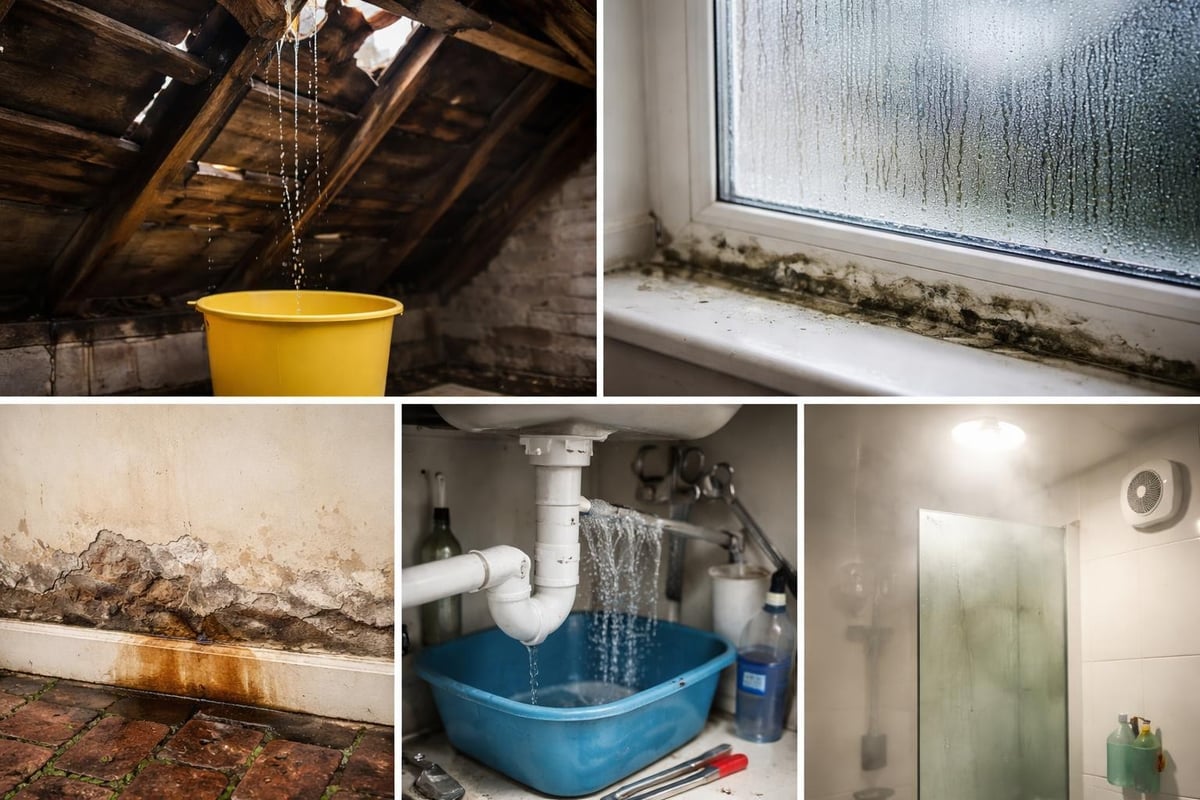
Common moisture sources in UK properties include:
- Condensation from inadequate ventilation
- Penetrating damp through external walls
- Rising damp from ground water
- Leaking pipes or plumbing fixtures
- Roof damage allowing rainwater penetration
- Blocked gutters causing overflow
Identifying these sources often requires professional diagnostic equipment such as thermal imaging cameras and moisture metres. A comprehensive Mould Assessment can pinpoint both visible and hidden moisture problems that contribute to fungal growth throughout your property.
DIY Mould Removal Techniques
Small mould patches covering less than one square metre may be suitable for DIY removal, provided you take appropriate safety precautions. The Better Health Channel outlines practical safety considerations that should guide your approach.
Safety Equipment and Preparation
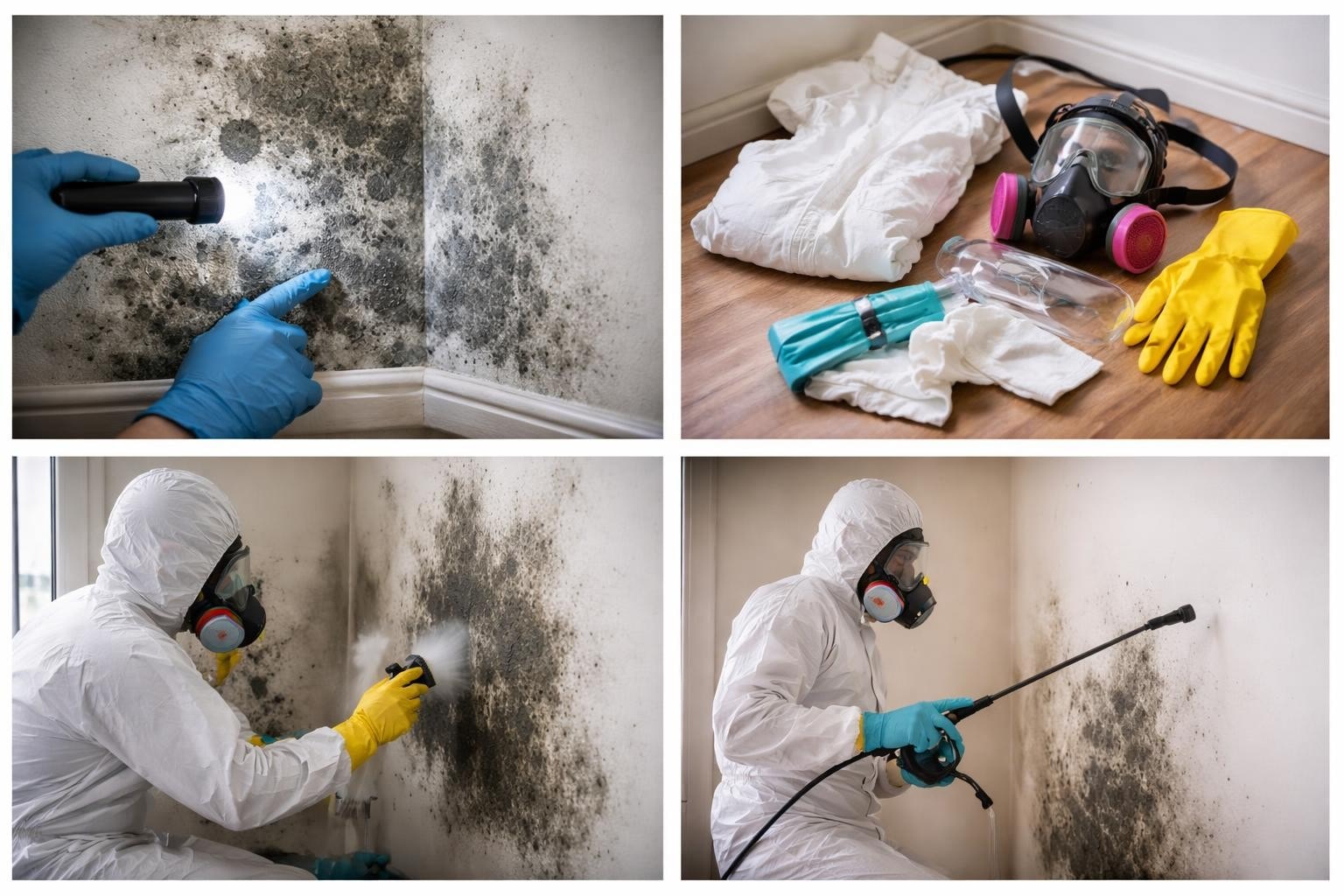
Before attempting mould removal, gather the following protective equipment:
| Equipment | Purpose | Specification |
|---|---|---|
| Respiratory mask | Prevents spore inhalation | FFP3 or N95 rated minimum |
| Safety goggles | Protects eyes from spores | Sealed, not vented |
| Rubber gloves | Prevents skin contact | Extending to mid-forearm |
| Disposable coveralls | Prevents contamination | Full-body protection |
Proper preparation includes isolating the affected area to prevent spore dispersal throughout your property. Close doors, seal vents with plastic sheeting, and ensure windows in the work area can be opened for ventilation.
Effective Cleaning Solutions
Several household products effectively kill mould spores and remove staining:
Vinegar solution proves surprisingly effective for many mould varieties. Apply undiluted white vinegar directly to affected surfaces, allow it to sit for one hour, then scrub with a stiff brush before rinsing thoroughly.
Hydrogen peroxide (3% concentration) offers antifungal and antibacterial properties. Spray onto mouldy surfaces, leave for ten minutes, then scrub and wipe clean.
Bicarbonate of soda creates an inhospitable environment for mould whilst absorbing moisture. Mix one-quarter tablespoon with water in a spray bottle, apply to affected areas, scrub, and rinse.
Bleach solutions, whilst commonly recommended, should be used cautiously. Chlorine bleach works on non-porous surfaces but cannot penetrate porous materials like plasterboard or wood. Additionally, bleach fumes can cause respiratory irritation, and the solution may damage certain surfaces.
When Professional Mould Removal Becomes Necessary
Certain situations exceed the scope of DIY interventions and demand professional expertise. Understanding these scenarios protects both your health and property value.
Situations Requiring Professional Intervention
Professional mould removal becomes essential when:
- Affected areas exceed one square metre
- Mould has penetrated structural materials
- HVAC systems show contamination
- Multiple rooms display growth
- Previous DIY attempts have failed
- Occupants experience health symptoms
- The property has suffered flooding
- Hidden mould is suspected
The EPA's comprehensive remediation guide emphasizes the importance of professional assessment for extensive contamination, particularly in commercial settings or rental properties where liability concerns arise.

Professional Remediation Process
Certified mould removal specialists follow systematic protocols that ensure thorough elimination whilst protecting occupants and preventing cross-contamination:
- Comprehensive assessment using moisture metres, thermal imaging, and air sampling
- Containment establishment with negative air pressure systems
- HEPA filtration to capture airborne spores during removal
- Material removal of irreversibly contaminated items
- Surface treatment with antimicrobial solutions
- Structural drying to prevent recurrence
- Verification testing confirming successful remediation
Professional teams possess specialized equipment including industrial dehumidifiers, air scrubbers with HEPA filters, and negative air machines that DIY approaches cannot replicate. This equipment proves particularly crucial when addressing hidden mould behind walls or beneath flooring.
UK Legislation and Compliance Requirements
Property owners and landlords face specific legal obligations regarding mould and damp conditions under UK legislation. The Housing Health and Safety Rating System (HHSRS) classifies excess damp and mould as Category 1 hazards, requiring prompt remediation.
Landlord Responsibilities
The Homes (Fitness for Human Habitation) Act 2018 mandates that rental properties remain free from serious health hazards, explicitly including damp and mould. Landlords must:
- Respond promptly to mould reports
- Investigate and address underlying causes
- Complete remediation work within reasonable timeframes
- Ensure adequate ventilation systems function properly
- Maintain the property's weatherproofing
Failure to address mould issues can result in enforcement action from local authorities, rent reduction orders, and potential civil claims from tenants suffering health consequences.
Documentation and Record Keeping
Maintaining thorough documentation protects all parties involved in property transactions and tenancy agreements. Essential records include:
| Document Type | Contents | Retention Period |
|---|---|---|
| Inspection reports | Moisture readings, photographs, extent | 5 years minimum |
| Remediation certificates | Work completed, materials used, dates | Property lifetime |
| Air quality tests | Spore counts, species identified | 3 years minimum |
| Maintenance logs | Ventilation servicing, repairs | Ongoing |
Professional mould removal companies provide detailed documentation that satisfies insurance requirements and demonstrates compliance with relevant legislation, as outlined in Mouldsurv's quality management system.
Prevention Strategies and Long-Term Solutions
Preventing mould growth proves far more cost-effective than repeated removal efforts. Implementing comprehensive moisture management strategies creates environments where mould cannot establish itself.
Ventilation Improvements
Adequate ventilation represents the first line of defence against mould. Modern properties built to stringent energy efficiency standards often trap moisture unless properly ventilated.
Mechanical ventilation systems including MVHR (Mechanical Ventilation with Heat Recovery) continuously exchange stale, humid air with fresh, filtered air whilst recovering heat energy. These systems particularly benefit properties with limited natural ventilation options.
Positive input ventilation (PIV) units installed in loft spaces gently pressurize properties with filtered, tempered air, forcing out humid air through natural leakage points.
Simple behavioural changes also reduce moisture accumulation:
- Opening windows during and after showering
- Using extraction fans whilst cooking
- Avoiding drying laundry indoors without ventilation
- Maintaining consistent heating during winter months
- Keeping furniture away from external walls
Humidity Control
Maintaining indoor relative humidity below 60% prevents mould spore germination. Dehumidifiers effectively remove excess moisture, particularly in problematic areas such as basements, bathrooms, and laundry rooms.
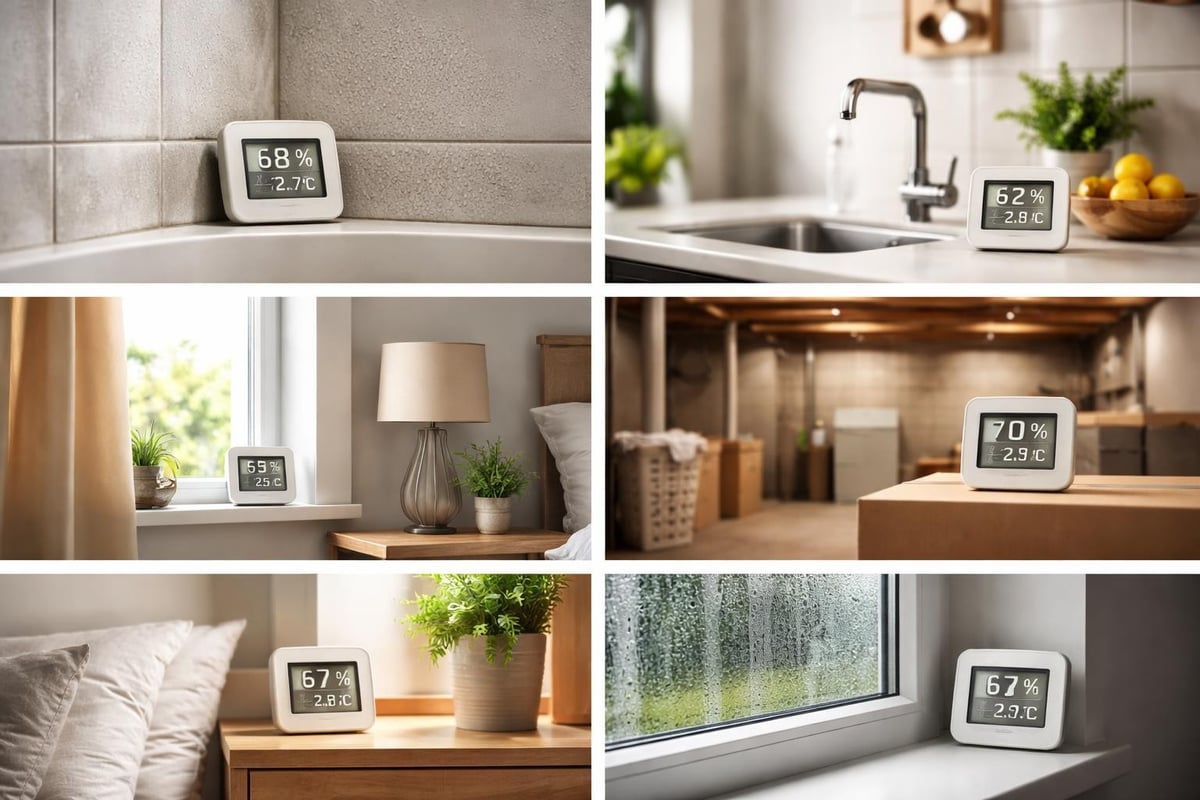
Digital hygrometers enable continuous monitoring of humidity levels, alerting occupants when conditions become favourable for mould growth. Modern smart home systems can integrate humidity sensors with automated ventilation and heating controls.
Building Fabric Improvements
Addressing thermal bridging and improving insulation prevents cold surfaces where condensation accumulates. External wall insulation, secondary glazing, and cavity wall insulation all contribute to warmer internal surface temperatures.
The CDC's communication resources emphasize the relationship between proper building maintenance and mould prevention, highlighting how proactive measures protect both property and occupant health.
Insurance Considerations and Financial Implications
Mould damage and remediation involve complex insurance considerations that property owners must understand to avoid unexpected expenses.
Coverage Limitations
Standard buildings and contents insurance policies typically cover mould removal only when it results from an insured peril such as a burst pipe or storm damage. Gradual mould development from ongoing condensation or maintenance neglect generally falls outside coverage.
Key policy exclusions commonly include:
- Mould resulting from lack of maintenance
- Condensation-related damage
- Gradual deterioration
- Pre-existing conditions
- Tenant-caused issues in rental properties
Specialist mould insurance endorsements provide additional protection but require professional inspections and ongoing maintenance documentation. Understanding complaint procedures with service providers ensures disputes receive proper resolution.
Cost Factors
Professional mould removal costs vary significantly based on multiple factors:
| Factor | Low Impact | High Impact |
|---|---|---|
| Affected area | Under 1m² | Entire property |
| Material damage | Surface only | Structural elements |
| Access difficulty | Open walls | Behind fixtures |
| Contamination level | Light surface growth | Deep penetration |
| Property type | Single room | Multiple floors |
Early intervention dramatically reduces costs. A small patch addressed promptly might cost hundreds, whilst extensive contamination requiring structural repairs can reach tens of thousands of pounds.
Specialized Scenarios and Unique Challenges
Certain environments and situations present unique mould challenges requiring adapted approaches.
Historic Buildings
Listed buildings and period properties demand particular sensitivity during mould removal. Modern interventions must respect heritage features whilst addressing dampness effectively. Breathable lime-based materials often prove more appropriate than cement renders that trap moisture within traditional wall structures.
Conservation officers may require consultation before undertaking significant remediation work, and approved contractors with heritage experience become essential partners in these projects.
Post-Flood Remediation
Properties affected by flooding face extreme mould risk due to extensive water damage and contamination. The EPA's brief guide on mold and moisture provides foundational principles, though flood situations demand immediate professional intervention.
Flood water introduces additional contaminants including bacteria and sewage, necessitating specialized cleaning protocols beyond standard mould removal. Structural drying must commence within 24-48 hours to prevent widespread colonization.
Commercial and Industrial Settings
Business premises face additional compliance requirements under health and safety legislation. Employers must protect staff from mould exposure through risk assessments, appropriate controls, and health surveillance where necessary.
Schools, healthcare facilities, and food preparation areas require particularly rigorous approaches given their vulnerable occupants and strict regulatory frameworks. Professional remediation with comprehensive documentation becomes mandatory rather than optional in these contexts.
Advanced Detection Technologies
Modern mould detection extends far beyond visual inspection, employing sophisticated technologies that identify problems before they become visible.
Thermal Imaging Applications
Infrared cameras reveal temperature differentials indicating moisture accumulation and hidden leaks. Cold spots on internal walls often signal insulation deficiencies or water ingress creating conditions for mould growth.
Thermal surveys conducted during heating season provide the most reliable data, as temperature contrasts between warm interiors and cold moisture-affected areas become most pronounced.
Air Quality Sampling
Laboratory analysis of air samples identifies mould species present and quantifies spore concentrations. This data establishes baseline conditions, guides remediation strategies, and verifies successful completion.
Viable sampling collects living spores that laboratories culture to identify species. Non-viable sampling counts total spores regardless of viability, providing faster results suitable for clearance testing.
Surface sampling using tape lifts or swabs confirms suspected mould on materials and helps determine appropriate removal methods. The EPA's comprehensive mold course details various sampling methodologies and their applications.
Effective mould removal requires understanding the underlying moisture sources, selecting appropriate remediation methods, and implementing preventative measures to protect long-term property health. Whether addressing small patches through DIY methods or engaging professionals for extensive contamination, prompt action prevents escalation into serious health hazards and structural damage. Mouldsurv Ltd provides comprehensive mould solutions throughout Essex, London, and Kent, combining certified expertise with advanced diagnostic equipment to identify problems, execute compliant remediation, and implement lasting prevention strategies tailored to your property's specific needs.