
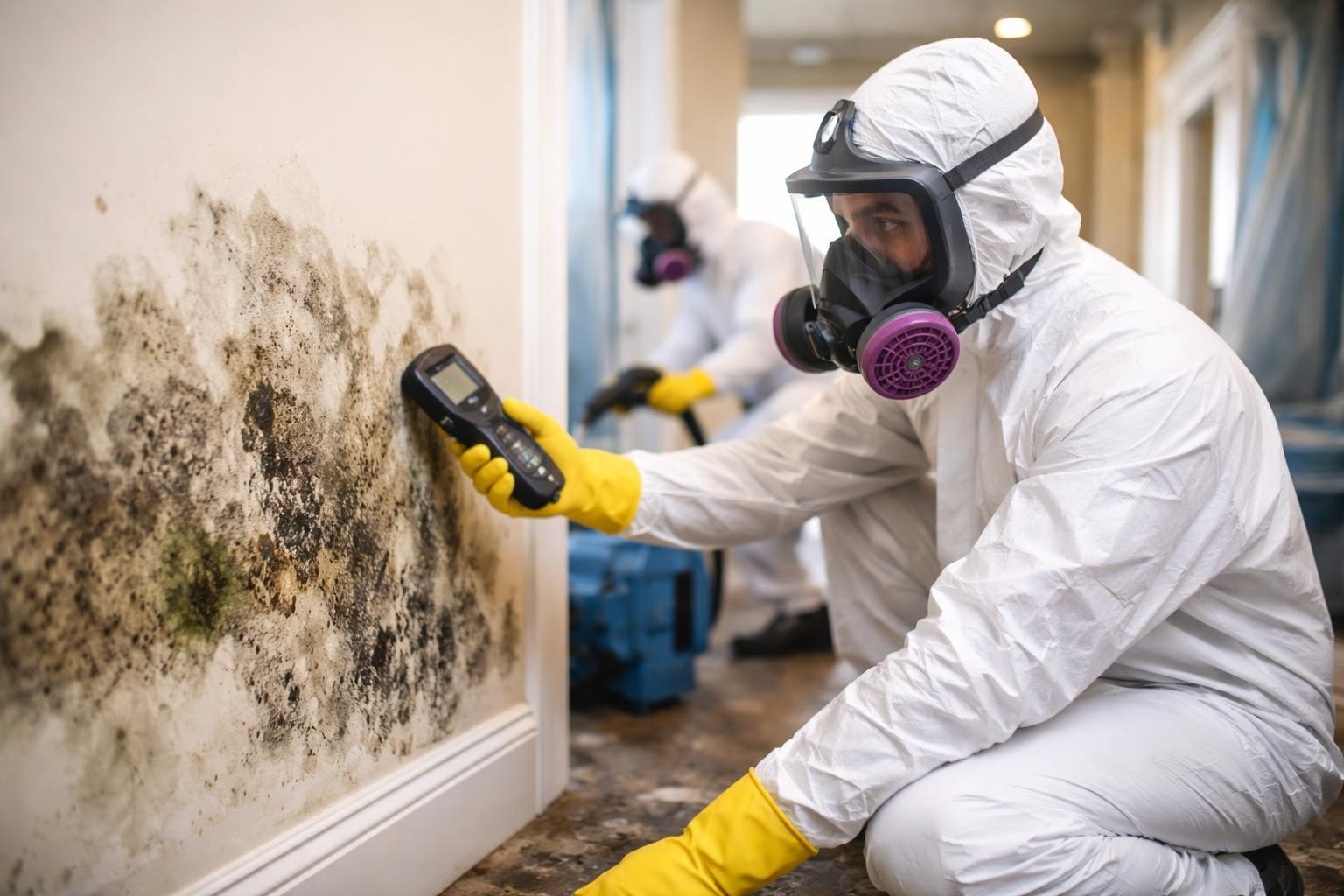
Property owners across Essex face increasingly complex challenges when dealing with mould growth in residential and commercial buildings. With the region's coastal climate and variable weather patterns, moisture-related issues have become more prevalent, making professional intervention essential. Understanding the comprehensive process of mould remediation essex services provides property owners, landlords, and facility managers with the knowledge needed to address these problems effectively whilst maintaining compliance with UK health and safety legislation.
Understanding Mould Growth in Essex Properties
Essex's unique geographic position creates specific environmental conditions that contribute to mould development. The county's proximity to the coast means higher humidity levels, particularly during autumn and winter months when condensation becomes a significant concern.
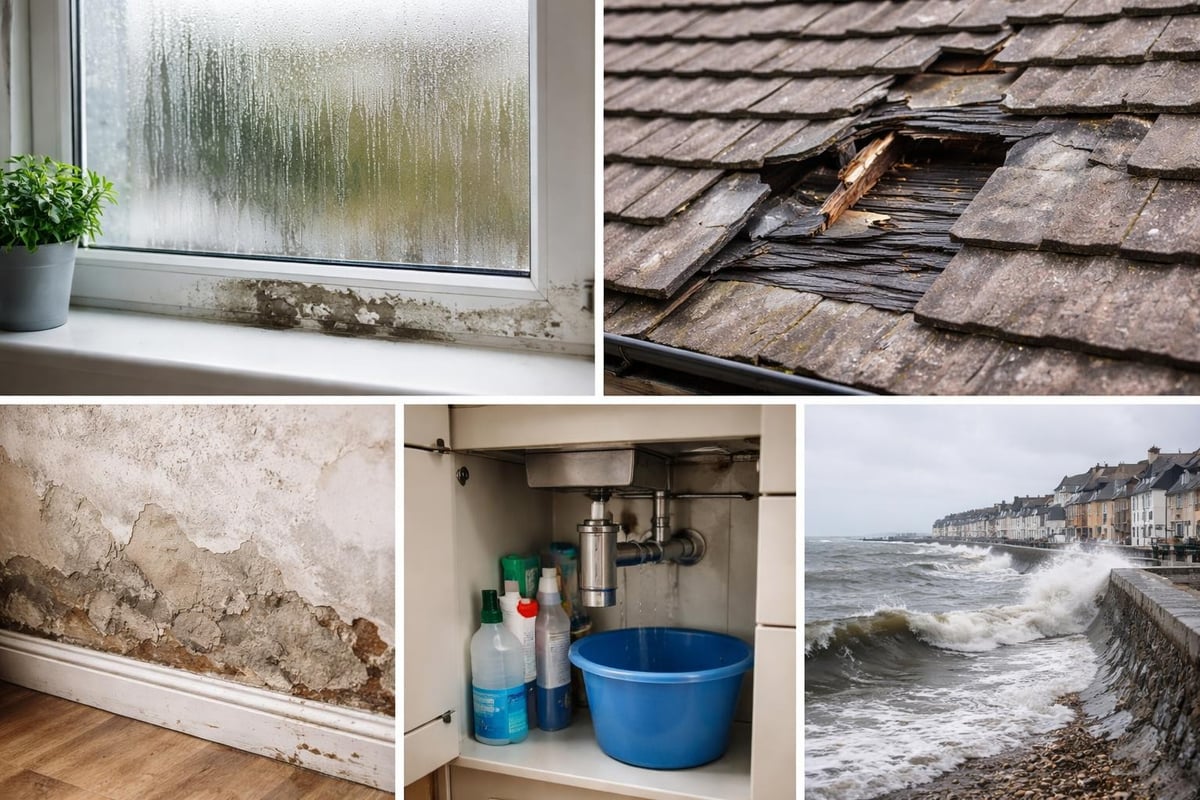
Mould spores exist naturally in the environment, but they require specific conditions to colonise and proliferate. Moisture, organic material, and appropriate temperatures create the perfect environment for mould growth. In Essex properties, common sources include:
- Condensation from inadequate ventilation
- Roof leaks and damaged flashing
- Rising damp from compromised damp-proof courses
- Plumbing failures and hidden pipe leaks
- Flood damage and water ingress
The coastal towns of Southend-on-Sea, Clacton-on-Sea, and Harwich experience additional challenges from salt-laden air, which can accelerate building material degradation and create entry points for moisture.
Climate Impact on Essex Buildings
Essex experiences an average annual rainfall of approximately 550mm, with significant seasonal variation. Victorian and Edwardian properties, which form a substantial portion of the housing stock in towns like Colchester and Chelmsford, often feature solid wall construction without cavity insulation. This construction method makes them particularly vulnerable to penetrating damp and subsequent mould growth.
Modern properties face different challenges. Improved airtightness for energy efficiency can reduce natural ventilation, trapping moisture inside and creating ideal conditions for mould colonisation. The comprehensive guidance from the German Environment Agency highlights how building design significantly influences mould risk across different climate zones.
Health Implications and Legal Responsibilities
Mould exposure presents documented health risks that UK legislation takes seriously. The Housing Health and Safety Rating System (HHSRS) classifies excess damp and mould as Category 1 hazards, requiring immediate action from landlords and property owners.
Health Effects of Mould Exposure
Different individuals experience varying reactions to mould exposure. Vulnerable populations, including young children, elderly residents, and those with existing respiratory conditions, face heightened risks.
Common health symptoms include:
- Respiratory irritation and persistent coughing
- Nasal congestion and sinus infections
- Skin rashes and allergic reactions
- Eye irritation and watering
- Asthma exacerbation in susceptible individuals
- Headaches and fatigue
Certain mould species, particularly Stachybotrys chartarum (commonly called black mould), produce mycotoxins that pose additional health concerns. Professional identification through laboratory testing determines the specific species present and guides appropriate remediation strategies.
Landlord Obligations in Essex
Essex landlords must comply with multiple regulatory frameworks governing property standards. The Homes (Fitness for Human Habitation) Act 2018 strengthens tenant rights, making landlords legally responsible for addressing mould and damp issues.
| Regulation | Requirement | Timeframe |
|---|---|---|
| HHSRS Category 1 Hazards | Immediate remediation | Within reasonable period |
| Decent Homes Standard | Maintain structural integrity | Ongoing compliance |
| Housing Act 2004 | Provide safe, habitable conditions | Continuous obligation |
Failure to address mould problems can result in Rent Repayment Orders, prohibition notices, or even criminal prosecution in severe cases. Understanding UK regulations and standards for mould remediation helps property owners maintain compliance and protect tenant wellbeing.
The Mould Remediation Process
Professional mould remediation essex services follow structured protocols based on industry standards, particularly the IICRC S520 Standard for Professional Mould Remediation. This systematic approach ensures thorough removal whilst preventing cross-contamination and protecting occupant health.
Initial Assessment and Testing
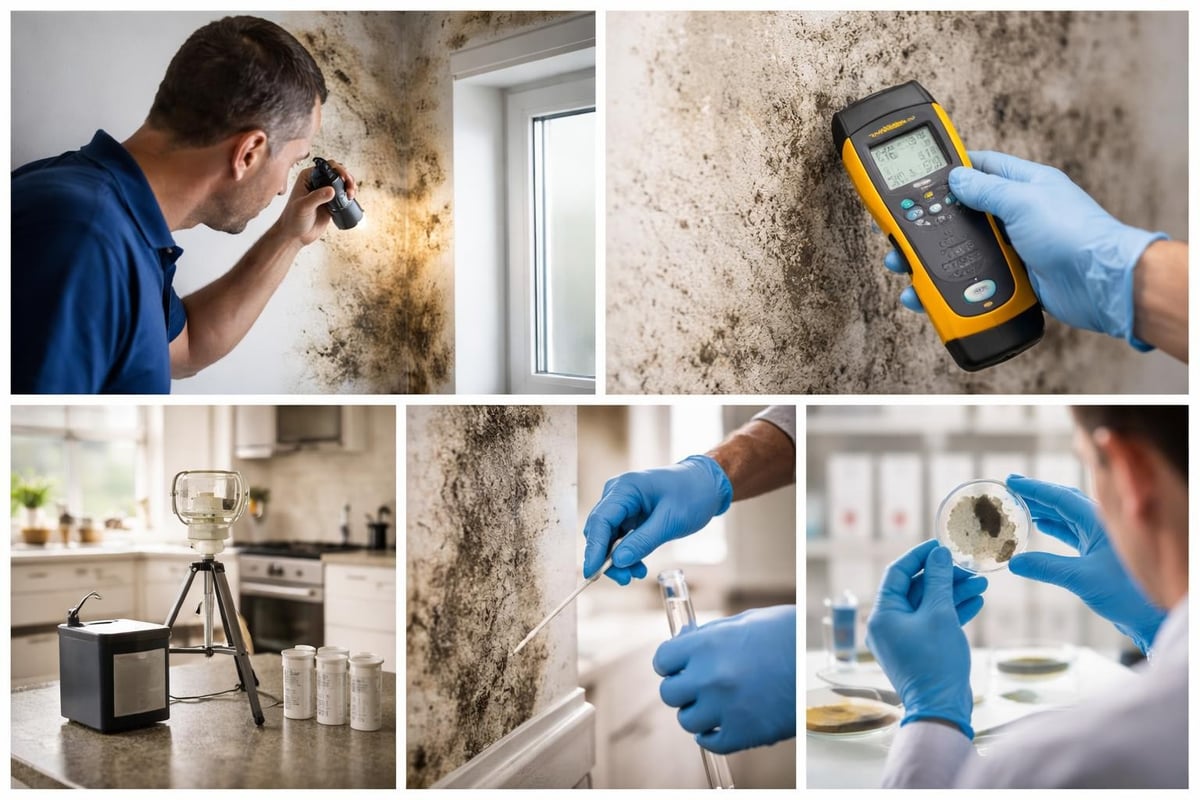
The remediation process begins with comprehensive property inspection. Certified professionals examine visible mould growth, identify moisture sources, and assess the extent of contamination. Advanced diagnostic equipment, including thermal imaging cameras and moisture meters, reveals hidden problems behind walls, under floors, and within ceiling cavities.
Assessment components include:
- Visual inspection of all accessible areas
- Moisture mapping using electronic sensors
- Air quality sampling for spore quantification
- Surface sampling for species identification
- Building materials assessment for damage extent
Laboratory analysis of collected samples provides definitive identification of mould species and quantifies airborne spore concentrations. This data informs the remediation strategy and establishes baseline measurements for post-remediation verification.
Containment and Safety Protocols
Before remediation begins, proper containment prevents mould spores from spreading to unaffected areas. The containment strategy depends on the remediation level required, which varies based on contamination extent.
Small-scale remediation (areas less than 3 square metres) typically requires basic containment with sealed plastic sheeting. Medium to large-scale projects demand more sophisticated approaches, including:
- Full room isolation with negative air pressure
- HEPA-filtered air scrubbers operating continuously
- Decontamination chambers for worker entry and exit
- Personal protective equipment (PPE) including respirators
- Sealed disposal bags for contaminated materials
Creating effective Risk Assessment and Method Statements (RAMS) for mould remediation ensures worker safety and regulatory compliance throughout the project.
Material Removal and Cleaning
Porous materials heavily contaminated with mould generally require removal and disposal. Plasterboard, ceiling tiles, carpeting, and insulation absorb moisture and mould growth deep into their structure, making complete cleaning impractical.
Semi-porous and non-porous materials often can be salvaged through professional cleaning:
| Material Type | Treatment Approach | Success Rate |
|---|---|---|
| Concrete/Masonry | HEPA vacuuming + antimicrobial treatment | High |
| Wooden structures | Assessment-dependent, may require removal | Variable |
| Metal surfaces | Thorough cleaning + disinfection | Very high |
| Glass | Simple cleaning sufficient | Complete |
| Plastics | Cleaning or disposal based on extent | High |
Professional mould removal and remediation services employ industry-approved cleaning agents and techniques to eliminate mould growth whilst preventing damage to salvageable materials. HEPA vacuuming removes surface spores before applying antimicrobial treatments that address residual contamination.
Moisture Source Elimination
Successful mould remediation essex projects extend beyond simply removing visible growth. Without addressing underlying moisture sources, mould will inevitably return, wasting remediation investment and potentially creating more extensive damage.
Common Moisture Problems in Essex
Different property types across Essex experience characteristic moisture issues. Understanding these patterns helps property owners implement targeted solutions.
Victorian terrace houses in Southend and Basildon frequently suffer from rising damp due to failed or absent damp-proof courses. Post-war properties may have cavity wall tie corrosion, creating cold spots where condensation accumulates. Modern flats often lack adequate ventilation, particularly in bathrooms and kitchens.
Effective moisture elimination strategies include:
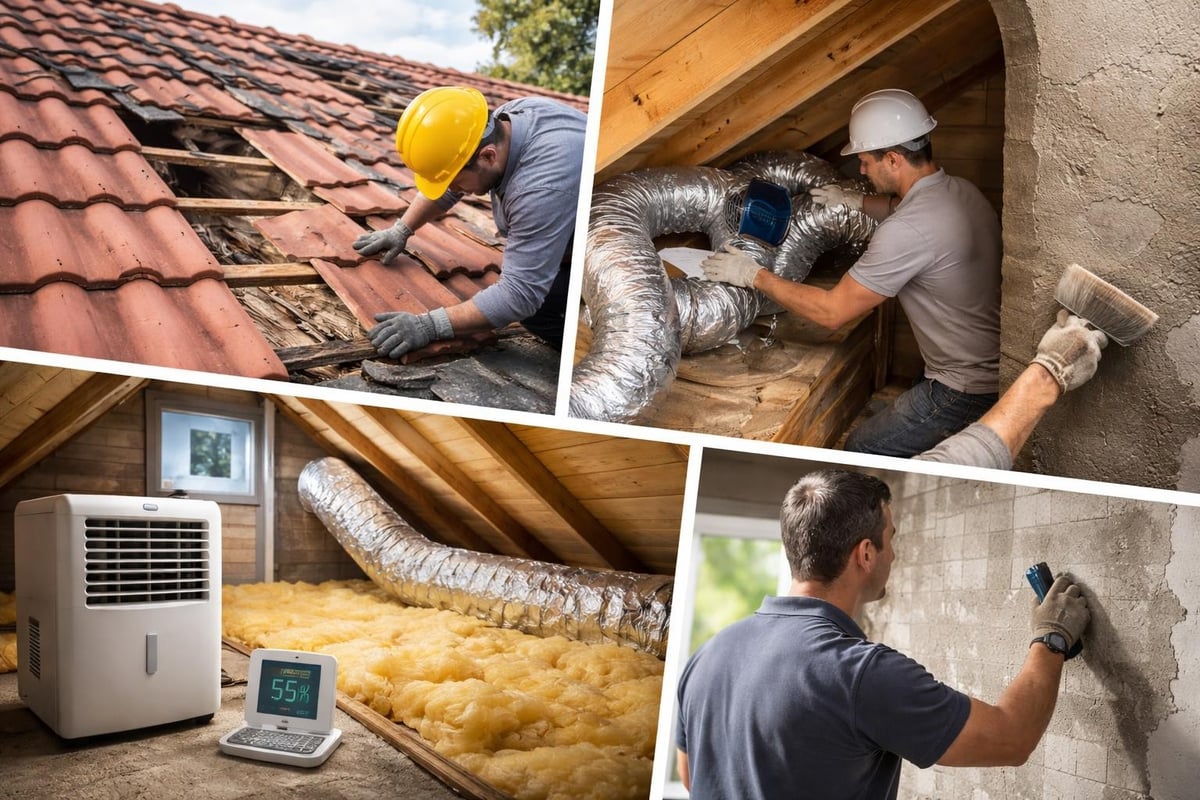
- Repairing roof damage and replacing deteriorated flashing
- Installing or repairing damp-proof courses and membranes
- Addressing plumbing leaks and condensation from pipes
- Improving ventilation through mechanical or passive systems
- Upgrading insulation to prevent cold surface condensation
The National Archives guidance on mould remediation emphasises that environmental control remains crucial for preventing recurrence, principles equally applicable to residential and commercial properties.
Ventilation and Climate Control
Essex properties require balanced ventilation strategies that remove moisture-laden air whilst maintaining energy efficiency. Mechanical ventilation with heat recovery (MVHR) systems offer optimal solutions for modern, well-sealed properties.
Ventilation options for different scenarios:
- Whole-house MVHR: Continuous balanced ventilation with energy recovery
- Positive input ventilation: Central unit providing gentle positive pressure
- Extract fans: Localised moisture removal from bathrooms and kitchens
- Passive vents: Trickle ventilators and airbricks for background ventilation
Relative humidity should remain below 60% to prevent mould growth. Hygrometers provide simple monitoring, whilst smart home systems can trigger dehumidifiers or increase ventilation automatically when humidity rises.
Post-Remediation Verification and Prevention
Completing physical remediation represents only part of a comprehensive mould remediation essex project. Verification testing confirms successful removal, whilst prevention strategies protect long-term property value and occupant health.
Clearance Testing
Professional remediation projects conclude with independent verification that mould levels have returned to acceptable ranges. This typically involves:
- Visual inspection confirming no visible mould growth
- Air sampling to quantify airborne spore concentrations
- Surface sampling of previously affected areas
- Moisture readings confirming dry conditions
Results are compared against baseline samples and industry standards. Successful remediation achieves spore levels consistent with outdoor air or typical indoor environments. Documentation of clearance testing provides evidence of proper remediation for property transactions, insurance claims, or regulatory compliance.
Long-Term Prevention Strategies
Property owners can implement multiple strategies to prevent mould recurrence. Professional mould treatment and prevention combines immediate remediation with ongoing maintenance.
Essential prevention measures include:
- Regular inspection of vulnerable areas (bathrooms, basements, roofs)
- Prompt repair of leaks and water damage
- Maintaining consistent heating during winter months
- Using bathroom and kitchen extract fans consistently
- Ensuring adequate air circulation around furniture and stored items
- Monitoring indoor humidity levels regularly
Some properties benefit from ongoing professional monitoring, particularly those with histories of severe mould problems or vulnerable occupants. Regular building surveys identify emerging issues before they develop into extensive contamination requiring major remediation.
Selecting Professional Remediation Services
Choosing qualified mould remediation essex contractors ensures effective, safe, and compliant work. The UK mould remediation industry includes various providers with differing qualifications, methodologies, and standards.
Key Qualifications and Certifications
Reputable mould remediation companies hold relevant certifications and maintain appropriate insurance coverage. Look for contractors with:
Professional credentials:
- IICRC certification in water damage restoration and applied microbial remediation
- CSRT (Certified Surveyor in Remedial Treatment) qualification
- Property Care Association (PCA) membership
- Compliance with Health and Safety Executive (HSE) requirements
- Public liability insurance (minimum £5 million coverage)
Certified professionals understand the biological, chemical, and structural aspects of mould problems. They follow evidence-based protocols rather than applying generic solutions that may prove ineffective or create additional problems.
Questions to Ask Potential Contractors
Before engaging a remediation company, property owners should gather detailed information about their approach and capabilities.
| Question Area | Purpose |
|---|---|
| Inspection methodology | Understand assessment thoroughness |
| Testing protocols | Verify scientific approach |
| Containment procedures | Assess cross-contamination prevention |
| Disposal methods | Confirm regulatory compliance |
| Warranty provision | Evaluate confidence in work quality |
Request detailed written estimates specifying work scope, materials, timelines, and costs. Compare multiple quotes, recognising that extremely low prices may indicate inadequate procedures or unqualified personnel.
Cost Considerations for Essex Property Owners
Mould remediation essex costs vary significantly based on contamination extent, property size, and required repairs. Understanding typical price ranges helps property owners budget appropriately and recognise potentially unrealistic quotes.
Typical Price Ranges
Small-scale remediation (isolated areas under 1 square metre) might cost £300-£800, primarily involving localised cleaning and minor repairs. Medium projects addressing multiple rooms or extensive single-room contamination typically range from £1,500-£5,000, including containment, material removal, and antimicrobial treatment.
Large-scale remediation following severe water damage or long-term neglect can exceed £10,000-£15,000, particularly when structural repairs, complete room strips, and extensive moisture barrier installation become necessary.
Additional costs often include:
- Initial inspection and testing: £200-£500
- Laboratory analysis: £100-£300 per sample set
- Post-remediation verification: £200-£400
- Necessary building repairs: Highly variable
- Prevention system installation: £500-£3,000
Insurance Coverage
Some home insurance policies cover mould remediation when resulting from insured perils like sudden pipe bursts or storm damage. However, policies typically exclude damage from ongoing maintenance issues, gradual leaks, or condensation problems.
Review policy terms carefully and document all damage thoroughly. Professional remediation companies experienced with insurance claims can provide detailed reports supporting coverage claims. Landlord insurance often includes specific provisions for mould remediation, recognising it as a potential landlord responsibility.
Specialist Scenarios in Essex
Certain Essex properties present unique mould challenges requiring specialised approaches. Understanding these scenarios helps property owners recognise when standard remediation protocols need adaptation.
Historic Buildings
Essex contains numerous listed buildings and properties within conservation areas. Colchester, Britain's oldest recorded town, features Roman walls and medieval structures alongside Georgian and Victorian architecture. These historic properties demand remediation approaches that preserve architectural integrity whilst addressing modern health and safety requirements.
Traditional building materials like lime plaster, oak timber frames, and traditional brick respond differently to modern treatments. Breathable materials in historic construction actually help manage moisture when maintained properly, but inappropriate repairs using modern cement-based materials can trap moisture and exacerbate problems.
Specialist conservation contractors understand these complexities and employ techniques compatible with traditional construction, including:
- Lime-based plasters and mortars maintaining breathability
- Gentle cleaning methods preserving historic surfaces
- Strategic ventilation improvements respecting building character
- Reversible treatments allowing future intervention
Commercial and Industrial Properties
Essex's commercial sector, including warehouses in Tilbury, manufacturing facilities in Basildon, and retail spaces across the county, faces distinct mould challenges. Large open spaces, varying occupancy patterns, and specialised functions create unique moisture dynamics.
Commercial mould remediation often requires:
- Minimal disruption scheduling to maintain business operations
- Large-scale containment for extensive affected areas
- Coordination with multiple stakeholders including tenants, property managers, and regulatory authorities
- Specialised equipment for high ceilings, HVAC systems, and industrial processes
- Comprehensive documentation for health and safety compliance
The quality management systems implemented by certified remediation companies ensure consistent service delivery across varied commercial environments whilst maintaining strict safety and quality standards.
Regulatory Framework and Compliance
Mould remediation essex projects must navigate multiple regulatory requirements ensuring worker safety, environmental protection, and occupant health. Understanding these frameworks helps property owners verify contractor compliance.
Health and Safety Regulations
The Health and Safety at Work Act 1974 establishes fundamental requirements for protecting workers and building occupants during remediation. Specific regulations applicable to mould work include:
Control of Substances Hazardous to Health (COSHH) Regulations 2002: Require risk assessment of mould exposure and implementation of appropriate control measures. Remediation companies must evaluate specific mould hazards, provide adequate PPE, and implement containment preventing exposure beyond work areas.
Personal Protective Equipment at Work Regulations 1992: Mandate suitable respiratory protection, protective clothing, and eye protection for workers handling contaminated materials or performing invasive remediation.
Contractors should provide comprehensive method statements demonstrating compliance with these regulations. Property owners have rights to verify contractor safety procedures, particularly in occupied buildings where residents might be exposed to remediation activities.
Waste Disposal Requirements
Mould-contaminated materials require proper disposal under Environmental Protection Act 1990 regulations. Remediation contractors must:
- Classify waste appropriately using Waste Framework Directive codes
- Use licensed waste carriers for transportation
- Dispose of materials at authorised facilities
- Maintain waste transfer documentation
Most mould-contaminated building materials classify as non-hazardous waste, but documentation proving proper disposal protects property owners from potential environmental violations. Request copies of waste transfer notes confirming compliant disposal.
Regional Variations Across Essex
Essex's geographic diversity creates varying mould risk profiles across different areas. Understanding these regional patterns helps property owners recognise specific vulnerabilities.
Coastal Areas
Southend-on-Sea, Clacton-on-Sea, Walton-on-the-Naze, and other coastal communities experience elevated mould risks from several factors:
Salt-laden air accelerates exterior material degradation, creating pathways for water ingress. Properties within 5km of the coast show statistically higher rates of external wall dampness compared to inland locations.
Higher relative humidity from proximity to the North Sea creates increased condensation risk, particularly during temperature fluctuations between day and night.
Storm exposure results in more frequent wind-driven rain, testing exterior envelope integrity and exposing construction weaknesses.
Urban Essex
Major urban centres including Chelmsford, Colchester, and Basildon face different challenges:
- Higher building density reduces natural ventilation and creates urban heat islands affecting moisture dynamics
- Older housing stock contains construction methods vulnerable to modern moisture loads
- Conversion properties (houses divided into flats) often have inadequate ventilation provision
- Social housing concentrations may experience maintenance backlogs allowing problems to develop
Urban areas benefit from greater access to professional services, but competition among contractors varies in quality. Verify credentials carefully regardless of marketing sophistication.
Rural Essex
Rural properties, particularly in areas like Uttlesford and Tendring districts, present unique scenarios:
Agricultural buildings converted to residential use may lack proper damp-proofing or have ventilation designed for different purposes. Isolated properties face longer response times when leaks occur, allowing more extensive damage before remediation begins. Older rural housing stock frequently features solid wall construction and may lack modern moisture barriers.
However, rural properties often enjoy better natural ventilation and lower humidity from surrounding vegetation and open spaces, partially offsetting some risk factors.
Addressing mould growth requires comprehensive understanding of causes, health implications, remediation protocols, and prevention strategies tailored to Essex's unique environmental conditions. Professional intervention ensures thorough removal whilst protecting property value and occupant wellbeing through compliant, evidence-based approaches. Mouldsurv Ltd provides certified mould remediation services across Essex, combining advanced diagnostic technology with industry-leading protocols to deliver complete solutions from initial assessment through long-term prevention, ensuring your property meets all UK regulatory requirements whilst maintaining a healthy indoor environment.