
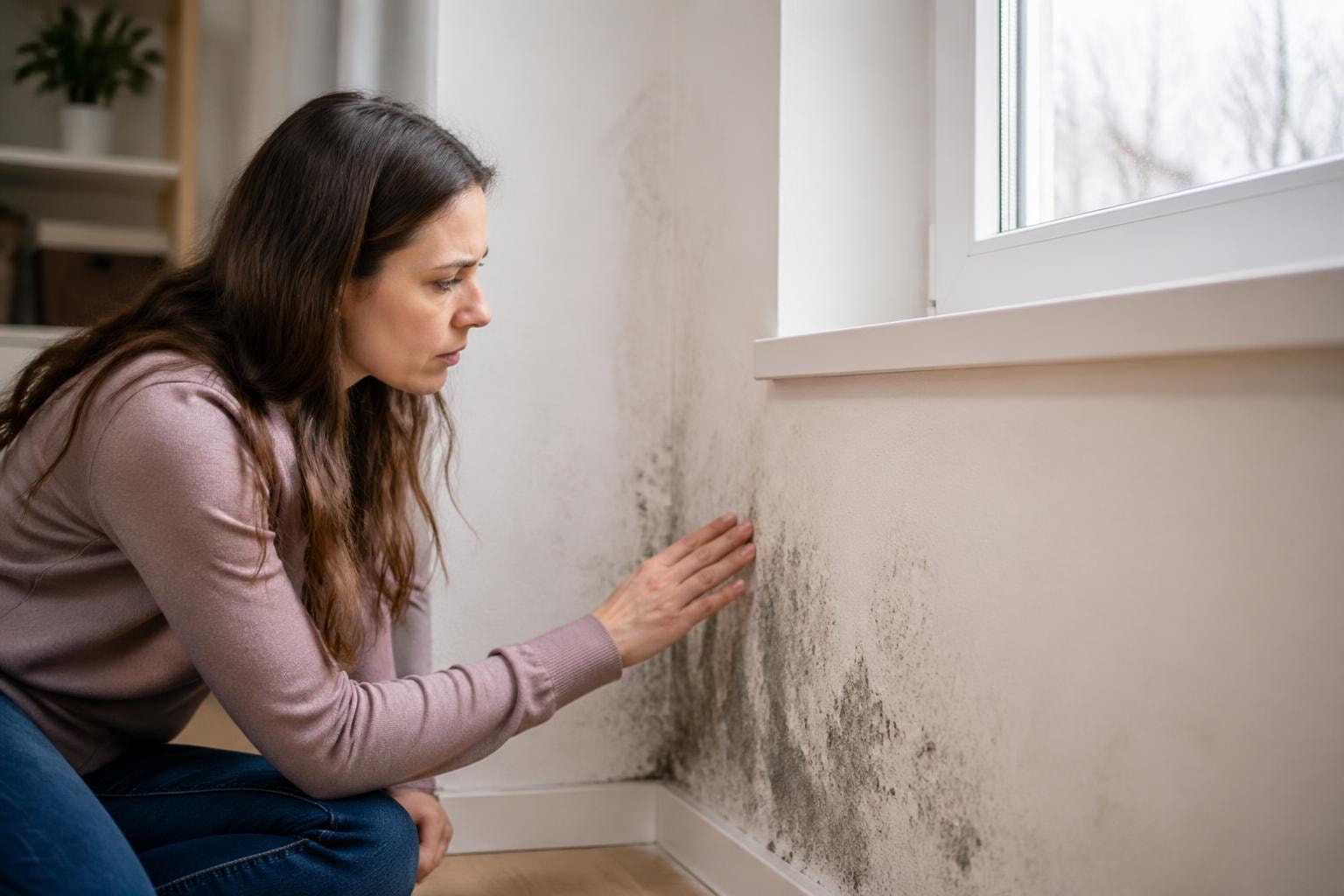
Mould growth in residential and commercial properties remains a persistent challenge across the United Kingdom, particularly in regions with higher humidity levels and older building stock. The presence of mould not only compromises the structural integrity of buildings but also poses significant health risks to occupants. Understanding and implementing effective mould prevention strategies can save property owners thousands of pounds in remediation costs whilst protecting the wellbeing of residents. This comprehensive guide explores proven methods to keep your property mould-free throughout the year.
Understanding the Root Causes of Mould Growth
Mould spores exist naturally in the environment and only require three fundamental conditions to flourish: moisture, warmth, and organic material. The challenge in mould prevention lies in controlling these factors within built environments.
The Critical Role of Moisture
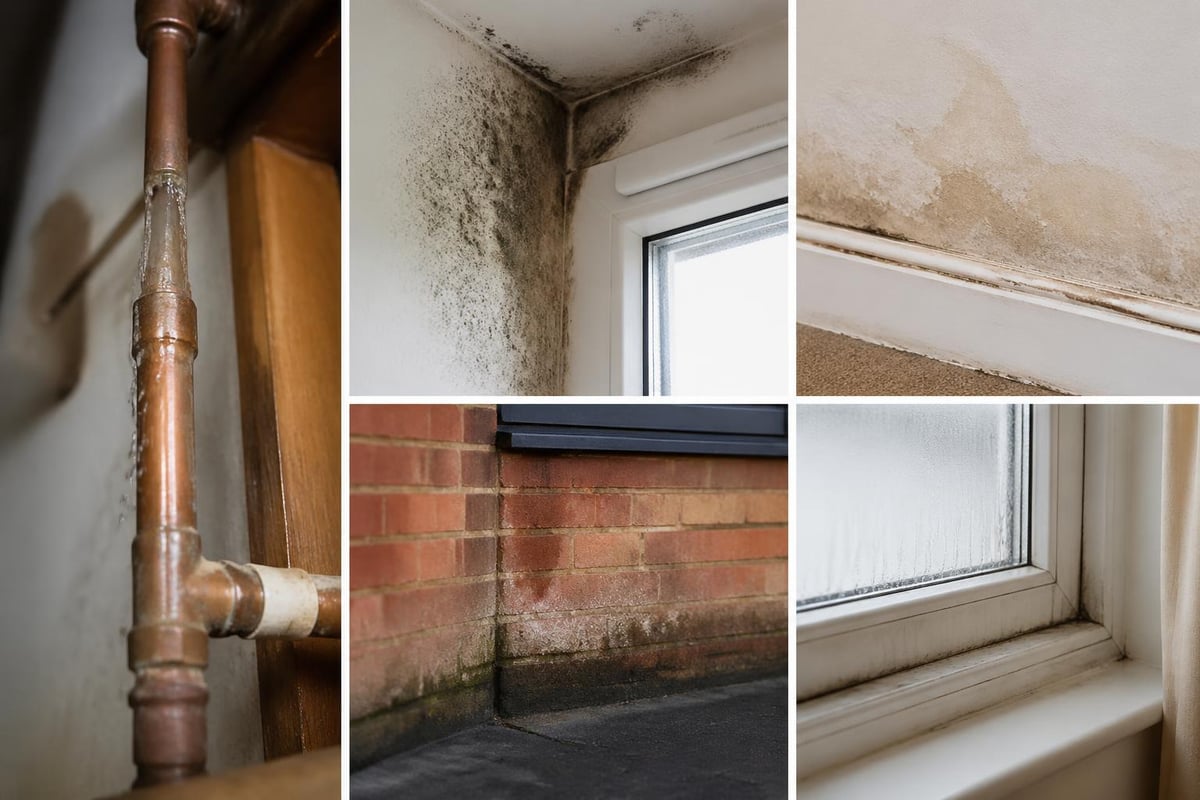
Water infiltration and excessive humidity create the ideal breeding ground for mould colonies. Common moisture sources include:
- Leaking pipes and plumbing fixtures
- Condensation on cold surfaces
- Rising damp from inadequate damp-proof courses
- Penetrating damp through compromised building envelopes
- Insufficient extraction in bathrooms and kitchens
Properties in Essex, London, and Kent frequently encounter moisture challenges due to coastal proximity and varying construction standards across different building eras. The World Health Organization's guidelines on indoor air quality emphasize that controlling moisture at its source represents the most effective approach to preventing mould-related health issues.
Temperature and Ventilation Dynamics
Cold surfaces combined with warm, humid air create condensation, which provides the moisture mould needs to establish itself. This phenomenon occurs most frequently during winter months when heating systems create temperature differentials between interior air and exterior walls.
Effective Ventilation Strategies for Mould Prevention
Proper airflow throughout your property serves as your first line of defence against mould colonization. Stagnant air allows humidity to accumulate, creating microenvironments where mould thrives.
Natural Ventilation Techniques
Opening windows daily, even during colder months, allows fresh air circulation and moisture escape. Strategic window opening proves particularly effective in high-humidity areas such as bathrooms and kitchens immediately following activities that generate steam or moisture.
| Room Type | Ventilation Frequency | Duration | Best Practice |
|---|---|---|---|
| Bathroom | After every shower/bath | 15-20 minutes | Use extractor fan continuously |
| Kitchen | During and after cooking | 20-30 minutes | Keep extractor running longer |
| Bedrooms | Daily | 10-15 minutes | Open windows in morning |
| Living Areas | Twice daily | 10-15 minutes | Cross-ventilate when possible |
Mechanical Ventilation Solutions
Modern properties benefit significantly from mechanical ventilation systems. Extractor fans in bathrooms and kitchens should vent directly to the exterior rather than into loft spaces. According to research on mould-affected housing, inadequate mechanical ventilation represents a significant risk factor for mould development in residential properties.
Key specifications for effective extraction:
- Bathroom extractors should achieve minimum 15 litres per second airflow
- Kitchen extractors require 60 litres per second capacity
- Humidity-activated fans provide automated moisture control
- Timer overrun functions ensure adequate post-use ventilation
Positive input ventilation (PIV) systems installed in loft spaces continuously introduce filtered air into properties, creating positive pressure that forces moist air out through natural leakage points.
Humidity Control and Monitoring
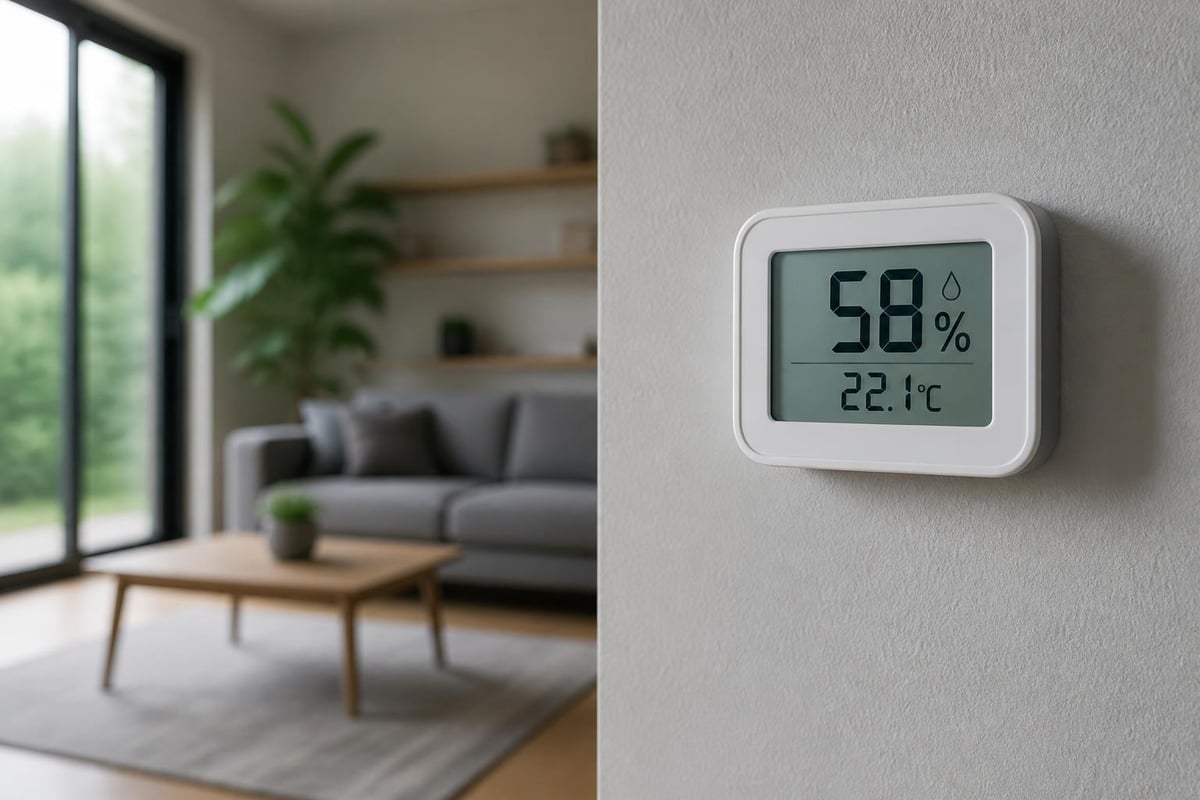
Maintaining relative humidity below 60% significantly reduces mould risk, with optimal levels ranging between 40% and 50%. Professional Mould Preventative Maintenance services can establish monitoring systems that alert property owners to humidity fluctuations before mould problems develop.
Dehumidification Methods
Portable Dehumidifiers
These appliances actively remove moisture from air, proving particularly valuable in properties lacking adequate ventilation or experiencing persistent dampness. Modern dehumidifiers incorporate humidistats that automatically maintain target humidity levels.
Desiccant vs Refrigerant Models
Refrigerant dehumidifiers work efficiently in warmer temperatures above 15°C, whilst desiccant models perform better in colder environments typical of UK winters. Selecting the appropriate technology for your specific circumstances optimizes mould prevention efforts.
Strategic Moisture-Generating Activity Management
Daily activities contribute substantial moisture to indoor environments. A typical family of four generates approximately 10-15 litres of water vapor daily through breathing, cooking, bathing, and washing.
- Drying laundry outdoors whenever possible
- Using lids on cooking pots to contain steam
- Taking shorter showers to reduce moisture generation
- Venting tumble dryers externally
- Avoiding portable gas heaters that produce water vapor
Building Fabric Maintenance for Mould Prevention
The physical condition of your property determines its susceptibility to moisture ingress and subsequent mould growth. Regular maintenance prevents small issues from developing into significant mould problems.
External Maintenance Priorities
- Roof Inspection: Check tiles, flashing, and guttering quarterly for damage or blockages
- Rainwater Goods: Clear gutters and downpipes seasonally to prevent overflow
- Wall Rendering: Repair cracks in external render promptly to prevent water penetration
- Window Seals: Maintain weather seals around frames and replace perished components
- Door Thresholds: Ensure proper sealing at entry points
Internal Fabric Considerations
Cold bridging occurs where building elements conduct cold from exterior to interior, creating condensation zones. Thermal imaging surveys identify these vulnerable areas, allowing targeted intervention.
Insulation improvements reduce cold surface temperatures:
| Location | Insulation Type | U-Value Improvement | Mould Prevention Benefit |
|---|---|---|---|
| Loft | Mineral wool 270mm | 0.16 W/m²K | Prevents ceiling condensation |
| Cavity walls | Blown insulation | 0.30 W/m²K | Eliminates cold spots |
| Solid walls | Internal/external | 0.35 W/m²K | Raises surface temperatures |
| Floors | Rigid foam boards | 0.25 W/m²K | Reduces ground moisture |
The EPA's guidance on mould prevention emphasizes that addressing building defects represents a fundamental step in long-term mould control strategies.
Heating and Temperature Management
Consistent, adequate heating maintains surface temperatures above dew point, preventing condensation. Properties left unheated or with sporadic heating patterns experience greater mould risk.
Efficient Heating Schedules
Winter heating recommendations:
- Maintain minimum 18°C throughout occupied spaces
- Avoid dramatic temperature fluctuations
- Heat all rooms to some degree rather than concentrating warmth
- Use thermostatic radiator valves for room-by-room control
- Consider background heating during unoccupied periods
Properties with solid walls require particular attention, as these construction types lose heat rapidly and develop cold internal surfaces conducive to mould growth.
Furniture Placement and Air Circulation
Mould frequently develops behind furniture positioned against external walls, where air circulation becomes restricted and cold surface temperatures persist.
Optimal furniture arrangement strategies:
- Maintain 50-100mm gap between furniture and external walls
- Avoid overfilling wardrobes and cupboards
- Use slatted furniture bases to promote airflow
- Position beds away from cold external walls
- Ensure curtains don't obstruct radiators or ventilation
Bathroom and Kitchen-Specific Mould Prevention
These wet areas require focused attention due to regular moisture exposure and elevated humidity levels.
Bathroom Protection Measures
Installing and maintaining appropriate barriers prevents moisture accumulation:
- Shower curtains or screens contain water spray
- Exhaust fans extract steam during and after bathing
- Wipeable surfaces on walls adjacent to water sources
- Regular grout inspection and resealing
- Heated towel rails assist moisture evaporation
Kitchen Moisture Management
Cooking generates substantial steam and airborne moisture. Effective extraction proves essential, with range hoods positioned correctly and vented externally providing optimal performance. The German Environment Agency's guideline on mould details comprehensive moisture control approaches for different room types.

Storage and Basement Considerations
Rarely accessed spaces accumulate moisture unnoticed. Basements, lofts, and storage cupboards require specific mould prevention approaches.
Storage area best practices:
- Install ventilation bricks or air bricks in basement walls
- Use moisture-resistant storage containers
- Maintain air gaps around stored items
- Monitor humidity with portable hygrometers
- Inspect regularly for early mould signs
- Consider standalone dehumidifiers in particularly vulnerable spaces
Seasonal Mould Prevention Adjustments
Different seasons present varying challenges requiring adapted strategies. Understanding these patterns allows proactive intervention.
Winter Strategies
Cold external temperatures combined with internal heating create maximum condensation risk. Increased ventilation proves counterintuitive but essential, balanced against heating efficiency concerns. Trickle ventilators in window frames provide continuous background ventilation without excessive heat loss.
Summer Approaches
Whilst condensation risk diminishes, summer presents its own challenges. Heavy rainfall can expose building defects, whilst humid conditions without adequate ventilation still support mould growth. Regular property inspections following severe weather identify new moisture ingress points requiring attention.
Professional Assessment and Intervention
Despite implementing comprehensive mould prevention measures, some properties require professional evaluation to identify underlying issues. Structural problems, concealed leaks, or design deficiencies may necessitate expert diagnosis and intervention through services like professional remediation.
Advanced diagnostic techniques include thermal imaging, moisture meters, and air quality sampling that pinpoint problem areas invisible to standard inspection. Early professional involvement prevents minor issues escalating into extensive remediation projects.
Health Considerations and Early Detection
Recognizing early warning signs enables prompt action before extensive colonization occurs. Musty odours, visible discolouration, and allergic symptoms in occupants all indicate potential mould presence.
Cree Health's guidance on preventing mould emphasizes the connection between proactive moisture control and respiratory health protection. Individuals with asthma, allergies, or compromised immune systems face elevated risks from mould exposure, making prevention particularly crucial for vulnerable populations.
Early warning indicators:
- Persistent musty or earthy odours
- Condensation on windows and walls
- Peeling wallpaper or paint
- Dark spots on walls or ceilings
- Increased allergy or asthma symptoms
Documentation and Record Keeping
Maintaining records of maintenance activities, ventilation habits, and environmental conditions assists in identifying patterns and demonstrating due diligence. Property owners benefit from documenting:
- Heating and ventilation schedules
- Maintenance and repair work completed
- Humidity readings from different locations
- Professional inspection reports
- Photographs of vulnerable areas over time
This systematic approach enables data-driven decision-making regarding mould prevention investments and interventions.
Protecting your property from mould requires consistent attention to moisture control, ventilation, heating, and building maintenance rather than reactive measures after colonization occurs. By implementing these comprehensive mould prevention strategies, property owners across Essex, London, and Kent can maintain healthy indoor environments whilst preserving building fabric and value. Mouldsurv Ltd provides professional support for property owners seeking expert assessment, preventative solutions, and peace of mind through certified mould and damp services that ensure full compliance with UK legislation.