Property owners across the United Kingdom face an often invisible threat that can compromise both structural integrity and human health. Mould growth represents a persistent challenge in the British climate, where dampness and limited ventilation create ideal conditions for fungal proliferation. Professional mould inspection services provide essential diagnostic capabilities that go far beyond what the untrained eye can detect, offering comprehensive assessments that identify hidden colonies, determine species types, and establish the underlying moisture sources driving growth. Understanding what these services entail and when to engage them can mean the difference between minor remediation and extensive property damage.
Understanding Professional Mould Inspection Services
Mould inspection services encompass a systematic evaluation of properties to detect, identify, and assess fungal contamination. These professional assessments involve trained inspectors using specialized equipment to examine visible and concealed areas where moisture accumulates. Unlike casual visual checks, comprehensive inspections follow established protocols that ensure thoroughness and accuracy.
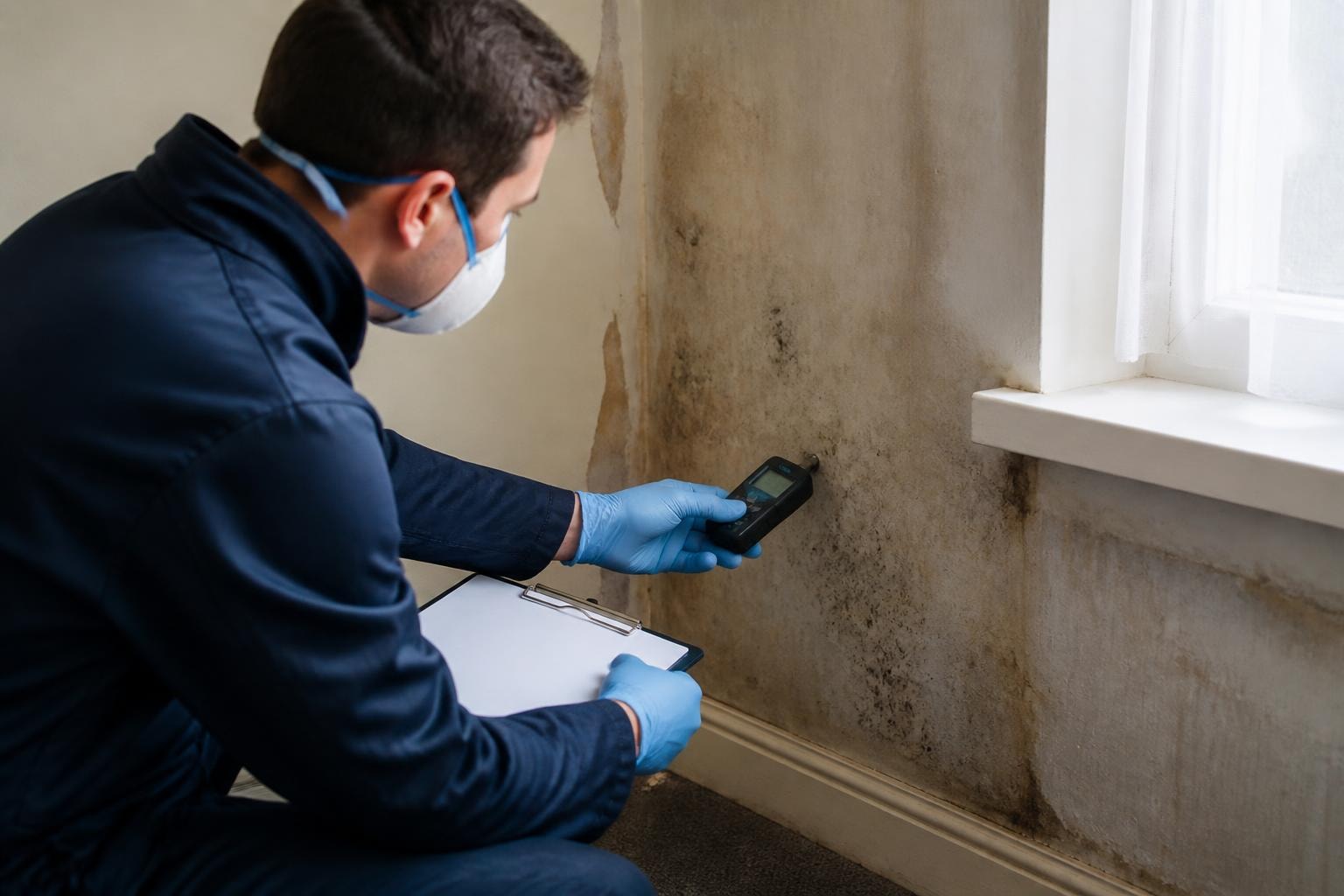
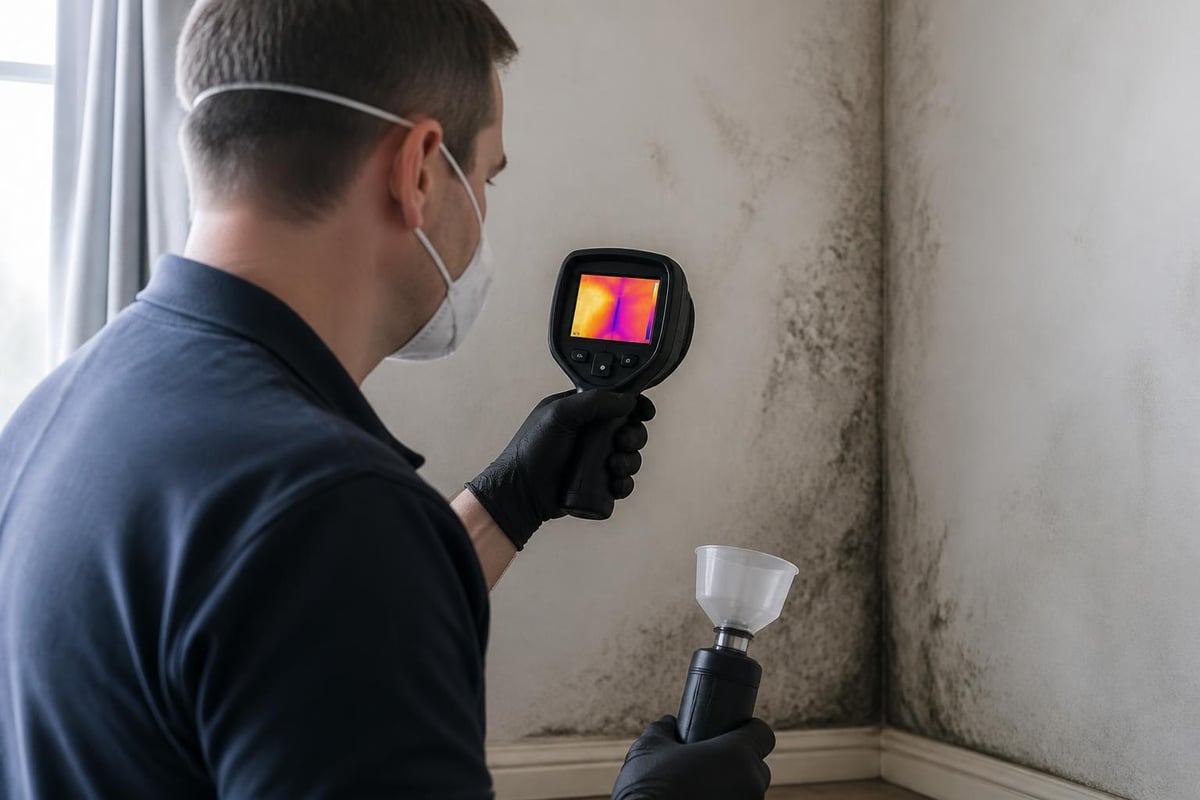
Professional inspectors examine critical areas including wall cavities, beneath flooring, within HVAC systems, and around plumbing fixtures. They employ moisture meters, thermal imaging cameras, and air sampling equipment to gather empirical data about contamination levels. The International Association of Certified Indoor Air Consultants provides detailed standards for different inspection types, ensuring consistent professional approaches.
The inspection process typically generates a detailed report documenting findings, including photographs, laboratory results, and recommendations for remediation. This documentation serves multiple purposes, from insurance claims to legal compliance and property transactions.
Complete vs Limited Inspections
Two primary service tiers exist within professional mould inspection services:
Complete Inspections involve comprehensive property assessment examining all accessible areas. Inspectors systematically evaluate every room, crawlspace, attic, and basement, taking multiple samples and measurements. These inspections suit properties with unknown contamination extent or those requiring thorough documentation.
Limited Inspections focus on specific areas of concern. Property owners might request targeted assessment of a single room, a suspected wall cavity, or a particular moisture incident area. These services cost less but provide narrower scope findings.
| Inspection Type | Scope | Best For | Typical Duration |
|---|---|---|---|
| Complete | Entire property | Unknown issues, property sales | 3-6 hours |
| Limited | Specific areas | Confirmed locations, follow-up checks | 1-2 hours |
| Post-Remediation | Treated areas | Verification after removal | 1-3 hours |
Most professionals recommend complete inspections when mould odours persist without visible source, when occupants experience unexplained respiratory symptoms, or before purchasing property.
The Mould Inspection Process Explained
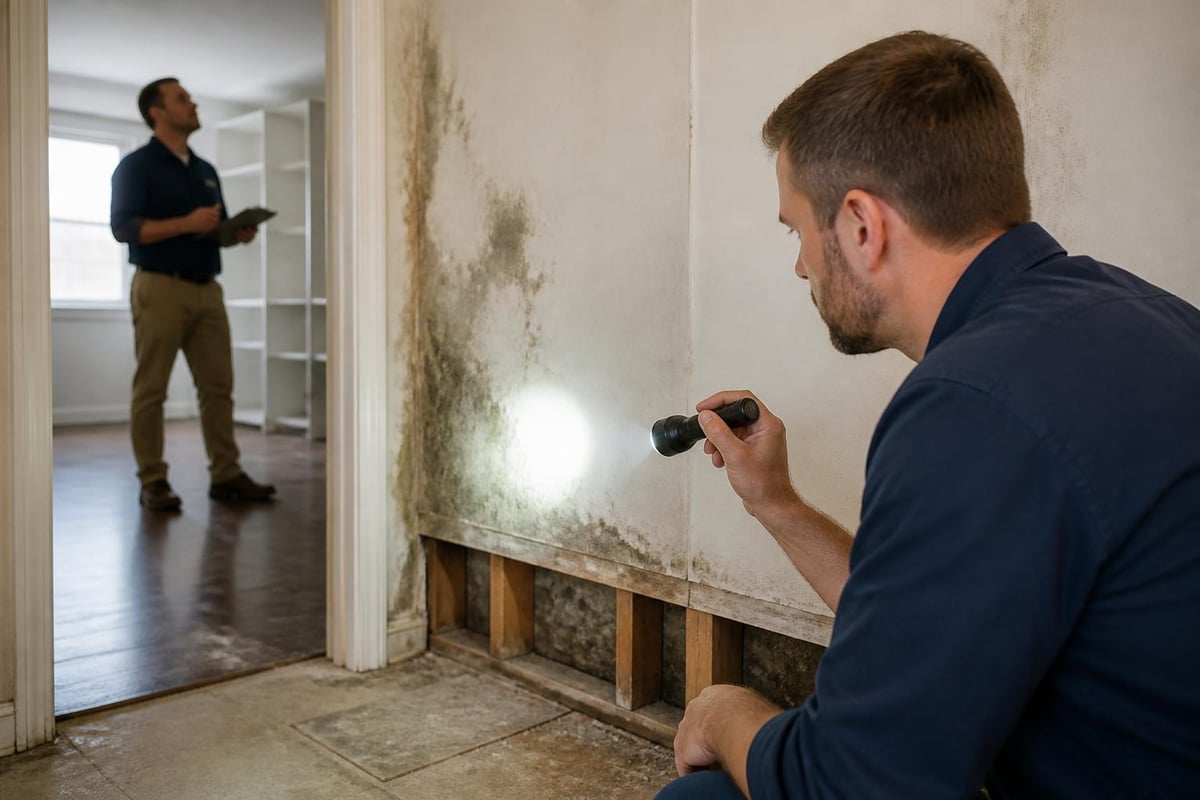
Professional mould inspection services follow structured methodologies ensuring no potential contamination goes unnoticed. The process begins with client consultation, where inspectors gather information about property history, moisture events, and occupant health concerns. This background information guides the physical inspection strategy.
Visual Assessment Phase
Inspectors conduct systematic visual examinations of all accessible areas. They look for:
- Discoloured patches on walls, ceilings, and floors
- Water stains indicating past or current leaks
- Condensation patterns on windows and cold surfaces
- Damaged or warped building materials
- Visible fungal growth in various colours and textures
Visual assessment identifies obvious contamination whilst revealing clues about hidden problems. Staining patterns, material deterioration, and musty odours all provide valuable diagnostic information.
Moisture Detection and Mapping
Moisture presence drives mould growth, making moisture detection central to professional inspections. Inspectors use several technologies:
- Moisture meters measure water content in building materials
- Thermal imaging cameras reveal temperature differentials indicating dampness
- Hygrometers assess relative humidity levels throughout the property
- Infrared thermography detects hidden moisture behind surfaces
These tools create moisture maps showing where water accumulates, helping identify leak sources, condensation zones, and inadequate ventilation areas. Understanding moisture distribution patterns proves crucial for effective remediation planning.
Air and Surface Sampling
Laboratory analysis provides definitive identification of mould species and concentration levels. Professional mould inspection services typically employ several sampling methods:
Air sampling captures airborne spore concentrations using specialized pumps and collection media. Inspectors take samples in affected areas and compare them with outdoor baseline samples. The Environmental Protection Agency discusses sampling methodology and when it proves necessary.
Surface sampling collects material directly from suspected mould growth using swabs, tape lifts, or bulk material samples. These samples undergo laboratory analysis identifying specific species present.
Dust sampling from HVAC systems and settled particles can reveal historical contamination patterns and ongoing spore distribution.
Health Implications and Risk Assessment
Mould exposure presents various health risks, making professional inspection services essential for protecting occupants. Different individuals experience varying sensitivity levels, with some populations facing heightened vulnerability.
Health Effects of Mould Exposure
The Centers for Disease Control and Prevention provides comprehensive guidance on mould-related health impacts. Common symptoms include:
- Respiratory irritation and difficulty breathing
- Nasal congestion and sinus problems
- Eye irritation and excessive tearing
- Skin rashes and dermatological reactions
- Persistent coughing and wheezing
- Headaches and fatigue
Individuals with asthma, allergies, or compromised immune systems face greater risks. Young children and elderly occupants similarly show increased susceptibility to mould-related health problems.
Professional inspectors assess contamination severity and species types, providing risk categorization that informs remediation urgency. Some species produce mycotoxins requiring immediate attention, whilst others present primarily allergenic concerns.
UK Legislation and Compliance Requirements
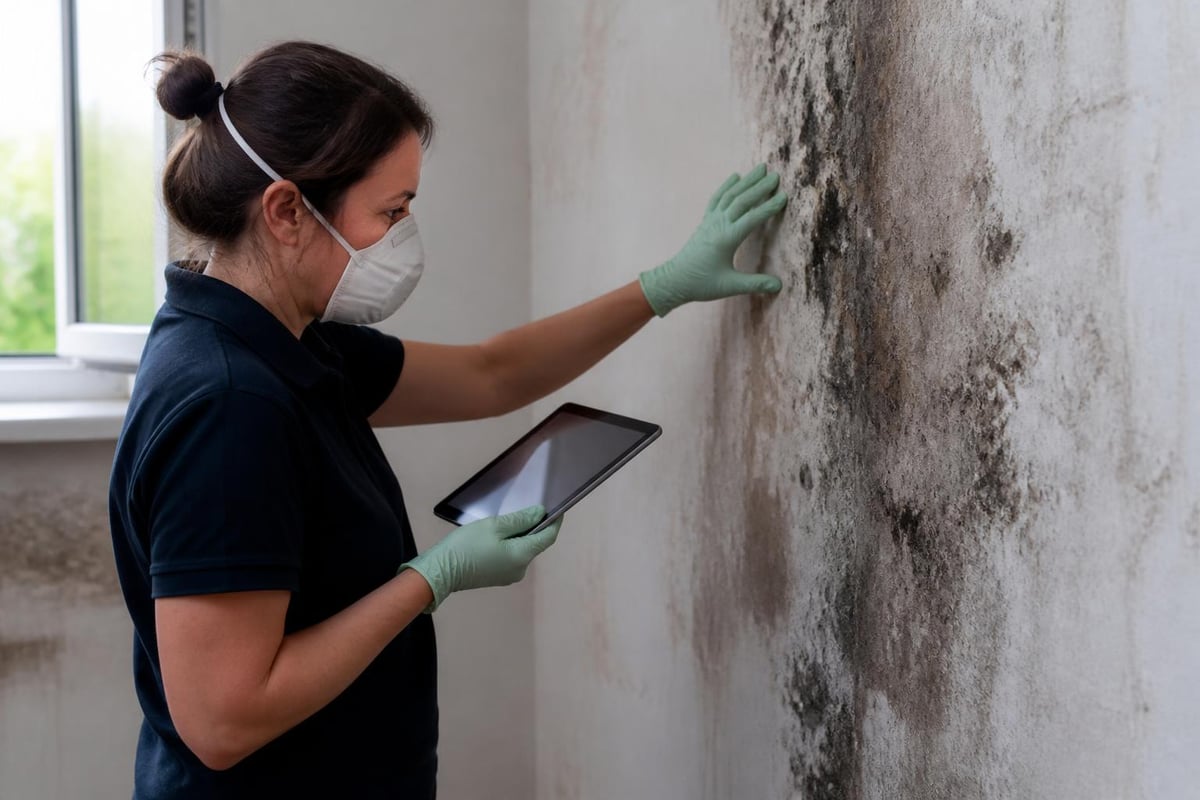
Property owners, landlords, and businesses must navigate various legal obligations regarding mould and dampness. Professional mould inspection services provide documentation demonstrating compliance with regulatory frameworks.
Housing Health and Safety Rating System
The Housing Health and Safety Rating System (HHSRS) identifies damp and mould growth as Category 1 hazards when they pose serious health risks. Local authorities can serve improvement notices requiring landlords to address these issues. Professional inspection reports provide evidence either demonstrating compliance or documenting necessary remediation work.
Landlord Responsibilities
The Homes (Fitness for Human Habitation) Act 2018 requires rental properties remain fit for habitation, including remaining free from serious damp and mould problems. Landlords must:
- Respond promptly to tenant mould reports
- Investigate underlying causes, not just surface symptoms
- Undertake necessary repairs to building fabric
- Ensure adequate ventilation exists
- Maintain heating systems appropriately
Professional mould inspection services help landlords fulfill these obligations whilst protecting themselves from potential legal action. For properties requiring intervention, certified Mould Remediation services ensure work meets industry standards and regulatory requirements.
When to Commission Mould Inspection Services
Timing proves crucial when engaging professional mould inspection services. Several scenarios warrant immediate professional assessment rather than delayed response.
Property Purchase Investigations
Prospective property buyers should consider mould inspections during the survey process. Visible growth, musty odours, or evidence of past water damage all justify professional assessment. Pre-purchase inspections reveal hidden problems that might otherwise emerge after completion, potentially saving thousands in unexpected remediation costs.
Properties with basements, flat roofs, or previous flood history merit particular scrutiny. Older buildings with solid walls and limited ventilation similarly benefit from professional evaluation.
Post-Water Damage Assessment
Any significant water intrusion event requires follow-up inspection within 48-72 hours. Flooding, roof leaks, burst pipes, and sewage backups create conditions where mould colonies establish rapidly. Even after visible water removal, moisture remains in building materials, creating ongoing contamination risks.
Professional inspectors determine whether building materials dried adequately or require removal. They identify secondary moisture problems arising from the initial incident and establish monitoring protocols.
Unexplained Health Symptoms
When occupants experience persistent respiratory problems, allergies, or other health issues without clear cause, mould contamination warrants investigation. Hidden growth behind walls, above ceilings, or within ventilation systems often produces symptoms without visible evidence.
| Symptom Pattern | Inspection Priority | Typical Investigation Areas |
|---|---|---|
| Seasonal worsening | Medium | Windows, external walls, roof |
| Constant symptoms | High | HVAC systems, concealed leaks |
| Room-specific issues | Medium | Identified rooms plus adjacent spaces |
| Building-wide problems | High | Complete property assessment |
Professional mould inspection services can correlate symptom patterns with contamination locations, helping identify sources affecting occupant health.
Choosing Qualified Mould Inspection Professionals
The mould inspection industry includes varying qualification levels and service standards. Property owners benefit from understanding professional credentials and selecting appropriately qualified inspectors.
Professional Certifications and Standards
Several organizations provide certification demonstrating inspector competence. The American Council for Accredited Certification outlines requirements for Certified Residential Mold Inspectors, whilst the National Association of Mold Remediators and Inspectors establishes practice standards ensuring ethical, thorough inspections.
UK-based inspectors should hold relevant qualifications from recognized bodies and maintain professional indemnity insurance. Experience with British building construction, climate conditions, and regulatory frameworks proves essential for accurate assessment.
Questions to Ask Potential Inspectors
Before engaging mould inspection services, property owners should verify:
- Professional certifications and continuing education
- Insurance coverage and liability protection
- Laboratory partnerships for sample analysis
- Report format and detail level
- Remediation independence (avoiding conflicts of interest)
- Familiarity with UK building regulations
Reputable inspectors provide detailed quotations specifying included services, sampling numbers, and report delivery timeframes. They explain their methodology and answer questions about their approach.
Advanced Detection Technologies
Modern mould inspection services employ sophisticated equipment enhancing detection capabilities beyond traditional visual assessment. These technologies reveal hidden contamination and provide quantifiable data supporting remediation decisions.
Thermal Imaging Applications
Infrared cameras detect temperature variations across building surfaces. Moisture-laden materials exhibit different thermal properties than dry materials, appearing as distinct patterns on thermal images. Inspectors use thermal imaging to:
- Locate hidden leaks within wall cavities
- Identify insulation gaps causing condensation
- Map moisture distribution across large areas
- Detect plumbing problems behind finished surfaces
Thermal imaging proves particularly valuable in properties with concealed mould growth where destructive investigation would otherwise be necessary.
Moisture Measurement Systems
Professional-grade moisture meters provide precise readings indicating water content in various materials. Pin-type meters penetrate surfaces measuring electrical resistance, whilst pinless meters use electromagnetic fields scanning broader areas without surface damage.
Inspectors take multiple readings creating moisture profiles showing where water accumulates. These measurements guide sampling locations and help establish remediation boundaries.
Laboratory Analysis and Reporting
Sample analysis provides scientific confirmation of mould presence, species identification, and concentration quantification. Understanding laboratory processes helps property owners interpret inspection findings effectively.
Analysis Methods
Accredited laboratories employ several analytical techniques:
Microscopy examines air samples under magnification, identifying and counting spore types. Analysts compare affected area samples with outdoor control samples, determining whether indoor concentrations exceed normal levels.
Culture analysis grows viable spores from samples, allowing detailed species identification. This process takes longer than microscopy but provides comprehensive species information.
DNA analysis identifies species through genetic material, offering rapid, accurate results for specific contamination concerns.
Professional mould inspection services partner with certified laboratories ensuring reliable, defensible results. Laboratory reports include:
- Spore count data across identified species
- Comparison with baseline outdoor samples
- Species-specific health risk information
- Recommendations based on contamination levels
- Chain of custody documentation
Interpreting Inspection Reports
Comprehensive reports translate technical findings into actionable information. They typically include:
- Executive summary highlighting key findings
- Detailed methodology description
- Photographic documentation of affected areas
- Moisture mapping diagrams
- Laboratory analysis results
- Species identification and health implications
- Remediation recommendations prioritized by urgency
- Preventative maintenance suggestions
Property owners should ensure they understand report findings before proceeding with remediation. Reputable inspectors explain results clearly and answer follow-up questions.
Cost Considerations for Mould Inspection Services
Professional mould inspection services represent an investment in property health and occupant safety. Understanding cost factors helps property owners budget appropriately whilst recognizing value beyond simple pricing.
Factors Affecting Inspection Costs
Several variables influence professional inspection pricing:
Property size directly impacts inspection duration and sampling requirements. Larger properties require more time, additional samples, and extended analysis.
Inspection scope determines whether complete or limited assessment occurs. Targeted inspections cost less but provide narrower information.
Sampling requirements vary based on contamination extent and property owner needs. Each air sample, surface sample, or bulk material sample incurs laboratory analysis fees.
Access challenges increase costs when inspectors must examine difficult areas requiring specialized equipment or additional time.
| Service Component | Typical Cost Range | What's Included |
|---|---|---|
| Basic visual inspection | £200-400 | Visual assessment, moisture readings, verbal report |
| Standard inspection with sampling | £400-800 | Complete inspection, 3-5 samples, written report |
| Comprehensive assessment | £800-1,500+ | Extensive sampling, thermal imaging, detailed report |
These figures represent general guidance, with actual costs varying based on specific circumstances and regional factors.
Value Beyond Price
Whilst cost matters, the cheapest option rarely provides best value. Professional mould inspection services prevent expensive mistakes through accurate diagnosis. Incomplete inspections missing hidden contamination lead to recurring problems and repeated remediation costs.
Thorough professional assessment ensures remediation addresses underlying causes, not merely visible symptoms. This comprehensive approach saves money long-term through effective problem resolution.
Prevention Strategies Following Inspection
Professional mould inspection services identify existing contamination whilst revealing conditions promoting future growth. Implementing preventative measures based on inspection findings protects property investment and occupant health.
Moisture Control Fundamentals
Controlling moisture proves essential for preventing mould recurrence. Inspection reports typically recommend:
- Ventilation improvements ensuring adequate air circulation in bathrooms, kitchens, and other high-humidity areas
- Dehumidification in chronically damp spaces maintaining relative humidity below 60%
- Prompt leak repair addressing plumbing, roofing, and building envelope failures immediately
- Drainage improvements directing water away from building foundations
- Condensation management through adequate insulation and heating
Ongoing Monitoring Protocols
Following remediation, establishing monitoring routines helps detect early signs of recurring problems:
- Regular visual inspections of previously affected areas
- Humidity level monitoring in vulnerable spaces
- HVAC system maintenance and filter replacement
- Immediate investigation of new water damage incidents
- Annual professional reassessment in high-risk properties
Property owners can access guidance through resources like the EPA's guidance on qualified professionals, helping them understand when to seek additional professional services.
Documentation for Insurance and Legal Purposes
Professional mould inspection services generate documentation serving various purposes beyond immediate remediation planning. Understanding these applications maximizes the value of professional assessment.
Insurance Claims Support
Mould damage insurance claims require substantiation through professional documentation. Inspection reports provide:
- Evidence of contamination extent and severity
- Expert opinion on causation
- Cost basis for remediation estimates
- Timeline documentation establishing when damage occurred
Insurers increasingly require professional inspection reports before approving mould-related claims. Engaging qualified inspectors early in the claims process strengthens positions and expedites resolution.
Legal Protection for Landlords
Landlords facing tenant disputes benefit from professional mould inspection services documentation. Reports demonstrate:
- Proactive investigation of tenant concerns
- Compliance with legal obligations
- Evidence-based remediation decisions
- Professional standard adherence
This documentation protects against claims of negligence whilst establishing good faith efforts to maintain habitable properties. For handling formal concerns, understanding the complaints procedure ensures appropriate resolution pathways.
Property Transaction Documentation
Sellers benefit from pre-listing inspections demonstrating property condition. Clean reports reassure potential buyers, whilst problem identification allows sellers to address issues before marketing. Buyers gain peace of mind through independent professional assessment before completing purchases.
Professional documentation creates transparency reducing transaction disputes and supporting fair property valuations.
Professional mould inspection services provide essential diagnostic capabilities that protect property value and occupant health through comprehensive assessment and expert analysis. Whether you're concerned about visible growth, unexplained health symptoms, or simply maintaining property condition, qualified inspection identifies problems whilst guiding effective solutions. Mouldsurv Ltd offers certified mould inspection services across Essex, London, and Kent, combining advanced detection technologies with comprehensive reporting that meets UK regulatory standards and provides clear remediation guidance. Contact our qualified team today to schedule your professional property assessment and take the first step toward a healthier indoor environment.