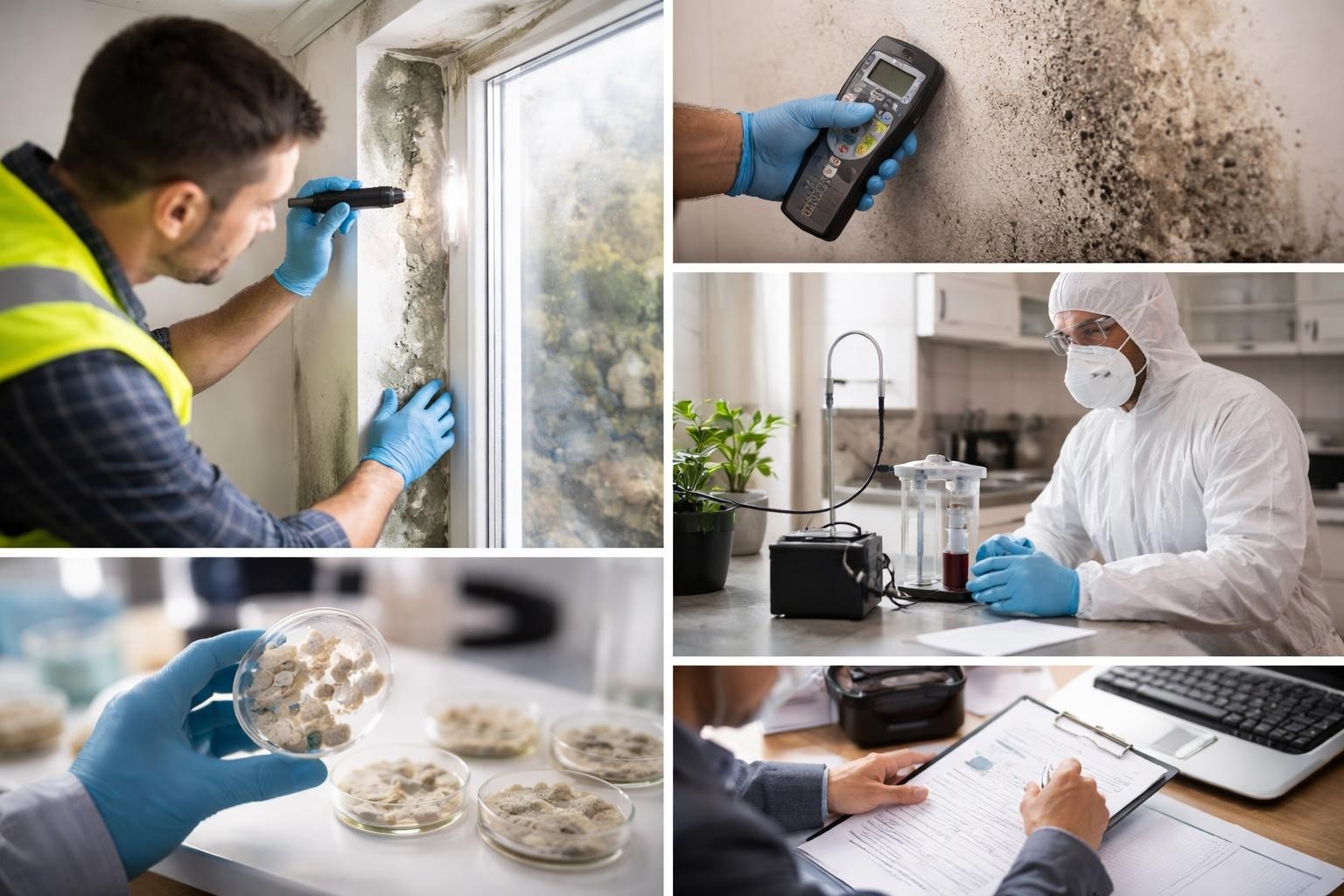
Property owners across the United Kingdom face an increasing challenge with mould growth, particularly as building standards evolve and climate patterns shift. Understanding the importance of professional mould inspection has become essential for maintaining healthy indoor environments and protecting property values. Whether you're a homeowner, landlord, or commercial property manager, knowing what a thorough inspection entails can help you make informed decisions about your property's health and safety. This comprehensive guide explores the critical aspects of professional mould assessment, the tools and techniques employed by experts, and the vital role inspections play in preventing long-term damage and health complications.
Understanding the Fundamentals of Mould Inspection
A mould inspection represents far more than a simple visual check of visible growth. It encompasses a systematic evaluation of property conditions, moisture sources, and potential contamination that may not be immediately apparent to the untrained eye.
Professional inspectors employ scientific methodologies to identify not only active mould colonies but also the underlying conditions that enable fungal growth. This process requires specialized training, as mould assessments demand knowledge of building science, microbiology, and moisture dynamics.
The Difference Between Inspection and Testing
Many property owners confuse mould inspection with mould testing, yet these represent distinct processes with different purposes:
Inspection focuses on:
- Visual assessment of property conditions
- Identifying moisture sources and water intrusion
- Evaluating ventilation and humidity levels
- Documenting visible mould growth locations
- Determining the scope of contamination
Testing involves:
- Collecting air or surface samples
- Laboratory analysis of mould species
- Quantifying spore concentrations
- Identifying specific fungal types
- Providing scientific data for decision-making
The inspection typically precedes testing and helps determine whether laboratory analysis is necessary. Not every situation requires testing, particularly when visible mould is present and the source of moisture is readily apparent.

When Properties Require Professional Mould Inspection
Certain circumstances make professional mould inspection not just advisable but essential for property health and occupant safety. Recognizing these situations can prevent minor issues from escalating into serious problems.
Key Indicators Requiring Immediate Inspection
Properties should undergo professional assessment when any of the following conditions present themselves:
- Visible mould growth exceeding small, isolated patches
- Persistent musty odours without an identifiable source
- Recent water damage from flooding, leaks, or condensation
- Health symptoms among occupants including respiratory issues, allergies, or headaches
- Property transactions requiring due diligence before purchase or sale
- Post-remediation verification to confirm successful mould removal
- Tenant complaints about indoor air quality or suspected contamination
According to comprehensive guidelines on mould inspections, early detection significantly reduces remediation costs and minimizes health risks to occupants.
Legal and Compliance Considerations
UK legislation increasingly emphasizes landlord responsibilities regarding property conditions. The Homes (Fitness for Human Habitation) Act 2018 specifically includes damp and mould as hazards that can render properties unfit for habitation. Regular inspections help property owners maintain compliance and demonstrate due diligence in tenant welfare.
| Scenario | Inspection Type | Urgency Level |
|---|---|---|
| Visible mould < 1 square metre | Self-assessment possible | Low |
| Visible mould > 1 square metre | Professional required | Medium |
| Hidden mould suspected | Comprehensive professional | High |
| Post-flood or major leak | Immediate professional | Critical |
| Health complaints from occupants | Comprehensive professional | High |
The Professional Mould Inspection Process
Understanding what occurs during a professional assessment helps property owners prepare adequately and appreciate the thoroughness required for accurate evaluation.
Initial Consultation and Property History
The inspection begins before the assessor arrives on site. Professional inspectors gather crucial background information including:
- Property age and construction type
- Previous water damage incidents
- Existing ventilation systems
- Occupant health complaints
- Recent renovation or modification work
- Known moisture problems
This preliminary data shapes the inspection strategy and helps identify high-risk areas requiring particular attention.
Comprehensive Visual Assessment
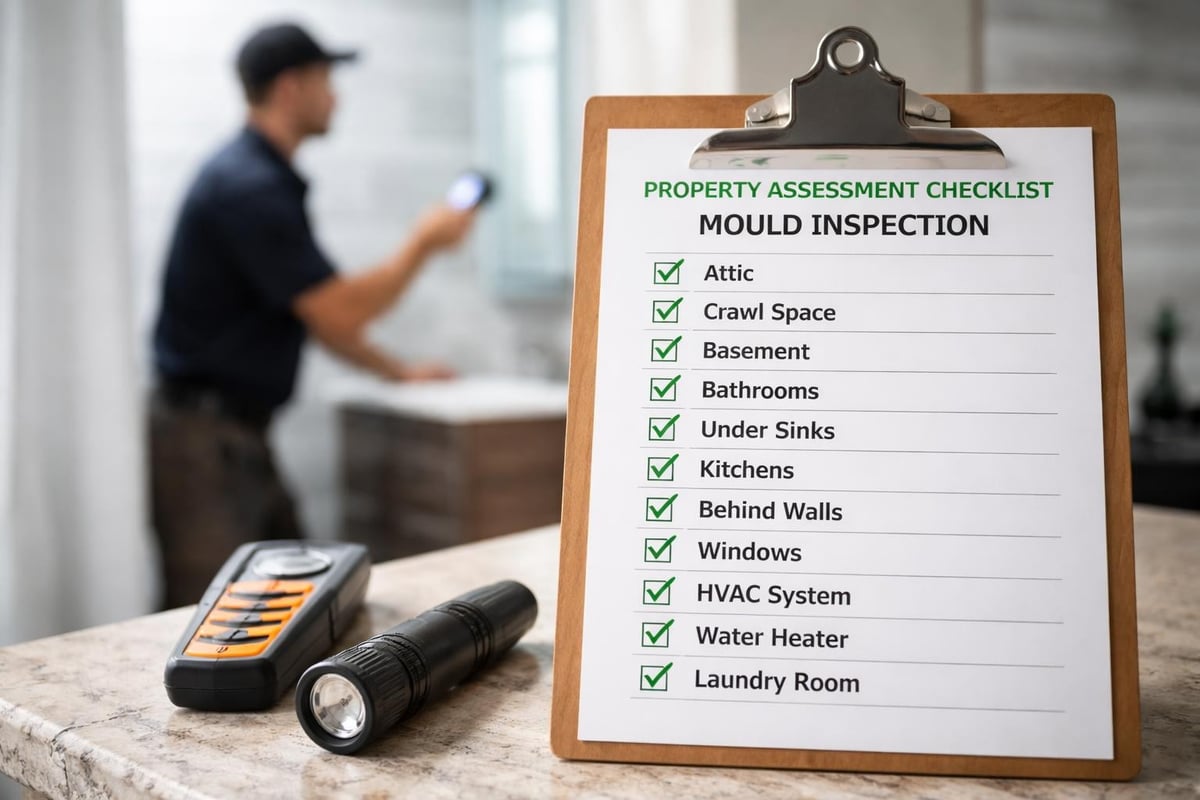
The core of any mould inspection involves meticulous visual examination of the property. Trained inspectors systematically evaluate all accessible areas, paying particular attention to locations prone to moisture accumulation.
High-risk areas include:
- Bathrooms and kitchens
- Basements and crawl spaces
- Attics and roof spaces
- Window frames and sills
- Behind furniture and appliances
- Wall cavities and ceiling voids
- HVAC systems and ductwork
Professional mould inspection techniques employ both direct observation and specialized equipment to detect hidden problems that escape casual observation.
Advanced Diagnostic Equipment
Modern mould inspection relies on sophisticated tools that reveal conditions invisible to the naked eye. Professional assessors utilize an array of specialized equipment:
Moisture meters measure water content in building materials, identifying dampness that supports mould growth. These devices provide quantitative data essential for documenting problem severity.
Thermal imaging cameras detect temperature variations that indicate moisture intrusion, insulation defects, or air leaks. These non-invasive tools reveal problems hidden behind walls and ceilings.
Borescopes allow visual inspection of enclosed spaces through small access holes, enabling assessment of wall cavities, ductwork, and other concealed areas without destructive investigation.
Hygrometers measure relative humidity levels throughout the property, identifying environments conducive to mould development.
Particle counters quantify airborne spore concentrations when air quality testing accompanies the inspection.
The professional inspection process combines these technological tools with experienced judgment to develop a complete picture of property conditions.
Sampling Methods and Laboratory Analysis
When visual inspection suggests significant contamination or health concerns warrant detailed analysis, inspectors collect samples for laboratory testing.
Types of Sampling Approaches
Professional assessors employ several sampling methodologies depending on the situation:
Air sampling captures airborne mould spores using specialized pumps and collection media. This approach provides data on indoor air quality and helps compare conditions between affected and unaffected areas.
Surface sampling involves tape lifts, swabs, or bulk material collection from suspected mould growth. These samples identify specific fungal species and assess contamination extent.
Bulk sampling removes portions of affected building materials for comprehensive laboratory analysis, particularly useful when hidden mould is suspected.
The decision to conduct sampling depends on various factors including the inspection's purpose, visible growth extent, and whether specific mould identification will influence remediation strategies. Many situations involving obvious mould growth and clear moisture sources require immediate remediation rather than extensive testing.
Interpreting Inspection Results and Reports
Following completion of the assessment, inspectors provide detailed documentation outlining their findings and recommendations. Comprehensive mould inspection reporting should include specific elements that enable property owners to understand conditions and take appropriate action.
Essential Report Components
Professional inspection reports typically contain:
- Property information including address, construction details, and environmental conditions
- Inspection scope detailing areas examined and any limitations
- Visual findings with photographic documentation of observed conditions
- Moisture readings from all tested locations
- Laboratory results if sampling was conducted
- Source identification explaining moisture problems enabling mould growth
- Recommendations for remediation and prevention strategies
- Compliance notes regarding relevant health and safety standards
This documentation serves multiple purposes beyond immediate decision-making. It provides baseline data for monitoring, evidence for insurance claims, and records demonstrating regulatory compliance.
Understanding Severity Levels
Inspectors categorize findings according to contamination extent and urgency:
| Severity Level | Affected Area | Recommended Action |
|---|---|---|
| Level 1 | < 1 square metre | Minor remediation possible |
| Level 2 | 1-10 square metres | Professional assessment advised |
| Level 3 | > 10 square metres | Professional remediation required |
| Level 4 | Extensive HVAC contamination | Specialist intervention essential |
These classifications help property owners understand the seriousness of their situation and the appropriate response required. For more extensive contamination, professional mould remediation becomes necessary to safely address the problem whilst protecting occupant health.
Health Implications and Risk Assessment
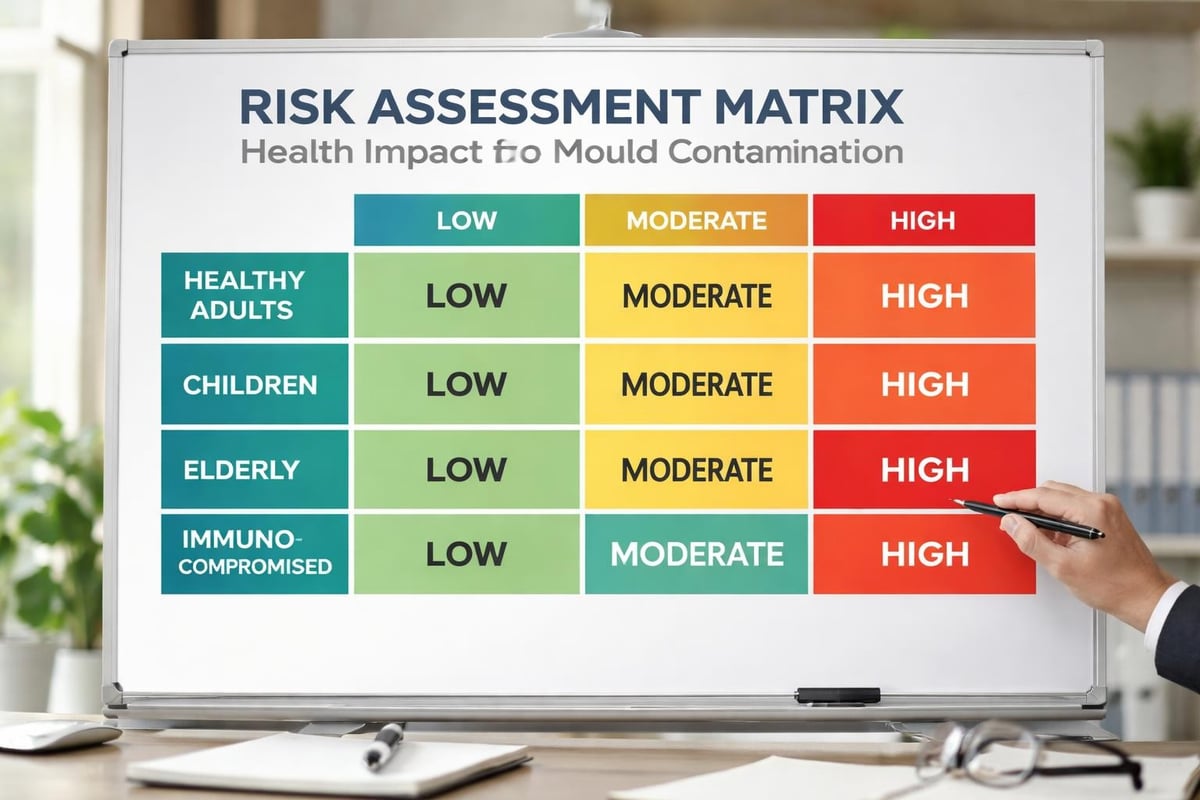
Mould inspection plays a crucial role in protecting occupant health by identifying exposure risks before serious complications develop. Different mould species produce varying health effects, making proper assessment essential.
Common Health Concerns
Respiratory effects represent the most frequent health complaints associated with mould exposure. These include:
- Wheezing and difficulty breathing
- Coughing and throat irritation
- Nasal congestion and sinus problems
- Asthma exacerbation in susceptible individuals
Allergic reactions affect sensitive individuals through immune system responses to mould proteins and spores.
Toxic effects from mycotoxin-producing species can cause more serious health problems, though these situations are less common.
Vulnerable populations including young children, elderly individuals, pregnant women, and those with compromised immune systems face elevated risks from mould exposure.
The Role of Air Quality Testing
When health concerns drive the inspection, air quality assessment provides valuable data on exposure levels. Understanding testing protocols helps property owners determine when this additional analysis proves beneficial versus when visual inspection suffices.
Air sampling becomes particularly important when:
- Occupants experience unexplained health symptoms
- Mould odour persists without visible growth
- Post-remediation verification is required
- Legal or insurance documentation necessitates quantitative data
Standards and Certifications in Mould Inspection
The mould inspection industry operates under various standards and certification schemes designed to ensure consistent, professional service delivery. Understanding these frameworks helps property owners select qualified inspectors.
Professional Standards of Practice
Recognized mould inspection standards establish protocols for conducting thorough assessments. These guidelines detail:
- Minimum inspection requirements
- Documentation standards
- Ethical responsibilities
- Limitations of visual assessment
- Appropriate use of testing
- Report content requirements
Adherence to established standards ensures inspections meet professional benchmarks and provide reliable information for decision-making.
Inspector Qualifications and Training
Competent mould inspectors possess formal training in building science, microbiology, and moisture assessment. Relevant certifications demonstrate commitment to professional standards, though property owners should verify that credentials come from recognized awarding bodies rather than unregulated sources.
Moisture Source Identification and Prevention
Effective mould inspection extends beyond documenting existing growth to identifying the underlying moisture problems that enable fungal colonization. Without addressing these root causes, mould inevitably returns regardless of remediation efforts.
Common Moisture Sources in UK Properties
Condensation represents the most prevalent moisture issue in British buildings, particularly in modern well-insulated properties with inadequate ventilation. Thermal bridges, poor heating patterns, and insufficient air exchange create ideal conditions for surface dampness.
Penetrating damp occurs when water infiltrates through defective building fabric including damaged roofing, failed pointing, or cracked masonry.
Rising damp affects properties with compromised or absent damp-proof courses, drawing ground moisture upward through capillary action.
Plumbing leaks from damaged pipes, faulty connections, or appliance failures introduce water directly into building structures.
Building defects including inadequate weatherproofing, poor drainage, or construction flaws allow water ingress during precipitation events.
Inspectors evaluate all potential moisture pathways to develop comprehensive remediation strategies addressing causes rather than merely treating symptoms. Understanding the importance of early detection through regular inspection helps prevent minor moisture problems from developing into serious mould contamination.
Preparing for a Professional Mould Inspection
Property owners can facilitate thorough assessment by preparing adequately before the inspector arrives. Proper preparation ensures efficient use of inspection time and maximizes the value obtained from professional services.
Pre-Inspection Checklist
Provide access to all areas including locked rooms, storage spaces, attics, and basements. Inspectors cannot assess areas they cannot access, potentially missing significant problems.
Remove obstructions from around walls, particularly in areas where moisture problems are suspected. Furniture and storage boxes prevent thorough examination.
Document concerns by preparing a written list of specific issues, health complaints, or suspicious areas that require particular attention.
Gather records including previous inspection reports, remediation documentation, and maintenance history relevant to moisture or mould problems.
Ensure availability to discuss property history, answer questions, and review findings with the inspector following assessment.
Post-Inspection Action Planning
Following receipt of the inspection report, property owners face decisions about appropriate responses to identified problems. The action plan depends on contamination severity, moisture source complexity, and occupant health considerations.
Immediate Actions for Minor Contamination
Small areas of mould growth (less than one square metre) on hard, non-porous surfaces may be addressable through careful cleaning with appropriate products. However, even minor contamination requires moisture source correction to prevent recurrence.
Professional Remediation for Significant Problems
Extensive contamination, hidden mould, or growth affecting porous materials necessitates professional intervention. Attempting DIY remediation in these circumstances often worsens problems by spreading spores throughout the property or failing to address all affected materials.
Professional remediation follows established protocols including:
- Containment to prevent spore dispersal
- Personal protective equipment for worker safety
- HEPA filtration during removal work
- Proper disposal of contaminated materials
- Thorough cleaning of affected areas
- Post-remediation verification
Long-Term Prevention Strategies
Successful mould management extends beyond addressing current problems to implementing preventive measures that reduce future risk:
Ventilation improvement through installation of mechanical extract fans, passive vents, or whole-house ventilation systems addresses condensation issues.
Heating optimization maintains consistent temperatures that reduce condensation potential whilst improving occupant comfort.
Moisture monitoring using humidity sensors or regular inspections identifies developing problems before mould establishes.
Building maintenance including prompt leak repairs, gutter cleaning, and weatherproofing renewal prevents water intrusion.
Occupant education about moisture-generating activities, ventilation use, and early warning signs empowers residents to maintain healthy indoor environments.
The Investment Value of Professional Inspection
Property owners sometimes question whether professional mould inspection represents worthwhile expenditure, particularly when visible growth seems minor or localized. Understanding the broader value proposition clarifies why expert assessment proves cost-effective.
Cost Comparison Analysis
| Scenario | DIY Approach Cost | Professional Inspection Cost | Potential Savings |
|---|---|---|---|
| Hidden mould missed | £0 initial | £300-600 | £3,000-15,000 avoided remediation |
| Incomplete source identification | £200 cleaning | £300-600 | £2,000-8,000 preventing recurrence |
| Health complications from exposure | £0 initial | £300-600 | Immeasurable health protection |
| Property value impact | Unknown reduction | £300-600 | £5,000-20,000 maintained value |
Professional inspection provides documented evidence of property conditions, essential for insurance claims, legal proceedings, or property transactions. This documentation offers protection that informal assessment cannot match.
Insurance and Legal Protection
Comprehensive inspection reports establish baseline conditions and demonstrate responsible property management. This documentation proves invaluable when:
- Submitting insurance claims for water damage or mould remediation
- Responding to tenant complaints about property conditions
- Defending against liability claims related to occupant health
- Documenting compliance with housing standards legislation
The modest cost of professional inspection represents insurance against substantially larger expenses arising from undetected or improperly addressed mould problems.
Selecting a Qualified Mould Inspector
The quality of mould inspection varies considerably between providers, making careful selection essential for obtaining reliable, actionable information about property conditions.
Evaluation Criteria for Inspector Selection
Relevant qualifications including recognized training in building pathology, moisture assessment, and mould identification separate competent professionals from inadequately prepared individuals.
Professional indemnity insurance protects property owners if negligent inspection leads to financial loss.
Comprehensive methodology encompassing visual assessment, moisture measurement, and appropriate use of diagnostic equipment ensures thorough evaluation.
Clear reporting standards providing detailed, understandable documentation with photographic evidence and specific recommendations.
Independence from remediation services eliminates conflicts of interest that might bias findings toward unnecessary or excessive work recommendations.
Questions to Ask Potential Inspectors
Before engaging inspection services, property owners should inquire about:
- Specific training and certification held
- Years of experience conducting mould assessments
- Insurance coverage amounts and scope
- Typical inspection duration and report delivery timeframe
- Equipment utilized during assessment
- Whether they perform remediation work themselves
- Sample report availability for review
- References from previous clients
Thorough vetting ensures selection of qualified professionals capable of delivering valuable assessment services.
Professional mould inspection provides essential information for maintaining healthy properties and protecting occupant wellbeing whilst ensuring compliance with UK housing standards. Understanding the comprehensive nature of proper assessment, from moisture detection through laboratory analysis, empowers property owners to make informed decisions about remediation and prevention strategies. Whether you're facing visible contamination, unexplained health symptoms, or simply want to verify your property's condition, Mouldsurv Ltd offers certified mould inspection services across Essex, London, and Kent, combining advanced diagnostic equipment with extensive expertise to deliver thorough assessments and practical solutions tailored to your specific situation.