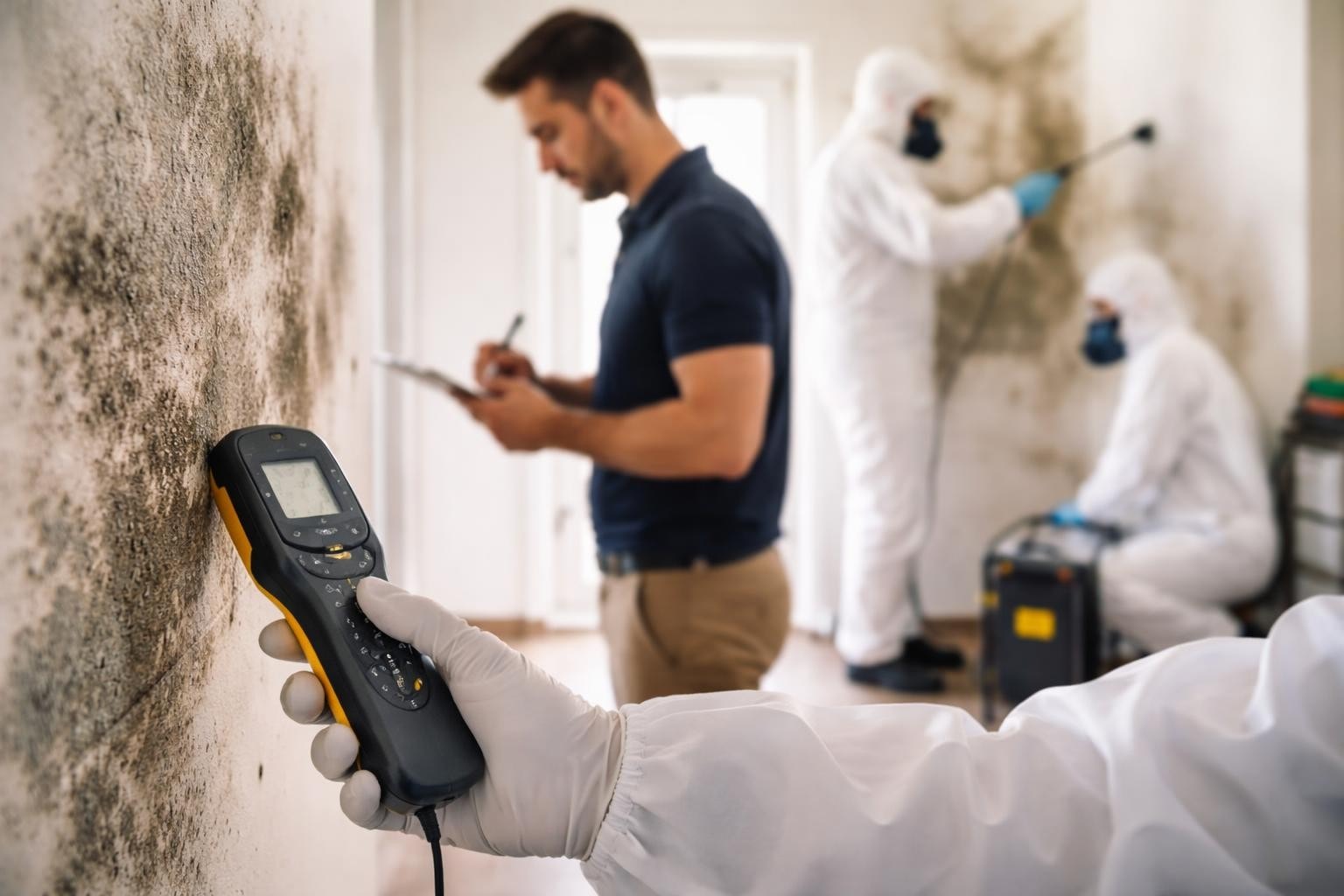
Maldon, with its coastal position and historic buildings, faces unique challenges when it comes to mould and dampness. The combination of maritime climate, older housing stock, and modern building modifications creates the perfect conditions for mould growth. Understanding when to call a qualified maldon mould specialist can mean the difference between a simple remediation job and extensive property damage that affects both structural integrity and occupant health.
Understanding Mould Growth in Maldon Properties
The Essex town of Maldon experiences distinct environmental conditions that contribute to mould problems. Proximity to the Blackwater Estuary brings increased humidity levels, whilst the mix of period properties and newer developments each present their own vulnerabilities.
Climate Factors Affecting Mould Development
Maldon's coastal microclimate creates consistently higher moisture levels than inland areas. This atmospheric moisture combines with seasonal temperature variations to create condensation on cold surfaces. When relative humidity exceeds 60% indoors, mould spores find ideal conditions for germination and growth.
Key environmental contributors include:
- Maritime air masses bringing moisture from the North Sea
- Seasonal flooding risks affecting ground-floor properties
- Temperature fluctuations between coastal and inland zones
- Limited natural ventilation in historic buildings
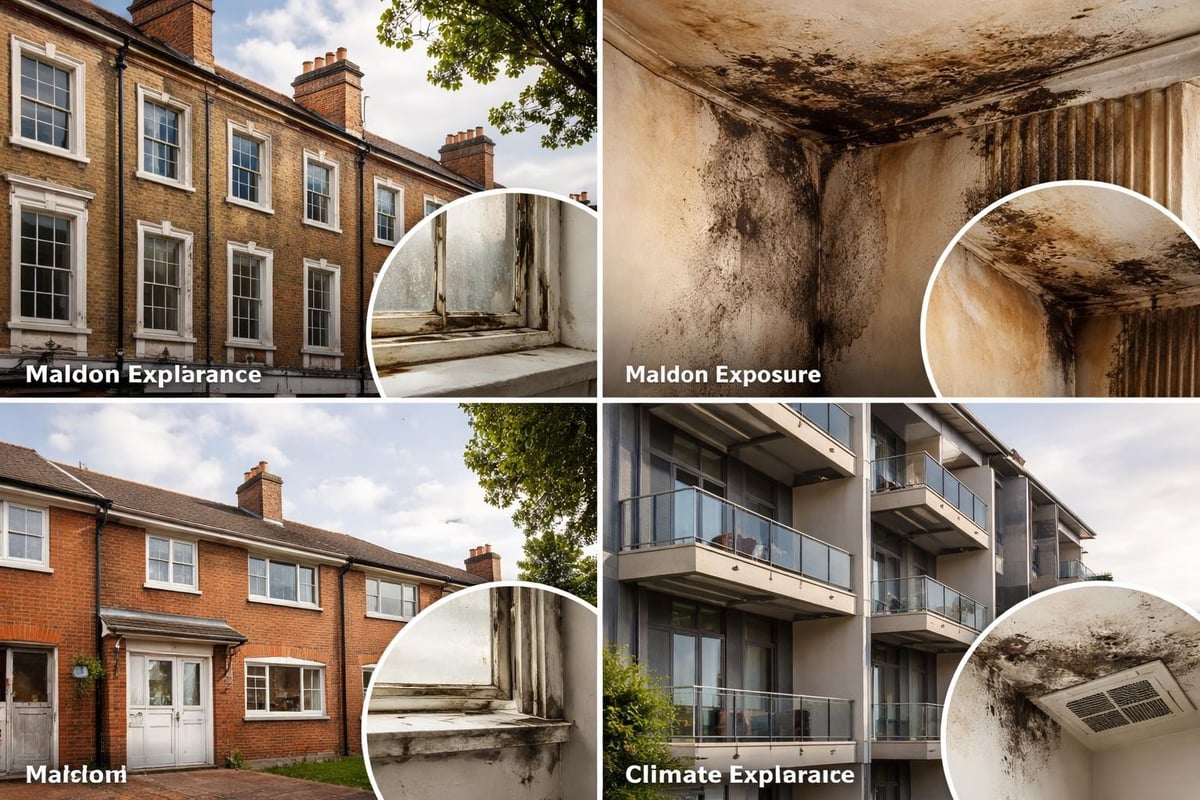
The town's architectural heritage includes numerous listed buildings and conservation area properties where traditional construction methods meet modern living demands. Single-glazed windows, solid brick walls without damp-proof courses, and limited ventilation systems were standard in older constructions, creating ongoing moisture management challenges.
Common Mould Species in Essex Properties
A qualified maldon mould specialist encounters several fungal species regularly, each with distinct characteristics and health implications. Identifying the specific mould type informs the remediation approach and helps determine the underlying moisture source.
| Mould Species | Appearance | Common Locations | Health Concerns |
|---|---|---|---|
| Stachybotrys chartarum | Black, slimy texture | Water-damaged materials | Respiratory issues, toxic reactions |
| Aspergillus | Green, grey, or yellow | Damp walls, fabrics | Allergic reactions, lung infections |
| Penicillium | Blue-green powdery | Food, wallpaper, insulation | Allergies, asthma triggers |
| Cladosporium | Olive-green to brown | Cool, damp areas | Hay fever symptoms, skin irritation |
Understanding these species helps property owners recognize severity. Research from the CDC demonstrates that mould exposure can trigger various health problems, particularly in vulnerable individuals with respiratory conditions or compromised immune systems.
Professional Assessment and Detection Methods
Engaging a maldon mould specialist involves more than visual inspection. Professional-grade equipment and testing protocols identify hidden moisture sources and mould growth that homeowners might miss.
Advanced Diagnostic Technology
Modern mould detection employs sophisticated tools that measure moisture content, thermal patterns, and air quality. Thermal imaging cameras reveal temperature differentials indicating moisture accumulation behind walls, whilst hygrometers measure ambient and material moisture levels with precision.
Professional inspectors use:
- Moisture meters for non-invasive material testing
- Thermal imaging cameras to detect hidden damp patterns
- Borescopes for cavity wall inspections
- Air sampling equipment for spore concentration analysis
- Surface sampling kits for species identification
These diagnostic approaches provide comprehensive data about the extent and severity of mould colonisation. For properties requiring detailed analysis, Indoor Air Quality Testing measures airborne mould spore concentrations, helping determine whether levels exceed safe thresholds and identifying contamination sources.
Laboratory Analysis and Reporting
Surface and air samples collected during inspection undergo laboratory analysis to identify specific mould species and quantify spore concentrations. This scientific approach removes guesswork and provides objective evidence for insurance claims or legal documentation.
A comprehensive mould assessment report includes moisture readings, photographic documentation, laboratory results, and remediation recommendations. This documentation proves invaluable for property transactions, tenant disputes, and insurance purposes.
Health Implications and Legal Responsibilities
Property owners and landlords face clear obligations regarding mould and damp conditions. Understanding these responsibilities protects both occupants and property values whilst ensuring regulatory compliance.
Health Risks Associated with Mould Exposure
Exposure to mould can trigger numerous health conditions, ranging from minor allergic reactions to serious respiratory infections. Vulnerable groups including children, elderly individuals, and those with existing respiratory conditions face heightened risks.
Common health symptoms include:
- Persistent coughing and wheezing
- Nasal congestion and sinus pressure
- Eye irritation and watering
- Skin rashes and dermatitis
- Headaches and fatigue
- Exacerbation of asthma symptoms
The severity of reactions depends on exposure duration, mould species, and individual sensitivity. Some moulds produce mycotoxins that pose serious health threats even at relatively low concentrations.
Landlord Obligations Under UK Housing Standards
The Homes (Fitness for Human Habitation) Act 2018 places explicit duties on landlords to maintain properties free from hazards including damp and mould. Housing providers must address these issues promptly, as failure to do so can result in legal action, financial penalties, and reputational damage.
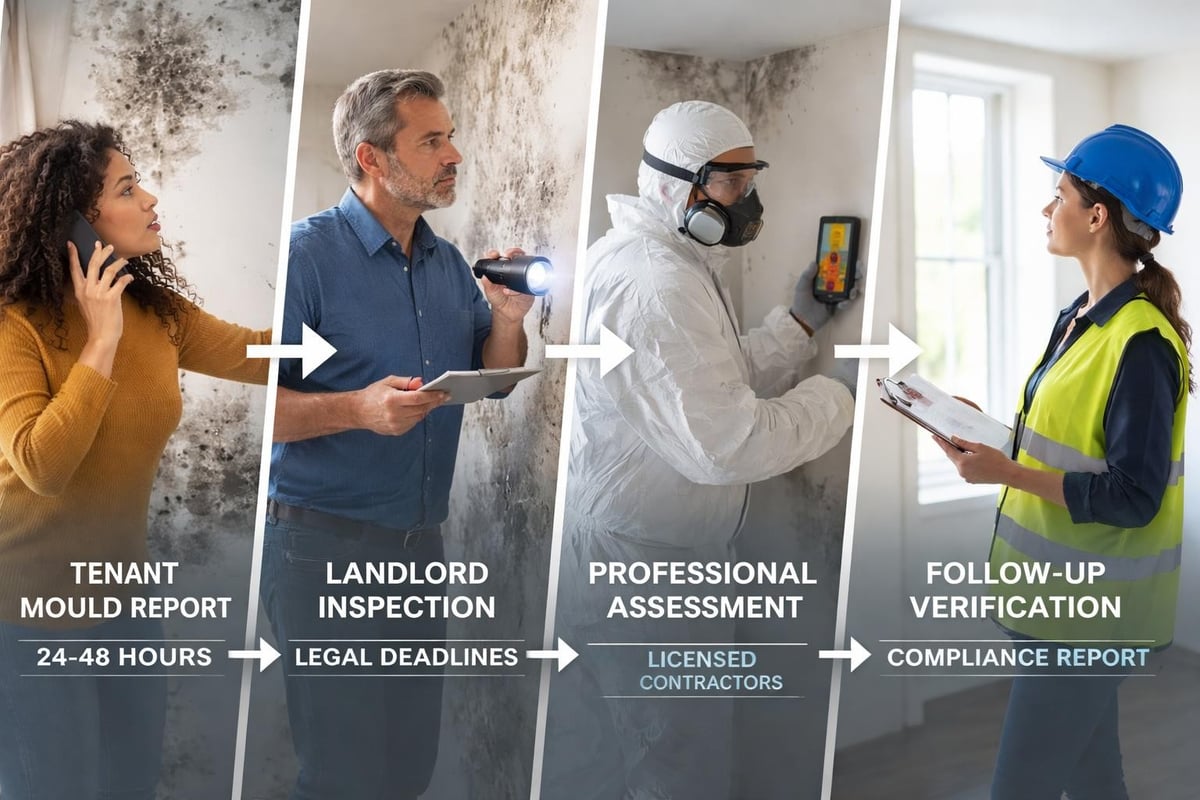
Landlords must respond to mould reports within reasonable timeframes, conduct proper investigations, and implement effective remediation. Simply treating visible mould without addressing the underlying moisture source fails to meet legal obligations and allows problems to recur.
Remediation Approaches and Best Practices
Effective mould remediation requires systematic approaches that address both visible growth and underlying causes. A qualified maldon mould specialist follows established protocols to ensure safe, thorough treatment whilst preventing cross-contamination.
Containment and Safety Protocols
Professional remediation begins with proper containment to prevent mould spores spreading to unaffected areas. The EPA's remediation guidelines emphasize containment as critical for successful mould removal, particularly in occupied buildings.
Containment measures include:
- Sealing affected areas with polyethylene sheeting
- Creating negative air pressure using HEPA-filtered air scrubbers
- Establishing decontamination chambers for personnel and equipment
- Installing air filtration to capture airborne spores
- Protecting HVAC systems from contamination
Personal protective equipment for remediation teams includes respirators with HEPA filters, disposable coveralls, gloves, and eye protection. These precautions protect workers whilst preventing spore dispersal during removal activities.
Treatment Methods and Material Removal
The remediation approach depends on the extent of contamination and affected materials. Porous materials like drywall, insulation, and carpeting typically require removal and disposal when heavily contaminated, whilst non-porous surfaces can often be cleaned and disinfected.
| Material Type | Light Contamination | Heavy Contamination |
|---|---|---|
| Drywall/Plasterboard | Clean and seal | Remove and replace |
| Wood framing | Sand and treat | Evaluate structural integrity |
| Concrete/Masonry | Scrub and disinfect | HEPA vacuum and seal |
| Carpeting | Professional cleaning | Dispose and replace |
| Metal surfaces | Wipe with biocide | Clean and prevent rust |
HEPA vacuuming removes surface spores before cleaning begins, reducing airborne contamination. Antimicrobial treatments follow cleaning to inhibit regrowth, though these products should never replace proper moisture control.
Moisture Control and Prevention Strategies
Successful mould prevention requires controlling the moisture sources that enable fungal growth. A maldon mould specialist identifies specific moisture pathways and recommends targeted solutions for long-term protection.
Identifying and Eliminating Moisture Sources
Moisture enters buildings through various pathways: rising damp from ground contact, penetrating damp through walls and roofs, condensation from daily activities, and plumbing leaks. Each source requires different remediation strategies.
Common moisture sources include:
- Failed damp-proof courses in older properties
- Roof damage allowing rainwater penetration
- Condensation on cold surfaces and thermal bridges
- Plumbing leaks in bathrooms and kitchens
- Poor drainage around building foundations
- Blocked gutters and downpipes
Thermal imaging surveys reveal cold spots where condensation forms, whilst moisture meter readings track damp patterns through building materials. This diagnostic information guides targeted repairs rather than superficial treatments.
Ventilation Improvements and Building Modifications
Modern living generates substantial moisture through cooking, bathing, and even breathing. Without adequate ventilation, this moisture accumulates, raising indoor humidity to levels supporting mould growth.
Effective ventilation solutions vary by property type and budget:
- Passive vents in windows and walls for background ventilation
- Mechanical extract fans in bathrooms and kitchens
- Positive input ventilation systems for whole-house air exchange
- Heat recovery ventilation combining fresh air with energy efficiency
- Dehumidifiers for targeted moisture reduction in problem areas
Proper ventilation design balances fresh air supply with heat retention, particularly important in energy-efficient modern buildings where airtight construction limits natural air exchange.

Choosing the Right Maldon Mould Specialist
Selecting a qualified professional ensures effective remediation and protects your investment. Not all mould treatment services offer the same expertise, equipment, or compliance with industry standards.
Qualifications and Industry Certifications
Reputable mould specialists hold recognized certifications demonstrating technical competence and adherence to professional standards. Look for technicians certified by organizations such as the Property Care Association (PCA) or holding qualifications in building pathology.
Essential credentials include:
- PCA qualifications in damp and timber surveying
- CSCS cards for construction site competence
- Professional indemnity insurance coverage
- Asbestos awareness certification for work in older buildings
- Health and safety training documentation
Membership in professional bodies indicates commitment to continuing education and ethical business practices. These organizations maintain codes of conduct and complaint resolution procedures protecting consumers.
Questions to Ask Potential Contractors
Before engaging a maldon mould specialist, ask specific questions about their approach, experience, and guarantees. Detailed answers demonstrate professionalism and help you compare service providers effectively.
Request information about:
- Their diagnostic methods and equipment used
- Whether they conduct laboratory testing or visual assessment only
- How they determine the scope of remediation required
- Their containment and safety protocols during work
- Warranties or guarantees on remediation services
- Whether they address underlying moisture sources or just visible mould
- Timeline for completing work and any disruption to occupancy
- Detailed written quotations breaking down costs
Be cautious of contractors offering immediate treatment without proper assessment, those unwilling to provide references, or companies pushing unnecessary services. Professional specialists focus on thorough investigation before recommending solutions.
Commercial Property and Rental Considerations
Mould problems in commercial premises and rental properties carry additional complexity due to multiple stakeholders, regulatory requirements, and business continuity concerns.
Impact on Business Operations
Commercial mould contamination can force partial or complete business closures whilst remediation occurs. The financial impact extends beyond treatment costs to include lost revenue, temporary relocation expenses, and potential liability claims from employees or customers.
Proactive monitoring and maintenance programs reduce these risks significantly. Regular inspections identify early warning signs before mould becomes visible, allowing intervention during planned maintenance windows rather than emergency shutdowns.
| Business Type | Primary Risk Areas | Recommended Prevention |
|---|---|---|
| Restaurants/Cafés | Kitchens, cold storage, basements | Enhanced ventilation, regular equipment checks |
| Retail shops | Stock rooms, changing areas | Climate control, moisture monitoring |
| Offices | Bathrooms, server rooms, ground floors | Building management systems, humidity control |
| Warehouses | Loading bays, corners, flat roofs | Adequate heating, roof maintenance |
Documentation for Insurance and Legal Purposes
Comprehensive documentation supports insurance claims and demonstrates due diligence in legal disputes. Professional mould assessments provide objective evidence of conditions, remediation necessity, and costs.
Essential documentation includes photographic records showing mould extent before and after treatment, laboratory test results identifying species and concentrations, moisture readings documenting damp sources, and detailed remediation protocols followed. This evidence protects property owners and landlords against liability claims whilst supporting insurance submissions.
Long-Term Monitoring and Maintenance
Successful mould remediation extends beyond initial treatment to include ongoing monitoring and preventative maintenance. A maldon mould specialist can establish protocols ensuring problems don't recur.
Post-Remediation Verification
Following remediation work, verification testing confirms successful treatment and safe conditions for reoccupation. Clearance testing typically involves air sampling and surface testing in treated areas, compared against baseline samples from unaffected spaces.
Best practices in mould remediation emphasize post-remediation verification as essential quality assurance. Visual inspection alone cannot confirm that airborne spore levels have returned to normal background concentrations.
Verification reports document successful completion and provide baseline data for future monitoring. This documentation proves particularly valuable for property transactions, demonstrating that identified issues received professional treatment.
Developing a Maintenance Schedule
Regular maintenance prevents moisture accumulation and identifies developing problems before significant mould growth occurs. Seasonal inspections focus on vulnerable areas and building envelope integrity.
Quarterly maintenance tasks include:
- Inspecting roof coverings and flashings for damage
- Clearing gutters and downpipes of debris
- Checking ground drainage around foundations
- Testing mechanical ventilation system operation
- Examining window seals and weather stripping
- Monitoring basement and crawl space conditions
Annual professional surveys provide detailed assessments using diagnostic equipment to detect hidden moisture issues. These proactive measures cost significantly less than emergency remediation whilst protecting property values and occupant health.
Regional Considerations for Essex Properties
Maldon's position within Essex creates specific challenges requiring local knowledge and experience. Understanding regional building characteristics and environmental factors informs effective treatment strategies.
Historic Building Challenges
The Maldon Conservation Area contains numerous listed buildings and structures of historical significance. These properties require sympathetic treatment approaches that preserve architectural features whilst addressing modern habitability standards.
Traditional lime plaster, solid brick walls, and timber-framed construction demand different remediation approaches than modern cavity wall buildings. Inappropriate treatments using impermeable materials can trap moisture and exacerbate problems in breathable traditional construction.
Specialists working with historic properties understand the importance of vapor-permeable materials, appropriate repair mortars, and maintaining traditional building physics. Listed building consent may be required for certain interventions, adding regulatory complexity to remediation projects.
Flooding and Coastal Weather Impacts
Maldon's coastal location brings flood risks from tidal surges and river overflow events. Properties affected by flooding face significant mould risks as contaminated water saturates building materials and introduces organic matter supporting fungal growth.
Post-flood remediation requires rapid response to prevent mould establishment. Professional drying services using industrial dehumidifiers and air movers reduce moisture content quickly, whilst structural drying monitors ensure materials reach safe levels before reinstatement work begins.
The Property Care Association highlights the connection between damp exposure and health problems, emphasizing the importance of thorough drying and remediation following water damage events.
Cost Factors and Budget Planning
Understanding the financial aspects of professional mould remediation helps property owners plan appropriately and evaluate quotations effectively.
Price Variables in Mould Remediation
Remediation costs vary significantly based on contamination extent, property access, required containment measures, and materials needing replacement. Small localized problems might cost hundreds of pounds, whilst extensive contamination affecting multiple rooms can reach thousands.
Factors affecting overall costs:
- Total square footage of affected areas
- Mould species and contamination severity
- Accessibility of affected spaces
- Need for contents removal and storage
- Structural repairs required after remediation
- Laboratory testing and air quality monitoring
- Emergency or out-of-hours service requirements
Obtain detailed written quotations specifying all work included, materials used, and any exclusions or additional charges. Compare like-for-like services rather than focusing solely on price, as thorough professional work provides better long-term value than superficial cheap treatments.
Insurance Coverage and Claims
Many buildings and contents insurance policies include coverage for escape of water and resulting damage, which may extend to mould remediation if fungal growth results from an insured peril. However, policies typically exclude mould from general maintenance issues or condensation.
Review policy wording carefully and notify insurers promptly when discovering mould following water damage. Document conditions thoroughly with photographs and professional reports to support claims. Insurance assessors may require evidence that mould resulted from an insured event rather than ongoing maintenance neglect.
Some policies include specific mould exclusions or sub-limits capping payouts for fungal contamination. Understanding these restrictions helps set realistic expectations and determines whether additional specialist cover provides value for high-risk properties.
Technology and Innovation in Mould Detection
Advances in diagnostic technology and remediation methods continue improving effectiveness whilst reducing costs and disruption for property owners.
Emerging Detection Methods
Modern moisture mapping uses wireless sensor networks monitoring conditions continuously across multiple locations. These systems alert property managers to developing moisture problems before visible mould appears, enabling preventative intervention.
Hyperspectral imaging technology, whilst still primarily in research settings, shows promise for detecting mould growth hidden within building materials. This non-invasive approach could revolutionize inspections by identifying contamination without destructive investigation.
Sustainable Remediation Approaches
Environmental concerns drive development of eco-friendly antimicrobial treatments and biodegradable containment materials. Plant-based fungicides offer effective alternatives to harsh chemical biocides whilst reducing environmental impact and occupant exposure to volatile organic compounds.
Innovations in building materials include mould-resistant drywall incorporating antimicrobial additives and moisture-resistant gypsum board for high-humidity areas. These products provide additional protection in vulnerable locations, though they supplement rather than replace proper moisture control.
Addressing mould problems effectively requires professional expertise, appropriate technology, and thorough understanding of building pathology and remediation best practices. Property owners in Maldon and throughout Essex benefit from engaging qualified specialists who can identify moisture sources, conduct comprehensive assessments, and implement lasting solutions that protect both property values and occupant wellbeing. Mouldsurv Ltd provides certified mould and damp services across Essex, London, and Kent, combining advanced diagnostic equipment with extensive experience to deliver compliant, effective remediation that addresses underlying causes rather than just visible symptoms.