Maldon, a historic town in Essex, presents unique challenges when it comes to mould and dampness in properties. The combination of coastal proximity, older building stock, and the region's characteristic climate creates conditions that can encourage mould growth if not properly managed. Understanding the specific factors that contribute to maldon essex mould issues enables property owners, landlords, and tenants to take proactive measures in protecting their homes and health.
Why Maldon Properties Face Distinct Mould Challenges
The town's location along the Blackwater Estuary creates a microclimate that differs significantly from inland Essex areas. Properties in Maldon experience higher humidity levels throughout the year, particularly during autumn and winter months when condensation becomes a persistent concern.
Coastal Influence on Indoor Moisture
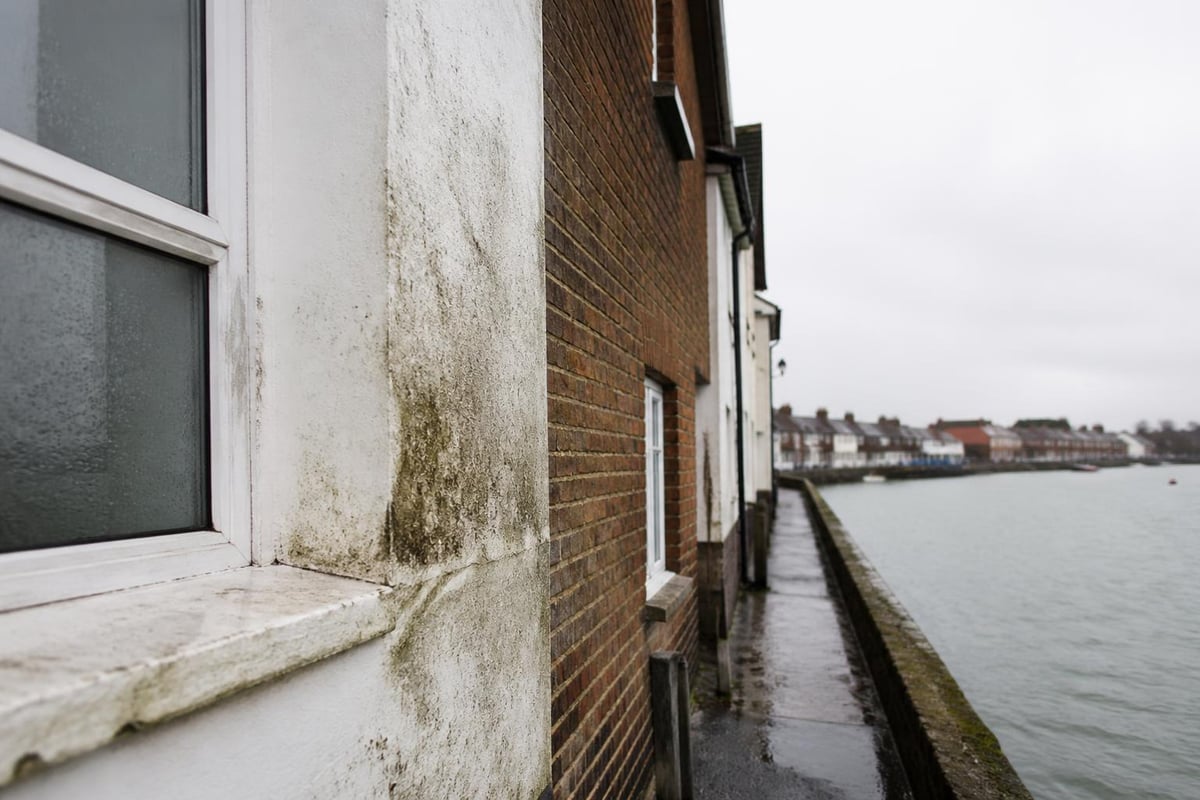
Coastal environments naturally carry more moisture in the air. When this moist air enters homes and encounters cooler surfaces, condensation forms readily. This process occurs most frequently on windows, external walls, and in poorly ventilated spaces such as bathrooms and kitchens.
- Salt-laden air accelerates deterioration of building materials
- Wind-driven rain penetrates older brickwork and mortar
- Rising damp affects properties built before modern damp-proof course standards
- Seasonal flooding risks in low-lying areas near the estuary
The age profile of Maldon's housing stock compounds these environmental factors. Many properties date from the Victorian era or earlier, constructed using traditional methods without modern moisture barriers or ventilation systems.
Health Implications of Mould Exposure in Essex Homes
Health problems associated with mould exposure range from minor irritations to serious respiratory conditions. Residents dealing with maldon essex mould issues should understand the potential health consequences, particularly for vulnerable individuals.
Respiratory and Allergic Reactions
Mould spores become airborne and, when inhaled, trigger various health responses. Common symptoms include persistent coughing, wheezing, nasal congestion, and throat irritation. Those with pre-existing respiratory conditions such as asthma may experience severe exacerbations.
High-Risk Groups:
- Children and infants with developing immune systems
- Elderly residents with compromised respiratory function
- Individuals with existing allergies or asthma
- People with weakened immune systems
Research into health problems caused by mould demonstrates clear links between prolonged exposure and chronic health conditions. Property owners must recognise their responsibility in maintaining safe living environments, particularly in rental properties where landlords have specific obligations regarding damp and mould management.
| Health Effect | Mild Exposure | Moderate Exposure | Severe Exposure |
|---|---|---|---|
| Respiratory | Occasional cough | Persistent wheezing | Asthma attacks |
| Allergic | Sneezing, runny nose | Skin rashes, eye irritation | Chronic sinusitis |
| Systemic | Fatigue | Headaches, concentration issues | Immune suppression |
Identifying Maldon Essex Mould in Your Property
Early detection significantly reduces remediation costs and health risks. Mould manifests in various forms, and recognising the warning signs enables prompt intervention.
Visual and Olfactory Indicators
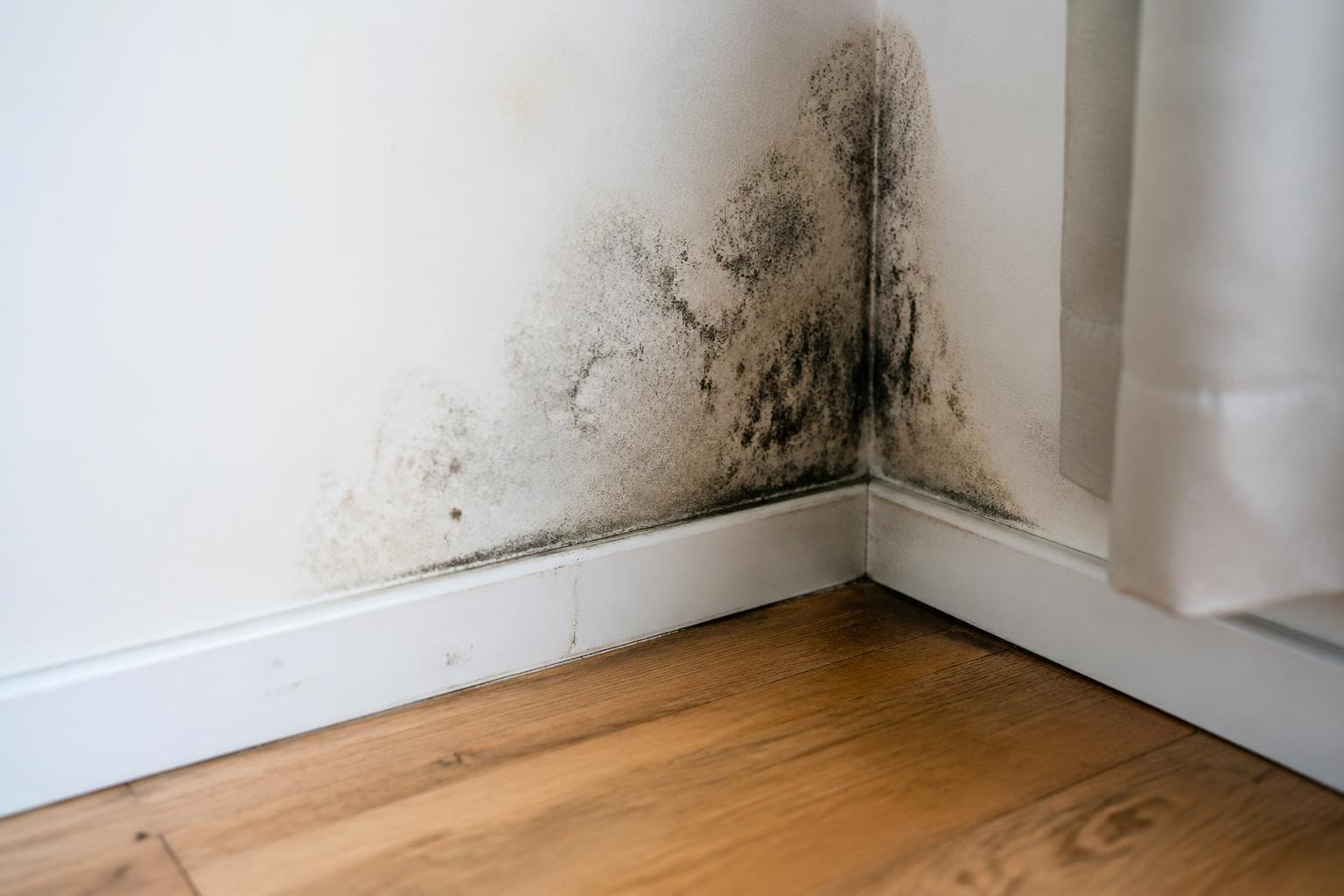
Black, green, or white patches on walls, ceilings, or around windows represent the most obvious signs. However, mould often grows in concealed locations such as behind furniture, within wall cavities, or under flooring.
A musty, earthy odour frequently indicates hidden mould growth even when visible signs are absent. This smell results from microbial volatile organic compounds (MVOCs) released during fungal metabolism.
Common Problem Areas in Maldon Homes:
- North-facing external walls with limited sun exposure
- Bathroom corners and ceiling areas with inadequate extraction
- Kitchen walls near cooking areas and sinks
- Window reveals and frames, particularly single-glazed units
- Wardrobes and cupboards against external walls
- Roof spaces with insufficient ventilation
Moisture Source Investigation
Understanding that mould requires moisture to thrive directs attention toward identifying water sources. Professional Mould Assessment services use advanced diagnostic equipment to locate moisture sources that aren't immediately apparent through visual inspection alone.
Climate Patterns and Seasonal Variations in Essex
The Essex climate features distinct seasonal patterns that influence mould risk throughout the year. Maldon experiences mild, wet winters and warm summers, with average annual rainfall exceeding 500mm.
Winter Condensation Challenges
During colder months, the temperature differential between indoor heated air and cold external surfaces creates ideal condensation conditions. Modern lifestyle habits, including drying laundry indoors and minimal window opening during cold weather, exacerbate moisture accumulation.
Properties with inadequate heating struggle to maintain consistent internal temperatures. Cold spots on walls and ceilings become condensation magnets, leading to persistent dampness and subsequent mould growth.
Summer Humidity Management
Whilst winter condensation poses the primary risk, summer humidity also contributes to maldon essex mould problems. Coastal properties experience elevated humidity levels during warm, still weather when air conditioning or dehumidification becomes necessary.

Prevention Strategies for Property Owners
Preventing mould proves far more cost-effective than remediation. A multi-faceted approach addressing ventilation, heating, and moisture control provides the most reliable protection.
Ventilation Enhancement
Adequate air circulation prevents moisture accumulation. Modern building regulations mandate mechanical ventilation in bathrooms and kitchens, but many older Maldon properties lack these systems.
| Ventilation Solution | Effectiveness | Cost Range | Installation Complexity |
|---|---|---|---|
| Trickle vents | Moderate | £10-£30 per vent | Low |
| Extractor fans | High | £50-£200 | Medium |
| Positive input ventilation | Very high | £400-£800 | Medium-High |
| Heat recovery systems | Excellent | £2,000-£5,000 | High |
Opening windows daily, even during winter, facilitates crucial air exchange. Brief periods of cross-ventilation prove more effective than leaving windows on latch positions for extended periods.
Heating Consistency
Maintaining stable internal temperatures prevents cold surfaces where condensation forms. Rather than heating properties intermittently to high temperatures, consistent low-level heating throughout the day proves more effective for mould prevention.
Programmable thermostats enable economical heating schedules that maintain minimum temperatures during unoccupied periods. This approach particularly benefits properties that remain empty during working hours.
Building-Specific Vulnerabilities in Historic Maldon Properties
Maldon's architectural heritage includes numerous listed buildings and properties constructed using traditional methods. These structures require specialist understanding when addressing maldon essex mould issues.
Solid Wall Construction Challenges
Properties built before 1920 typically feature solid brick or stone walls without cavity insulation. These walls allow moisture penetration from external sources and conduct heat readily, creating cold internal surfaces prone to condensation.
Modern remediation must respect the breathable nature of historic construction. Inappropriate interventions, such as impermeable renders or paints, trap moisture within walls, worsening damp problems rather than resolving them.
Appropriate Solutions for Historic Properties:
- Lime-based renders and plasters that permit moisture vapour transmission
- Internal wall insulation using breathable materials
- Traditional draught-proofing rather than complete air-tightness
- Sympathetic window upgrades maintaining original aesthetics
Roof and Chimney Considerations
Many Maldon properties retain original chimneys, even when fireplaces have been blocked. Inadequately ventilated chimneys create dead air spaces where condensation and mould develop. Chimney vents or caps maintain air circulation whilst preventing rain ingress.
Roof spaces require inspection for adequate ventilation and insulation. Understanding how mould affects health underscores why roof space ventilation deserves priority attention in property maintenance schedules.
Professional Assessment and Remediation Services
Whilst minor surface mould can be addressed through cleaning and improved ventilation, extensive growth or recurring problems require professional intervention. Specialist companies bring diagnostic equipment, technical knowledge, and remediation capabilities beyond DIY approaches.
When to Seek Professional Help
Certain situations demand expert assessment rather than self-treatment attempts:
- Mould covering areas exceeding one square metre
- Mould appearing in multiple locations throughout the property
- Recurring growth despite cleaning and ventilation improvements
- Musty odours without visible mould presence
- Health symptoms coinciding with property occupancy
- Property transactions requiring condition reports
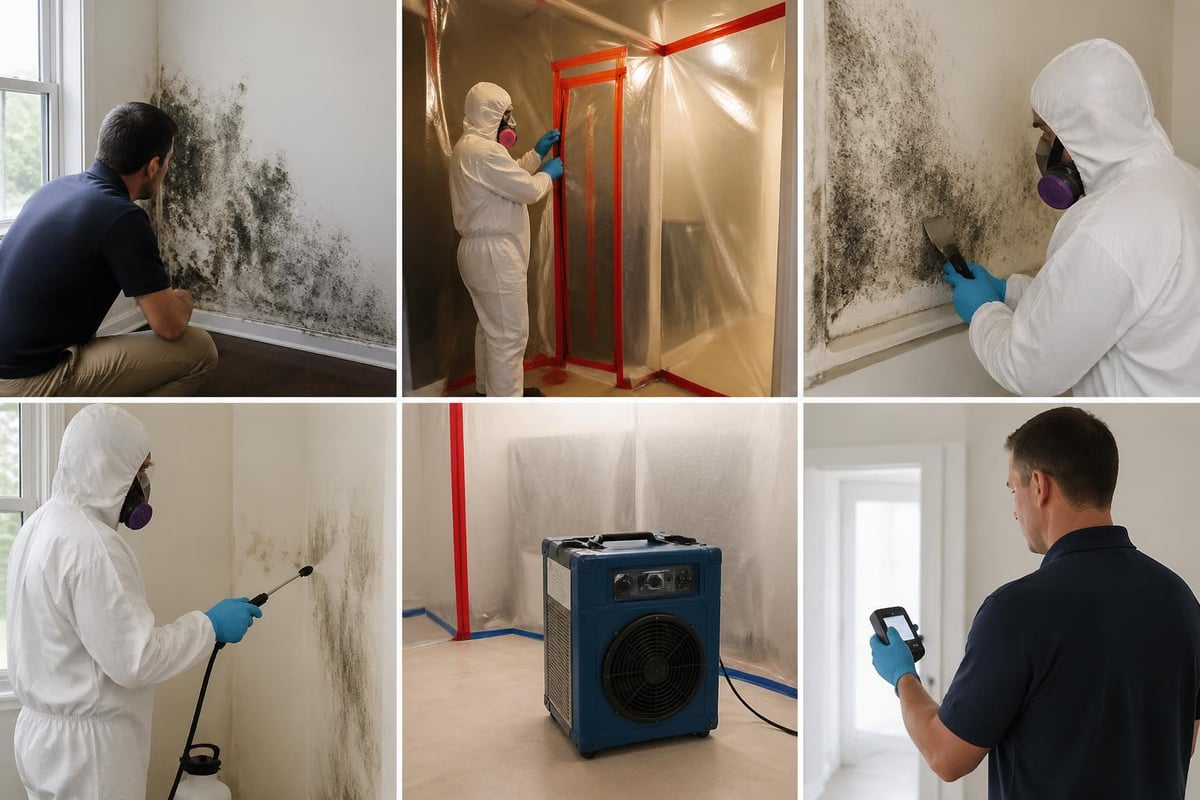
Professional remediation services follow established protocols ensuring complete mould removal whilst protecting occupant health during the process. Certified companies maintain compliance with UK health and safety legislation, providing documentation valuable for property transactions and insurance claims.
Landlord Responsibilities and Tenant Rights
The relationship between landlords and tenants regarding maldon essex mould issues involves legal obligations on both sides. Recent regulatory changes and high-profile cases have heightened awareness of housing health standards.
Regulatory Framework
The Homes (Fitness for Human Habitation) Act 2018 explicitly includes damp and mould as hazards landlords must address. Properties must meet habitability standards throughout tenancies, not merely at commencement.
Landlord Obligations:
- Maintain property in good repair, including damp-proof courses and weatherproofing
- Ensure adequate ventilation systems function properly
- Respond promptly to tenant reports of damp or mould
- Arrange professional assessment when problems persist
- Complete necessary remediation works within reasonable timeframes
Tenant Responsibilities
Tenants must use properties responsibly, maintaining reasonable heating and ventilation. Lifestyle factors contributing to condensation include inadequate heating, excessive moisture generation, and poor ventilation practices.
Reporting problems promptly enables early intervention before minor issues escalate. Documentation through photographs and written communications establishes clear timelines should disputes arise.
Cost Considerations for Mould Treatment
Understanding the financial implications of addressing mould helps property owners budget appropriately and prioritise preventative measures.
DIY Treatment Expenses
Minor surface mould on non-porous surfaces can be cleaned using household products. Proprietary mould and mildew cleaners cost between £5-£15 per bottle, whilst protective equipment including gloves and face masks adds minimal expense.
However, DIY approaches prove inadequate for extensive growth or porous materials such as plaster and timber. Attempting to paint over mould without proper treatment merely conceals the problem temporarily whilst growth continues beneath the surface.
Professional Service Investment
| Service Type | Typical Cost Range | Scope |
|---|---|---|
| Initial assessment | £150-£400 | Visual inspection, moisture readings, report |
| Air quality testing | £300-£600 | Spore sampling, laboratory analysis |
| Small-scale remediation | £500-£1,500 | Single room treatment |
| Whole property remediation | £2,000-£8,000 | Multiple areas, structural drying |
| Preventative installations | £400-£2,000 | Ventilation systems, dehumidifiers |
Investment in prevention and early intervention substantially reduces long-term costs. Extensive structural damage from prolonged moisture exposure can require tens of thousands of pounds in repairs, far exceeding preventative measure expenses.
Environmental Factors Specific to the Maldon Area
Beyond general coastal influences, Maldon's specific geographical features create localised risk factors for mould development.
Topography and Drainage
Low-lying areas near the Blackwater Estuary experience higher groundwater levels and periodic flooding risks. Properties in these locations require robust damp-proofing and drainage systems to prevent rising damp and penetrating moisture.
The town's historic development concentrated buildings in areas now recognised as flood-prone. Modern flood defences provide protection, but property owners should maintain awareness of flood risk assessments when purchasing or developing properties.
Microclimate Variations
Different neighbourhoods experience varying exposure to prevailing winds and sun. North-facing properties with limited solar gain maintain lower surface temperatures, increasing condensation risk. Sheltered locations with restricted air circulation retain higher humidity levels.
Understanding your specific property's microclimate enables targeted prevention strategies. Properties in exposed positions benefit from weather-resistant external treatments, whilst sheltered properties require enhanced ventilation to compensate for limited natural air movement.
Long-Term Property Value Implications
Unaddressed maldon essex mould problems significantly impact property values and marketability. Prospective buyers increasingly commission pre-purchase surveys that identify damp and mould issues, leading to price negotiations or transaction failures.
Documentation and Maintenance Records
Maintaining comprehensive records of mould prevention measures and remediation works demonstrates responsible property management. Professional inspection reports, treatment certificates, and ongoing maintenance logs provide valuable evidence of property care.
Properties with documented histories of professional mould management command higher buyer confidence than those with visible problems or incomplete maintenance records. This documentation becomes particularly important for period properties where some moisture movement represents normal building behaviour rather than defects.
Insurance Considerations
Some insurance policies exclude or limit cover for damp and mould damage, particularly when problems result from inadequate maintenance. Property owners should review their policies carefully, understanding coverage limitations and requirements for professional remediation.
Proactive maintenance and prompt problem resolution help maintain insurance eligibility and prevent claim disputes. Insurers view professionally managed properties more favourably than those with recurring, untreated issues.
Future-Proofing Against Climate Change
Climate projections suggest increasing rainfall intensity and humidity levels across south-east England. These trends will likely exacerbate existing mould challenges in Essex properties.
Adaptation Strategies
Forward-thinking property owners can implement upgrades that anticipate future climate conditions:
- Enhanced ventilation capacity exceeding current minimum standards
- Mechanical ventilation with heat recovery reducing heating costs whilst improving air quality
- External wall insulation using breathable systems suitable for solid-wall construction
- Improved drainage systems managing increased rainfall volumes
- Smart home technology monitoring humidity levels and controlling ventilation automatically
These investments provide immediate benefits whilst protecting properties against intensifying climate challenges in coming decades.
Managing maldon essex mould requires understanding the unique combination of coastal climate, historic building stock, and modern living patterns that characterise this Essex town. Property owners who implement comprehensive prevention strategies, maintain vigilant monitoring, and respond promptly to emerging issues protect both their property investments and occupant health. When professional assessment becomes necessary, Mouldsurv Ltd provides comprehensive inspection, testing, and remediation services across Essex, ensuring your property meets the highest standards of health and safety whilst maintaining full compliance with UK legislation.