

Navigating the landscape of property letting in the United Kingdom demands thorough understanding of legal obligations and regulatory frameworks. Landlords face an increasingly complex web of responsibilities, from ensuring property safety standards to managing tenant relationships within statutory boundaries. Whether you're a seasoned property investor or entering the rental market for the first time, comprehending landlord legal requirements is fundamental to operating lawfully whilst protecting both your investment and your tenants' wellbeing. This comprehensive guide examines the critical legal obligations every landlord must fulfil in 2026.
Understanding Core Landlord Obligations
The foundation of successful property letting rests upon meeting fundamental legal duties. Landlord responsibilities to tenants encompass far more than simply collecting rent and responding to maintenance requests.
Providing Habitable Living Conditions
Every landlord must ensure their rental property meets minimum habitability standards from the tenancy's first day. This encompasses structural integrity, adequate heating systems, proper ventilation, and functioning utilities. The property must be free from serious hazards that could endanger tenant health or safety.
Key habitability requirements include:
- Weatherproof exterior walls, roof, and window frames
- Adequate natural lighting and ventilation in all habitable rooms
- Safe electrical installations with valid safety certificates
- Functional heating and hot water systems
- Proper drainage and sanitary facilities
Failure to maintain habitable conditions can result in legal action, rent reduction claims, or council enforcement notices. Properties affected by dampness, mould growth, or structural defects represent serious habitability concerns requiring immediate attention.
Safety Certification and Documentation
Landlord legal requirements extend to obtaining and maintaining various safety certificates throughout the tenancy period. Gas Safety Regulations mandate annual inspections by Gas Safe registered engineers, with certificates provided to tenants within 28 days of completion.

Electrical Installation Condition Reports (EICRs) must be completed every five years by qualified electricians. These comprehensive inspections identify potential electrical hazards and confirm installations meet current safety standards.
| Certification Type | Frequency | Valid Duration | Issuing Authority |
|---|---|---|---|
| Gas Safety Certificate | Annual | 12 months | Gas Safe Engineer |
| EICR | Every 5 years | 5 years | Qualified Electrician |
| EPC | Before marketing | 10 years | Accredited Assessor |
| Legionella Risk Assessment | Triennial | 3 years | Competent Person |
Energy Performance Certificates (EPCs) must achieve minimum ratings before properties can be let. Since April 2020, most rental properties require an EPC rating of E or above, with plans for stricter standards ahead.
Property Safety Standards and Regulations
Modern landlord legal requirements place significant emphasis on preventing hazards within rental properties. The Housing Health and Safety Rating System (HHSRS) provides the framework councils use when assessing property conditions.
Fire Safety Compliance
Fire safety regulations require working smoke alarms on every storey where rooms are used for living purposes. Carbon monoxide detectors must be installed in rooms containing fixed combustion appliances.
Landlords must test all alarms at tenancy commencement and ensure they remain functional throughout. For Houses in Multiple Occupation (HMOs), additional fire safety measures apply, including fire doors, emergency lighting, and potentially fire alarm systems.
Damp and Mould Obligations
Dampness and mould growth constitute serious hazards under HHSRS assessments. Landlords must address underlying causes of moisture problems, not merely treat visible symptoms. This includes repairing defective damp-proof courses, fixing leaks, improving ventilation, and ensuring adequate heating provision.
Properties with persistent damp issues may require professional damp surveys to identify root causes and determine appropriate remediation strategies. Ignoring dampness complaints can lead to enforcement action and prosecution under housing legislation.
Lead and Asbestos Management
Properties built before specific dates may contain hazardous materials requiring careful management. Required landlord disclosures often include informing tenants about known presence of lead paint or asbestos-containing materials.
Landlords must conduct risk assessments and implement appropriate control measures for asbestos in communal areas. Disturbance of asbestos materials without proper precautions violates health and safety legislation.
Tenancy Documentation and Disclosure Requirements
Transparency forms a cornerstone of modern landlord-tenant relationships. Comprehensive documentation protects both parties whilst ensuring compliance with landlord legal requirements.
Mandatory Disclosure Obligations
Before tenancies commence, landlords must provide specific information to prospective tenants. State rules on required disclosures vary, but UK landlords typically must disclose:
- Property ownership details and managing agent information
- Deposit protection scheme particulars
- EPC rating and certificate
- Gas safety certificate from the past 12 months
- Current council tax band
- Known flood risks affecting the property
Additional disclosure requirements include:
- Details of any restrictive covenants affecting property use
- Information about shared facilities or services
- Previous tenant contact details (if requesting references)
- Planned major works or refurbishments
- Known issues with anti-social behaviour in the area
Tenancy Agreement Essentials
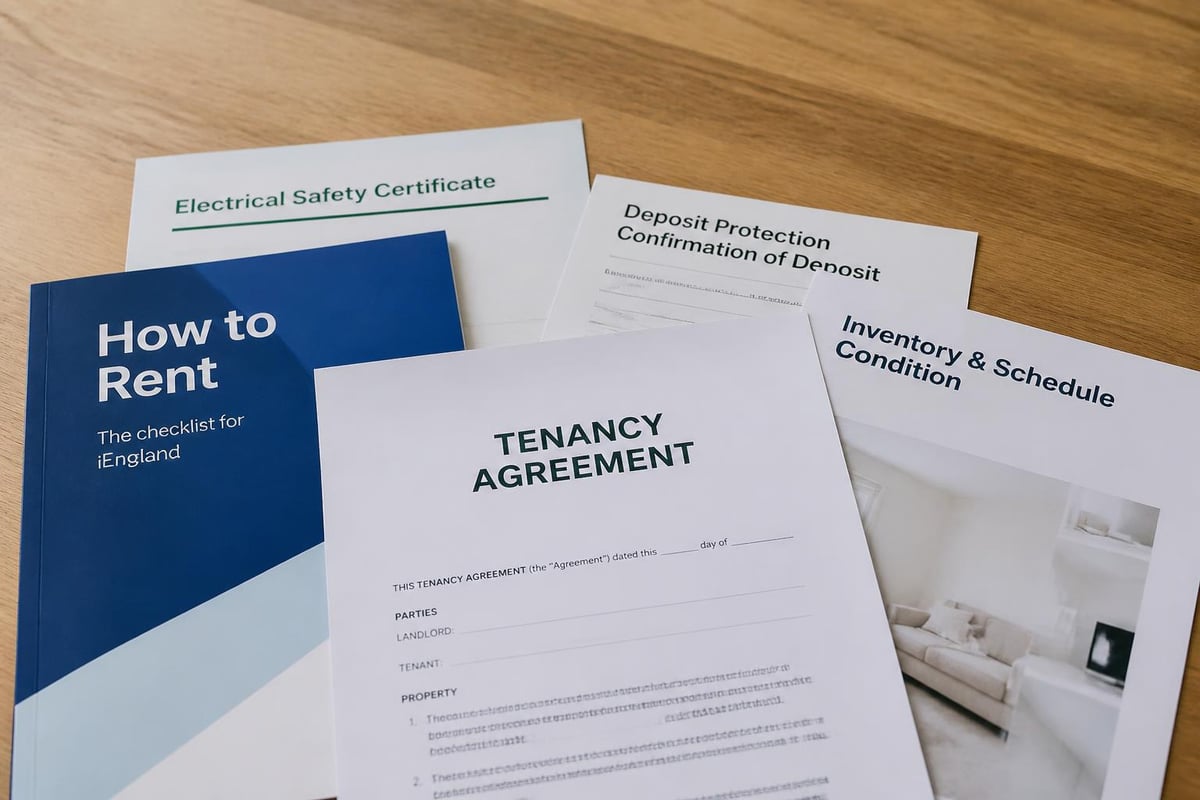
Written tenancy agreements should comprehensively document all terms and conditions. Whilst oral agreements may be legally binding, written documentation provides clarity and evidential value.
Standard provisions within assured shorthold tenancy agreements include rent amount and payment schedule, deposit details, tenant and landlord obligations, property use restrictions, and termination procedures. Unfair terms within tenancy agreements may be unenforceable under consumer protection legislation.
Deposit Protection and Financial Compliance
Financial aspects of property letting carry specific legal obligations designed to protect tenant interests whilst ensuring fair processes.
Deposit Protection Schemes
Landlord legal requirements mandate protecting tenant deposits in government-approved schemes within 30 days of receipt. Three authorised schemes operate in England and Northern Ireland, offering insurance-backed or custodial protection.
Failure to protect deposits correctly prevents landlords from serving valid Section 21 notices and may result in compensation claims worth one to three times the deposit amount.
Prescribed information must be provided to tenants within 30 days, detailing which scheme holds the deposit, how to apply for release, and what happens at tenancy end.
Rent Payment and Increases
Whilst no statutory maximum rent exists, increases must follow prescribed procedures. For assured shorthold tenancies, rent increases typically require either tenant agreement or formal Section 13 notice procedures.
Rent increase limitations:
- Cannot occur more frequently than annually (unless agreement states otherwise)
- Must provide minimum one month's notice for monthly tenancies
- Increases must be fair and realistic compared to similar local properties
- Tenants can challenge excessive increases through tribunal processes
Maintenance and Repair Responsibilities
Understanding repairs and maintenance obligations prevents disputes whilst ensuring properties remain compliant with habitability standards.
Structural and External Repairs
Landlords bear responsibility for maintaining property structure and exterior, including walls, roof, foundations, guttering, and external doors. Windows, frames, and external decorations also fall within landlord obligations.
These duties exist regardless of tenancy agreement clauses attempting to transfer responsibility to tenants. Agreements making tenants responsible for structural repairs are typically unenforceable.
| Landlord Responsibility | Tenant Responsibility | Shared Responsibility |
|---|---|---|
| Structural repairs | Interior decorating | Garden maintenance (if specified) |
| Exterior maintenance | Minor fixture repairs | Communal area upkeep |
| Heating system servicing | Light bulb replacement | Appliance care |
| Plumbing and drainage | Cleaning and hygiene | Pest control (situation-dependent) |
Installations and Utilities
Landlords must maintain installations for water, gas, electricity, heating, and sanitation. This includes boilers, radiators, water tanks, electrical wiring, sinks, toilets, and baths.
Response times for repairs depend on urgency. Emergency repairs affecting health, safety, or security require immediate attention. Non-urgent repairs should be addressed within reasonable timeframes, typically 28 days maximum.
Property Access for Inspections
Whilst landlords may enter for repairs and inspections, landlord-tenant law requires providing reasonable notice. Generally, 24 hours' written notice suffices for routine inspections or non-emergency repairs.
Entry without permission or proper notice may constitute harassment or illegal eviction. Tenants have rights to quiet enjoyment, limiting landlord access to reasonable purposes and times.
Licensing and Registration Requirements
Certain property types and locations require specific licences before letting can commence legally.
Selective and Additional Licensing
Some local authorities operate selective licensing schemes requiring landlords to obtain licences for properties in designated areas. Schemes aim to improve housing standards and management practices in areas with significant private rented sector concentrations.
Additional licensing applies to smaller HMOs not captured by mandatory licensing. Schemes vary by authority but typically cover properties occupied by three or four unrelated individuals.
Mandatory HMO Licensing
Properties meeting HMO criteria require mandatory licences if occupied by five or more people from two or more households sharing facilities. Standards include minimum room sizes, adequate bathroom and kitchen facilities, and enhanced fire safety measures.
Operating unlicensed HMOs constitutes criminal offences carrying substantial penalties, including unlimited fines and rent repayment orders.
HMO licensing conditions typically require:
- Maximum occupancy limits based on room sizes
- Adequate fire safety equipment and escape routes
- Regular safety inspections and maintenance
- Proper waste disposal arrangements
- Competent property management
Tenant Rights and Anti-Discrimination Laws
Landlord legal requirements extend beyond property standards to encompass fair treatment and non-discrimination throughout the letting process.
Fair Housing and Equality
The Equality Act 2010 prohibits discrimination based on protected characteristics including age, disability, gender reassignment, marriage status, pregnancy, race, religion, sex, and sexual orientation.
Discriminatory practices during tenant selection, tenancy management, or eviction processes violate equality legislation. Landlords must make reasonable adjustments for disabled tenants and cannot refuse assistance animals in no-pet properties.
Privacy and Data Protection
Landlords handling personal information must comply with UK GDPR and Data Protection Act 2018. Tenant data should be collected, stored, and processed lawfully with appropriate security measures.
References, credit checks, and right-to-rent documentation involve processing sensitive information requiring careful handling. Data should be retained only as long as necessary and deleted securely when no longer required.

Eviction Procedures and Possession
Regaining property possession requires following strict legal processes. Unlawful eviction constitutes criminal offences carrying serious penalties.
Section 21 and Section 8 Notices
Section 21 notices provide no-fault eviction routes for assured shorthold tenancies, though recent reforms have introduced additional requirements. Landlords must have protected deposits correctly, provided prescribed information, and supplied required documents.
Section 8 notices apply when tenants breach tenancy terms, typically through rent arrears or anti-social behaviour. Valid grounds for possession must be proven, with notice periods varying by ground cited.
Court Possession Proceedings
Following notice expiry, landlords cannot physically evict tenants without court orders. Possession claims must be filed through county courts, with hearings determining whether possession should be granted.
Only court-appointed bailiffs can execute evictions. Self-help evictions, including changing locks or removing tenant possessions, constitute illegal eviction regardless of valid possession grounds.
Ongoing Compliance and Record-Keeping
Maintaining comprehensive records demonstrates compliance with landlord legal requirements and provides evidence if disputes arise.
Documentation Management
Prudent landlords maintain organised files containing all safety certificates, inspection reports, tenancy agreements, correspondence, and financial records. Digital copies provide backup security whilst ensuring accessibility.
Records should be retained for minimum periods, typically six years for financial documents and throughout tenancy duration plus several years for tenancy-related paperwork.
Legislative Updates and Changes
Property letting legislation evolves continuously, with new requirements introduced regularly. Staying informed about regulatory changes ensures ongoing compliance and prevents inadvertent breaches.
Professional associations, letting agent updates, and government publications provide valuable information sources. Understanding how to become a private landlord includes committing to continuous learning about legal obligations.
Insurance and Financial Protection
Appropriate insurance coverage protects landlords from various risks whilst meeting certain legal requirements.
Landlord Insurance Essentials
Buildings insurance typically forms a mortgage requirement, covering structural damage from fires, floods, storms, and other perils. Contents insurance may be necessary if providing furnished accommodation.
Landlord-specific policies include public liability coverage, protecting against claims from tenant injuries or third-party damage. Legal expenses insurance covers costs of possession proceedings or tenant disputes.
Recommended insurance coverage includes:
- Buildings insurance (structural damage)
- Contents insurance (furnished properties)
- Public liability insurance
- Rent guarantee insurance
- Legal expenses insurance
- Emergency assistance cover
Employer's Liability Considerations
Landlords employing staff such as cleaners, gardeners, or property managers may require employer's liability insurance. This covers claims from employees injured or becoming ill through their work.
Professional Support and Resources
Navigating landlord legal requirements often benefits from professional assistance, particularly for complex situations or multiple properties.
When to Seek Legal Advice
Complex tenancy disputes, possession proceedings, or regulatory enforcement action warrant professional legal guidance. Solicitors specialising in landlord-tenant law provide expert advice tailored to specific circumstances.
Early legal consultation often prevents minor issues escalating into costly disputes. Many situations benefit from preventative legal review, including tenancy agreement drafting and major refurbishment planning.
Specialist Property Services
Certain landlord obligations require specialist expertise. Gas Safe engineers handle gas safety compliance, whilst qualified electricians conduct electrical inspections. Professional inventory clerks document property conditions, providing independent evidence for deposit disputes.
Property management companies offer comprehensive services covering tenant finding, rent collection, maintenance coordination, and regulatory compliance. Whilst incurring fees, professional management can ensure consistent adherence to landlord legal requirements.
Understanding and implementing landlord legal requirements protects both your property investment and tenant wellbeing whilst ensuring full regulatory compliance. When properties face challenges with dampness, mould, or indoor air quality issues affecting habitability standards, professional assessment and remediation become essential. Mouldsurv Ltd provides comprehensive inspections, testing, and remediation services across Essex, London, and Kent, helping landlords maintain properties that meet UK legislation requirements and provide safe, healthy environments for tenants.