
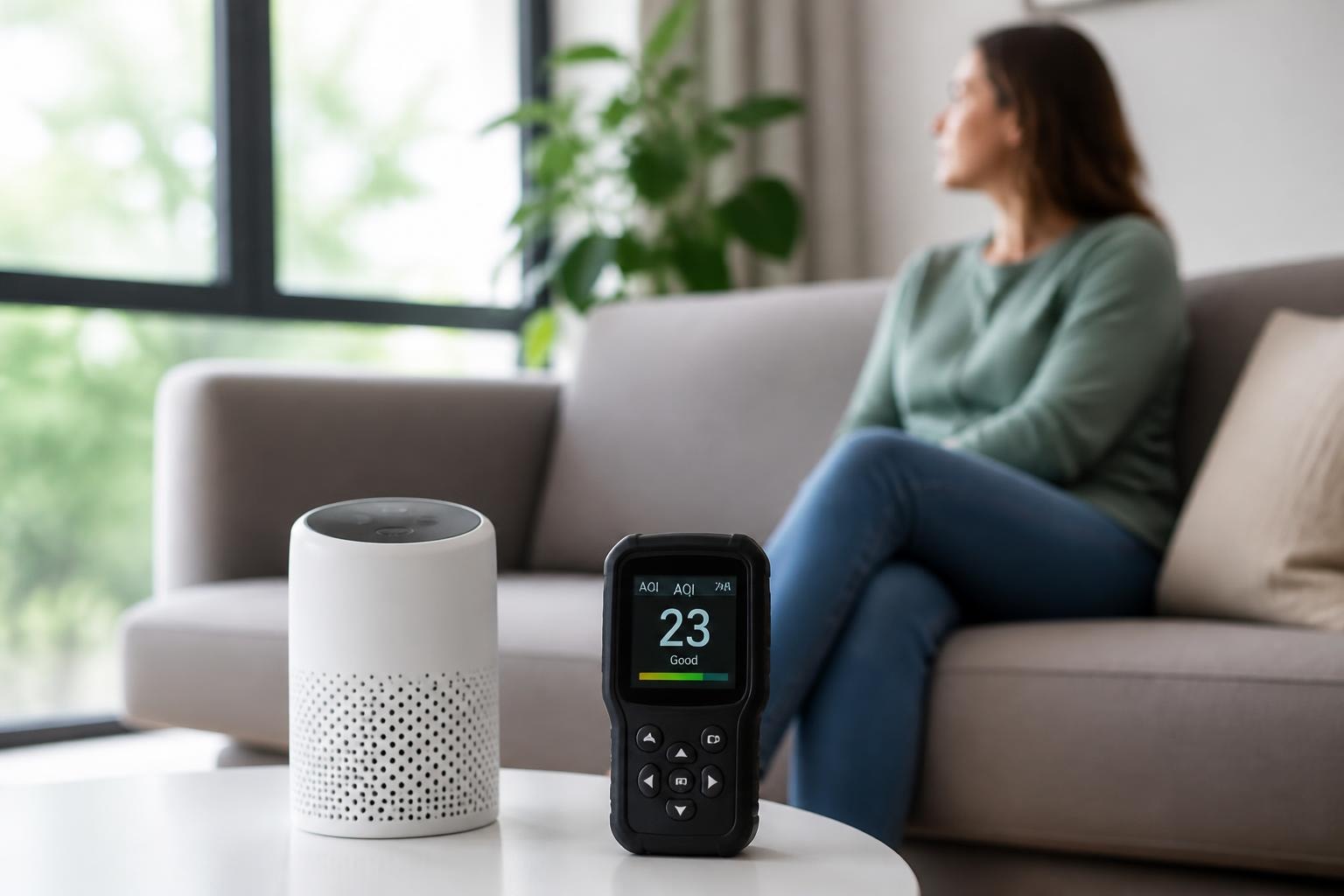
The air inside your property can be significantly more polluted than outdoor air, harbouring invisible threats that affect health, productivity, and comfort. Indoor air quality testing provides essential insights into the hidden contaminants circulating through homes and commercial spaces, from mould spores and volatile organic compounds to carbon dioxide and particulate matter. Understanding what lurks in your indoor environment represents the first step towards creating healthier living and working conditions.
Why Indoor Air Quality Testing Matters
Indoor environments present unique challenges that outdoor spaces simply don't encounter. Buildings trap pollutants, creating concentrated exposures that can persist for months or years without detection.
The health implications are significant and well-documented. Poor indoor air quality contributes to respiratory conditions, allergic reactions, headaches, fatigue, and long-term health concerns. According to the U.S. Environmental Protection Agency, levels of some indoor pollutants can be two to five times higher than outdoor levels, regardless of whether homes are located in rural or industrial areas.
Modern building practices, whilst improving energy efficiency, have inadvertently worsened indoor air quality in many properties. Tightly sealed structures reduce ventilation, allowing contaminants to accumulate rather than dissipate naturally.
Common Indoor Air Pollutants
The range of indoor air contaminants extends far beyond what most property owners anticipate. Understanding these pollutants helps explain why testing proves so valuable.
Biological contaminants include:
- Mould spores and mycotoxins
- Bacteria and viruses
- Pollen and pet dander
- Dust mites and their waste products
Chemical pollutants encompass:
- Volatile organic compounds (VOCs) from paints, cleaning products, and furnishings
- Carbon monoxide from faulty heating systems
- Radon gas seeping from the ground
- Formaldehyde from pressed wood products
Particulate matter ranges from visible dust to microscopic particles that penetrate deep into lungs. These particles often carry other pollutants, magnifying their health impact.
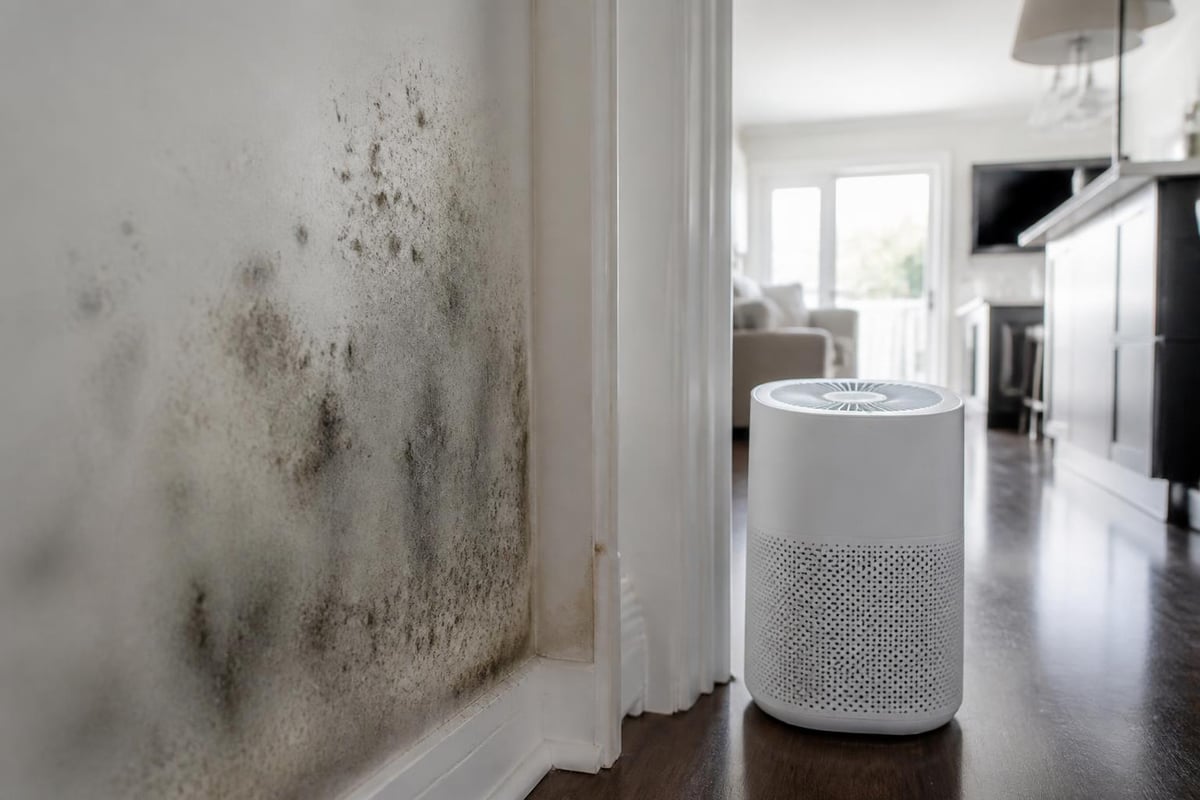
Types of Indoor Air Quality Testing
Different testing methodologies target specific concerns, and selecting the appropriate approach depends on symptoms, building characteristics, and suspected problems.
Air Sampling Methods
Spore trap sampling captures airborne particles on a sticky surface inside a collection device. Laboratories then identify and quantify mould spores, pollen, and other biological particles. This method provides a snapshot of what's floating through your air at the testing moment.
Viable sampling collects living organisms on growth media, allowing laboratories to culture and identify specific species. Whilst this approach takes longer, it reveals which organisms can actively grow and potentially cause health issues.
VOC testing employs specialised canisters or badges that absorb chemical vapours over several hours. Analysis identifies specific volatile organic compounds and their concentrations, crucial information for properties with new furnishings, recent renovations, or unexplained odours.
Continuous Monitoring Solutions
Modern technology enables real-time monitoring of indoor air parameters. These systems track changes throughout days, weeks, or months, revealing patterns that single-moment testing might miss.
| Parameter | What It Measures | Why It Matters |
|---|---|---|
| Particulate Matter (PM2.5, PM10) | Airborne particles by size | Respiratory health, allergen exposure |
| Carbon Dioxide | CO₂ concentration | Ventilation effectiveness |
| Temperature & Humidity | Environmental conditions | Mould growth risk, comfort |
| VOCs | Chemical vapours | Chemical exposure levels |
| Carbon Monoxide | CO levels | Safety, combustion concerns |
Professional Indoor Air Quality Testing services combine multiple methodologies to provide comprehensive assessments, particularly valuable when mould concerns arise alongside other air quality issues.
When to Schedule Indoor Air Quality Testing
Recognising the right time for testing prevents minor concerns from escalating into serious health hazards or costly remediation projects.
Immediate testing becomes essential following water damage events, even after visible moisture has dried. Mould colonies can establish themselves within 24-48 hours, and spore levels may rise before growth becomes visible.
Warning Signs That Demand Testing
Property occupants often notice symptoms before identifying their cause. Pay attention to these indicators:
- Persistent musty or unusual odours without obvious sources
- Respiratory symptoms that improve when away from the property
- Allergic reactions developing in previously unaffected individuals
- Visible mould growth in any location
- Recent flooding, leaks, or condensation issues
New constructions and renovations frequently benefit from baseline testing. Modern building materials, adhesives, and finishes can off-gas significant VOC quantities for months after installation.
Properties with vulnerable occupants warrant particular attention. Young children, elderly residents, and individuals with respiratory conditions or compromised immune systems face heightened risks from poor air quality.
The Testing Process Explained
Understanding what happens during professional indoor air quality testing helps property owners prepare effectively and interpret results accurately.
Initial Assessment and Planning
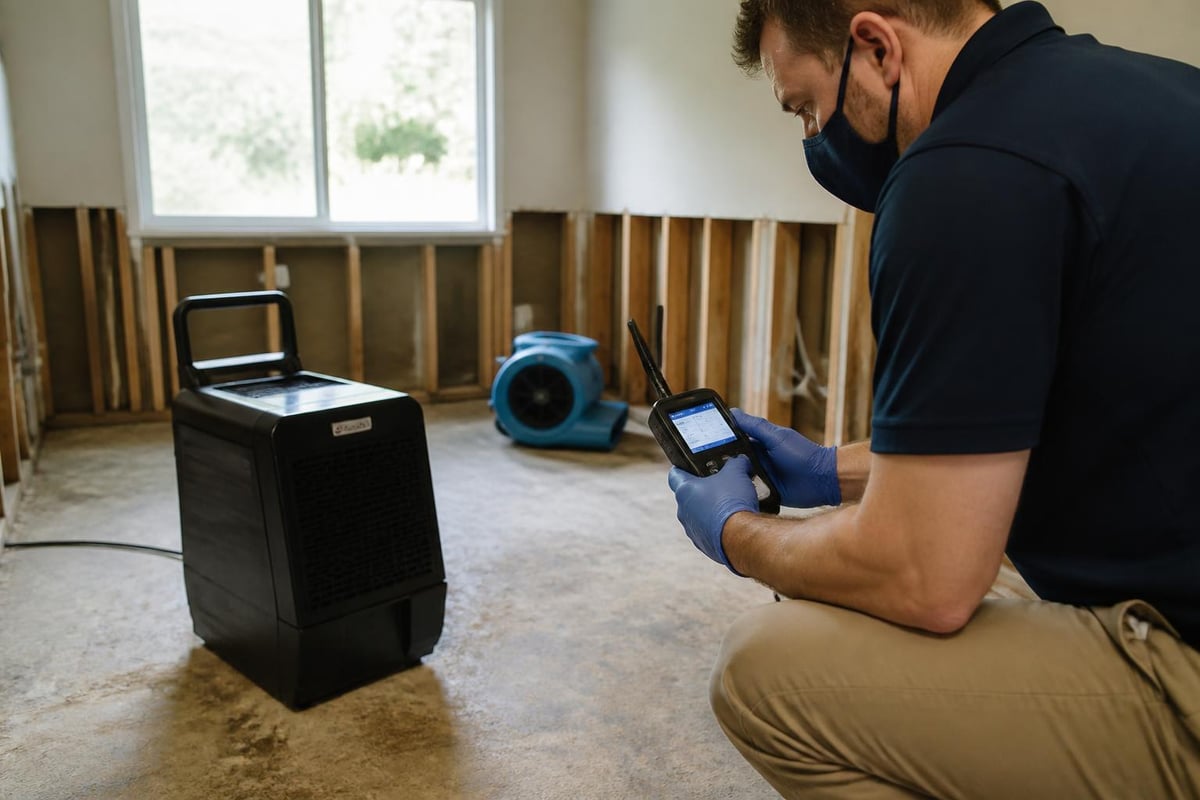
Qualified technicians begin with a thorough visual inspection and consultation. This stage identifies potential pollution sources, assesses building characteristics, and determines which tests will provide the most valuable information.
Strategic sample placement proves crucial for meaningful results. Background samples from unaffected areas establish baseline conditions, whilst targeted samples from problem zones reveal contamination levels. The science and technologies behind indoor air quality testing continue evolving, providing increasingly sophisticated analytical capabilities.
Sample Collection
Professional collectors follow strict protocols to ensure sample integrity and accuracy. Air pumps calibrated to precise flow rates draw specific volumes through collection media. Surface samples from visible growth or suspicious areas complement air samples, particularly for mould investigations.
Duration matters significantly. Short-term samples capture current conditions, whilst long-term sampling reveals average exposures over days or weeks. Some investigations require both approaches for complete understanding.
Interpreting Test Results
Laboratory reports arrive filled with data, charts, and technical terminology that can overwhelm property owners unfamiliar with indoor air quality metrics.
Understanding Spore Counts
Mould spore counts compare indoor levels against outdoor samples collected simultaneously. This comparison provides context, as some spore presence is normal and unavoidable.
Elevated indoor counts relative to outdoor levels suggest internal growth sources requiring investigation. However, numbers alone don't tell the complete story. Certain mould species pose greater health risks than others, regardless of quantity.
| Result Category | Indoor vs Outdoor | Interpretation |
|---|---|---|
| Normal | Similar or lower | Typical conditions |
| Elevated | Moderately higher | Potential concern, investigate further |
| Very High | Significantly higher | Active growth likely, remediation needed |
| Species of Concern | Any level | Immediate attention required |
Chemical Contaminant Levels
VOC results compare measured concentrations against established health guidelines and reference ranges. Different compounds carry different risk profiles, and mixtures may produce combined effects exceeding individual chemical concerns.
The American Lung Association provides valuable guidance on interpreting various indoor air quality measurements and understanding their health implications.
Taking Action After Testing
Test results guide targeted interventions, eliminating guesswork and preventing unnecessary remediation expenses.
Addressing Mould Concerns
When testing confirms mould problems, proper remediation becomes essential. DIY approaches often prove inadequate for significant contamination, potentially spreading spores throughout properties during attempted cleaning.
Source elimination addresses why mould grew initially. Without correcting underlying moisture issues, mould returns regardless of how thoroughly surfaces are cleaned. This might involve repairing leaks, improving ventilation, or modifying building envelope performance.
Reducing Chemical Exposures
Elevated VOC levels demand different strategies:
- Increase ventilation rates through mechanical systems or strategic window opening
- Remove or isolate emission sources when possible
- Allow new products to off-gas in well-ventilated spaces before introducing them to occupied areas
- Select low-VOC alternatives for future purchases
Air purification helps reduce certain contaminants but shouldn't substitute for source control. High-efficiency particulate air (HEPA) filters capture particles effectively, whilst activated carbon removes some gaseous pollutants.
Maintaining Healthy Indoor Air Quality
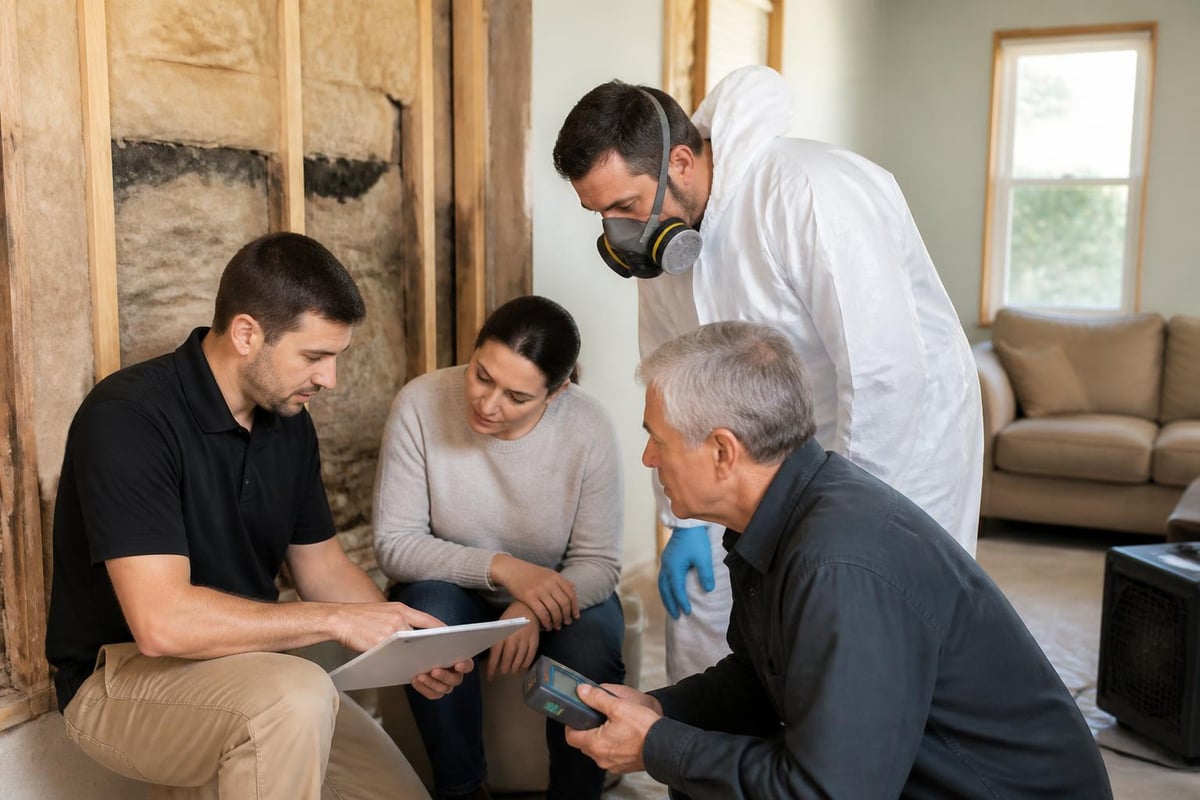
Testing represents one component of comprehensive indoor air quality management. Ongoing vigilance prevents problems from redeveloping after remediation or appearing in previously healthy spaces.
Ventilation Strategies
Modern building standards emphasize ventilation as the primary indoor air quality control mechanism. The National Institute of Standards and Technology conducts extensive research on air and contaminant transport in buildings, demonstrating ventilation's critical role.
Mechanical ventilation systems should receive regular maintenance and filter changes according to manufacturer specifications. Neglected systems accumulate dust, support microbial growth, and distribute contaminants rather than removing them.
Natural ventilation through windows provides effective dilution when outdoor conditions permit. However, this approach requires consideration of outdoor pollution levels, weather conditions, and security concerns.
Humidity Control
Relative humidity between 30% and 50% prevents mould growth whilst maintaining comfort. Levels consistently above 60% create ideal conditions for biological contamination.
Dehumidification becomes essential in damp climates or moisture-prone spaces. Whole-house systems integrated with HVAC equipment provide superior control compared to portable units in individual rooms.
Conversely, excessively dry air irritates respiratory passages and increases susceptibility to infections. Winter heating often requires humidification to maintain healthy levels.
Professional Testing vs DIY Approaches
Consumer-grade air quality monitors have become increasingly sophisticated and affordable, prompting questions about whether professional testing remains necessary.
Advantages of Professional Testing
Certified professionals bring expertise extending beyond device operation. They understand building science, recognize subtle indicators, and integrate multiple data sources into cohesive assessments.
Laboratory analysis provides specificity impossible with consumer devices. Identifying exact mould species or specific chemical compounds enables targeted responses rather than general interventions that may prove ineffective.
Professional reports carry weight with landlords, insurance companies, and legal proceedings when documentation becomes necessary. DIY results, whilst useful for personal awareness, lack the credibility required for formal purposes.
When DIY Monitoring Suffices
Continuous consumer monitors excel at tracking trends and identifying when professional intervention becomes warranted. They're particularly valuable for:
- Monitoring remediation effectiveness over time
- Verifying ventilation system performance
- Tracking seasonal variations in air quality
- Providing early warning of developing problems
Cost considerations make consumer devices attractive for ongoing monitoring, reserving professional testing for initial assessments, post-remediation verification, and investigations into specific concerns.
Regulatory and Legal Considerations
Indoor air quality standards in the UK continue evolving as understanding of health impacts improves and building practices change.
Compliance Requirements
Commercial properties face stricter oversight than residential spaces, with workplace health and safety regulations mandating acceptable indoor environments. Employers must assess and control health risks, including those arising from poor air quality.
Rental properties increasingly face scrutiny regarding habitability standards. Landlords have legal obligations to address damp and mould issues that affect tenant health, making proactive testing a valuable risk management tool.
The EPA's frequently asked questions resource addresses common compliance concerns and mitigation strategies, though UK-specific regulations may differ in detail.
Documentation and Liability
Maintaining testing records demonstrates due diligence in property management. Documentation proves invaluable if disputes arise regarding health impacts or property conditions.
Test results influence insurance claims following water damage or contamination events. Baseline testing before problems occur establishes normal conditions, whilst post-incident testing quantifies impacts and guides restoration scope.
Cost Factors and Investment Value
Indoor air quality testing prices vary considerably based on scope, methodologies employed, and property characteristics.
Typical Testing Costs
Basic assessments examining common parameters might start from several hundred pounds, whilst comprehensive investigations involving multiple sample types and extensive laboratory analysis can reach several thousand.
| Service Type | Typical Range | What's Included |
|---|---|---|
| Basic Mould Testing | £200-£400 | Limited air samples, basic analysis |
| Comprehensive IAQ Assessment | £500-£1,500 | Multiple parameters, detailed report |
| Ongoing Monitoring Setup | £300-£800 | Equipment installation, baseline assessment |
| Post-Remediation Verification | £250-£600 | Targeted sampling, clearance documentation |
Long-term savings from testing often exceed initial costs. Identifying problems early prevents extensive damage requiring major remediation. Confirming that suspected issues don't actually exist avoids unnecessary intervention expenses.
Future Trends in Air Quality Testing
Technology advances continuously improve testing accuracy, accessibility, and affordability whilst expanding the range of detectable contaminants.
Emerging Technologies
Sensor networks employing multiple monitors throughout properties provide unprecedented detail regarding air quality variations across different spaces and times. Cloud-based analytics identify patterns that manual review might miss.
Artificial intelligence applications analyse complex data sets, predicting when conditions favour contamination and recommending preventative interventions before problems manifest.
Portable testing devices increasingly approach laboratory accuracy whilst delivering results in minutes rather than days. This immediate feedback enables real-time decision-making during inspections and remediation work.
The introduction to indoor air pollution for health professionals demonstrates growing medical recognition of indoor air quality's health significance, driving demand for more sophisticated assessment capabilities.
Indoor air quality testing transforms invisible concerns into measurable data, enabling informed decisions about creating healthier indoor environments. Whether addressing immediate health symptoms, verifying remediation effectiveness, or establishing preventative monitoring programmes, professional testing provides the foundation for effective intervention. Mouldsurv Ltd offers comprehensive indoor air quality assessments across Essex, London, and Kent, combining advanced testing methodologies with expert interpretation to protect your property and health. Contact their certified specialists today to schedule your indoor air quality evaluation and take the first step towards breathing easier.