
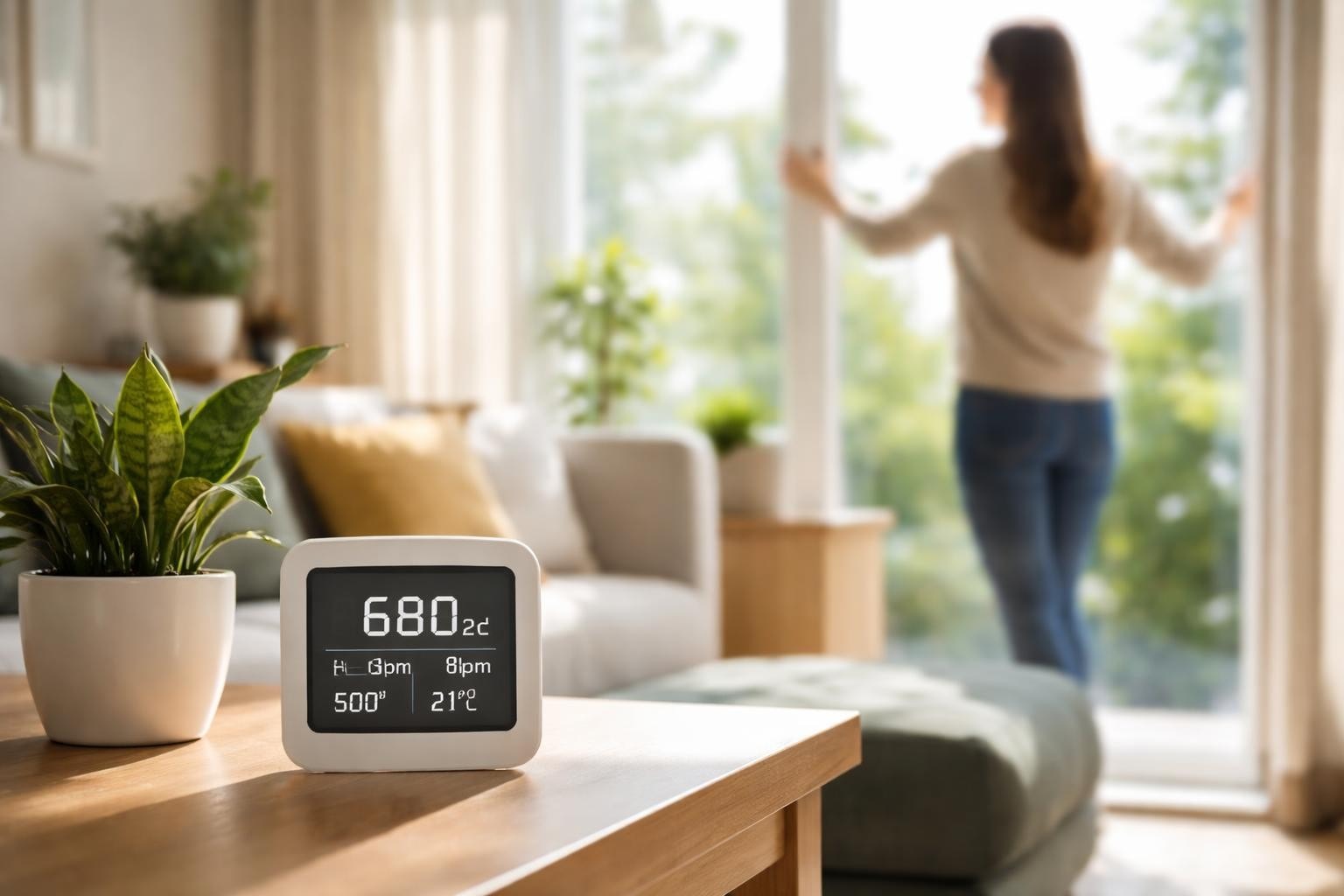
The quality of air within buildings significantly impacts both health and comfort, yet remains one of the most overlooked aspects of property management. In the UK, where residents spend approximately 90% of their time indoors, understanding and maintaining healthy indoor environments has become increasingly critical. From residential homes to commercial premises across Essex, London, and Kent, poor ventilation, excess moisture, and biological contaminants can create conditions that affect respiratory health, trigger allergies, and compromise structural integrity.
Understanding Indoor Air Quality Fundamentals
Indoor air quality refers to the condition of air within buildings and structures, particularly as it relates to the health and comfort of occupants. Unlike outdoor air, which benefits from natural dispersion and atmospheric processes, indoor environments can trap pollutants, allowing them to accumulate to levels that pose genuine health risks.
The U.S. Environmental Protection Agency recognises that indoor air can be two to five times more polluted than outdoor air, even in industrial cities. This concentration occurs because modern buildings are constructed to be energy-efficient and airtight, reducing natural ventilation that would otherwise dilute airborne contaminants.
Primary Indoor Air Pollutants
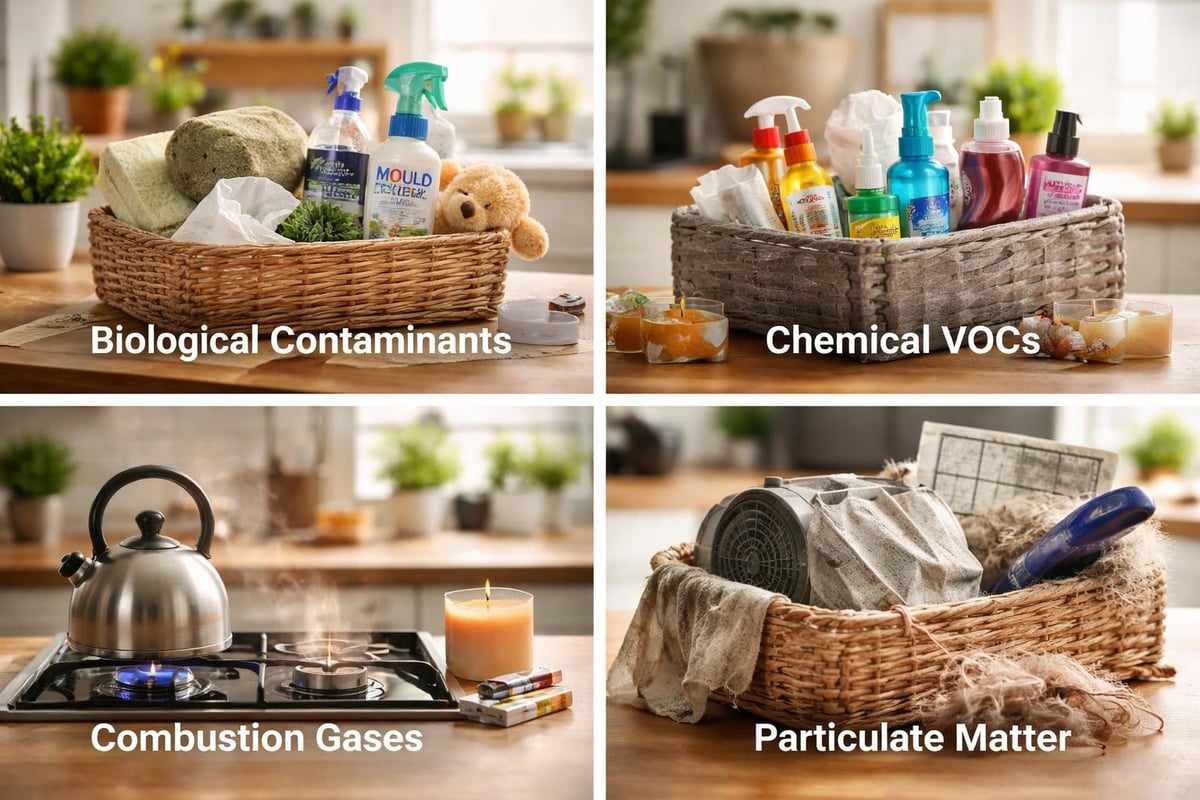
Several categories of pollutants contribute to diminished indoor air quality:
- Biological contaminants: Mould spores, bacteria, viruses, pollen, and dust mites
- Chemical pollutants: Volatile organic compounds (VOCs) from paints, cleaning products, and furnishings
- Combustion by-products: Carbon monoxide, nitrogen dioxide from gas appliances
- Particulate matter: Dust, fibres, and smoke particles
- Radon: Naturally occurring radioactive gas from ground beneath buildings
Each pollutant type presents distinct challenges and requires specific mitigation strategies. Biological contaminants, particularly mould spores, often indicate underlying moisture problems that demand immediate attention.
Health Implications of Poor Indoor Air Quality
The relationship between indoor air quality and human health extends far beyond simple discomfort. Prolonged exposure to contaminated indoor air can lead to both acute and chronic health conditions, affecting respiratory function, immune response, and overall wellbeing.
According to the American Lung Association, individuals with existing respiratory conditions, children, elderly persons, and those with compromised immune systems face heightened vulnerability to indoor air pollutants. Understanding these risks enables property owners and managers to prioritise interventions effectively.
Short-Term Health Effects
Immediate reactions to poor indoor air quality often manifest as:
- Eye, nose, and throat irritation
- Headaches and dizziness
- Fatigue and difficulty concentrating
- Aggravation of asthma symptoms
- Allergic reactions including skin rashes
These symptoms typically improve upon leaving the affected environment, providing a clear indicator that indoor air quality issues exist.
Long-Term Health Consequences
Chronic exposure to indoor air pollutants can result in more serious health outcomes:
| Health Condition | Associated Pollutants | Risk Factors |
|---|---|---|
| Respiratory diseases | Mould spores, particulates | Existing asthma, COPD |
| Heart disease | Carbon monoxide, fine particles | Age, pre-existing conditions |
| Cancer | Radon, asbestos, benzene | Long-term exposure, genetics |
| Neurological effects | Lead, carbon monoxide | Children, pregnancy |
The Occupational Safety and Health Administration emphasises that workplace environments must meet specific air quality standards to protect employee health and productivity. These principles apply equally to residential settings.
Sources of Indoor Air Contamination
Identifying pollution sources represents the first step towards improving indoor air quality. In UK properties, particularly older buildings common across Essex, London, and Kent, multiple contamination pathways often exist simultaneously.
Moisture-Related Problems
Excess moisture creates ideal conditions for biological growth, making it the primary concern for indoor air quality in the UK's damp climate. Water intrusion from leaks, condensation, or rising damp enables mould and bacterial proliferation.
Professional Indoor Air Quality Testing can measure spore concentrations and identify specific mould species present, providing crucial data for targeted remediation strategies.
Condensation occurs when warm, moisture-laden air contacts cold surfaces such as windows, external walls, or poorly insulated areas. This phenomenon is particularly prevalent during winter months when heating creates temperature differentials.
Building Materials and Furnishings
Modern construction materials and household items release various chemicals into indoor environments:
- Pressed wood products containing formaldehyde
- Carpeting and upholstery treated with stain-resistant chemicals
- Paints and varnishes releasing VOCs during curing
- Adhesives and sealants off-gassing organic compounds
Newly renovated properties often experience elevated pollutant levels during the initial months following completion.
Ventilation and Air Exchange
Adequate ventilation forms the cornerstone of maintaining healthy indoor air quality. The rate at which outdoor air replaces indoor air directly influences pollutant concentrations within buildings.
Natural Ventilation Strategies
Traditional UK properties often incorporated passive ventilation features:
- Trickle vents in window frames allowing controlled airflow
- Air bricks in external walls providing underfloor ventilation
- Chimney stacks creating natural updraft and air circulation
- Opening windows to introduce fresh outdoor air
However, well-intentioned energy efficiency improvements sometimes compromise these natural ventilation pathways, leading to reduced air exchange rates.
Mechanical Ventilation Systems
Modern properties increasingly rely on mechanical systems to ensure adequate ventilation:
| System Type | Application | Advantages | Considerations |
|---|---|---|---|
| Extract fans | Bathrooms, kitchens | Removes moisture at source | Requires regular maintenance |
| MVHR | Whole-house | Energy efficient, filtered air | Initial cost, ductwork needed |
| PIV | Whole-house | Positive pressure reduces condensation | Electricity consumption |
| HVAC | Commercial buildings | Complete climate control | Complex installation |
The Lawrence Berkeley National Laboratory provides extensive research demonstrating how ventilation rates affect pollutant accumulation and occupant health outcomes.
Testing and Monitoring Indoor Air Quality
Accurate assessment of indoor air quality requires systematic testing and monitoring approaches. Visual inspection alone cannot detect many airborne contaminants or quantify their concentrations.
Professional Testing Methods
Comprehensive air quality assessment typically involves:
- Air sampling to capture and analyse airborne particles and spores
- Surface sampling to identify mould species on building materials
- Humidity measurements using calibrated hygrometers
- Temperature mapping to locate cold spots and condensation risks
- Pressure testing to evaluate building envelope integrity
These techniques provide objective data that informs targeted improvement strategies rather than generic interventions.
Continuous Monitoring Devices
Technological advances have made air quality monitoring more accessible:
- Carbon dioxide sensors indicating ventilation adequacy
- Particulate matter detectors measuring dust and smoke
- VOC monitors detecting chemical pollutant levels
- Combined units measuring multiple parameters simultaneously
Regular monitoring enables early detection of developing problems before they escalate into significant health or structural issues.
Strategies for Improving Indoor Air Quality
Effective improvement of indoor air quality requires a systematic approach addressing both pollutant sources and environmental conditions that enable their proliferation.
Source Control
Eliminating or reducing pollutant sources represents the most effective strategy:
- Address moisture intrusion through leak repairs and drainage improvements
- Select low-VOC materials during renovations and furnishing
- Implement proper storage for chemicals and cleaning products
- Maintain combustion appliances ensuring complete burning and adequate venting
- Control biological growth through prompt remediation and preventive measures
Professional mould remediation services ensure that biological contamination is safely removed following established protocols, preventing cross-contamination to unaffected areas.
Environmental Control
Managing indoor environmental conditions prevents pollutant accumulation:
- Maintain relative humidity between 40-60% to discourage mould growth
- Ensure adequate ventilation rates for building occupancy
- Control temperature to minimise condensation on cold surfaces
- Implement regular cleaning protocols reducing dust accumulation
- Use air purification systems with appropriate filtration for specific pollutants
Humidity Control and Condensation Management
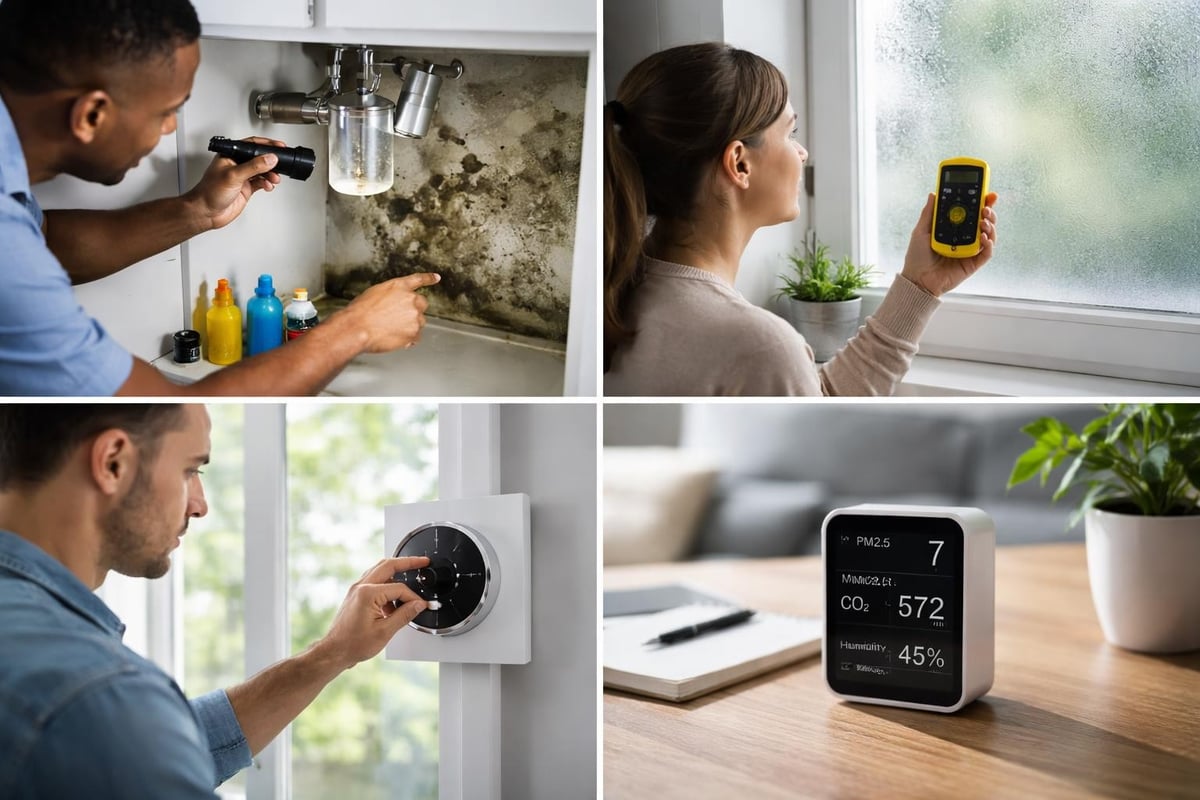
The UK's temperate maritime climate creates particular challenges for humidity control in buildings. Excess moisture not only promotes biological growth but also damages building materials and increases heating costs.
Understanding Relative Humidity
Relative humidity expresses the amount of moisture in air as a percentage of the maximum it could hold at that temperature. As temperature decreases, air's moisture-holding capacity reduces, causing condensation when saturation occurs.
Properties across Essex, London, and Kent commonly experience condensation problems during winter months when external temperatures drop whilst internal moisture generation from cooking, bathing, and breathing continues.
Practical Humidity Reduction Techniques
Several approaches effectively manage indoor humidity levels:
| Technique | Application | Effectiveness | Cost |
|---|---|---|---|
| Extract ventilation | Bathrooms, kitchens | High | Moderate |
| Dehumidifiers | Problematic rooms | High | Low-Moderate |
| Improved heating | Whole property | Moderate-High | Variable |
| Reduced moisture generation | Lifestyle changes | Moderate | None |
| Damp-proof measures | Structural issues | High | High |
The Indoor Air Quality Association provides professional guidance on humidity management strategies appropriate for different building types and climate conditions.
Mould and Indoor Air Quality
Mould represents one of the most significant threats to indoor air quality in UK properties. These microscopic fungi release spores into the air, which when inhaled can trigger allergic reactions, respiratory problems, and other health issues.
Mould Growth Requirements
Mould requires three basic conditions to proliferate:
- Moisture: Relative humidity above 60% or liquid water
- Nutrients: Organic materials including wood, paper, dust, and textiles
- Temperature: Most species thrive between 15-27°C
UK buildings provide abundant nutrients and suitable temperatures, making moisture control the critical factor in mould prevention.
Health Effects of Mould Exposure
Research documented by the American Lung Association demonstrates that mould exposure can cause:
- Allergic rhinitis and sinusitis
- Asthma development and exacerbation
- Hypersensitivity pneumonitis in severe cases
- Mycotoxin-related symptoms in susceptible individuals
- Increased susceptibility to respiratory infections
Individuals with mould allergies may experience symptoms at spore concentrations that don't affect others, highlighting the importance of maintaining low spore levels regardless of visible growth.
Regulatory Framework and Standards
UK legislation and guidance documents establish expectations for indoor air quality in various settings, though residential properties face less stringent requirements than commercial or public buildings.
Workplace Regulations
The Health and Safety Executive provides workplace exposure limits for many airborne contaminants, requiring employers to monitor and control exposure. The Approved Code of Practice establishes specific responsibilities for identifying and managing indoor air quality risks.
Housing Standards
The Housing Health and Safety Rating System (HHSRS) considers excess cold, damp and mould growth, and crowding and space as hazards affecting residential properties. Local authorities can take enforcement action where these hazards pose serious risks to occupant health.
Building Regulations
Part F of the Building Regulations addresses ventilation in new and renovated buildings, specifying minimum ventilation rates and acceptable approaches to achieving them. Compliance ensures adequate air exchange to dilute pollutants and remove moisture.
Indoor Air Quality in Different Property Types
Different building uses and occupancy patterns create distinct indoor air quality challenges requiring tailored solutions.
Residential Properties
Homes generate moisture through cooking, bathing, and occupant respiration. Older properties with solid walls and single-glazed windows often experience condensation and mould growth during winter months.
Modern energy-efficient homes may lack adequate ventilation if passive measures were eliminated during retrofitting without mechanical alternatives being installed.
Commercial Buildings
Office environments face challenges from high occupant density, office equipment, and sealed building envelopes designed for HVAC systems. Poor maintenance of ventilation systems can distribute contaminated air throughout buildings.
Schools and Educational Facilities
High occupancy density combined with variable heating and ventilation creates conditions where carbon dioxide levels can rise significantly, affecting concentration and learning outcomes.
Long-Term Maintenance and Prevention
Sustaining healthy indoor air quality requires ongoing attention rather than one-time interventions. Developing maintenance schedules and monitoring protocols ensures problems are detected and addressed before they compromise health or property condition.
Preventive Maintenance Schedule
Systematic maintenance should include:
- Monthly filter replacement in mechanical ventilation systems
- Quarterly inspection of damp-prone areas for early signs of moisture
- Annual professional assessment of ventilation system performance
- Bi-annual heating system servicing ensuring complete combustion
- Regular cleaning protocols removing dust and allergen accumulation
The EPA's comprehensive resources provide detailed guidance on establishing effective maintenance programs for different building types.
Occupant Education
Building occupants play a crucial role in maintaining indoor air quality through daily behaviours:
- Opening windows daily for short periods to exchange air
- Using extract fans when cooking or bathing
- Wiping condensation from windows and surfaces
- Reporting water leaks or damp patches promptly
- Avoiding overproduction of moisture through drying clothes indoors
Clear communication about these responsibilities helps maintain healthy indoor environments between professional inspections.
Emerging Technologies and Future Developments
Innovation in building materials, ventilation systems, and monitoring technology continues to advance indoor air quality management capabilities.
Smart Building Systems
Internet-connected sensors enable real-time monitoring of multiple air quality parameters with automated responses:
- Ventilation systems adjusting based on carbon dioxide or humidity levels
- Air purifiers activating when particulate concentrations exceed thresholds
- Alerts notifying property managers of developing problems
- Data logging enabling trend analysis and predictive maintenance
Advanced Filtration
Development of new filtration media improves removal of smaller particles and specific contaminants:
| Filter Type | Target Pollutants | Efficiency | Applications |
|---|---|---|---|
| HEPA | Particles >0.3μm | 99.97% | Air purifiers, MVHR |
| Activated carbon | VOCs, odours | Variable | Chemical filtration |
| UV-C | Biological contaminants | High | Duct sterilisation |
| Photocatalytic | VOCs, biologicals | Moderate | Continuous treatment |
These technologies provide additional tools for managing specific indoor air quality challenges in particularly sensitive environments.
Maintaining optimal indoor air quality protects both health and property value through systematic assessment, targeted interventions, and ongoing monitoring. Whether addressing existing problems or implementing preventive measures, professional expertise ensures effective solutions that comply with UK standards and best practices. Mouldsurv Ltd offers comprehensive testing, inspection, and remediation services across Essex, London, and Kent, helping property owners create and maintain healthy indoor environments through evidence-based approaches and certified expertise.