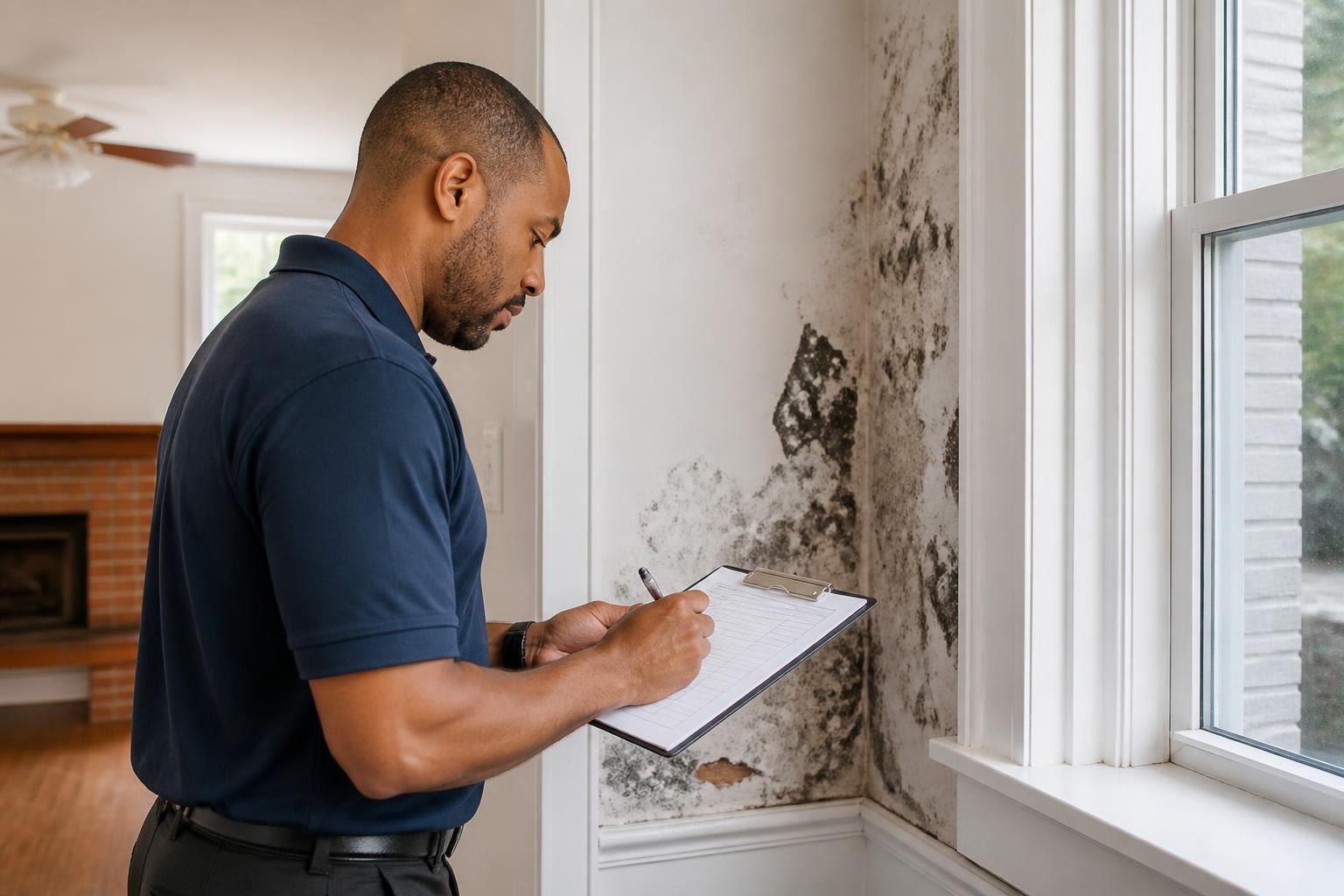
The housing health safety rating system remains the cornerstone of residential property safety enforcement across England and Wales. Introduced in 2006 under the Housing Act 2004, this risk-based evaluation method replaced the previous fitness standard, creating a more sophisticated approach to identifying and addressing health hazards in rental properties. For landlords, property managers, and tenants alike, understanding how this system operates is essential for maintaining legal compliance and ensuring safe living conditions.
Understanding the Housing Health Safety Rating System Framework
The housing health safety rating system operates on a fundamentally different principle than its predecessor. Rather than providing a simple pass or fail assessment, it evaluates the potential risks that housing conditions pose to the health and safety of occupants. This risk-based approach examines both the likelihood of harm occurring and the severity of potential outcomes.
The system assesses 29 distinct hazard categories, grouped into four main areas:
- Physiological requirements (damp, mould growth, excess cold, excess heat, asbestos, carbon monoxide, lead, radiation, volatile organic compounds)
- Psychological requirements (crowding and space, entry by intruders, lighting, noise)
- Protection against infection (domestic hygiene, sanitation, food safety, personal hygiene, water supply)
- Protection against accidents (falls on stairs, falls between levels, falls on surfaces, electrical hazards, fire, hot surfaces, collision and entrapment, explosions, position and operability of amenities)
Each hazard receives a numerical score calculated using a complex formula that considers the likelihood of an occurrence and the range of potential harm. The National Residential Landlords Association provides detailed guidance on how these scores translate into enforcement actions.
How Hazard Ratings Are Calculated
The calculation methodology behind the housing health safety rating system involves multiple variables. Environmental health officers assess the probability of harm occurring over a 12-month period and evaluate the spread of potential harms across four classes: Class I (extreme), Class II (severe), Class III (serious), and Class IV (moderate).
| Hazard Category | Band A (Highest) | Band B | Band C | Band D (Lowest) |
|---|---|---|---|---|
| Score Range | 1,000+ | 500-999 | 200-499 | Under 200 |
| Classification | Category 1 | Category 1 | Category 2 | Category 2 |
| Action Required | Mandatory | Mandatory | Discretionary | Discretionary |
Category 1 hazards pose the most serious risk and require immediate action. Local authorities have a statutory duty to take enforcement action when Category 1 hazards are identified. Category 2 hazards represent less serious risks, though councils retain discretionary powers to intervene.
The Role of Damp and Mould in HHSRS Assessments
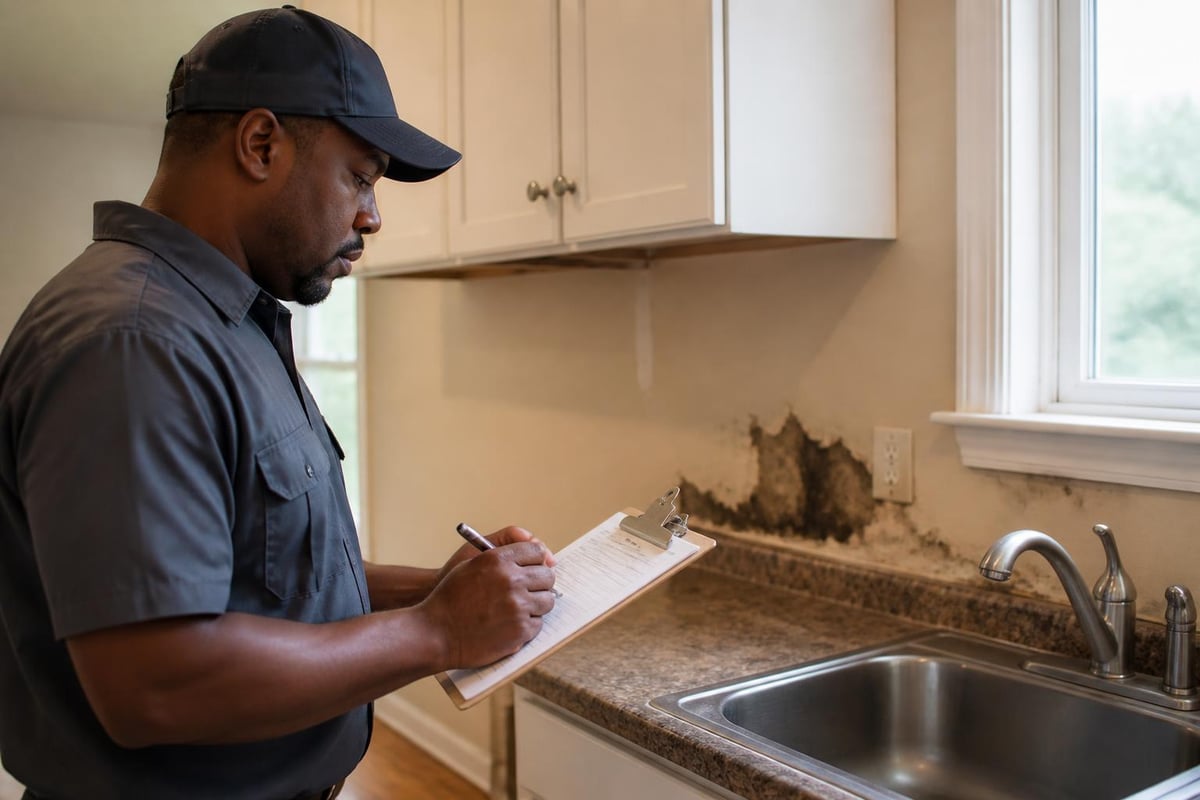
Amongst the 29 hazards evaluated, damp and mould growth frequently emerge as significant concerns during housing health safety rating system inspections. These interrelated issues fall under Hazard 1 (Damp and Mould Growth) and pose substantial health risks, particularly to vulnerable occupants including children, elderly residents, and those with respiratory conditions.
Damp and mould hazards arise from multiple sources: condensation caused by inadequate ventilation, penetrating damp from structural defects, rising damp from failed damp-proof courses, and plumbing leaks. The housing health safety rating system considers both the extent of dampness and the presence of visible mould when calculating risk scores.
Key factors assessed during damp and mould evaluations include:
- Percentage of property affected by dampness
- Severity and type of mould growth
- Ventilation adequacy
- Heating provision and efficiency
- Insulation standards
- Structural waterproofing integrity
Properties with persistent condensation problems, visible mould patches exceeding specific thresholds, or structural dampness typically score highly under this hazard category. When conducting a mould assessment, specialists evaluate these same factors that environmental health officers consider during HHSRS inspections, ensuring comprehensive identification of moisture-related issues.
Enforcement Powers and Landlord Obligations
Local authorities possess extensive enforcement powers under the housing health safety rating system. When Category 1 hazards are identified, councils must take appropriate action from a range of enforcement options, selecting the most suitable response based on the specific circumstances.
The enforcement toolkit includes:
- Improvement Notices: Requiring specific works within a defined timeframe
- Prohibition Orders: Restricting property use until hazards are addressed
- Hazard Awareness Notices: Formal notification of hazards without mandatory action
- Emergency Remedial Action: Immediate council intervention for imminent danger
- Emergency Prohibition Orders: Instant restriction of property use
- Demolition Orders: Requiring property demolition in extreme cases
Landlords who fail to comply with improvement notices face unlimited fines and potential prosecution. Manchester City Council highlights that repeated non-compliance can result in banning orders preventing individuals from letting properties or engaging in property management.
Conducting HHSRS Inspections
The inspection process under the housing health safety rating system follows a structured methodology. Environmental health officers systematically examine all areas of a property, including communal spaces in multi-occupancy buildings. Inspections typically occur following tenant complaints, as part of licensing scheme compliance checks, or during proactive enforcement campaigns.

During inspections, officers consider the most vulnerable potential occupant who might reasonably reside in the property. This approach ensures that assessments account for those at greatest risk rather than current occupants only. A property suitable for healthy adults might score differently if vulnerable groups could potentially occupy the dwelling.
Documentation and Evidence Requirements
Comprehensive documentation underpins effective housing health safety rating system assessments. Environmental health officers collect photographic evidence, take moisture readings, measure room dimensions, assess ventilation rates, and document heating provision. This evidence supports hazard scores and potential enforcement action.
Property owners benefit from maintaining their own records demonstrating compliance with housing standards. Documentation should include:
- Annual gas safety certificates
- Electrical installation condition reports
- Records of maintenance and repairs
- Ventilation system servicing logs
- Professional damp and mould surveys
- Energy performance certificates
Croydon Council emphasizes that proactive maintenance and proper documentation can significantly reduce HHSRS risks. Properties with comprehensive maintenance records typically demonstrate lower hazard scores during formal assessments.
Specific Hazard Categories Requiring Attention
Beyond damp and mould, several other hazard categories within the housing health safety rating system frequently trigger enforcement action. Understanding these common issues enables landlords to conduct effective self-assessments and address problems before formal inspections occur.
Excess cold remains a persistent concern across UK housing stock. Properties lacking adequate heating provision or suffering from poor insulation score highly under this hazard. The assessment considers internal temperatures achievable throughout the property, with particular focus on bedrooms and living areas during winter months.
| Common Hazard | Typical Causes | Prevention Measures |
|---|---|---|
| Excess Cold | Poor insulation, inadequate heating | Install efficient heating systems, improve insulation |
| Falls on Stairs | Poor lighting, defective handrails | Ensure adequate lighting, maintain handrails |
| Fire Hazards | Inadequate fire detection, blocked escape routes | Install smoke alarms, maintain clear exits |
| Electrical Hazards | Outdated wiring, overloaded circuits | Regular EICR testing, qualified electrician work |
Falling hazards encompass multiple subcategories within the housing health safety rating system. Falls on stairs, falls between levels, and falls on surfaces each receive separate assessment. Inadequate lighting, worn floor coverings, missing handrails, and uneven surfaces all contribute to elevated hazard scores.
Fire safety presents another critical concern. Wirral Council's guidance details how assessments evaluate smoke detection provision, fire escape routes, fire door condition, and the presence of fire-resistant construction. Houses in multiple occupation face particularly stringent requirements under fire safety regulations.
Vulnerable Occupants and Risk Assessment
The housing health safety rating system incorporates sophisticated statistical data regarding vulnerability to different hazards. Children under 14 face higher risks from certain hazards including damp and mould, excess cold, and falling hazards. Elderly occupants experience elevated risk from falls, excess cold, and entry by intruders.
This vulnerability-based approach means identical property conditions can generate different hazard scores depending on likely occupants. A ground-floor flat marketed towards elderly residents might score differently for falling hazards compared to the same property marketed to young professionals.
Environmental health officers consider property characteristics when determining the most vulnerable likely occupant:
- Property size and bedroom configuration
- Accessibility features
- Rental price point
- Location and local demographics
- Marketing approach and tenant selection
Landlord Responsibilities Under HHSRS
Compliance with the housing health safety rating system constitutes a fundamental landlord obligation. Even without formal inspections, property owners must ensure their dwellings remain free from Category 1 hazards and address Category 2 hazards to reasonable standards.
Proactive compliance strategies include:
- Regular property inspections identifying maintenance needs
- Responsive repairs addressing defects promptly
- Adequate provision of heating and hot water
- Proper ventilation installation and maintenance
- Structural maintenance preventing water ingress
- Electrical and gas safety compliance
- Fire safety measures appropriate to property type
North Kesteven District Council outlines that landlords retaining professional property management services should ensure these managers understand HHSRS requirements. Management agreements must clearly allocate responsibility for compliance and maintenance.

Tenant Rights and Reporting Mechanisms
Tenants possess important rights under the housing health safety rating system framework. Occupiers concerned about property conditions can report issues directly to local authority environmental health departments. Councils investigate complaints and conduct HHSRS assessments when appropriate.
Protection from retaliatory eviction exists for tenants who report housing health safety rating system concerns to local authorities. The Deregulation Act 2015 prevents landlords from serving Section 21 notices within six months of council enforcement action, provided tenants have not breached tenancy agreements.
However, tenants also bear responsibilities. Occupiers must:
- Allow reasonable access for inspections and repairs
- Use heating and ventilation systems appropriately
- Report defects and maintenance issues promptly
- Avoid actions causing or exacerbating hazards
- Maintain reasonable standards of hygiene
Cherwell District Council's resources explain how both landlords and tenants contribute to maintaining housing standards. Collaborative approaches often resolve issues more effectively than adversarial enforcement.
Commercial Implications and Property Investment
Understanding the housing health safety rating system carries significant commercial implications for property investors and landlords. Properties with unaddressed hazards face enforcement action that can restrict lettings, require expensive remedial works, or result in prohibition orders preventing occupation.
Enforcement action appears on public registers maintained by local authorities, potentially damaging landlord reputations and affecting future letting prospects. Financial penalties for non-compliance continue increasing, with recent legislative changes introducing civil penalties up to £30,000 for specific offences.
Investment due diligence should incorporate HHSRS considerations:
- Professional pre-purchase surveys identifying potential hazards
- Budgeting for compliance works before letting
- Understanding local authority enforcement priorities
- Assessing property suitability for intended tenant demographics
- Evaluating remediation costs for older properties
Properties built before 1919 typically present higher HHSRS risks due to construction methods, materials, and absence of modern building regulation compliance. Victorian and Edwardian properties frequently require significant investment addressing damp, insulation, electrical systems, and structural maintenance.
Professional Assessment Services and Support
Many landlords engage professional services to conduct informal HHSRS assessments before formal local authority inspections. These proactive evaluations identify potential hazards and enable remedial action, reducing enforcement risk and protecting tenant welfare.
Professional assessments typically mirror local authority methodology, examining all 29 hazard categories and calculating indicative hazard scores. Detailed reports recommend remedial actions prioritised by urgency and regulatory risk. For properties with suspected damp and mould issues, specialist surveys provide the detailed analysis necessary for effective remediation planning.
Qualified environmental health practitioners, chartered surveyors specialising in residential property, and accredited housing consultants offer HHSRS assessment services. When selecting professionals, landlords should verify appropriate qualifications, professional indemnity insurance, and experience with similar property types.
Regional Variations and Local Enforcement Approaches
Whilst the housing health safety rating system provides a national framework, local authorities exercise discretion in enforcement approaches. Some councils operate proactive inspection programmes targeting specific property types or geographical areas, whilst others respond primarily to complaints.
Licensing schemes for houses in multiple occupation and selective licensing areas typically incorporate HHSRS compliance as licensing conditions. Properties within these schemes face regular inspections ensuring ongoing compliance with housing standards.
Regional property market conditions influence enforcement priorities. Areas with high rental demand and competitive markets sometimes experience higher complaint rates and more active enforcement. Conversely, areas with lower demand might see councils prioritising the most serious hazards whilst taking lighter-touch approaches to minor Category 2 issues.
Landlords operating across multiple local authority areas should familiarise themselves with regional enforcement trends and maintain relationships with local environmental health departments. Understanding regional priorities enables more effective compliance strategies and risk management.
The housing health safety rating system represents a comprehensive framework for ensuring residential property safety across England and Wales, with particular emphasis on hazards including damp, mould, inadequate heating, and structural defects. For landlords and property managers, understanding this system is essential for maintaining compliance and protecting both tenant welfare and business interests. Mouldsurv Ltd provides comprehensive assessment and remediation services across Essex, London, and Kent, helping property owners identify and address HHSRS-related concerns before they escalate into enforcement action. Our certified specialists conduct thorough inspections aligned with local authority assessment criteria, ensuring your properties meet current regulatory standards whilst protecting occupant health.