
The housing landscape in England underwent significant transformation when the Homes (Fitness for Human Habitation) Act 2018 came into force, establishing robust legal standards for rental properties. This legislation fundamentally altered the relationship between landlords and tenants, creating clear obligations around property conditions and introducing meaningful remedies for those living in substandard accommodation. Understanding the intricacies of this Act is essential for property owners, letting agents, and tenants alike, particularly when addressing persistent issues such as damp and mould that directly impact habitability.
Understanding the Homes (Fitness for Human Habitation) Act 2018
The homes act 2018 represents a pivotal change in English housing law, introducing an implied covenant into certain residential tenancy agreements. This covenant requires landlords to ensure their properties remain fit for human habitation throughout the entire tenancy period, not merely at the outset.
Parliament passed this legislation to address a significant gap in tenant protection. Prior to its implementation, tenants had limited legal recourse when faced with serious disrepair issues that made their homes unhealthy or unsafe to live in. The Homes (Fitness for Human Habitation) Act 2018 came into force on 20th March 2019, applying to new tenancies immediately and extending to existing periodic tenancies from that date.
Which Tenancies Are Covered?
The scope of the homes act 2018 extends to specific categories of residential tenancies in England:
- Secure tenancies
- Assured tenancies (including assured shorthold tenancies)
- Introductory tenancies
- Demoted tenancies
Fixed-term tenancies granted before 20th March 2019 fall outside the Act's remit until they become periodic or are renewed. Properties with an initial annual rent exceeding £100,000 in London or £52,000 elsewhere remain exempt from these provisions.

The 29 Hazards: What Makes a Home Unfit?
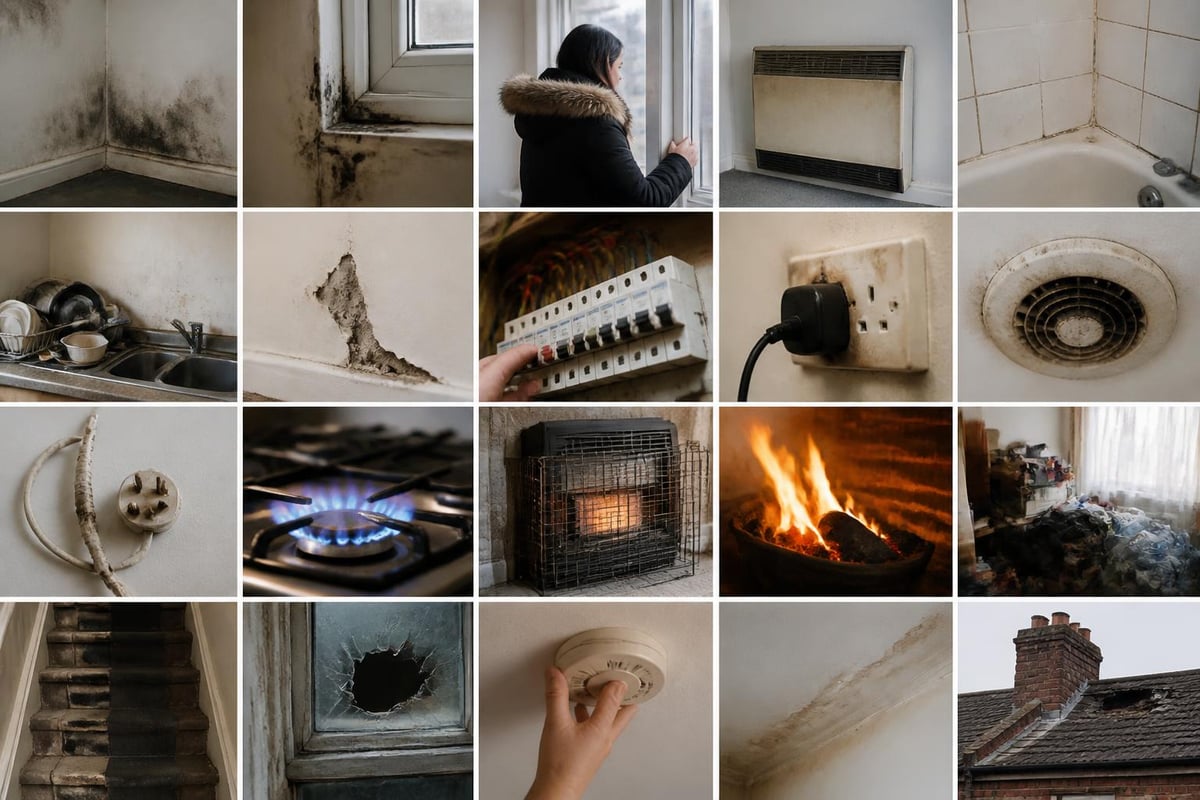
Central to understanding the homes act 2018 is the Housing Health and Safety Rating System (HHSRS), which defines fitness for human habitation through 29 specific hazards. These hazards assess risks to occupant health and safety across four primary categories.
| Category | Examples of Hazards | Impact on Habitability |
|---|---|---|
| Physiological | Damp and mould, excess cold, excess heat | Respiratory conditions, cardiovascular stress |
| Psychological | Crowding and space, lighting | Mental health deterioration, developmental issues |
| Protection Against Infection | Domestic hygiene, sanitation, water supply | Disease transmission, contamination risks |
| Protection Against Accidents | Falls, electrical hazards, fire safety | Physical injuries, fatalities |
Damp and mould growth represents one of the most frequently encountered hazards under the HHSRS framework. These conditions often stem from structural defects, inadequate ventilation, or persistent water ingress, creating environments conducive to harmful biological growth.
Assessment and Enforcement
Local housing authorities assess hazards using a structured methodology that considers the likelihood of occurrence and potential harm severity. Category 1 hazards pose serious and immediate risks, whilst Category 2 hazards represent lesser threats but still require attention.
The homes act 2018 empowers tenants to take direct legal action against landlords who fail to maintain their properties to required standards. Previously, tenants relied primarily on local authority intervention, creating delays and limiting individual agency. This legislation shifts the balance, providing detailed guidance for private tenants on how to exercise their rights.
Landlord Obligations Under the Legislation
Property owners bear substantial responsibilities under the homes act 2018, extending beyond basic structural maintenance to encompass the overall habitability of their rental properties. These duties apply from the tenancy's commencement and continue throughout its duration.
Key landlord obligations include:
- Ensuring the property meets fitness standards at the start of the tenancy
- Maintaining fitness throughout the entire tenancy period
- Responding promptly to disrepair issues that affect habitability
- Conducting regular property inspections to identify potential hazards
- Implementing preventative measures against common hazards
Landlords cannot contract out of these obligations. Any tenancy clause attempting to exclude or limit the implied covenant under the homes act 2018 is void and unenforceable. This protection ensures tenants cannot be pressured into waiving their fundamental rights to safe, healthy accommodation.
Common Areas of Non-Compliance
Many landlords inadvertently fall foul of the legislation through inadequate property management rather than deliberate neglect. Understanding landlord responsibilities under the Act is crucial for maintaining compliance.
Damp and mould issues frequently trigger fitness concerns. These problems may arise from:
- Defective damp-proof courses or membranes
- Inadequate heating systems preventing condensation control
- Poor ventilation in kitchens and bathrooms
- Leaking roofs, gutters, or plumbing
- Rising damp through solid floors or walls
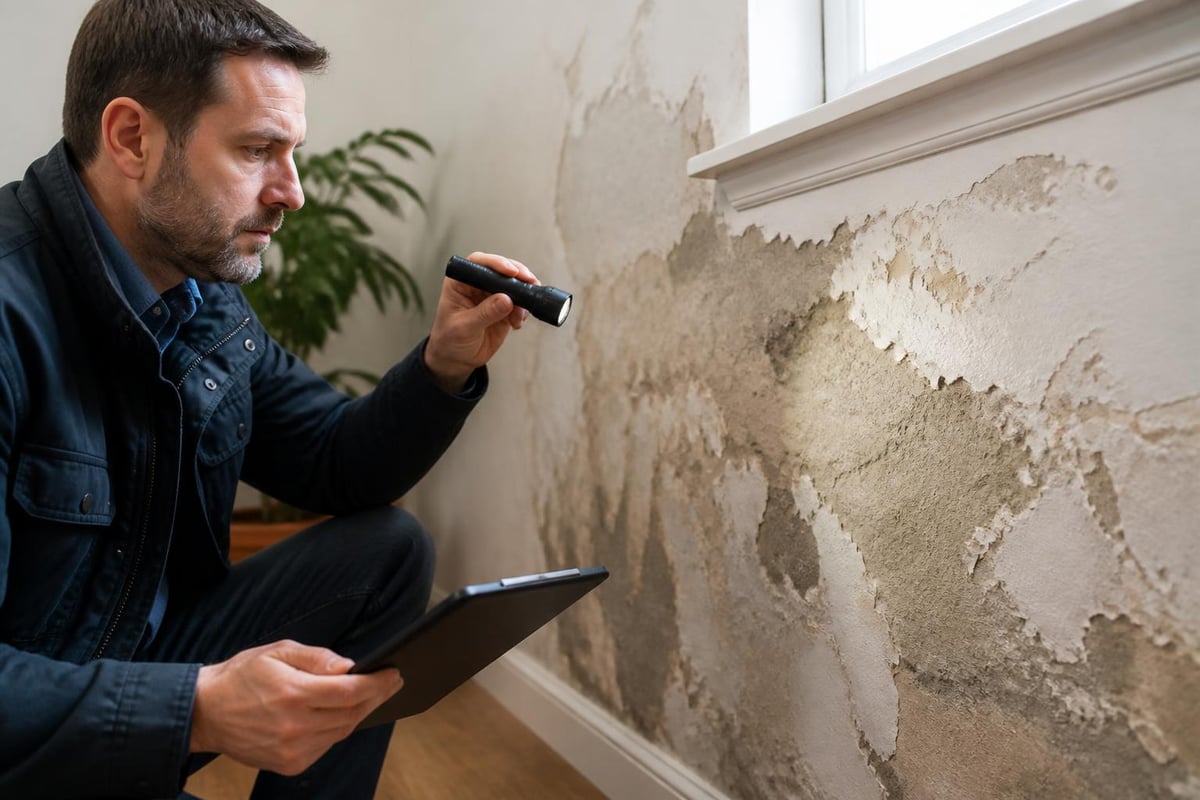
Professional mould inspections can identify the underlying causes of biological growth, distinguishing between lifestyle-related condensation and structural defects requiring remediation. This distinction proves essential for determining liability and appropriate remedial action.
Tenant Rights and Legal Remedies
The homes act 2018 significantly strengthens tenant protections by granting direct access to civil courts for enforcement. Tenants need not rely solely on local authority intervention, though that route remains available as a complementary option.
Taking Legal Action
Tenants may pursue claims in the county court for breach of the fitness covenant. Before initiating proceedings, tenants must provide their landlord with reasonable notice of the defects and allow adequate time for remediation. Courts assess what constitutes "reasonable notice" based on the severity and nature of the hazard.
Available remedies include:
- Damages for breach of covenant (compensation for inconvenience, distress, and health impacts)
- Orders requiring the landlord to carry out specific works
- Rent repayment orders in certain circumstances
- Costs awards covering legal expenses
The legislation does not specify a limitation on damages, allowing courts to award appropriate compensation reflecting the severity of the breach and its impact on tenants. Health problems linked to damp and mould, for instance, may warrant substantial awards when landlords fail to address Category 1 hazards.
Protection Against Retaliation
Tenants exercising their rights under the homes act 2018 enjoy protection against retaliatory eviction. Section 33 of the Deregulation Act 2015 prevents landlords from serving Section 21 notices (no-fault evictions) for six months after tenants have complained about property conditions to local authorities.
Whilst the homes act 2018 itself does not extend this protection, its interplay with existing legislation provides tenants with meaningful safeguards. The practical implications for landlords in England include the need for proactive property management and responsive repair procedures.
Practical Compliance Strategies for Property Owners
Landlords can adopt several practical measures to ensure ongoing compliance with the homes act 2018 and protect both their tenants' wellbeing and their own legal position.
Regular Property Inspections
Conducting systematic inspections identifies emerging hazards before they escalate into serious fitness issues. Recommended inspection frequency varies with property type, age, and condition, but quarterly visits represent good practice for most rental properties.
| Inspection Focus | What to Check | Frequency |
|---|---|---|
| Structural integrity | Walls, floors, ceilings, foundations | Annually |
| Damp and mould | Signs of moisture ingress, condensation, biological growth | Quarterly |
| Heating systems | Boiler function, radiators, temperature control | Before winter season |
| Ventilation | Extractor fans, airbricks, window operation | Bi-annually |
| Electrical safety | Wiring condition, socket functionality | Five-yearly testing |
Documentation of these inspections proves invaluable should disputes arise. Photographs, written reports, and records of remedial action demonstrate proactive compliance with legal obligations.
Preventative Maintenance Programmes
Addressing potential hazards before they manifest protects both tenant health and landlord interests. Preventative strategies prove particularly effective for damp and mould issues, which represent one of the most common grounds for fitness claims.
Essential preventative measures include:
- Installing and maintaining adequate ventilation systems
- Ensuring heating systems provide sufficient warmth
- Repairing building fabric defects promptly
- Treating early signs of damp before mould establishes
- Providing tenant guidance on condensation management
The homes act 2018 places responsibility firmly with landlords, even when tenant behaviour contributes to condensation problems. Courts recognise that adequate heating and ventilation should prevent mould growth under normal occupation patterns.
The Impact on the Rental Market
Since its implementation, the homes act 2018 has influenced landlord behaviour and tenant expectations across England's private rental sector. Research indicates increased awareness of property standards among both parties, though enforcement remains inconsistent.
Market Dynamics and Property Standards
Analysis of the Act's impact reveals varying responses from landlords. Responsible property owners have embraced the legislation, viewing it as a framework for best practice rather than an onerous burden. Others have exited the market, citing increased regulatory complexity.
Observable trends include:
- Rising demand for professional property management services
- Increased uptake of landlord insurance products
- Greater investment in property upgrades and maintenance
- Enhanced tenant willingness to report serious disrepair
- More frequent involvement of environmental health officers
Property values in areas with older housing stock face particular scrutiny. Victorian and Edwardian properties, whilst characterful, often require substantial investment to meet modern fitness standards, particularly regarding damp prevention and thermal efficiency.
Integration with Other Housing Legislation
The homes act 2018 operates alongside numerous other regulatory requirements affecting residential landlords. Understanding how these frameworks interconnect ensures comprehensive compliance.
The Housing Act 2004 and HHSRS
The Housing Act 2004 established the HHSRS framework that the homes act 2018 references for determining fitness. Local authorities use HHSRS to assess properties and may serve improvement notices or prohibition orders when serious hazards exist.
Landlords facing both tenant legal action under the homes act 2018 and local authority enforcement under the Housing Act 2004 must address the underlying hazards to resolve both proceedings. Parallel processes can result in criminal sanctions (through local authority prosecution) alongside civil liability (through tenant claims).
Energy Efficiency Regulations
The Energy Efficiency (Private Rented Property) Regulations 2015 require minimum EPC ratings of E for rental properties. Poor energy efficiency often correlates with excess cold hazards under HHSRS, creating potential homes act 2018 breaches.
Properties that cannot maintain adequate temperatures due to poor insulation or inefficient heating systems may fail fitness standards even when heating equipment functions properly. Landlords must consider thermal performance holistically rather than simply ensuring boilers operate.
Fire Safety and Electrical Standards
Recent legislative changes mandate five-yearly electrical installation inspections and updated fire safety measures in rental properties. These requirements complement the homes act 2018 by addressing specific hazard categories within the HHSRS framework.
Electrical hazards and fire risks represent Category 1 hazards in many cases, triggering strict liability under both the homes act 2018 and specific safety regulations. Landlords must maintain comprehensive compliance records demonstrating adherence to all applicable standards.
Best Practice for Dispute Resolution
When tenants raise fitness concerns, landlords' responses significantly influence outcomes. Proactive, professional handling of complaints minimises legal risk and preserves landlord-tenant relationships.
Responding to Tenant Complaints
Upon receiving notice of potential fitness issues, landlords should:
- Acknowledge the complaint promptly (within 48 hours)
- Arrange professional assessment of the reported hazard
- Commission specialist surveys where technical expertise is required
- Develop a remediation plan with clear timescales
- Communicate progress regularly to affected tenants
- Document all actions taken
For damp and mould complaints, which frequently trigger homes act 2018 claims, independent assessment proves particularly valuable. Specialist surveys identify root causes, distinguishing between structural defects, building services failures, and occupant behaviour.
Following professional remediation services ensures work meets industry standards and addresses underlying causes rather than merely treating symptoms. This approach prevents recurrence and demonstrates compliance with landlord obligations.
Alternative Dispute Resolution
Before resorting to litigation, parties may pursue alternative dispute resolution mechanisms. Several options exist:
| Method | Description | Advantages |
|---|---|---|
| Direct negotiation | Landlord and tenant discuss resolution | Fast, preserves relationship, no costs |
| Mediation | Neutral third party facilitates agreement | Structured process, higher success rate |
| Ombudsman schemes | Property Ombudsman or similar review complaint | Free for tenants, binding decisions |
| Pre-action protocol | Formal correspondence before court proceedings | Encourages settlement, may reduce costs |
Courts expect parties to have attempted resolution before litigation. Unreasonable refusal to engage with dispute resolution may result in adverse costs orders, even if a party succeeds on the substantive claim.
Professional Support and Compliance Services
Navigating the homes act 2018 requirements often necessitates specialist input, particularly for complex technical issues or properties with challenging characteristics.
When to Instruct Specialists
Certain situations demand professional assessment and remediation:
- Persistent damp or mould despite initial treatment attempts
- Suspected structural defects affecting building fabric
- Complex heating or ventilation system failures
- Properties with historical building fabric requiring sensitive intervention
- Disputes where independent evidence supports landlord defence
Specialist reports provide objective evidence of property conditions, hazard severity, and appropriate remedial approaches. These documents prove invaluable whether for implementing effective repairs or defending against unwarranted fitness claims.
Professional services also assist with implementing preventative strategies that maintain long-term compliance. Regular monitoring, periodic testing, and systematic maintenance programmes reduce hazard occurrence and demonstrate landlord diligence.
Future Developments and Ongoing Reform
Housing legislation continues evolving, with the homes act 2018 representing one element of broader reforms aimed at improving private rental sector standards. Landlords must remain alert to regulatory changes affecting their obligations.
The Decent Homes Standard
Government has consulted on extending the Decent Homes Standard to the private rented sector. This standard, currently applying to social housing, sets minimum requirements exceeding basic fitness thresholds.
Implementation would require rental properties to meet criteria including:
- Reasonable state of repair
- Modern facilities and services
- Thermal comfort standards
- Compliance with current statutory minimum standards (including homes act 2018)
Such changes would elevate baseline expectations, potentially increasing compliance costs for properties currently meeting fitness standards but falling short of decent homes criteria.
Tenant Reform Legislation
The Renters' Rights Bill proposes abolishing Section 21 no-fault evictions entirely, fundamentally altering tenancy dynamics. Combined with the homes act 2018, these reforms strengthen tenant security and encourage longer-term tenancies.
Landlords unable or unwilling to maintain properties to required standards may face increased difficulty regaining possession, emphasising the importance of proactive property management and swift response to fitness issues.
The Homes (Fitness for Human Habitation) Act 2018 establishes clear expectations for rental property standards, protecting tenant health whilst providing landlords with a defined compliance framework. Addressing damp, mould, and other habitability hazards requires both immediate remediation and long-term preventative strategies. Mouldsurv Ltd offers comprehensive assessment and remediation services throughout Essex, London, and Kent, helping property owners maintain full compliance with UK housing legislation whilst ensuring safe, healthy environments for tenants.