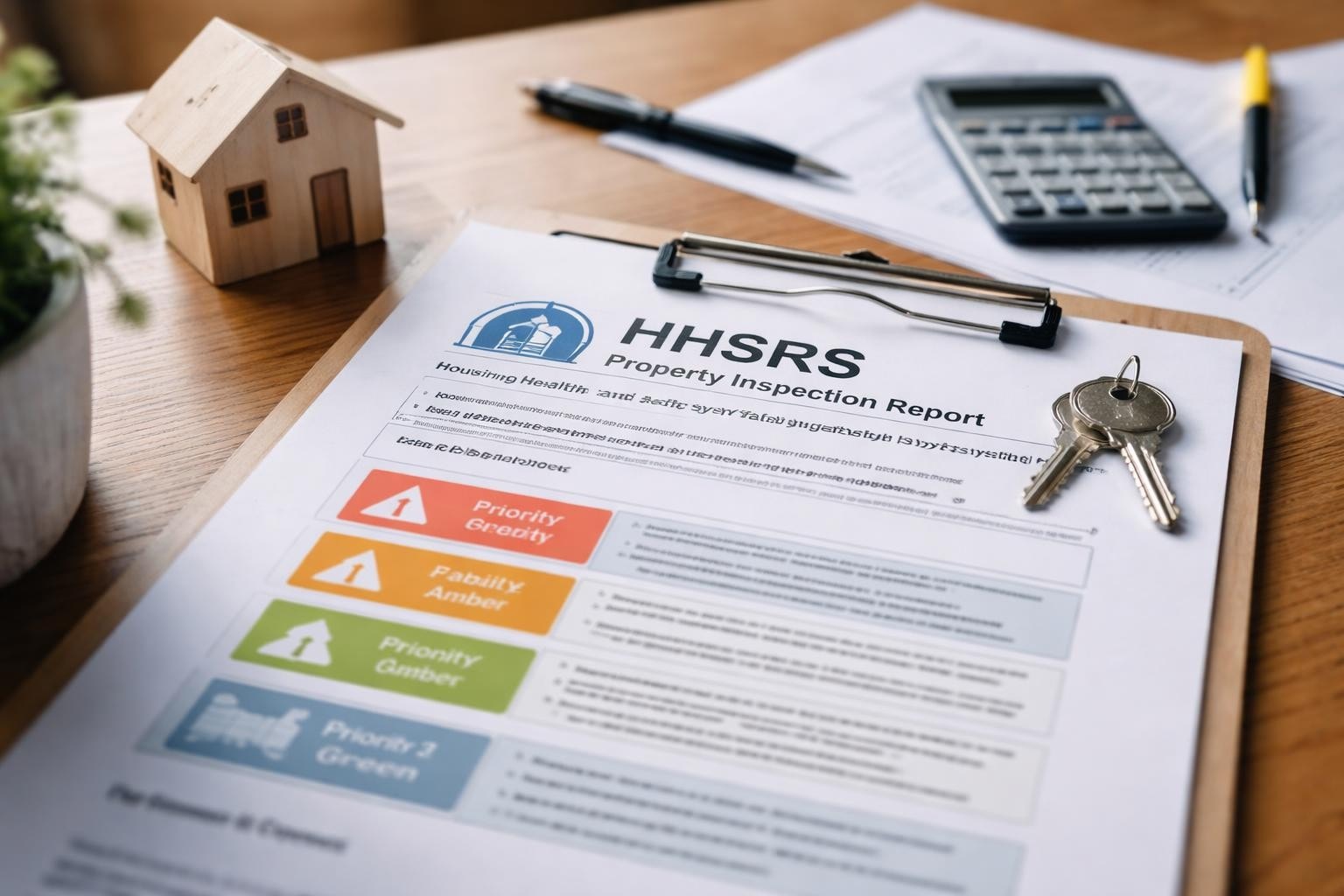
The Housing Health and Safety Rating System represents the cornerstone of residential property safety in England and Wales, yet many landlords and property professionals remain uncertain about its requirements. This risk-based evaluation method has transformed how local authorities assess potential hazards in dwellings since its introduction under the Housing Act 2004. Understanding hhsrs requirements isn't merely about regulatory compliance; it's about ensuring tenants live in safe, healthy environments whilst protecting property owners from enforcement action and financial penalties.
What Is the Housing Health and Safety Rating System
The hhsrs framework provides local housing authorities with a standardised methodology for evaluating potential risks and hazards within residential properties. Unlike previous systems that relied on fitness standards, this approach focuses on the likelihood and severity of harm occurring to the most vulnerable occupants.
Key characteristics of the system include:
- Risk-based assessment methodology rather than prescriptive standards
- Evaluation of 29 specific hazard categories
- Focus on potential harm to vulnerable age groups
- Scientific approach to quantifying health and safety risks
- Applicable to all residential premises regardless of tenure
The system operates on the principle that any residential dwelling should provide a safe and healthy environment for occupants. Local authorities use hhsrs assessments to identify deficiencies and enforce improvements where necessary. This evidence-based approach allows inspectors to prioritise the most serious hazards affecting tenant welfare.

The Legal Framework Behind HHSRS
The Housing Health and Safety Rating System enforcement guidance establishes the statutory duties placed upon local housing authorities. Under Part 1 of the Housing Act 2004, councils must take appropriate action when Category 1 hazards are identified during inspections.
Local authorities possess various enforcement powers when hhsrs assessments reveal serious deficiencies. These range from informal warnings to improvement notices, prohibition orders, and in extreme cases, emergency remedial action or demolition orders. The severity of the hazard determines the response required.
Property owners should recognise that ignorance of these requirements offers no defence against enforcement action. The legislation places responsibility squarely on those controlling the property to maintain safe conditions.
Understanding the 29 Hazard Categories
The hhsrs system evaluates properties against 29 distinct hazard categories, grouped into four main classifications. Each hazard receives a numerical score based on the likelihood of harm occurring and the potential severity of that harm.
Physiological Requirements
These hazards affect basic human health needs and represent some of the most commonly identified issues:
| Hazard Type | Common Causes | Vulnerable Groups |
|---|---|---|
| Damp and mould growth | Poor ventilation, rising damp, condensation | Young children, elderly, those with respiratory conditions |
| Excess cold | Inadequate heating, poor insulation | Elderly occupants, very young children |
| Excess heat | Inadequate ventilation, poor building design | Elderly occupants, those with cardiovascular conditions |
| Asbestos exposure | Disturbed asbestos materials | All occupants, particularly during maintenance work |
| Biocides | Chemical treatments, pest control residues | Young children, pregnant women |
| Carbon monoxide | Faulty heating appliances, poor ventilation | All occupants |
| Lead | Old paint, water pipes | Young children |
| Radiation | Radon gas in certain geographical areas | All occupants with long-term exposure |
| Uncombusted fuel gas | Gas leaks, faulty appliances | All occupants |
| Volatile organic compounds | Building materials, furnishings | Young children, those with respiratory conditions |
Damp and mould growth consistently ranks amongst the most prevalent Category 1 hazards identified during hhsrs assessments. The impact on respiratory health, particularly for vulnerable occupants, makes this a priority concern for local authorities. Professional damp surveys can identify moisture problems before they escalate to enforcement action.
Psychological Requirements
Mental health and psychological wellbeing form another critical assessment category. Overcrowding, lack of natural light, and noise transmission all feature within this grouping. Properties with insufficient space for the number of occupants or those with inadequate sound insulation may score poorly.
Protection Against Infection
Hazards in this category include inadequate provision for personal hygiene, domestic hygiene, and sanitation. Poor bathroom facilities, inadequate kitchen provision, and pest infestations fall under this classification. The guidance for landlords and property professionals provides detailed information on minimum standards expected.
Protection Against Accidents
The final grouping addresses physical safety hazards:
- Falls on level surfaces and stairs
- Falls between levels
- Electrical hazards
- Fire risks
- Hot surfaces and materials
- Collision and entrapment
- Explosions
- Structural collapse and falling elements
- Sharp edges and projections
Each hazard receives individual assessment, with multiple deficiencies potentially present in a single property. The cumulative effect of several moderate hazards can be as serious as one severe issue.

The HHSRS Assessment Process
Professional inspectors follow a structured methodology when conducting hhsrs evaluations. The operating guidance on housing inspections outlines the detailed procedures used by local authority officers.
Initial Property Inspection
Inspectors examine all accessible areas of the dwelling, identifying potential hazards and noting their severity. This comprehensive review includes structural elements, services, fixtures, and the general condition of the property. Photographs and detailed notes support the assessment process.
The inspector considers the property's age, construction type, and current use. Original features in period properties receive appropriate context, whilst modern dwellings are assessed against contemporary standards.
Hazard Identification and Scoring
Once hazards are identified, inspectors assign scores based on two key factors:
- Likelihood of harm occurring - expressed as a ratio representing the probability an event will happen
- Severity of potential harm - classified into four classes from extreme to moderate harm
The combination of these factors produces a numerical score. Scores of 1,000 or above classify as Category 1 hazards, requiring mandatory enforcement action. Scores below 1,000 are Category 2 hazards, where local authorities have discretionary powers.
Enforcement Decisions
Local authorities must take action on Category 1 hazards but possess flexibility in choosing the appropriate response. Options include:
- Serving an improvement notice specifying required works
- Making a prohibition order preventing property use
- Serving a hazard awareness notice
- Taking emergency remedial action
- Declaring clearance or demolition areas
The National Residential Landlords Association provides guidance on understanding enforcement options and responding appropriately to notices.
Recent Developments and 2026 Updates
The hhsrs system has undergone significant review in recent years. Following extensive consultation, updates to the system acknowledge changes in housing standards, building practices, and our understanding of health impacts. The HHSRS review outcomes detail these important modifications.
Enhanced Focus on Damp and Mould
Recent tragic cases have prompted renewed focus on damp and mould hazards. The government has strengthened guidance on assessing these risks, particularly where vulnerable occupants reside. Landlords now face increased scrutiny on ventilation provision, heating adequacy, and responsive repairs.
Property owners must recognise that visible mould growth often indicates underlying moisture problems requiring professional assessment and remediation. Early intervention prevents escalation to Category 1 hazards.
Digital Assessment Tools
Local authorities increasingly employ digital tools to streamline hhsrs assessments. These technologies improve consistency across inspections whilst reducing assessment time. Property professionals benefit from understanding how these systems operate and the data they generate.
Increased Enforcement Activity
Local housing authorities have intensified enforcement activities following additional funding and political pressure to improve housing standards. The number of improvement notices and prohibition orders has risen significantly across England and Wales.
Practical Implications for Landlords and Property Managers
Understanding hhsrs requirements represents only the first step. Property owners must implement practical measures to maintain compliance and prevent hazards developing.
Proactive Property Maintenance
Regular maintenance schedules prevent many common hazards from developing. Key areas requiring attention include:
- Heating system servicing and efficiency upgrades
- Ventilation system maintenance and improvement
- Roof and gutter maintenance to prevent water ingress
- Window and door condition to maintain weatherproofing
- Electrical installation testing at required intervals
- Gas safety certification annually
Documentation of all maintenance activities provides valuable evidence should questions arise about property management standards.
Responding to Tenant Reports
Prompt response to tenant concerns about property conditions demonstrates responsible management. Delays in addressing damp, heating failures, or structural issues can allow problems to escalate. Establishing clear reporting channels and response timeframes protects both parties.
When tenants report potential hazards, property owners should arrange professional assessment promptly. Dismissing concerns without investigation may lead to formal complaints and local authority involvement.
Understanding Vulnerable Occupants
The hhsrs system specifically considers harm to vulnerable age groups. Properties housing young children, elderly residents, or those with disabilities require particular attention. Hazards that might score as Category 2 for general populations could become Category 1 when vulnerable occupants are present.
Landlords should be aware of tenant demographics and adjust maintenance priorities accordingly. What constitutes acceptable conditions for healthy adults may pose serious risks to vulnerable individuals.
The Cost of Non-Compliance
Financial penalties for hhsrs violations have increased substantially. Beyond direct fines, landlords face additional costs including:
| Consequence | Potential Impact |
|---|---|
| Improvement notice works | £5,000 - £50,000+ depending on required remediation |
| Prohibition orders | Loss of rental income, property devaluation |
| Rent repayment orders | Up to 12 months rent returned to tenants |
| Criminal prosecution | Unlimited fines for serious breaches |
| Reputational damage | Difficulty attracting quality tenants |
| Licensing implications | Refusal or revocation of selective/mandatory licences |
The Mouldsurv quality management scope demonstrates the professional standards expected when addressing property hazards. Investing in preventative measures proves considerably more cost-effective than reactive enforcement compliance.

Common Misconceptions About the System
Several persistent misunderstandings about hhsrs create compliance risks for property owners. Addressing these misconceptions helps landlords and managers make informed decisions.
"My Property Meets Building Regulations"
Building regulation compliance at construction doesn't guarantee ongoing hhsrs compliance. Properties deteriorate over time, and standards evolve. A dwelling meeting 1970s building standards may present multiple Category 1 hazards today.
Regular reassessment ensures properties maintain acceptable standards despite changing expectations and physical degradation.
"Tenants Accept the Conditions"
Tenant acceptance provides no defence against hhsrs enforcement. Local authorities act based on objective hazard assessment, not contractual agreements between landlords and tenants. Properties must meet minimum safety standards regardless of rental agreements or tenant acknowledgments.
"Old Properties Are Exempt"
No exemptions exist for period or historic properties. Whilst inspectors consider building age when assessing certain features, fundamental health and safety requirements apply universally. Character features must not compromise occupant welfare.
"Category 2 Hazards Don't Matter"
Although local authorities have discretion regarding Category 2 hazards, accumulated moderate risks create serious concerns. Multiple Category 2 hazards often prompt enforcement action, particularly when affecting vulnerable occupants. Responsible property management addresses all identified deficiencies.
Regional Variations and Local Authority Approaches
Whilst the hhsrs framework remains consistent across England and Wales, local implementation varies. Different councils prioritise specific hazard types based on local housing stock characteristics and resource availability.
Understanding your local authority's approach helps property owners anticipate inspection focus areas. Milton Keynes City Council and Fenland District Council provide examples of how councils communicate their hhsrs procedures and priorities to property owners.
Some authorities operate proactive inspection programmes, whilst others respond primarily to tenant complaints. Engaging with your local environmental health department establishes constructive relationships and provides guidance on local expectations.
Working with Professional Assessors
Many landlords and property managers benefit from commissioning independent hhsrs assessments before local authority involvement. Professional evaluations identify potential issues early, allowing remediation before enforcement action becomes necessary.
Qualified assessors possess the expertise to score hazards accurately and recommend proportionate solutions. Their reports provide valuable documentation of property conditions and demonstrate proactive management.
When selecting assessment providers, verify their qualifications, experience, and understanding of current guidance. The Mouldsurv complaints procedure exemplifies the professional standards and accountability mechanisms quality service providers maintain.
Future Developments in Housing Safety Assessment
The housing sector anticipates further evolution of the hhsrs system. Emerging concerns around indoor air quality, energy efficiency, and climate resilience may influence future hazard categories and scoring methodologies.
Property professionals should monitor government consultations and industry developments. The Chartered Institute of Environmental Health commentary on recent system updates highlights the ongoing refinement process.
Adapting to changing standards requires forward-thinking property management. Investments in building performance, environmental controls, and preventative maintenance position properties favourably against future requirements.
Building a Compliance Strategy
Successful hhsrs compliance requires systematic approaches rather than reactive responses. Property portfolios benefit from structured assessment programmes identifying risks before they escalate.
Essential elements of effective compliance strategies include:
- Annual property condition reviews across all holdings
- Prioritised maintenance schedules addressing highest-risk items
- Clear tenant communication channels for reporting concerns
- Professional assessment of complex issues like damp or structural problems
- Comprehensive documentation of all maintenance and improvement works
- Regular review of local authority guidance and enforcement trends
- Budget allocation for preventative and remedial works
Treating hhsrs compliance as an ongoing process rather than a one-time exercise reduces enforcement risks whilst improving tenant satisfaction and property values.
Understanding the Housing Health and Safety Rating System equips property owners, managers, and professionals with the knowledge needed to maintain safe, compliant dwellings whilst protecting their investments from enforcement action. The system's comprehensive approach to hazard assessment ensures residential properties meet minimum standards for occupant health and safety. Mouldsurv Ltd provides expert assessments and remediation services across Essex, London, and Kent, helping property owners identify and address hhsrs hazards before they result in enforcement action. Our comprehensive inspections and compliance-focused solutions ensure your properties meet current regulatory standards whilst protecting tenant welfare.