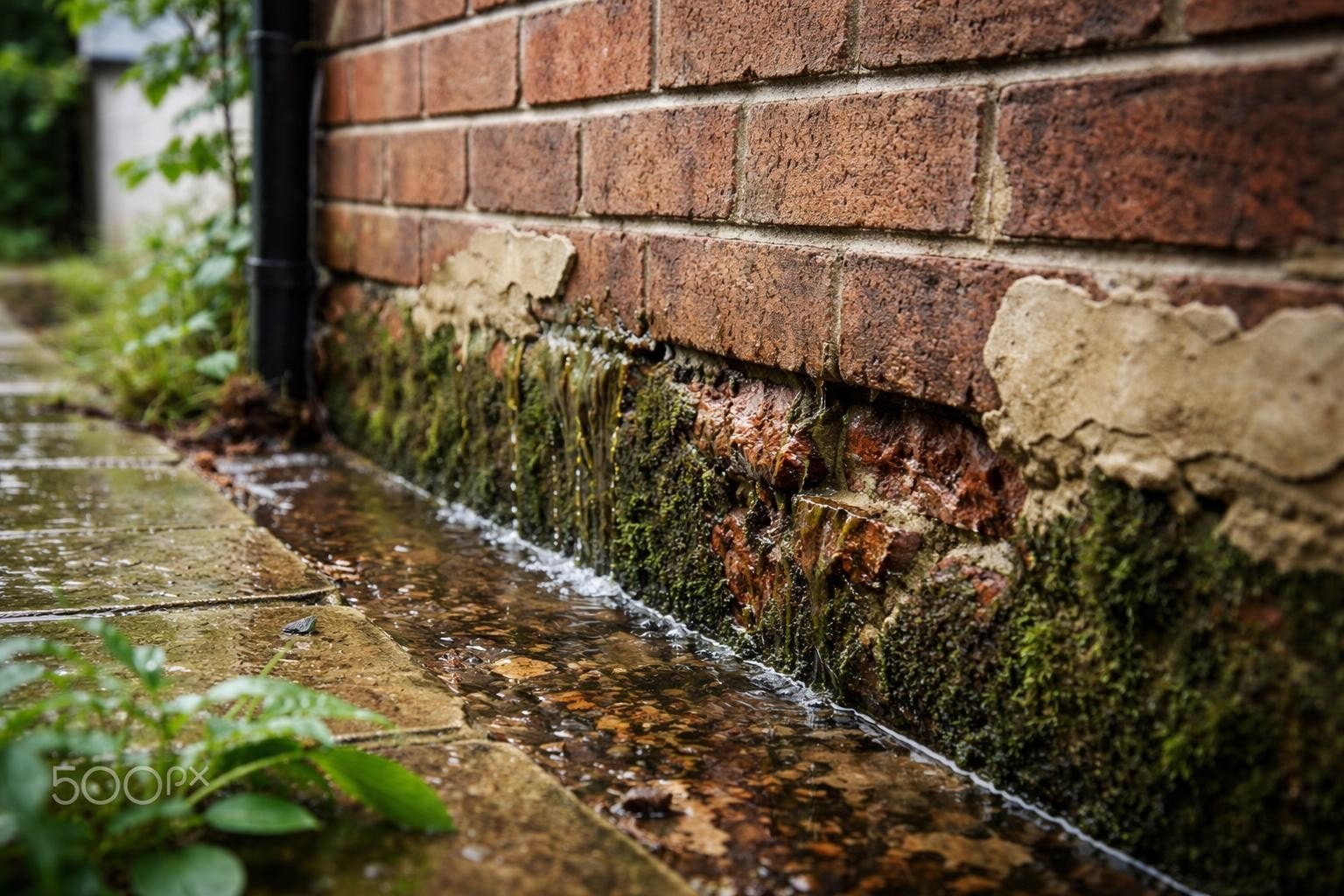
Properties across East Anglia face unique challenges when it comes to moisture and damp issues. The region's coastal climate, combined with older building stock and varying construction methods, creates specific conditions that require specialist knowledge and experience. Whether you're dealing with persistent condensation, rising damp, or penetrating moisture, understanding what an east anglia damp specialist can offer will help you protect your property investment and maintain a healthy living environment.
Understanding East Anglia's Damp Challenges
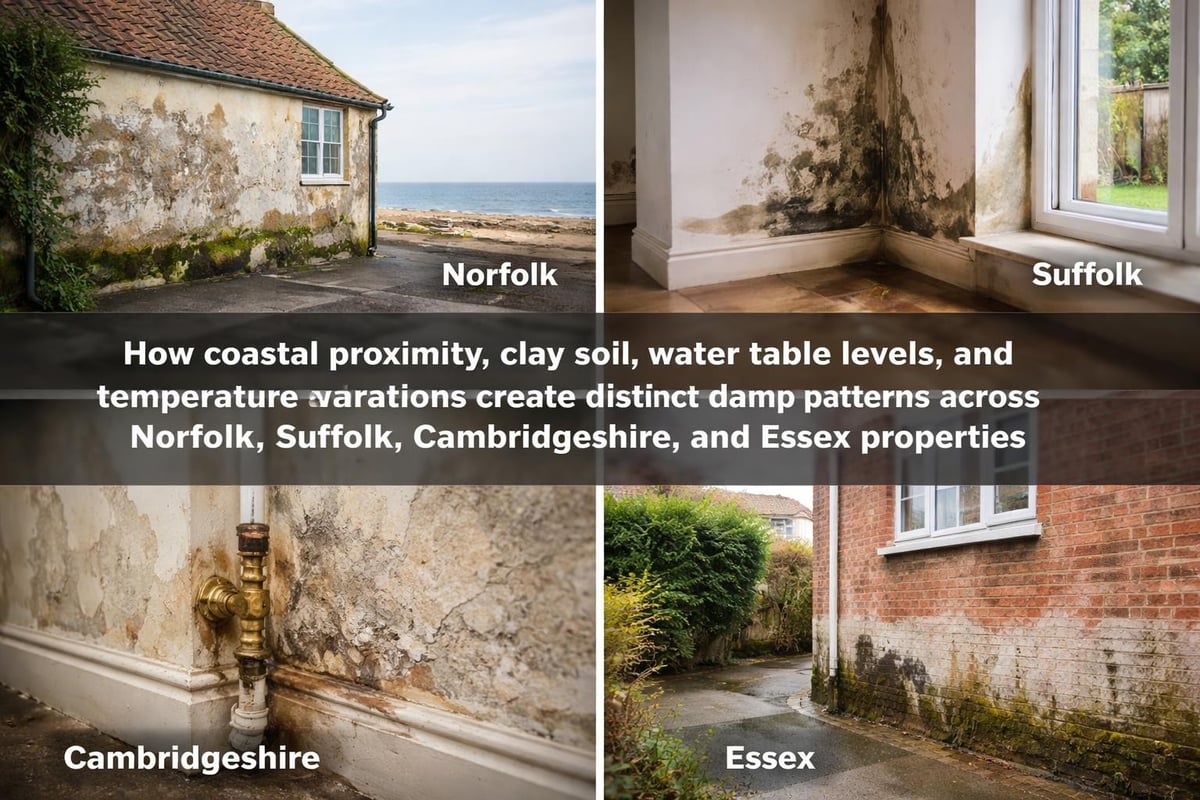
The East Anglian region encompasses Norfolk, Suffolk, Cambridgeshire, and parts of Essex, each with distinct geographical features that influence moisture problems. Coastal areas experience higher humidity levels and salt-laden air, whilst inland properties contend with clay soils and seasonal flooding risks.
Traditional East Anglian buildings often feature lime mortar, soft red bricks, and flint construction. These materials behave differently from modern equivalents when exposed to moisture. An east anglia damp specialist understands these regional variations and tailors solutions accordingly, rather than applying generic treatments that might prove ineffective or even damaging.
Regional Climate Factors
East Anglia receives approximately 600mm of annual rainfall, lower than many UK regions, yet damp problems remain prevalent. The explanation lies in the area's flat topography, proximity to the North Sea, and prevailing easterly winds during winter months.
- Coastal exposure: Properties within 15 miles of the coast face salt crystallisation issues
- Ground conditions: Heavy clay soils in central areas retain moisture around foundations
- Water table variations: Fenland areas experience seasonal fluctuations affecting basements
- Temperature patterns: Rapid temperature changes create condensation on cold surfaces
Types of Damp Affecting East Anglian Properties
Different moisture problems require different diagnostic approaches and remedial strategies. A qualified east anglia damp specialist will conduct thorough investigations before recommending treatments, using calibrated equipment rather than relying solely on visual inspection.
Rising Damp
Rising damp occurs when groundwater moves upward through masonry via capillary action. In East Anglia, this particularly affects properties built before 1875, when damp-proof courses became standard practice. Victorian terraces in towns like Ipswich, Norwich, and Cambridge frequently present with this issue.
| Indicator | Description | Measurement Method |
|---|---|---|
| Tide marks | Horizontal staining up to 1.5m high | Visual inspection |
| Salt deposits | White crystalline formations | Chemical analysis |
| Elevated moisture | Readings above 20% WME | Electrical resistance meter |
| Damaged plaster | Crumbling or blown render | Physical examination |
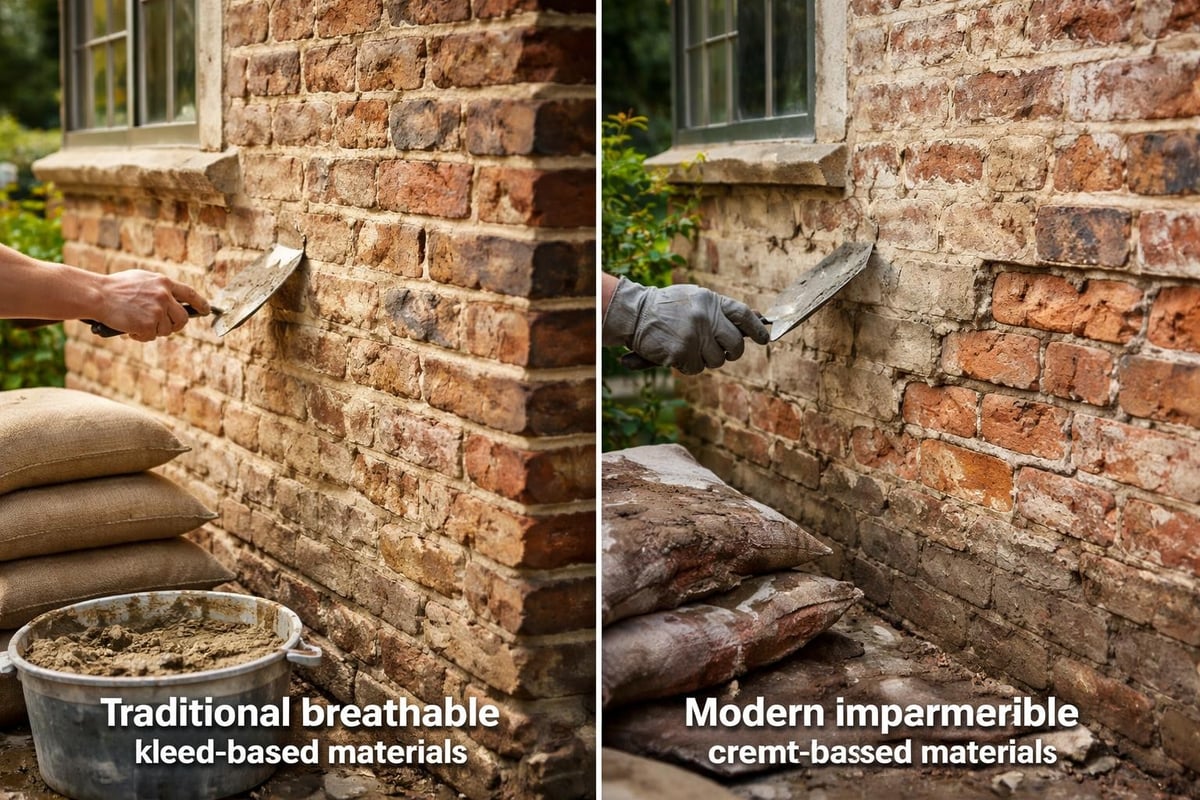
Traditional remedies like chemical injection may not suit period properties. Modern specialists often recommend breathable lime-based systems that work with historic building materials rather than against them.
Penetrating Damp
Water ingress through walls, roofs, or around windows creates penetrating damp. East Anglia's exposure to driving rain, particularly from the east and northeast, makes this a common issue in properties lacking adequate maintenance.
Flint walls, characteristic of Norfolk and Suffolk construction, present unique challenges. The irregular surface and lime mortar joints create potential entry points for moisture. Similarly, Suffolk pink render, whilst aesthetically pleasing, can trap water if incorrectly maintained or painted with impermeable coatings.
Condensation and Mould Growth
Modern living patterns create significant moisture within properties. A family of four generates approximately 10-15 litres of water vapour daily through breathing, cooking, bathing, and laundry. When this moisture encounters cold surfaces, condensation forms, creating ideal conditions for mould growth.
- Inadequate ventilation in older properties retrofitted with double glazing
- Insufficient heating creating cold spots on external walls
- Bathroom and kitchen extraction systems venting into roof spaces
- Blocked or insufficient airbricks reducing underfloor ventilation
The Mould Assessment process helps identify whether moisture problems stem from condensation, structural defects, or a combination of factors, ensuring appropriate remedial action.
Selecting Your East Anglia Damp Specialist
Not all damp specialists offer equal expertise or qualifications. The industry unfortunately includes operators who prioritise expensive interventions over accurate diagnosis. Understanding what credentials and approaches distinguish professional services helps property owners make informed decisions.
Essential Qualifications and Certifications
Reputable specialists hold recognised industry qualifications that demonstrate technical competence and commitment to professional standards. Look for these credentials when researching potential contractors.
Key qualifications include:
- CSRT (Certificated Surveyor in Remedial Treatment)
- CSSW (Certificated Surveyor of Structural Waterproofing)
- PCA (Property Care Association) membership
- RICS (Royal Institution of Chartered Surveyors) qualification
An east anglia damp specialist should explain their diagnostic methodology before commencing work. This transparency ensures you understand the investigation process and builds confidence in their recommendations.
Diagnostic Technology and Methods
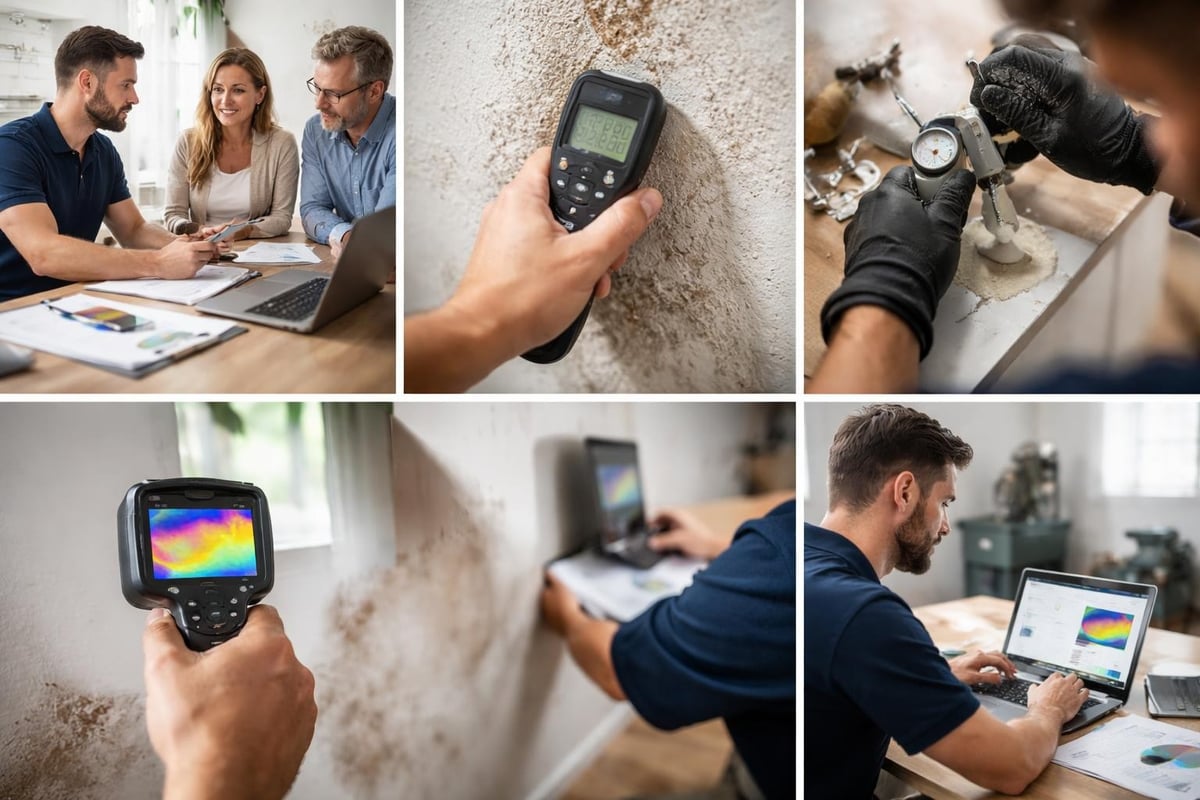
Modern damp investigation employs multiple technologies to build accurate pictures of moisture problems. Visual inspection alone proves insufficient for determining damp sources or appropriate treatments.
| Technology | Application | Limitations |
|---|---|---|
| Electrical resistance meters | Quick moisture readings in walls | Affected by salts and surface conditions |
| Calcium carbide testing | Accurate moisture content measurement | Destructive sampling required |
| Thermal imaging | Identifies cold spots and moisture patterns | Requires temperature differential |
| Hygrometers | Measures ambient and surface humidity | Environmental conditions affect readings |
| Borescopes | Internal wall cavity inspection | Limited access points |
Professional specialists use multiple methods to corroborate findings. For instance, elevated electrical resistance readings should be confirmed through calcium carbide testing before recommending remedial treatments.
Treatment Options and Modern Solutions
Once an east anglia damp specialist accurately identifies moisture sources, appropriate remediation can commence. Treatment selection depends on building construction, damp type, severity, and property use. Modern approaches increasingly favour breathable, reversible solutions over impermeable barriers that can exacerbate problems.
Chemical Damp-Proof Courses
Chemical injection remains the most common treatment for rising damp, involving drilling holes and introducing water-repellent fluids into masonry. However, effectiveness depends on wall construction, moisture levels during installation, and injection spacing.
This method suits solid brick walls but proves less reliable in random rubble or flint construction common throughout East Anglia. Alternative approaches like electro-osmotic systems or physical damp-proof course installation may prove more appropriate for certain building types.
Tanking and Waterproofing Systems
Below-ground moisture problems require robust waterproofing, particularly in areas where water tables rise seasonally. Type A (barrier protection), Type B (structurally integral protection), and Type C (drained cavity systems) each suit different applications.
Type C cavity drain membranes offer particular advantages for East Anglian basements and cellars, allowing moisture vapour to escape whilst preventing liquid water ingress. These systems prove especially effective when combined with adequate ventilation and heating strategies.
Ventilation and Environmental Controls
Many moisture problems resolve through improved ventilation rather than invasive structural treatments. Modern positive input ventilation (PIV) systems continuously introduce filtered air, creating positive pressure that prevents external moisture ingress whilst expelling humid internal air.
- Whole-house PIV units installed in loft spaces
- Decentralised heat recovery ventilation in specific rooms
- Upgraded extraction in kitchens and bathrooms
- Passive stack ventilation utilising natural air movement
These solutions address condensation-related damp without expensive building works, making them cost-effective first-line interventions for many properties across the region.
Regional Building Considerations
East Anglia's architectural heritage demands specialist understanding. Listed buildings and properties within conservation areas face additional constraints on permissible treatments, requiring an east anglia damp specialist familiar with local authority requirements and heritage protection principles.
Historic Building Materials
Traditional construction methods used locally sourced materials with specific moisture management characteristics. Lime mortar, for example, allows water vapour transmission, preventing moisture accumulation within wall structures. Repointing with cement mortar creates impermeable barriers that trap moisture, potentially causing greater damage than the original damp problem.
Suffolk pink lime wash, pargeting decoration, and Norfolk red brick all require sympathetic treatment approaches. Professional Damp Survey services assess building fabric before recommending interventions, ensuring compatibility with existing materials.
Planning and Conservation Constraints
Properties listed as Grade I, II*, or II require Listed Building Consent for most alterations. Even unlisted buildings in conservation areas face restrictions. Approved treatments must:
- Use reversible methods where possible
- Maintain building character and appearance
- Employ traditional materials matching original construction
- Minimise visual impact on historic fabric
- Preserve special architectural or historic interest
Local authorities increasingly expect specialists to demonstrate heritage competence. Professional bodies like the Institute of Historic Building Conservation (IHBC) provide additional certification for those working with protected structures.
Cost Factors and Investment Protection
Damp treatment costs vary enormously depending on problem extent, property size, access challenges, and chosen solutions. An east anglia damp specialist should provide detailed quotations breaking down materials, labour, preparation work, and post-treatment decoration requirements.
Typical Treatment Costs
Budget guidelines for common interventions:
- Rising damp chemical injection (three-bedroom semi): £1,200-£2,500
- Basement tanking (20m² floor area): £4,000-£8,000
- Penetrating damp repairs (localised areas): £500-£1,500
- Whole-house ventilation system: £800-£1,800
- Replastering and decoration (per room): £400-£900
Quotes significantly below market rates warrant caution. Inadequate preparation, inferior materials, or rushed installation create short-term savings but long-term problems. Reputable specialists stand behind their work with meaningful guarantees, typically offering 20-30 year protection.
Insurance-Backed Guarantees
Long-term guarantees protect against treatment failure, but their value depends on insurance backing. Company guarantees become worthless if businesses cease trading. Insurance-backed warranties transfer to subsequent property owners, adding value during property sales.
Verify guarantee documentation includes:
- Clear scope of works and areas covered
- Specific exclusions and limitations
- Claims process and contact details
- Insurance company details and policy number
- Treatment specification and methodology
When comparing specialists, consider guarantee quality alongside price. A slightly higher initial investment with comprehensive protection often represents better value than cheaper work with limited warranty coverage.
Health Implications and Regulatory Compliance
Damp and associated mould growth create significant health risks, particularly for vulnerable individuals. An east anglia damp specialist working across residential and commercial properties must understand legal obligations under various legislation, including the Housing Act 2004 and the Homes (Fitness for Human Habitation) Act 2018.
Health Risks from Damp Environments
Prolonged exposure to damp conditions and mould spores causes various respiratory and immunological problems. The World Health Organization identifies clear links between damp housing and increased asthma prevalence, respiratory infections, and allergic reactions.
Populations at elevated risk include:
- Children under five years old
- Elderly residents with existing respiratory conditions
- Individuals with compromised immune systems
- People with existing allergies or asthma
- Those undergoing chemotherapy or immunosuppressive treatments
Landlords face particular responsibilities to address damp problems promptly. Failure to maintain properties in habitable condition can result in prosecution, civil claims, and rent repayment orders. Professional remediation following best practice protocols demonstrates compliance with legal duties.
Regulatory Requirements for Landlords
The Homes (Fitness for Human Habitation) Act 2018 requires rental properties to be free from serious damp and mould problems. Tenants can take legal action against landlords failing to address moisture issues, seeking compensation and mandatory repairs.
Local authority Environmental Health Officers assess properties against the Housing Health and Safety Rating System (HHSRS). Damp and mould growth falling into Category 1 hazards trigger enforcement action, including improvement notices, emergency remedial action, or prohibition orders preventing occupation.
Commercial landlords similarly face obligations under health and safety legislation. Workplace moisture problems affecting employee health breach duties under the Health and Safety at Work Act 1974, potentially incurring unlimited fines following prosecution.
Preventing Future Damp Problems
Prevention proves more cost-effective than cure. Regular maintenance and prompt attention to minor defects prevent escalation into serious damp problems requiring expensive remediation. An east anglia damp specialist can advise on property-specific prevention strategies based on building type, location, and usage patterns.
Routine Maintenance Priorities
Essential preventive maintenance tasks:
- Annual gutter clearing and downpipe inspection
- Bi-annual external wall crack monitoring
- Roof tile and flashing condition checks
- Airbrick clearance ensuring adequate underfloor ventilation
- Silicone seal renewal around baths, showers, and windows
- External ground level maintenance (should be 150mm below damp-proof course)
Property owners often overlook seemingly minor defects that develop into significant moisture ingress. A cracked render, blocked hopper, or displaced roof tile each provides entry routes for rainwater, creating damp patches that worsen over time.
Environmental Management
Internal environmental control significantly reduces condensation-related damp. Simple behavioural changes deliver substantial improvements without capital expenditure.
| Action | Impact | Implementation |
|---|---|---|
| Increase heating slightly | Warmer surfaces reduce condensation | Set thermostats 1-2°C higher |
| Ventilate during cooking | Removes moisture at source | Use extraction fans, open windows |
| Dry laundry outdoors | Prevents moisture release indoors | Use external lines when possible |
| Maintain consistent temperatures | Avoids cold spots | Avoid heating pattern extremes |
| Keep furniture from walls | Allows air circulation | Maintain 50mm gap behind wardrobes |
Smart home technology increasingly supports moisture management. Humidity sensors triggering extraction fans or alerts when moisture levels exceed thresholds enable proactive intervention before condensation causes problems.
Addressing damp problems requires accurate diagnosis, appropriate treatment selection, and ongoing maintenance to prevent recurrence. Whether dealing with rising damp in Victorian terraces, penetrating moisture in coastal properties, or condensation in modern homes, professional expertise ensures effective, long-lasting solutions. Mouldsurv Ltd provides certified damp and mould services across Essex, London, and Kent, combining advanced diagnostic technology with comprehensive remediation protocols. Their specialists understand regional building characteristics and deliver compliant solutions that protect both property integrity and occupant health.