
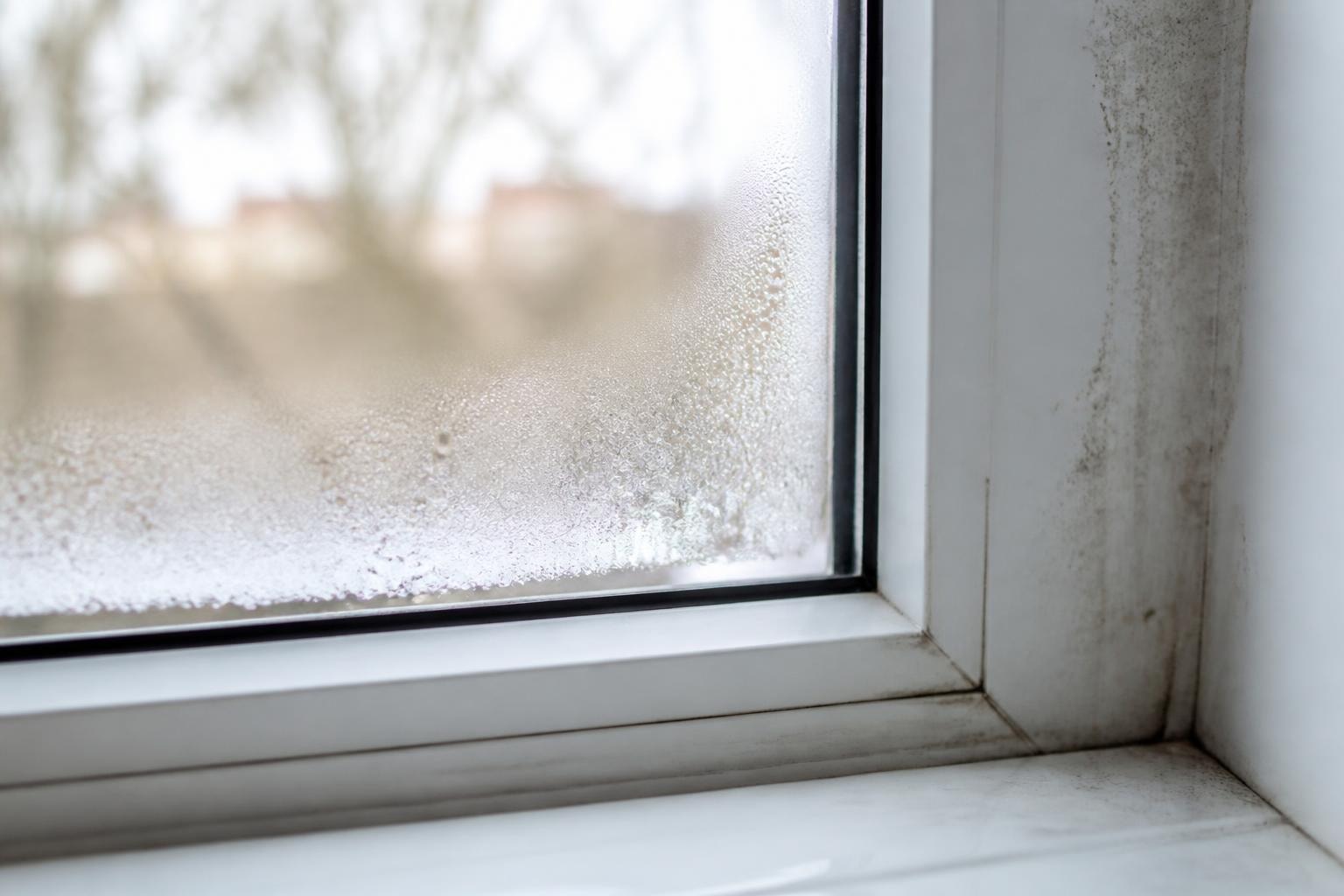
Condensation problems represent one of the most prevalent moisture-related issues affecting UK properties, particularly during the colder months when temperature differentials between indoor and outdoor environments reach their peak. When warm, moisture-laden air contacts cold surfaces such as windows, walls, or ceilings, water vapour transforms into liquid droplets, creating the ideal conditions for mould growth, structural deterioration, and various health concerns. Understanding the underlying mechanisms, identifying early warning signs, and implementing effective prevention strategies can protect your property and safeguard the wellbeing of its occupants.
What Causes Condensation in UK Properties
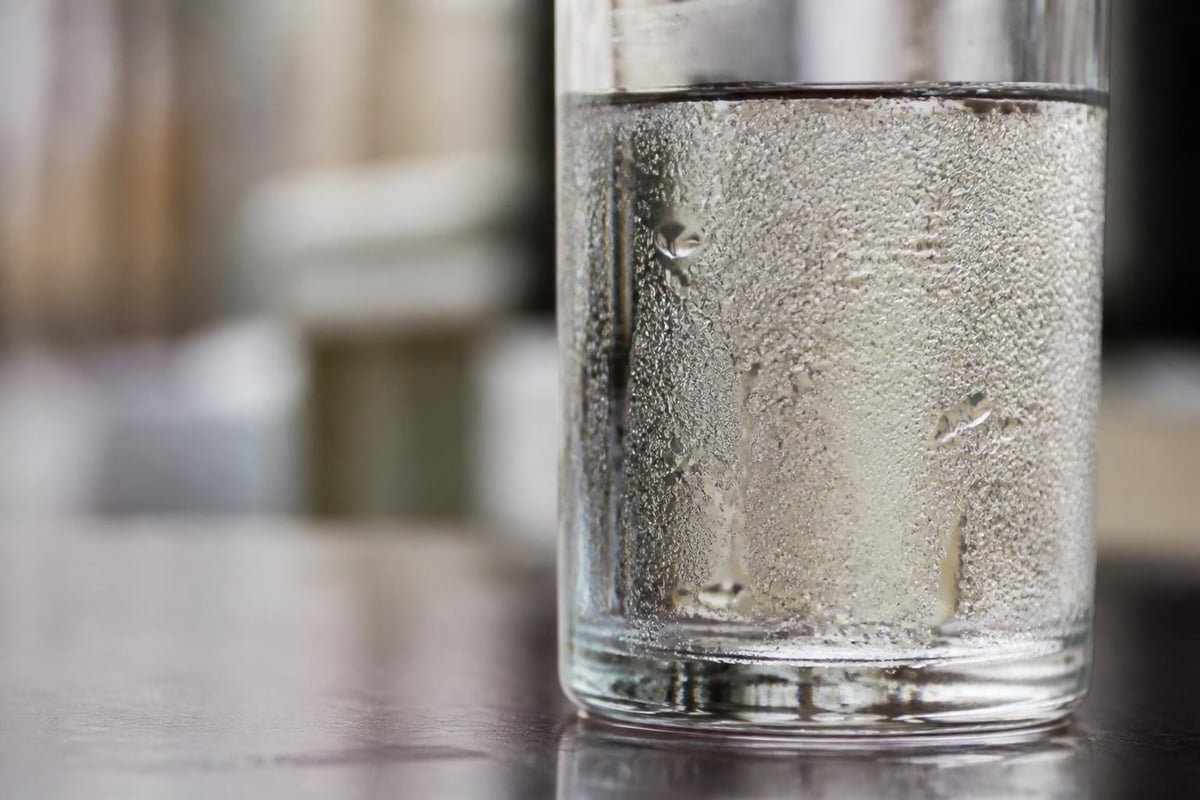
Condensation occurs through a straightforward physical process: warm air holds more moisture than cold air. When heated indoor air encounters a cold surface, it rapidly cools, reducing its moisture-carrying capacity and forcing water vapour to condense into liquid form.
Several factors contribute to condensation problems in residential and commercial buildings:
- Inadequate ventilation restricting air circulation and moisture removal
- Excessive moisture generation from cooking, bathing, and laundry activities
- Poor insulation creating cold spots on walls, windows, and ceilings
- Temperature fluctuations between heated and unheated spaces
- Overcrowding increasing both heat and moisture production
- Modern airtight construction reducing natural ventilation pathways
The severity of condensation problems typically intensifies during autumn and winter months when heating systems run continuously whilst windows remain closed. Properties built before modern building regulations often lack sufficient insulation and ventilation, making them particularly susceptible to persistent moisture accumulation.
Temperature and Humidity Dynamics
The relationship between temperature and relative humidity determines condensation risk. Relative humidity measures the amount of moisture air contains relative to its maximum capacity at a given temperature. When relative humidity exceeds 70%, condensation becomes increasingly likely on surfaces below the dew point temperature.
British homes typically maintain indoor temperatures between 18°C and 21°C during occupied periods. However, external walls, single-glazed windows, and uninsulated areas may drop to significantly lower temperatures, creating perfect conditions for moisture deposition. The NYC Health Department discusses indoor moisture issues, emphasising how temperature control and ventilation work together to prevent condensation-related problems.
Health Implications of Persistent Condensation
Condensation problems extend far beyond aesthetic concerns, presenting genuine health risks that demand prompt attention. The constant presence of moisture creates optimal breeding grounds for mould spores, dust mites, and bacteria, all of which can trigger or exacerbate respiratory conditions.
| Health Risk | Mechanism | Affected Groups |
|---|---|---|
| Respiratory infections | Mould spore inhalation | Children, elderly, immunocompromised |
| Asthma exacerbation | Allergen exposure | Existing asthma sufferers |
| Allergic reactions | Dust mite proliferation | Atopic individuals |
| Skin irritation | Damp environment contact | All occupants |
Research from the CDC outlines health issues associated with mould resulting from condensation, including chronic coughing, wheezing, and allergic responses. Children spending extended periods in damp environments show higher rates of respiratory infections and asthma development.
Beyond respiratory concerns, persistent condensation contributes to psychological wellbeing issues. Occupants living with visible mould, musty odours, and deteriorating interiors often experience stress, anxiety, and reduced quality of life. EnviroVent explores how condensation can lead to health problems, highlighting the connection between damp environments and both physical and mental health outcomes.
Identifying Condensation Problems Early
Early detection enables simpler, more cost-effective interventions before significant damage occurs. Property owners should remain vigilant for these telltale indicators:
Visual Warning Signs
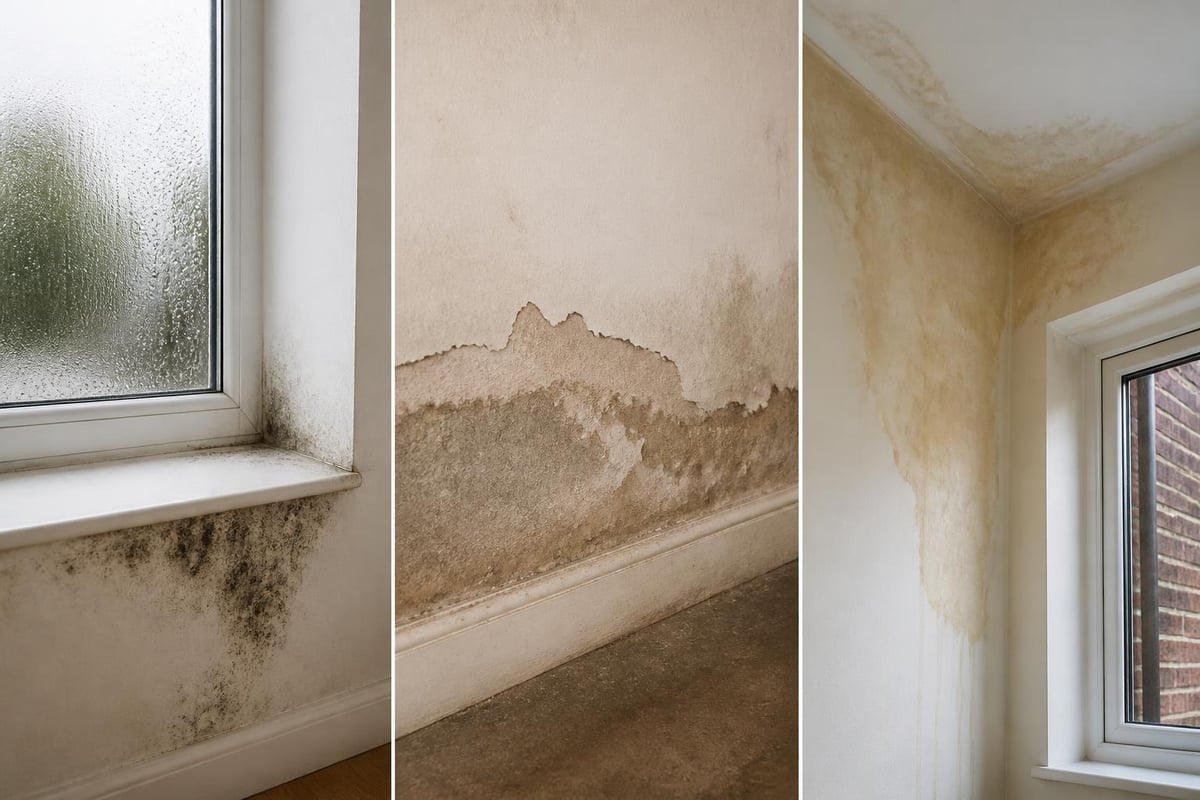
Condensation problems manifest through various visible symptoms that progressively worsen without intervention. Water droplets appearing on windows each morning represent the most obvious indicator, but other signs require closer inspection.
- Black mould patches appearing in room corners, particularly at ceiling junctions
- Peeling wallpaper or blistering paint on external walls
- Damp patches on walls, especially after periods of heating
- Musty, stale odours persisting despite regular cleaning
- Rotting window frames or sills showing wood deterioration
- Rust formation on metal window fittings and hinges
Professional assessment through a Damp Survey can distinguish condensation from other moisture sources such as rising damp or penetrating damp, ensuring appropriate remediation strategies.
Measuring Humidity Levels
Digital hygrometers provide accurate readings of indoor relative humidity, offering objective data for monitoring condensation risk. Ideal indoor humidity ranges between 40% and 60%, with readings consistently above 70% indicating elevated condensation risk requiring immediate attention.
Different rooms generate varying moisture levels throughout the day. Bathrooms may temporarily reach 80-90% humidity during showers, whilst bedrooms typically show increased readings during overnight occupation. Strategic placement of hygrometers in problem areas enables targeted interventions where they deliver maximum benefit.
Effective Prevention Strategies
Preventing condensation problems requires addressing both moisture generation and surface temperatures through a comprehensive approach combining ventilation improvements, insulation upgrades, and behavioural modifications.
Ventilation Enhancement
Proper ventilation removes moisture-laden air before condensation occurs. Modern building regulations mandate minimum ventilation rates, but older properties often fall short of these standards.
- Install trickle vents in window frames to maintain continuous background ventilation
- Upgrade bathroom and kitchen extractors to models removing at least 60 litres per second
- Ensure extractor fans run for 15-20 minutes after bathing or cooking
- Open windows briefly each morning to purge overnight moisture accumulation
- Maintain consistent heating rather than intermittent high-temperature bursts
- Consider whole-house ventilation systems for properties with chronic condensation issues
Trane discusses causes of excessive HVAC condensation and offers solutions integrating mechanical ventilation with climate control systems for optimal moisture management.
Insulation Improvements
Raising surface temperatures above the dew point prevents condensation formation. Modern insulation standards significantly reduce cold spots where moisture typically accumulates.
| Insulation Type | Application | Condensation Benefit |
|---|---|---|
| Cavity wall insulation | External wall voids | Eliminates cold wall surfaces |
| Loft insulation (270mm+) | Roof space | Prevents heat escape, raises ceiling temperature |
| Double/triple glazing | Windows | Increases internal glass temperature |
| Insulated plasterboard | Internal walls | Creates thermal barrier on cold surfaces |
Properties constructed before 1990 frequently lack adequate insulation, making them prime candidates for energy efficiency upgrades that simultaneously address condensation problems whilst reducing heating costs.
Lifestyle Modifications
Daily habits significantly influence moisture generation and condensation risk. Simple behavioural changes deliver substantial improvements without capital investment.
- Cover pans whilst cooking to contain steam and moisture
- Dry laundry outdoors whenever possible, or use vented tumble dryers
- Keep bathroom and kitchen doors closed during moisture-generating activities
- Avoid paraffin or portable gas heaters which produce significant water vapour
- Position furniture away from external walls to maintain air circulation
- Wipe down condensation from windows and surfaces promptly each morning
HVAC Systems and Condensation Management
Heating, ventilation, and air conditioning systems play crucial roles in moisture control, but improper installation or maintenance can actually exacerbate condensation problems rather than resolving them.
Condensation on Air Ducts
Poorly insulated or incorrectly installed ductwork frequently develops surface condensation, particularly in unconditioned spaces like lofts or basements. Lennox explains the causes of condensation on air ducts and provides strategies to mitigate this common problem through proper insulation and vapour barrier installation.
Air conditioning systems remove moisture from indoor air as part of their normal operation. However, blocked condensate drains or refrigerant leaks can create additional moisture problems requiring professional attention.
Dehumidification Solutions
Mechanical dehumidifiers extract moisture directly from indoor air, offering targeted intervention for rooms experiencing persistent condensation problems despite adequate ventilation and heating.
Refrigerant dehumidifiers work efficiently at normal room temperatures, removing 10-20 litres daily in severe cases. Desiccant models function effectively in colder environments like garages or basements where refrigerant types lose efficiency. Integrated whole-house dehumidification systems maintain consistent humidity levels throughout larger properties, automatically adjusting operation based on measured conditions.
Professional Assessment and Remediation
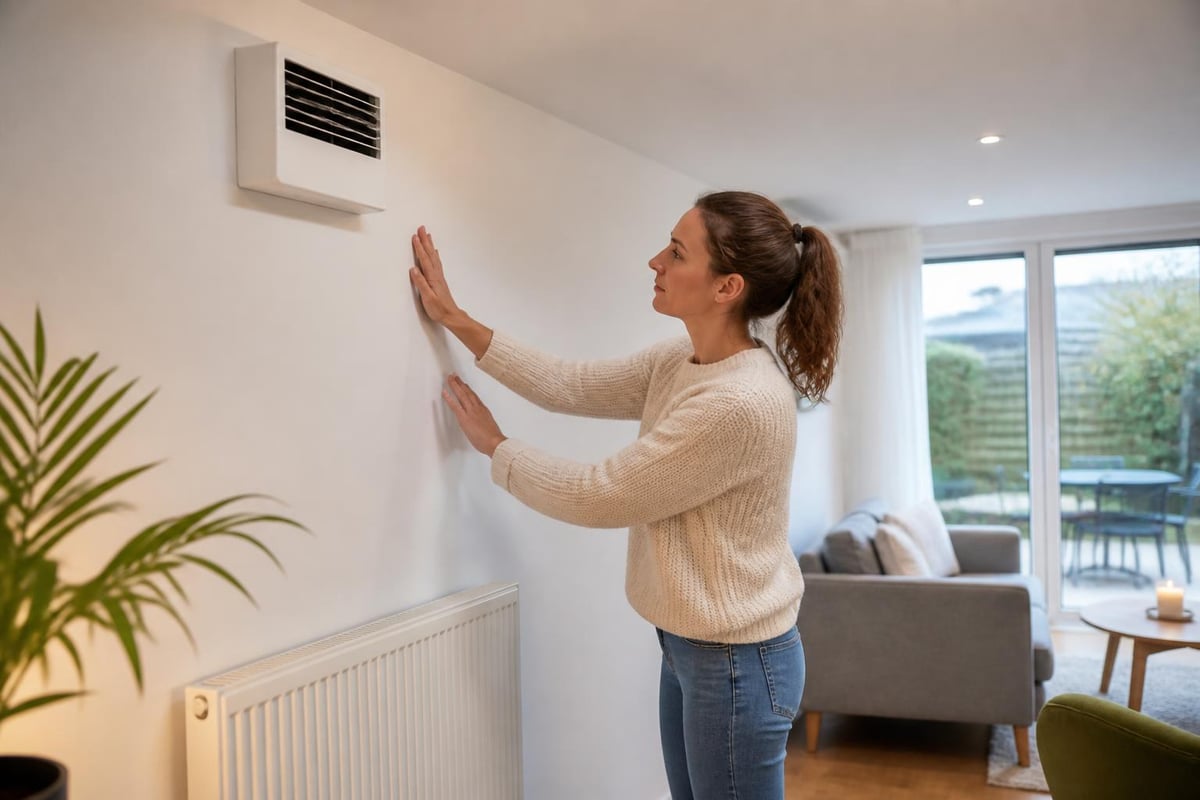
Severe or persistent condensation problems warrant professional evaluation to identify underlying causes and implement comprehensive solutions. DIY approaches may address surface symptoms whilst fundamental issues remain unresolved.
Qualified professionals employ thermal imaging cameras, moisture meters, and environmental monitoring equipment to diagnose condensation patterns and distinguish them from other dampness sources. This diagnostic precision ensures appropriate remediation strategies targeting root causes rather than merely treating visible symptoms.
When condensation has already triggered mould growth, professional intervention becomes essential. Visible mould represents only a fraction of total contamination, with extensive colonisation often hidden within wall cavities, beneath flooring, or above ceilings. Attempting amateur mould removal risks spreading spores throughout the property whilst failing to address moisture sources enabling regrowth. Mouldsurv Ltd maintains comprehensive quality management systems ensuring all work meets industry standards and regulatory requirements.
Building Regulations and Condensation Control
Current UK Building Regulations mandate specific measures for condensation prevention in new construction and major renovations. Part F addresses ventilation requirements, whilst Part L covers energy efficiency and insulation standards that indirectly reduce condensation risk.
Properties constructed after 2006 must achieve minimum air change rates through either natural or mechanical ventilation systems. Habitable rooms require background ventilation of 8,000 mm² equivalent area, with additional purge ventilation through openable windows. Kitchens and bathrooms need mechanical extraction removing moisture at prescribed rates during use.
Compliance Considerations
Landlords and property managers face specific obligations regarding condensation and its health consequences. The Homes (Fitness for Human Habitation) Act 2018 explicitly includes damp and mould growth within its scope, making condensation problems a potential breach of legal duties.
Tenant complaints regarding condensation, mould, or associated health issues demand prompt investigation and remediation. Failure to address these concerns appropriately can result in enforcement action, financial penalties, and rent repayment orders. Documentation demonstrating proactive moisture management and responsive maintenance provides essential protection against liability claims.
Long-Term Condensation Management
Sustained condensation control requires ongoing attention rather than one-time interventions. Seasonal variations, occupancy changes, and building modifications all influence moisture dynamics, necessitating regular monitoring and adaptive management strategies.
Annual property inspections should specifically assess condensation risk areas, particularly before winter months when problems intensify. Checking ventilation system functionality, cleaning extractor fan filters, and verifying heating system operation prevents small maintenance issues from escalating into significant condensation problems.
Monitoring and Maintenance Schedule
| Task | Frequency | Purpose |
|---|---|---|
| Clean extractor fan filters | Monthly | Maintain extraction efficiency |
| Check trickle vent operation | Quarterly | Ensure continuous background ventilation |
| Inspect window seals and frames | Biannually | Identify deterioration enabling cold spots |
| Service heating systems | Annually | Verify consistent temperature maintenance |
| Review insulation condition | Annually | Detect degradation or damage |
Maintaining detailed records of condensation incidents, remediation efforts, and preventative measures supports continuous improvement whilst providing evidence of due diligence should disputes arise.
Emerging Technologies and Solutions
Innovation continues advancing condensation management capabilities through smart monitoring systems, advanced materials, and integrated building management approaches.
Smart humidity sensors connected to automated ventilation systems adjust air change rates in real-time based on measured moisture levels, optimising both condensation prevention and energy efficiency. These systems learn occupancy patterns and anticipate moisture generation, activating extraction before condensation occurs.
Phase-change materials incorporated into building fabrics absorb excess moisture during high-humidity periods and release it when conditions normalise, passively buffering indoor humidity fluctuations. These advanced materials show particular promise in heritage buildings where conventional interventions may compromise architectural integrity.
Heat recovery ventilation systems extract stale, moisture-laden air whilst transferring its thermal energy to incoming fresh air, maintaining ventilation rates without excessive heat loss. Although representing significant capital investment, these systems deliver long-term operational savings alongside superior condensation control compared to conventional extraction methods.
Condensation problems demand comprehensive understanding and proactive management to protect both property integrity and occupant health. By combining improved ventilation, adequate insulation, and informed lifestyle choices, property owners can significantly reduce moisture accumulation and its associated risks. For properties experiencing persistent condensation issues or existing mould growth, professional assessment ensures appropriate diagnosis and effective remediation. Mouldsurv Ltd provides expert moisture management services across Essex, London, and Kent, helping property owners resolve condensation problems through thorough inspection, evidence-based solutions, and full regulatory compliance.