
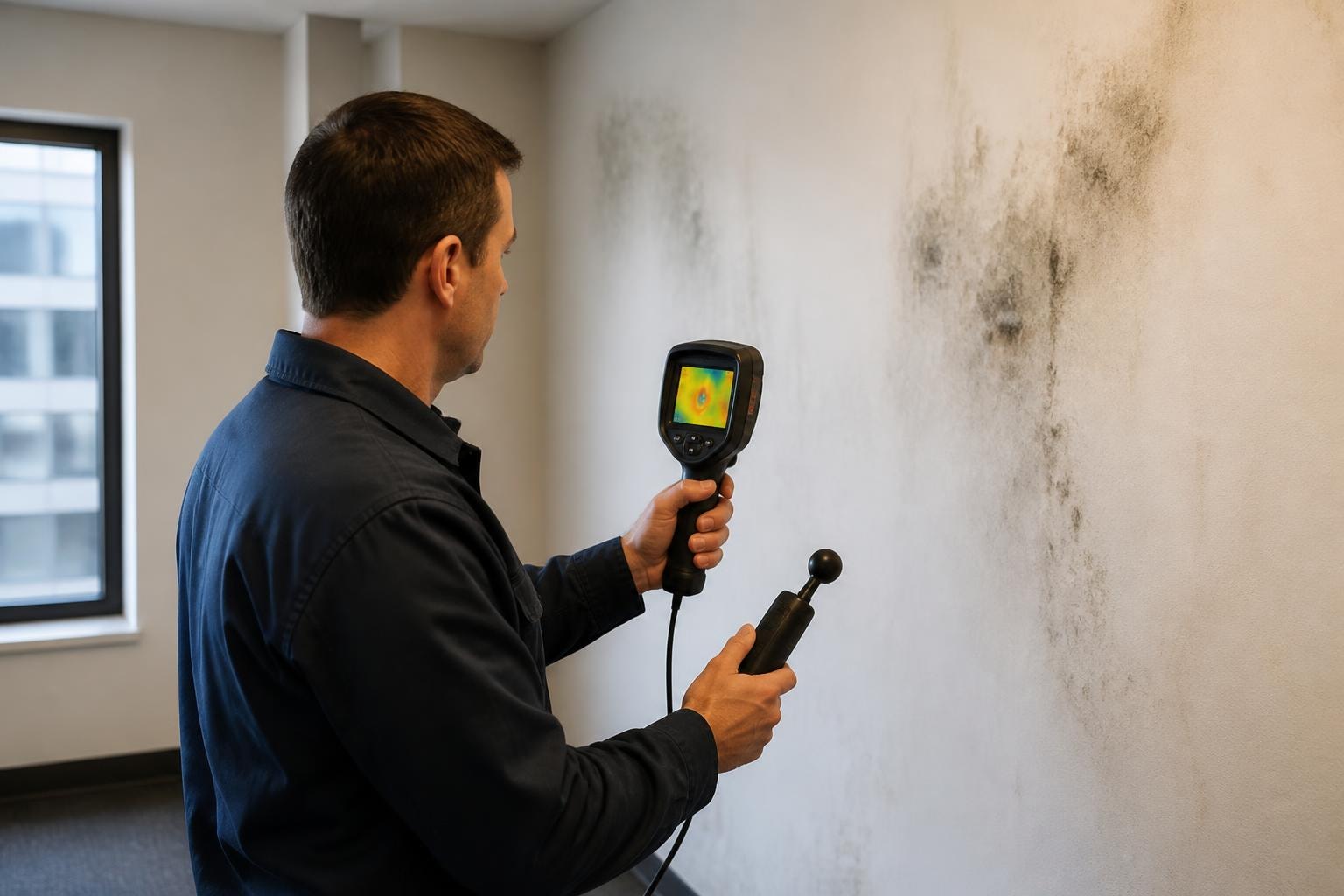
Commercial properties face unique challenges when it comes to mould contamination. Unlike residential settings, businesses must contend with complex HVAC systems, higher occupancy levels, regulatory compliance requirements, and potential liability issues. A professional commercial mould inspection provides the foundation for identifying contamination, assessing risks, and developing effective remediation strategies. Understanding the inspection process, standards, and methodology helps property managers, business owners, and facilities directors protect their investments whilst ensuring the health and safety of occupants.
Understanding Commercial Mould Inspection Requirements
Commercial mould inspection differs substantially from residential assessments in scope, methodology, and regulatory considerations. Business premises typically encompass larger square footage, diverse room functions, and more complex building systems that create varied environmental conditions. These factors require inspectors to apply comprehensive protocols that address the unique challenges of commercial spaces.
The inspection process must account for industry-specific regulations and standards. The Health and Safety Executive requires employers to maintain safe working conditions, which includes addressing mould hazards that could affect employee health. Commercial property owners face additional responsibilities under the Landlord and Tenant Act 1985, Defective Premises Act 1972, and various health and safety regulations that mandate proper maintenance and habitability standards.

Types of Commercial Properties Requiring Inspection
Different commercial property types present distinct mould risks and inspection requirements:
- Office Buildings: Sealed environments with centralized HVAC systems prone to moisture accumulation and poor ventilation
- Retail Spaces: High-traffic areas with fluctuating humidity levels from customer movement and product storage
- Warehouses: Large volumes with temperature variations, potential roof leaks, and condensation issues
- Healthcare Facilities: Critical environments requiring stringent air quality standards and contamination control
- Educational Institutions: Occupied buildings with aging infrastructure and high occupant density
- Hospitality Venues: Properties with plumbing systems, kitchens, and moisture-generating activities
- Industrial Facilities: Manufacturing spaces with process-generated humidity and chemical exposures
Each property type demands tailored inspection approaches that consider operational patterns, occupancy schedules, and specific risk factors. A comprehensive commercial mould inspection addresses these variables through systematic assessment protocols.
Professional Standards and Protocols
Industry standards govern how qualified professionals conduct commercial mould inspections. The International Association of Certified Indoor Air Consultants (IAC2) defines two primary inspection types: Complete Mold Inspections and Limited Mold Inspections, each serving different assessment needs.
A Complete Mold Inspection encompasses the entire accessible building area, including visual assessment of all spaces, moisture measurements, and environmental sampling. This comprehensive approach provides a full picture of contamination extent and identifies all potential problem areas. Limited inspections focus on specific areas of concern, such as a single room or building section where occupants report problems or visible contamination exists.
Key Inspection Components
Professional commercial mould inspection follows structured methodologies that ensure thorough assessment:
- Pre-Inspection Consultation: Gathering building history, occupant complaints, maintenance records, and previous water damage incidents
- Visual Assessment: Systematic examination of building envelope, interior surfaces, mechanical systems, and concealed spaces
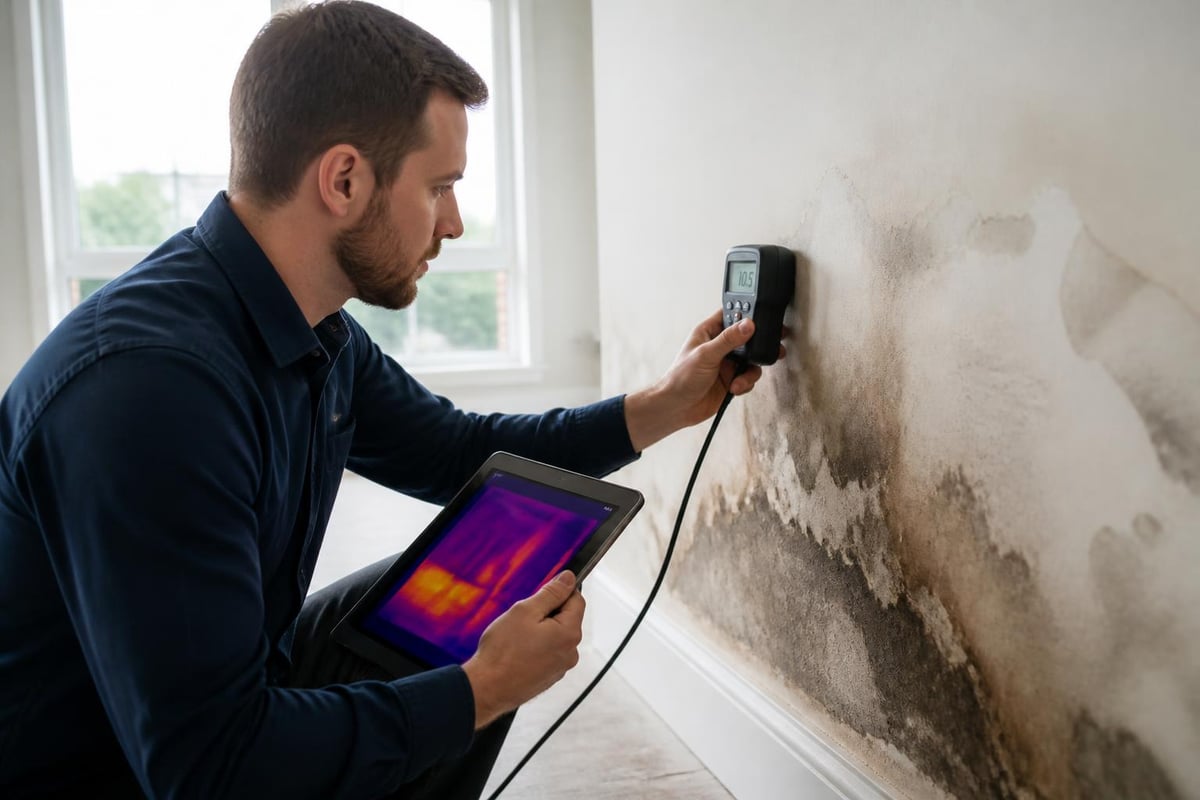
- Moisture Mapping: Using thermal imaging cameras, moisture metres, and hygrometers to identify water intrusion and elevated humidity
- Environmental Sampling: Collecting air samples, surface samples, and bulk material samples for laboratory analysis
- Documentation: Photographing conditions, recording measurements, and creating detailed inspection reports
- Recommendations: Providing remediation protocols, moisture control strategies, and preventative measures
The EPA emphasizes that visible mould growth often indicates immediate action rather than extensive testing, though commercial properties benefit from baseline air quality data for comparison purposes.
Moisture Assessment and Detection Methods
Moisture control represents the cornerstone of mould prevention and remediation. Commercial mould inspection prioritizes identifying all moisture sources, from obvious water leaks to subtle humidity problems that create conditions for fungal growth.
Professional inspectors employ multiple detection technologies to locate moisture intrusion and accumulation. Non-invasive moisture metres measure water content in building materials without causing damage, whilst invasive pin-type metres provide precise readings in suspected problem areas. Thermal imaging cameras reveal temperature differentials that indicate moisture patterns, insulation defects, and air leakage pathways invisible to the naked eye.
| Detection Method | Application | Advantages | Limitations |
|---|---|---|---|
| Moisture Metres | Direct material measurement | Quantifiable readings, immediate results | Requires surface contact, limited depth |
| Thermal Imaging | Large area scanning | Non-invasive, pattern visualization | Requires temperature differential |
| Hygrometers | Ambient humidity monitoring | Environmental conditions tracking | Point measurements only |
| Borescopes | Concealed space inspection | Visual access to hidden areas | Requires access holes |
Building envelope assessment examines roof systems, wall assemblies, windows, and foundations for water penetration pathways. HVAC systems require particular attention, as poorly maintained equipment creates ideal mould growth conditions through condensation, inadequate drainage, and contaminated components.
Common Moisture Sources in Commercial Buildings
Understanding typical moisture sources helps focus inspection efforts on high-risk areas. Plumbing systems, including supply lines, drains, and fixture connections, account for numerous water intrusion incidents. Roof leaks remain a primary concern, particularly in flat-roof commercial construction where drainage issues and membrane failures occur frequently.
HVAC condensate drainage problems create persistent moisture conditions that support mould colonization on surfaces and within ductwork. Inadequate ventilation in bathrooms, kitchens, and storage areas allows humidity accumulation that exceeds safe levels for preventing fungal growth.
Foundation moisture from groundwater, poor drainage, or inadequate waterproofing affects below-grade spaces and can wick upward into above-ground building materials. Understanding these moisture pathways enables inspectors to identify root causes rather than merely documenting symptoms.
Sampling Methods and Laboratory Analysis
Environmental sampling provides objective data about mould species presence, spore concentrations, and contamination extent. The National Association of Mold Remediators and Inspectors outlines standardized sampling procedures that ensure reliable, comparable results across different inspections and properties.
Air sampling captures airborne mould spores using calibrated pumps that draw known air volumes through collection devices. Surface sampling collects material from affected areas using swabs, tape lifts, or bulk samples for laboratory identification and quantification. Each method serves specific purposes within the overall assessment strategy.
Air Sampling Protocols
Spore trap sampling uses cassettes containing slides with sticky surfaces that capture airborne particles as air passes through the device. Laboratory analysis identifies and counts spore types, providing concentration data measured in spores per cubic metre. Viable sampling collects living spores on culture media, allowing laboratory cultivation for precise species identification.
Proper air sampling requires careful consideration of sample locations, timing, and environmental conditions. Baseline outdoor samples provide comparison data, whilst indoor samples from affected and unaffected areas establish contamination patterns. Sample timing should occur during normal building operations when HVAC systems run and occupants conduct typical activities.
Professional inspectors collect multiple samples to ensure statistical validity and account for spatial variation in spore concentrations. The number of samples depends on building size, complexity, and suspected contamination extent.
Surface and Bulk Sampling Techniques
Surface samples document contamination on specific materials or locations where visible growth occurs. Tape lift samples preserve surface material for microscopic examination, whilst swab samples collect material for culture analysis. Bulk samples remove portions of affected materials for comprehensive laboratory testing.
Sample selection prioritizes areas with visible growth, water damage history, or occupant health complaints. Documentation includes photographs, measurements, and detailed location descriptions that enable comparison if follow-up testing occurs after remediation.
Inspection Reporting and Documentation
Comprehensive reporting transforms inspection findings into actionable intelligence for property owners and facilities managers. Professional reports organize complex technical information into clear, understandable formats that support decision-making and planning.
Effective commercial mould inspection reports include executive summaries that highlight critical findings, detailed methodology sections explaining assessment procedures, comprehensive findings documentation with photographs and measurements, and specific recommendations for remediation and prevention. Reports should reference relevant standards and regulations whilst avoiding technical jargon that obscures meaning.
Essential Report Components
A complete inspection report contains several critical elements:
- Property Information: Address, building type, age, construction details, and occupancy characteristics
- Inspection Scope: Areas assessed, limitations encountered, and methodologies employed
- Visual Findings: Documented observations with photographic evidence and location descriptions
- Measurement Data: Moisture readings, temperature recordings, and humidity levels throughout the property
- Laboratory Results: Sample analysis reports with spore identifications and concentrations
- Source Assessment: Identified moisture sources and contributing factors enabling mould growth
- Remediation Recommendations: Prioritized action items following industry protocols
- Prevention Strategies: Long-term moisture control and maintenance recommendations
Documentation quality directly impacts remediation effectiveness and regulatory compliance. Clear photographs with measurement scales provide visual evidence supporting written descriptions. Floor plans marked with inspection locations create spatial context for findings and facilitate remediation planning.
Regulatory Compliance and Legal Considerations
Commercial property owners face legal obligations regarding indoor air quality and occupant safety. Whilst the UK lacks specific mould concentration limits, various regulations establish duty of care requirements that encompass mould prevention and remediation.
The Control of Substances Hazardous to Health Regulations 2002 (COSHH) requires employers to assess and control exposure to biological agents, including mould. The Health and Safety at Work Act 1974 establishes general duties for maintaining safe working environments. These regulatory frameworks create legal imperatives for addressing mould problems promptly and effectively.
Landlords of commercial properties bear responsibilities under multiple statutes requiring property maintenance and fitness for occupation. Failure to address known mould problems can result in liability for health effects, property damage, and regulatory penalties. Professional commercial mould inspection creates documentation demonstrating due diligence and proactive management.
| Regulation | Relevant Requirements | Compliance Implications |
|---|---|---|
| COSHH 2002 | Biological agent assessment | Document mould exposure risks |
| Health & Safety at Work Act | Safe workplace maintenance | Address mould hazards promptly |
| Building Regulations Part F | Ventilation standards | Ensure adequate air exchange |
| Property Maintenance Codes | Habitability requirements | Maintain water-tight envelope |
Insurance considerations further motivate thorough inspection and documentation. Many policies require prompt notification of water damage and mould discovery, with coverage potentially affected by delayed action or inadequate response. Professional inspection reports provide evidence supporting insurance claims whilst documenting remediation efforts.
Health Implications and Risk Assessment
Mould exposure in commercial settings affects occupant health through multiple pathways. Allergenic reactions, respiratory irritation, and asthma exacerbation represent common health complaints associated with indoor mould growth. Certain species produce mycotoxins that pose additional health risks, particularly with prolonged exposure in contaminated environments.
Commercial mould inspection identifies contamination extent and species present, enabling appropriate risk assessment for occupants. High-risk populations, including individuals with compromised immune systems, existing respiratory conditions, or mould allergies, face greater vulnerability to health effects from indoor contamination.
Professional Mould Assessment services evaluate both contamination severity and potential health impacts, providing property managers with information needed for informed decision-making. Risk assessment considers exposure duration, contamination extent, species identified, and occupant characteristics when prioritizing remediation efforts.
Occupant Complaint Investigation
Employee or tenant health complaints often trigger commercial mould inspection requests. Systematic investigation requires documenting symptoms, identifying affected individuals, and correlating health issues with building locations or environmental conditions. This information guides inspection focus whilst establishing potential exposure patterns.
Professional inspectors interview occupants to gather complaint details, timing patterns, and symptom characteristics. Correlation between building-related symptoms and time away from the property suggests environmental factors requiring investigation. Multiple occupants reporting similar symptoms in specific building areas indicates localized contamination requiring targeted assessment.
Remediation Planning and Prevention Strategies
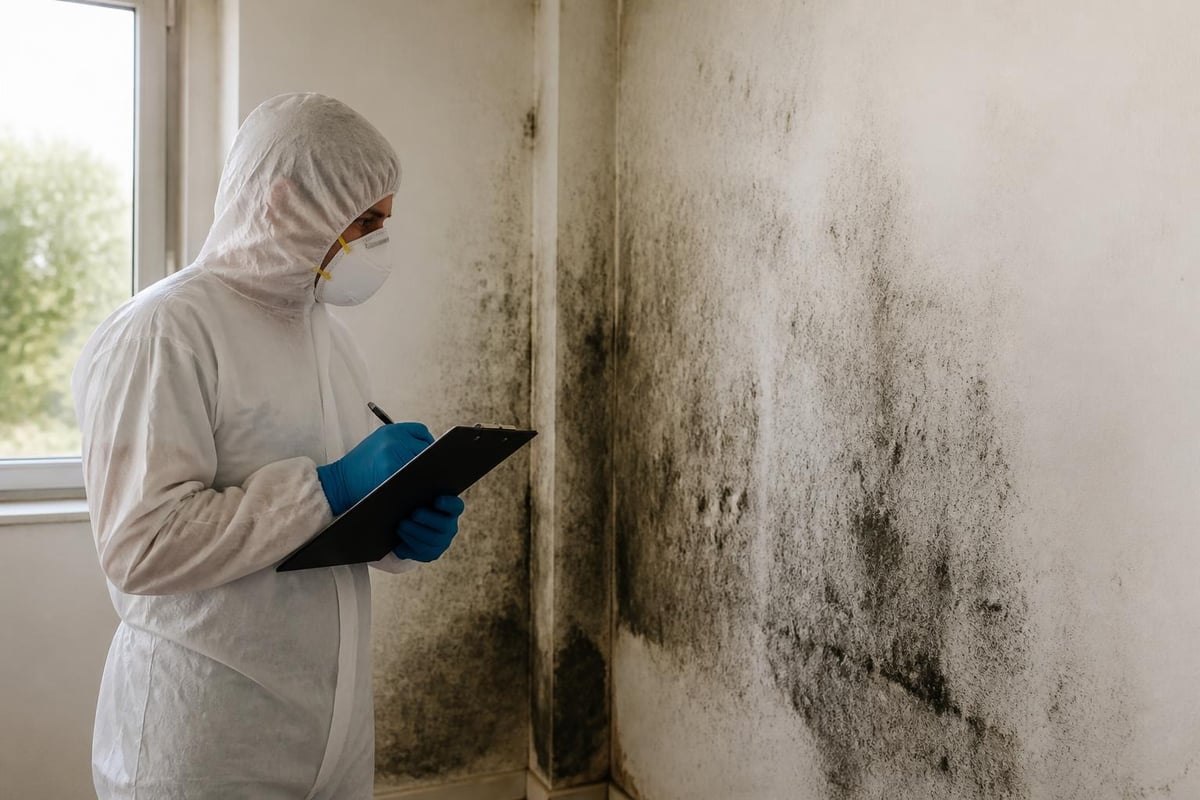
Inspection findings directly inform remediation planning and long-term prevention strategies. The EPA's guidelines for mold remediation in commercial buildings provide comprehensive protocols for addressing contamination whilst protecting occupants and workers.
Effective remediation begins with moisture source elimination. Without addressing underlying water problems, mould returns regardless of cleaning efforts. Source control may require roof repairs, plumbing corrections, HVAC modifications, or building envelope improvements that prevent future moisture intrusion.
Containment procedures protect unaffected building areas during remediation work. Negative air pressure systems, physical barriers, and air filtration prevent cross-contamination whilst workers remove affected materials and clean surfaces. Professional remediation follows established protocols that ensure complete contamination removal whilst maintaining occupant safety.
Post-remediation verification confirms successful contamination elimination through visual inspection, moisture measurements, and clearance air sampling. This documentation provides assurance that remediation achieved intended results and establishes baseline conditions for future comparison.
Long-Term Prevention Approaches
Sustainable mould prevention requires ongoing attention to moisture control and building maintenance. Regular HVAC system maintenance ensures proper drainage, adequate ventilation, and optimal humidity control throughout commercial spaces. Routine building envelope inspections identify developing problems before significant damage occurs.
Humidity monitoring systems provide early warning of conditions conducive to mould growth, enabling proactive intervention. Maintaining relative humidity below 60% prevents most mould species from establishing growth on building materials. Proper ventilation ensures adequate air exchange that removes moisture and dilutes airborne contaminants.
Prompt response to water incidents minimizes mould risk by eliminating moisture before colonization occurs. Documented protocols for water damage response ensure consistent, effective action when leaks or floods affect commercial properties. Staff training enables quick identification and reporting of moisture problems requiring professional attention.
Selecting Qualified Inspection Professionals
Professional qualifications and experience directly impact inspection quality and reliability. Certified inspectors possess specialized training in building science, mould biology, moisture assessment, and sampling protocols that ensure comprehensive, accurate evaluations.
Industry certifications demonstrate competency and adherence to professional standards. Organizations including the International Association of Certified Indoor Air Consultants, Institute of Inspection, Cleaning and Restoration Certification, and National Association of Mold Remediators and Inspectors offer certification programmes validating inspector knowledge and skills.
When selecting inspection providers, property owners should verify certifications, request references, review sample reports, and confirm insurance coverage including professional liability and general liability policies. Qualified professionals explain their methodologies, answer questions clearly, and provide detailed written proposals outlining inspection scope and deliverables.
Questions for Prospective Inspectors
Evaluating potential inspection providers requires asking targeted questions:
- What certifications and training do inspectors hold?
- How many years of commercial property experience does the company possess?
- What inspection protocols and standards guide your methodology?
- Which sampling methods will you employ and why?
- What equipment and technology do you utilize for moisture detection?
- How quickly will laboratory results and final reports be available?
- Do you provide remediation services or maintain independence?
- What insurance coverage protects clients during inspection activities?
Independent inspectors who do not perform remediation work avoid potential conflicts of interest that might compromise assessment objectivity. This separation ensures recommendations prioritize accurate problem identification rather than generating remediation revenue.
Cost Factors and Investment Considerations
Commercial mould inspection costs vary based on property size, complexity, sampling extent, and inspector qualifications. Larger buildings require more time, additional samples, and greater resource investment than smaller properties. Complex buildings with multiple systems, concealed spaces, and varied uses increase assessment difficulty and associated costs.
Basic visual inspections without sampling represent minimal investment whilst providing limited information about contamination extent or species present. Comprehensive assessments including extensive moisture mapping, multiple environmental samples, and detailed reporting require greater investment but deliver actionable intelligence supporting effective remediation planning.
Property owners should view inspection costs as risk management investments rather than discretionary expenses. Early problem identification prevents extensive damage requiring costly remediation whilst protecting occupants from health risks that could generate liability claims. Professional documentation also supports insurance claims and demonstrates regulatory compliance.
| Service Level | Typical Components | Best Applications |
|---|---|---|
| Basic Visual | Walk-through assessment, moisture spot checks | Initial screening, known limited issues |
| Standard Complete | Full visual, moisture mapping, limited sampling | Periodic assessment, complaint investigation |
| Comprehensive | Extended assessment, extensive sampling, specialized testing | Large properties, complex problems, post-remediation |
| Ongoing Monitoring | Regular inspections, trending data, preventative focus | High-value properties, sensitive occupancies |
Balancing assessment thoroughness against budget constraints requires understanding specific property risks and inspection objectives. Consultations with qualified professionals help property owners determine appropriate scope for their situations and priorities.
Commercial mould inspection provides essential protection for property investments and occupant wellbeing whilst ensuring regulatory compliance across business premises. The systematic assessment process identifies contamination, evaluates moisture sources, and establishes remediation priorities through professional standards and proven methodologies. Mouldsurv Ltd delivers comprehensive commercial mould inspection services throughout Essex, London, and Kent, combining certified expertise with advanced assessment technology to protect your property and occupants. Contact our qualified team today to schedule your professional commercial property assessment.