

Mould growth in residential and commercial properties across Colchester has become an increasingly concerning issue, driven by the region's climate, ageing building stock, and modern construction practices that prioritize energy efficiency over adequate ventilation. When left unaddressed, mould can compromise structural integrity, diminish property value, and pose significant health risks to occupants. Understanding the importance of professional mould inspection services provides property owners, landlords, and tenants with the knowledge needed to protect their investments and well-being.
Understanding Mould Growth in Colchester Properties
Colchester's geographical location in Essex exposes properties to moisture-related challenges throughout the year. The town experiences moderate rainfall, high humidity levels during certain seasons, and temperature fluctuations that create ideal conditions for fungal growth. These environmental factors, combined with common building defects, inadequate maintenance, and insufficient ventilation, contribute to widespread mould problems across both historic and modern structures.
Primary Causes of Mould in Local Buildings
Several interconnected factors trigger mould development in Colchester properties. Understanding these causes helps property stakeholders recognize early warning signs before minor issues escalate into serious problems.
Moisture intrusion represents the most significant contributor to mould growth. This includes:
- Roof leaks allowing rainwater penetration through damaged tiles or flashing
- Compromised guttering systems causing water overflow near foundations
- Rising damp from failed damp-proof courses in older properties
- Penetrating damp through porous brickwork and deteriorating mortar joints
- Plumbing failures including hidden pipe leaks and drainage issues
Condensation problems frequently occur in properties with poor thermal performance. Single-glazed windows, cold bridge areas, and inadequate insulation create surfaces where warm, moisture-laden air condenses, providing perfect conditions for spore germination and colony establishment.
Ventilation deficiencies prevent moisture-laden air from escaping, particularly in bathrooms, kitchens, and laundry areas. Modern energy-efficient buildings with sealed construction can paradoxically increase mould risk when adequate mechanical ventilation isn't installed or maintained properly.
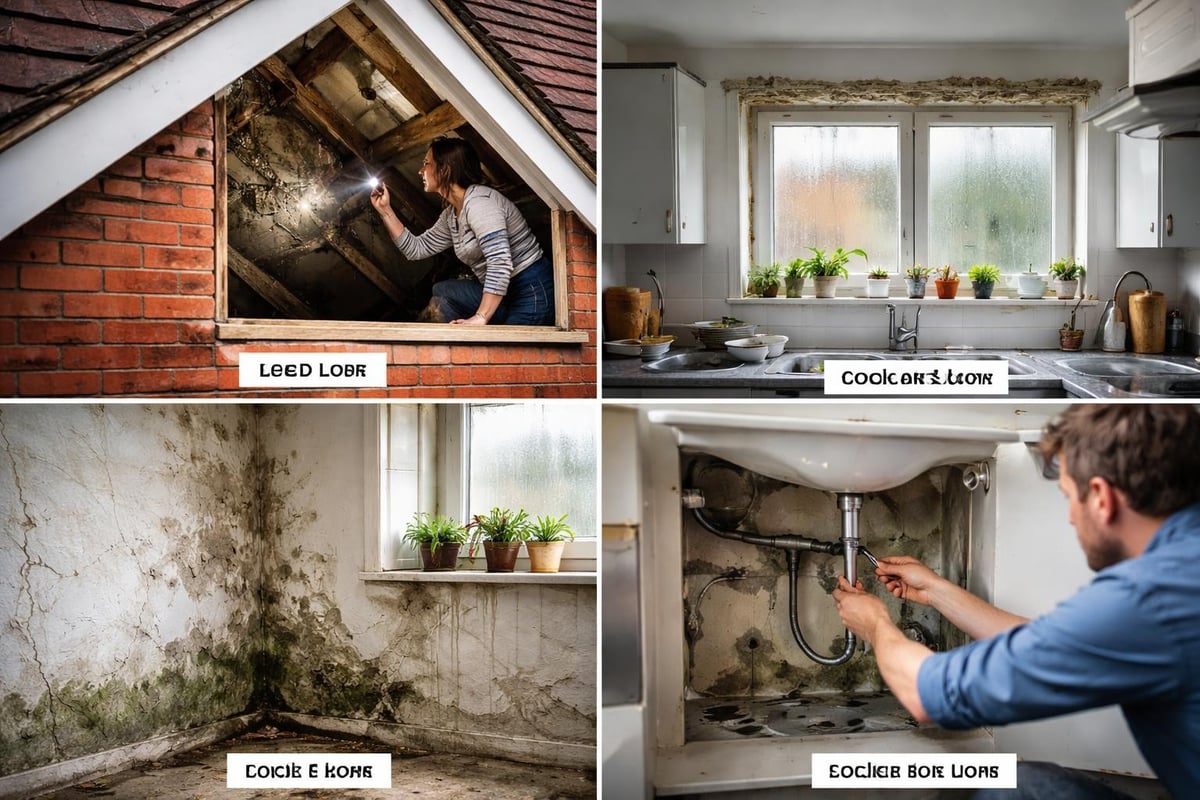
What Colchester Mould Inspection Entails
A professional colchester mould inspection involves systematic assessment of property conditions, identification of fungal growth, determination of underlying causes, and recommendations for remediation. Qualified inspectors employ specialized equipment and follow established protocols to deliver comprehensive evaluations that meet industry standards and regulatory requirements.
Initial Visual Assessment
The inspection process begins with thorough visual examination of all accessible areas. Experienced inspectors methodically review common problem zones including bathrooms, kitchens, basements, attics, and areas with known water damage history. They document visible mould growth, water staining, efflorescence, and structural deterioration using photography and detailed notes.
This stage identifies obvious problems whilst flagging areas requiring deeper investigation. Inspectors look beyond surface-level symptoms to understand underlying building defects, occupancy patterns, and maintenance issues contributing to mould development.
Moisture Detection and Mapping
Accurate moisture measurement forms the foundation of effective mould inspection. Professional assessors utilize several diagnostic tools to map moisture distribution throughout affected properties:
| Equipment Type | Purpose | Application |
|---|---|---|
| Pin-type moisture meters | Measure moisture content in porous materials | Timber joists, plasterboard, wall surfaces |
| Capacitance meters | Non-invasive moisture detection | Finished surfaces, detection through coverings |
| Infrared thermal cameras | Identify temperature differentials and moisture patterns | Large wall areas, hidden defects, thermal bridges |
| Hygrometers | Measure relative humidity levels | Room conditions, ventilation assessment |
Combining multiple measurement techniques provides comprehensive data that reveals both active moisture sources and areas vulnerable to future problems. The UK Centre for Mould Safety emphasizes the importance of systematic moisture assessment in preventing recurring mould issues.
Air Quality and Surface Sampling
When circumstances warrant detailed analysis, inspectors collect samples for laboratory identification of specific mould species and spore concentration levels. This testing becomes particularly important in properties with extensive contamination, when occupants report health symptoms, or where legal disputes require definitive evidence.
Air sampling involves collecting airborne spore samples using specialized pumps and collection cassettes. Inspectors typically gather samples from affected areas, unaffected control areas, and outdoor baseline samples for comparison. Laboratory analysis identifies genera and species present whilst quantifying spore concentrations per cubic metre of air.
Surface sampling captures mould colonies directly from affected materials using swab, tape-lift, or bulk sampling methods. These samples confirm visual identification, determine whether staining indicates active or historical growth, and provide evidence for remediation planning.
The procedures outlined in professional mould testing guidance demonstrate the rigorous approach needed for accurate assessment and effective remediation planning.
Health Implications of Mould Exposure
Mould exposure through inhalation, skin contact, or ingestion of contaminated materials poses various health risks depending on species present, exposure duration, concentration levels, and individual susceptibility. Understanding these risks underscores the importance of prompt colchester mould inspection when problems are suspected.
Respiratory and Allergic Reactions
The most commonly reported health effects involve the respiratory system. Mould spores act as allergens triggering immune responses in sensitive individuals. Symptoms include:
- Persistent coughing and wheezing
- Nasal congestion and sinus pressure
- Throat irritation and hoarseness
- Shortness of breath and chest tightness
- Exacerbation of existing asthma conditions
Children, elderly individuals, and those with compromised immune systems face elevated risks from mould exposure. Recent research published on PubMed highlights psychological impacts associated with living in damp, mould-affected environments, demonstrating that health consequences extend beyond physical symptoms alone.
Toxic Mould Species Concerns
Certain mould species produce mycotoxins, secondary metabolites that can cause serious health effects through various exposure pathways. Stachybotrys chartarum (black mould) receives considerable attention due to its association with severe respiratory problems and neurological symptoms in documented cases.
However, toxigenic potential varies significantly between species and strains. Professional Mould Assessment services include laboratory identification when toxic species are suspected, enabling appropriate remediation approaches and occupant protection measures.

Regulatory Framework and Landlord Responsibilities
Property owners and landlords face specific legal obligations regarding mould and damp conditions under UK housing legislation. The Homes (Fitness for Human Habitation) Act 2018 explicitly includes damp and mould as hazards that can render properties unfit for occupation. The Housing Ombudsman provides comprehensive guidance on landlord responsibilities and tenant reporting procedures.
Statutory Duties for Social and Private Landlords
Landlords must ensure properties remain free from serious damp and mould throughout tenancies. This includes responding promptly to reports, investigating underlying causes rather than simply treating symptoms, and implementing effective remediation that prevents recurrence.
Key responsibilities include:
- Conducting property inspections at regular intervals
- Maintaining building elements that prevent water ingress
- Ensuring adequate ventilation systems function properly
- Responding to tenant reports within reasonable timeframes
- Arranging professional assessment when problems persist
- Completing remediation work to acceptable standards
- Providing temporary accommodation when necessary during major works
Failure to address mould problems adequately can result in prosecution under housing health and safety regulations, compensation claims, and reputational damage that affects future lettings.
Housing Health and Safety Rating System
Local authority environmental health officers assess housing conditions using the Housing Health and Safety Rating System (HHSRS). This risk-based evaluation framework examines 29 potential hazards including damp and mould growth. Properties scoring high hazard ratings for these issues require immediate remedial action.
Colchester mould inspection by qualified professionals provides documented evidence that landlords and property owners have taken reasonable steps to identify and address problems, demonstrating due diligence in regulatory compliance and duty of care towards occupants.
Choosing Professional Inspection Services
Selecting qualified inspectors ensures accurate assessment and reliable recommendations. Property owners should verify credentials, experience, and methodology before commissioning surveys.
Essential Qualifications and Certifications
Reputable mould inspectors hold recognized qualifications demonstrating competence in building pathology, moisture investigation, and fungal biology. Look for professionals with:
- CSRT (Certified Surveyor in Remedial Treatment) qualifications
- RICS (Royal Institution of Chartered Surveyors) membership
- BWPDA (British Wood Preserving and Damp-proofing Association) registration
- Specific mould inspection training and certification
- Professional indemnity insurance coverage
These credentials indicate adherence to industry standards and ongoing professional development requirements that keep inspectors current with best practices and regulatory changes.
What Quality Inspection Reports Should Contain
A thorough inspection report provides clear documentation of findings, analysis, and recommendations. According to guidance on essential mould inspection report components, comprehensive reports include:
| Report Section | Content |
|---|---|
| Property details | Address, construction type, age, occupancy |
| Inspection scope | Areas examined, limitations, methodology |
| Visual findings | Location, extent, appearance of growth |
| Moisture readings | Measurements, patterns, source identification |
| Contributing factors | Ventilation, heating, occupant behaviour |
| Laboratory results | Species identification, spore counts (if sampled) |
| Risk assessment | Health implications, structural concerns |
| Recommendations | Remediation scope, preventative measures |
| Photographic evidence | Dated images documenting conditions |
Quality reports use clear language accessible to non-technical readers whilst providing sufficient technical detail for contractors implementing remediation work.
Costs and Investment Considerations
Professional colchester mould inspection represents a valuable investment protecting property assets and occupant health. Understanding typical costs helps property stakeholders budget appropriately whilst recognizing the financial implications of delayed action.
Typical Inspection Fee Structures
Inspection costs vary based on property size, complexity, accessibility, and testing requirements. Basic visual assessments for residential properties generally range from £200 to £500, whilst comprehensive inspections including moisture mapping and laboratory analysis typically cost £500 to £1,200 for average-sized homes.
Factors influencing pricing include:
- Property square footage and number of rooms
- Presence of multiple affected areas requiring detailed assessment
- Need for air quality or surface sampling
- Additional specialist testing for hidden moisture or structural assessment
- Travel distance and accessibility challenges
- Urgency of service provision
Commercial properties and large residential buildings command higher fees reflecting increased complexity and time requirements. However, inspection costs represent a fraction of potential remediation expenses, making early professional assessment financially prudent.
Long-term Value of Professional Assessment
Addressing mould problems promptly prevents escalating damage that significantly increases remediation costs. Early intervention following professional inspection typically allows targeted treatment costing hundreds or low thousands of pounds. Delayed action enabling extensive colonization and structural deterioration can result in remediation bills exceeding £10,000 or complete property uninhabitability.
Professional inspection also protects property value by identifying problems before they affect marketability or trigger mandatory disclosure requirements during sales transactions. Documentation from qualified inspectors provides evidence for insurance claims and demonstrates compliance with maintenance obligations.

Remediation Following Inspection
Inspection findings inform appropriate remediation strategies tailored to specific circumstances. Effective treatment addresses underlying causes whilst safely removing contamination and preventing future recurrence. Following professional mould removal protocols ensures work meets industry standards including IICRC S520 guidelines.
Determining Appropriate Treatment Scope
Remediation approaches depend on contamination extent, affected materials, mould species present, and property occupancy status. Small, surface-level growth on non-porous materials may require simple cleaning and moisture control. Extensive contamination affecting porous building materials necessitates removal, disposal, and reconstruction.
Professional recommendations following colchester mould inspection typically categorize remediation into levels:
- Level 1: Small isolated areas under 1 square metre
- Level 2: Mid-sized areas between 1-10 square metres
- Level 3: Large areas exceeding 10 square metres
- Level 4: Extensive contamination requiring full containment
Higher levels demand increasingly stringent containment, personal protective equipment, and specialized procedures to prevent cross-contamination and protect workers and occupants.
Coordinating Inspection with Remediation Services
Many property owners benefit from engaging companies offering integrated inspection and remediation services. This coordinated approach ensures seamless transition from assessment to treatment whilst maintaining continuity in understanding property-specific conditions and challenges. Mould Remediation specialists can implement inspection recommendations efficiently using detailed documentation to guide comprehensive treatment.
Separating inspection and remediation between different contractors provides independent verification and eliminates potential conflicts of interest, though this approach may extend overall project timelines and require additional coordination efforts.
Preventative Measures and Maintenance
Following successful remediation, implementing preventative strategies protects properties from future mould problems. Colchester mould inspection reports typically include recommendations for ongoing moisture control and building maintenance that address specific vulnerabilities identified during assessment.
Effective Ventilation Strategies
Adequate ventilation removes moisture-laden air before condensation occurs on cold surfaces. Property owners should ensure:
- Bathroom and kitchen extractor fans operate effectively and discharge externally
- Mechanical ventilation systems receive regular maintenance and filter replacement
- Trickle vents in windows remain open and unobstructed
- Tumble dryers vent outside rather than into rooms
- Adequate background ventilation exists throughout properties
Modern building regulations require minimum ventilation rates that prevent moisture accumulation, though many older Colchester properties require retrofitted systems to achieve acceptable standards.
Heating and Insulation Improvements
Maintaining consistent internal temperatures reduces condensation risk by keeping surface temperatures above dew point. Property improvements delivering moisture control benefits include:
- Upgrading single glazing to double or triple glazed units
- Adding cavity wall or external insulation to improve thermal performance
- Insulating lofts to current building regulation standards
- Installing efficient heating systems maintaining minimum temperatures
- Addressing thermal bridging at junctions and openings
These improvements deliver energy efficiency benefits alongside moisture control, making them attractive investments for property owners seeking long-term performance enhancement.
Regular Monitoring and Maintenance
Establishing routine inspection and maintenance schedules identifies emerging problems before serious damage occurs. Property owners should:
- Check roofs, guttering, and external walls annually for deterioration
- Monitor known problem areas during winter months when condensation risk peaks
- Service mechanical ventilation systems according to manufacturer recommendations
- Address minor leaks and building defects promptly
- Maintain records documenting property condition and maintenance activities
The National Archives mould site checklist provides systematic approaches applicable beyond archival contexts for routine monitoring programs.
Specialist Scenarios Requiring Expert Assessment
Certain property types and circumstances demand particularly thorough colchester mould inspection approaches due to elevated risks or unique challenges.
Historic and Listed Buildings
Colchester's rich architectural heritage includes numerous listed buildings and structures within conservation areas. These properties present unique mould challenges due to solid wall construction, traditional materials, and restrictions on modifications that limit remediation options.
Inspectors assessing historic properties must balance moisture control requirements against conservation principles preserving architectural character. Traditional building materials often require different treatment approaches compared to modern construction, whilst planning restrictions may prohibit certain remediation methods or preventative improvements.
Commercial and Industrial Properties
Larger commercial buildings introduce complexity through multiple occupancy zones, varied uses, complex mechanical systems, and significant financial implications from operational disruption. Warehouses, retail premises, and office buildings require systematic assessment identifying contamination sources whilst minimizing business interruption.
Industrial facilities may harbor specialized mould problems related to process humidity, chemical exposures affecting material susceptibility, or product contamination risks demanding stringent cleanliness standards.
Properties Following Flood Events
Flooding events cause extensive moisture penetration requiring comprehensive assessment to prevent widespread mould colonization. Properties affected by recent flooding in Colchester and surrounding areas need immediate professional inspection identifying hidden moisture in wall cavities, sub-floor voids, and structural elements.
Post-flood inspection guides targeted drying efforts and determines whether affected materials require removal or can be salvaged through appropriate treatment. Delayed or inadequate response to flood damage virtually guarantees extensive mould problems within days of initial water intrusion.
Professional mould inspection provides the foundation for effective property protection, enabling informed decision-making and targeted interventions that address problems comprehensively. Whether you're a landlord ensuring regulatory compliance, a homeowner protecting your investment, or a tenant concerned about living conditions, qualified assessment delivers the clarity needed to move forward confidently. Mouldsurv Ltd offers certified inspection services throughout Colchester and the wider Essex region, combining advanced diagnostic techniques with extensive local experience to identify, analyze, and recommend solutions for mould and damp problems affecting your property.