Property owners and landlords across the UK face increasingly stringent regulations regarding housing conditions, with the identification of hazards forming a critical component of compliance obligations. Understanding what constitutes a category 1 hazard under the Housing Health and Safety Rating System is essential for maintaining safe properties and avoiding enforcement action. This classification represents serious risks to occupants' health and safety, triggering mandatory intervention from local authorities and potential legal consequences for property owners who fail to address them promptly.
Understanding the Housing Health and Safety Rating System
The Housing Health and Safety Rating System (HHSRS) provides the framework through which local authorities assess potential risks in residential properties. Introduced in 2006, this system replaced the previous fitness standard with a more comprehensive, evidence-based approach to evaluating housing conditions.
Under HHSRS, 29 different hazards are assessed based on the likelihood of an occurrence and the potential harm it could cause to the most vulnerable occupant. These hazards range from damp and mould growth to structural problems, fire risks, and exposure to toxic substances.
The Classification Process
Local authority environmental health officers conduct inspections to identify and score hazards present in a property. Each hazard receives a numerical score based on statistical evidence of harm and the severity of potential health outcomes.
The scoring system works as follows:
- Band A-C hazards: Category 1 hazards (scores 1,000+)
- Band D-J hazards: Category 2 hazards (scores below 1,000)
A category 1 hazard represents a serious and immediate risk requiring mandatory action from the local authority. Property owners cannot ignore these findings, as enforcement action becomes legally required rather than discretionary.

Common Category 1 Hazards in UK Properties
Certain defects consistently emerge as category 1 hazards during property assessments, particularly in older housing stock or poorly maintained buildings. Understanding these common issues helps property owners conduct preventative maintenance and avoid costly enforcement action.
Excess Cold
Properties with inadequate heating systems or poor insulation frequently trigger category 1 hazard ratings. Temperatures below 16°C in living spaces pose serious health risks, particularly to elderly residents and young children.
Key factors contributing to excess cold hazards include:
- Broken or inefficient heating systems
- Single-glazed windows
- Inadequate loft insulation
- Draughty doors and window frames
- Uninsulated cavity walls
Damp and Mould Growth
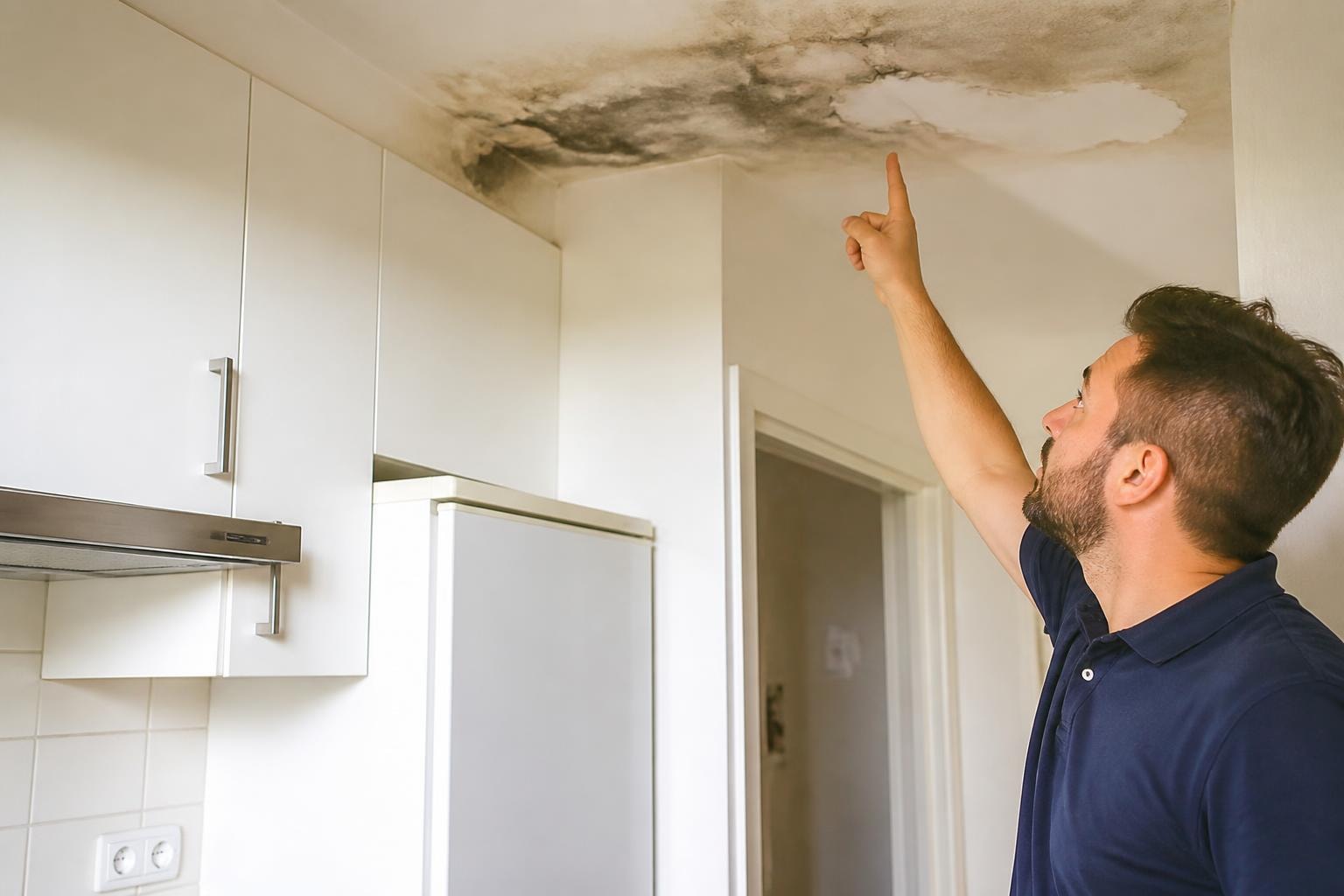
Persistent damp conditions and resulting mould growth represent one of the most frequently identified category 1 hazards. The health implications of mould exposure range from respiratory problems to allergic reactions and, in severe cases, immune system suppression.
Damp-related category 1 hazards typically arise from:
- Rising damp due to failed damp-proof courses
- Penetrating damp through damaged roofs or walls
- Condensation from poor ventilation
- Leaking plumbing or drainage systems
- Inadequate extraction in bathrooms and kitchens
Professional Mould Assessment services can identify the source and extent of mould problems before they escalate to category 1 hazard status.
Falls Hazards
Structural defects that increase the risk of falls constitute another common category 1 hazard. These issues pose particular danger to vulnerable occupants, including elderly residents and young children.
| Fall Hazard Type | Common Examples | Risk Factors |
|---|---|---|
| Stairs and Steps | Broken treads, inadequate lighting, missing handrails | Poor visibility, uneven surfaces |
| Level Surfaces | Damaged flooring, trip hazards, uneven thresholds | Wear and tear, improper repairs |
| External Areas | Cracked paving, unstable steps, inadequate drainage | Weather damage, subsidence |
Fire and Electrical Hazards
Fire safety defects can rapidly escalate to category 1 hazard status when they present immediate danger to occupants. These hazards often require urgent remedial action to prevent potentially fatal consequences.
Critical fire-related issues include:
- Lack of smoke alarms or non-functioning detection systems
- Inadequate escape routes from upper floors
- Electrical faults in outdated wiring systems
- Blocked fire exits or insufficient emergency lighting
- Combustible materials stored near ignition sources
Legal Obligations for Property Owners
When a category 1 hazard is identified, local authorities must take enforcement action under Part 1 of the Housing Act 2004. This mandatory intervention protects tenants whilst imposing clear responsibilities on property owners.
Enforcement Options
Local authorities possess several enforcement tools when addressing category 1 hazards. The HHSRS framework provides guidance on selecting the most appropriate intervention based on hazard severity and property circumstances.
- Improvement Notice: Requires specific works within a defined timeframe
- Prohibition Order: Restricts property use until hazards are remedied
- Hazard Awareness Notice: Formally notifies owners of identified risks
- Emergency Remedial Action: Immediate intervention for urgent hazards
- Emergency Prohibition Order: Instant restriction on property occupation
Consequences of Non-Compliance
Property owners who fail to address category 1 hazards face serious consequences. Beyond the immediate risk to occupants' health, non-compliance carries substantial legal and financial implications.
Penalties may include:
- Unlimited fines upon conviction
- Prohibition orders preventing property letting
- Compulsory purchase of the property
- Rent repayment orders to tenants
- Criminal prosecution for serious breaches
- Reputational damage affecting future lettings
The Health Impact of Category 1 Hazards
Understanding the health consequences associated with category 1 hazards highlights why prompt remediation is essential. These risks extend beyond immediate physical injury to encompass long-term health conditions affecting quality of life.
Respiratory and Cardiovascular Effects
Excess cold and damp conditions contribute significantly to respiratory illnesses and cardiovascular problems. The health hazards associated with prolonged exposure to these conditions can prove severe, particularly for vulnerable populations.
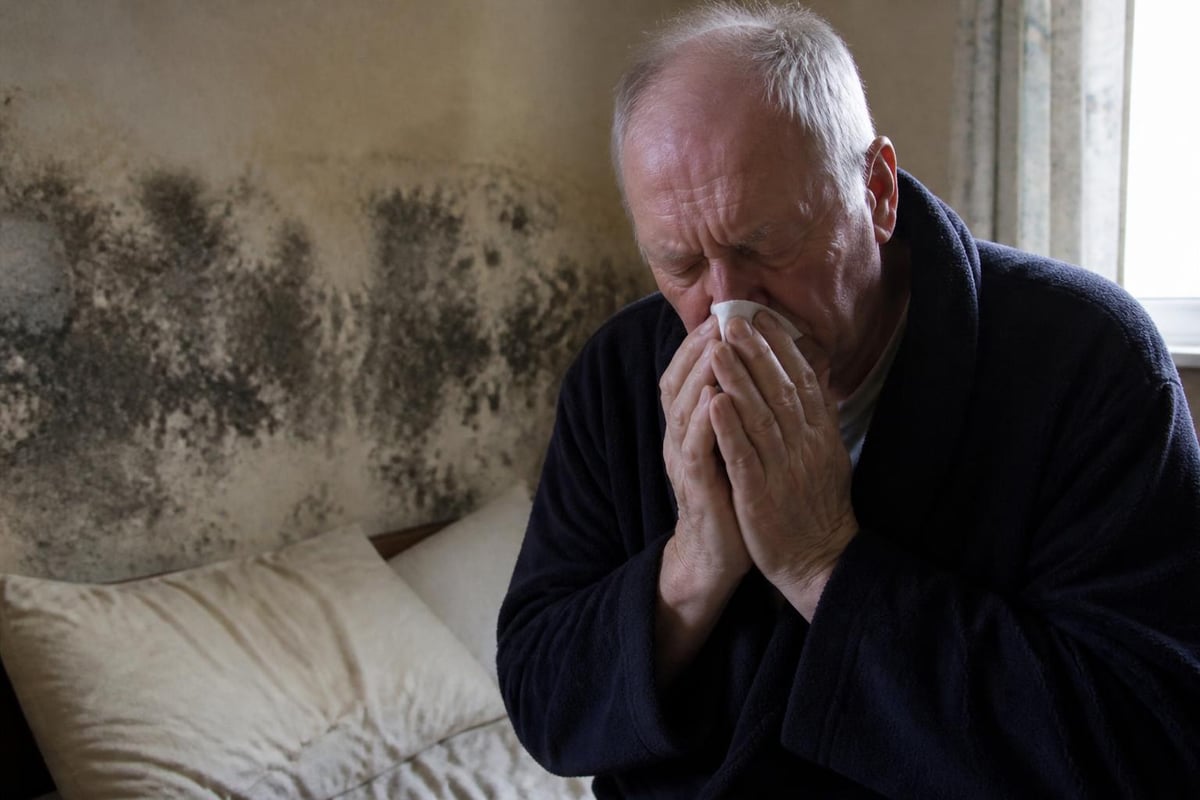
Cold properties increase blood pressure and viscosity, raising the risk of heart attacks and strokes. Simultaneously, damp environments facilitate mould growth, releasing spores and mycotoxins that trigger asthma, bronchitis, and allergic reactions.
Mental Health Considerations
The psychological impact of living in properties with category 1 hazards often receives insufficient attention. However, research demonstrates clear connections between housing conditions and mental wellbeing.
Occupants experiencing chronic health issues due to housing defects frequently develop:
- Depression and anxiety disorders
- Stress-related conditions
- Sleep disturbances
- Reduced cognitive function
- Social isolation
Vulnerable Populations at Greater Risk
Whilst category 1 hazards endanger all occupants, certain groups face disproportionate risks. The HHSRS specifically considers the most vulnerable potential occupant when assessing hazard severity.
High-risk groups include:
- Young children (under 5 years) with developing immune systems
- Elderly residents (over 65 years) with reduced mobility and resilience
- Individuals with disabilities facing mobility or sensory impairments
- Those with chronic health conditions including respiratory diseases
- Pregnant women and their developing babies
Prevention and Early Intervention Strategies
Proactive property maintenance prevents many defects from escalating to category 1 hazard status. Regular inspections and prompt repairs protect both occupants and property owners from the consequences of serious hazards.
Regular Property Inspections
Systematic property assessments identify emerging issues before they develop into serious hazards. Property owners should conduct comprehensive inspections at least annually, with seasonal checks for specific risks.
Spring and Summer Checks:
- Inspect roofing for damage or missing tiles
- Clear gutters and drainage systems
- Check external walls for cracks or deterioration
- Test damp-proof course effectiveness
- Assess ventilation adequacy
Autumn and Winter Checks:
- Test heating systems and thermostats
- Examine windows and doors for draughts
- Inspect loft insulation condition
- Check smoke alarm functionality
- Review electrical safety certificates
Maintenance Documentation
Maintaining detailed records of property inspections, repairs, and improvements demonstrates responsible property management. This documentation proves invaluable if local authorities investigate potential hazards or tenants raise concerns.
Essential records include:
| Document Type | Retention Period | Purpose |
|---|---|---|
| Inspection reports | 6 years | Evidence of due diligence |
| Repair invoices | 6 years | Proof of remedial work |
| Gas safety certificates | 2 years | Legal compliance |
| Electrical certificates | Duration of tenancy + 6 years | Safety verification |
| Energy Performance Certificates | 10 years | Regulatory requirement |
Professional Assessment Services
Engaging qualified professionals to assess property conditions provides expert insight into potential hazards. Specialist surveys identify issues that untrained eyes might overlook, particularly regarding structural integrity, damp problems, and electrical safety.
Professional assessments offer several advantages:
- Expert identification of underlying causes rather than just symptoms
- Accurate cost estimates for remedial works
- Evidence-based recommendations for priority actions
- Compliance with local authority requirements for hazard assessment
- Documentation supporting insurance claims or legal proceedings

Remediation Approaches for Category 1 Hazards
Once a category 1 hazard has been identified, swift and effective remediation becomes essential. The approach varies depending on the specific hazard type, severity, and property circumstances.
Immediate Response Requirements
Certain category 1 hazards demand urgent intervention to protect occupants from imminent danger. Fire hazards, structural failures, and severe electrical faults typically fall into this category.
Immediate actions may include:
- Temporary evacuation of affected areas or entire properties
- Emergency repairs to make premises safe
- Isolation of dangerous systems such as faulty electrics or gas supplies
- Professional assessment to determine full extent of required works
- Communication with tenants regarding timescales and alternative accommodation
Long-Term Solutions
Comprehensive remediation addresses not only the immediate hazard but also underlying causes preventing recurrence. This approach proves more cost-effective than repeated temporary fixes whilst ensuring sustained compliance.
For damp and mould hazards specifically, effective remediation typically involves multiple interventions addressing ventilation, insulation, and moisture sources. Understanding hazard categories and their classification helps prioritise remediation efforts.
Working with Qualified Contractors
Selecting appropriately qualified contractors ensures remediation work meets required standards and actually eliminates the category 1 hazard. Property owners should verify credentials, insurance coverage, and relevant certifications before commissioning work.
Essential contractor qualifications include:
- Gas Safe registration for heating system work
- NICEIC or NAPIT approval for electrical installations
- Professional indemnity insurance covering remediation work
- Industry-specific certifications for specialist work (damp-proofing, roofing, etc.)
- References from previous clients demonstrating quality workmanship
The Role of Tenants in Hazard Identification
Whilst property owners bear ultimate responsibility for maintaining safe housing, tenants play a valuable role in identifying emerging hazards. Clear communication channels and prompt reporting systems enable early intervention before issues escalate.
Tenant Reporting Obligations
Most tenancy agreements include clauses requiring tenants to report defects promptly. This obligation serves mutual interests, protecting tenant wellbeing whilst enabling property owners to address problems before they worsen.
Tenants should report:
- Water leaks or penetrating damp
- Heating system failures
- Electrical faults or safety concerns
- Structural damage or deterioration
- Pest infestations
- Ventilation problems causing condensation
Landlord Response Timescales
Property owners must respond appropriately to tenant reports, with response times reflecting hazard severity. Category 1 hazards or issues that could rapidly develop into serious risks require immediate attention.
| Issue Severity | Response Time | Action Required |
|---|---|---|
| Emergency (imminent danger) | Within 24 hours | Immediate repair or make safe |
| Urgent (potential category 1 hazard) | Within 3-5 days | Professional assessment and remediation plan |
| Routine (maintenance issues) | Within 28 days | Scheduled repair or improvement |
Communication and Documentation
Maintaining clear records of tenant reports and landlord responses protects both parties. Written communication via email or formal reporting systems creates an audit trail demonstrating responsible property management.
The health effects associated with various hazards underline the importance of prompt communication and action when tenants raise concerns about property conditions.
Category 1 Hazards in Different Property Types
The nature and prevalence of category 1 hazards varies across different property types, with older buildings and certain construction methods presenting particular challenges.
Period Properties
Victorian and Edwardian properties frequently exhibit category 1 hazards due to age-related deterioration and outdated construction methods. Solid wall construction, original single-glazed windows, and antiquated heating systems contribute to excess cold hazards.
Common issues in period properties:
- Absence of cavity wall insulation
- Failed or non-existent damp-proof courses
- Outdated electrical wiring systems
- Inadequate ventilation causing condensation
- Original sash windows allowing heat loss
Modern Developments
Contemporary properties are not immune to category 1 hazards, despite newer construction standards. Poor workmanship, design flaws, and inadequate quality control during construction can create serious hazards in relatively new buildings.
Modern property hazards often include:
- Inadequate ventilation due to overly airtight construction
- Fire safety deficiencies in cladding or compartmentation
- Electrical installation faults from substandard workmanship
- Structural defects from foundation or construction failures
- Water ingress through defective building envelopes
Houses in Multiple Occupation
HMOs present unique challenges regarding category 1 hazards due to higher occupancy levels and shared facilities. Fire safety hazards and overcrowding risks are particularly prevalent in this property type.
HMO-specific considerations include:
- Adequate fire detection and alarm systems
- Clear escape routes from all habitable rooms
- Appropriate fire-resistant doors and compartmentation
- Sufficient cooking and bathroom facilities
- Adequate space standards preventing overcrowding
Understanding the Assessment Process
Property owners benefit from understanding how local authorities conduct HHSRS assessments. This knowledge enables better preparation for inspections and informed decision-making regarding property improvements.
Inspection Methodology
Environmental health officers follow a structured approach when assessing properties for hazards. The chemical hazard classification principles used in other contexts share similarities with HHSRS methodology, both relying on evidence-based risk assessment.
The assessment considers:
- Hazard identification: Determining which of the 29 hazards are present
- Likelihood assessment: Evaluating the probability of harm occurring
- Severity rating: Calculating potential health outcomes
- Vulnerable occupant analysis: Considering who faces greatest risk
- Score calculation: Computing numerical hazard ratings
Challenging Assessments
Property owners who disagree with category 1 hazard determinations can challenge findings through formal appeals processes. However, successful appeals require robust evidence demonstrating assessment errors or alternative interpretations.
Grounds for appeal may include:
- Factual errors in the inspection report
- Incorrect application of HHSRS methodology
- Failure to consider mitigating factors
- Disproportionate enforcement action
- Alternative remediation approaches
Working Collaboratively with Authorities
Whilst enforcement action for category 1 hazards is mandatory, property owners who demonstrate commitment to remediation often find local authorities willing to agree reasonable timescales and phased improvement plans.
Collaborative approaches benefit all parties:
- Property owners gain realistic timescales for complex works
- Tenants receive assurance that hazards will be addressed
- Local authorities achieve compliance without lengthy legal proceedings
- Remediation quality improves through proper planning
Identifying and addressing category 1 hazards protects both property occupants and owners from serious health risks and legal consequences. Understanding the HHSRS framework, common hazards, and remediation approaches enables proactive property management that maintains safe, compliant housing. Mouldsurv Ltd provides comprehensive inspections and remediation services across Essex, London, and Kent, helping property owners identify and resolve damp and mould-related category 1 hazards before they escalate. Contact their certified specialists today to ensure your property meets current housing health and safety standards.