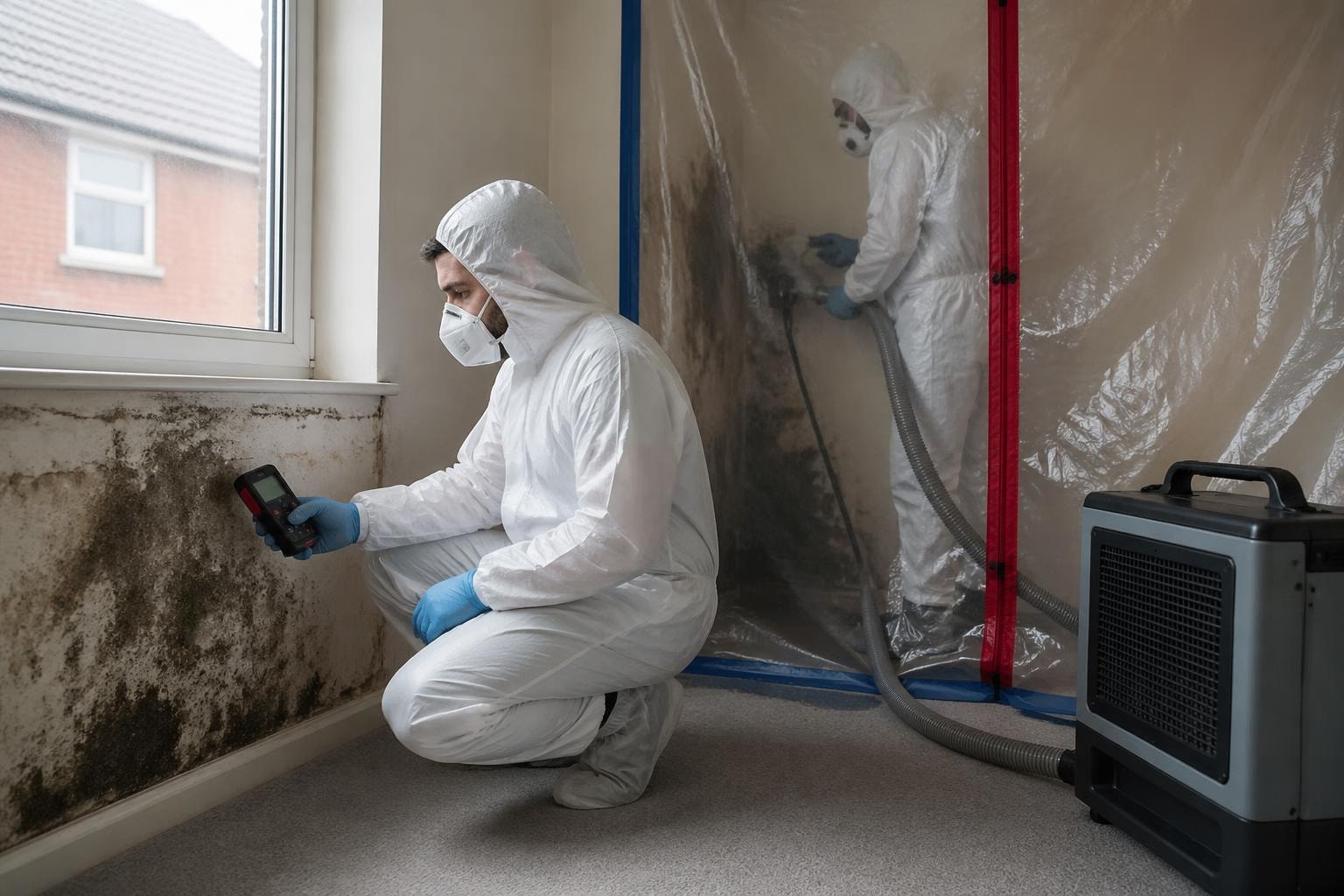
Black mould represents one of the most serious property maintenance challenges facing UK homeowners and landlords. This toxic fungus, scientifically known as Stachybotrys chartarum, thrives in damp, poorly ventilated environments and can cause significant health issues alongside structural damage. Understanding the proper approaches to black mould removal is essential for protecting both property value and occupant wellbeing. This comprehensive guide explores the identification, risks, removal methods, and prevention strategies necessary for effectively managing black mould infestations.
Understanding Black Mould and Its Dangers
Black mould differs from common household mildew in both appearance and toxicity levels. Whilst most moulds appear grey or green, Stachybotrys chartarum presents as dark black or greenish-black patches with a slimy texture when active. This distinction matters because health risks associated with black mould are considerably more severe than those posed by ordinary moulds.
The fungus produces mycotoxins that become airborne and can trigger respiratory problems, allergic reactions, and chronic health conditions. Vulnerable populations including children, elderly individuals, and those with compromised immune systems face heightened risks from exposure.
Health Implications
Prolonged exposure to black mould can manifest through various symptoms:
- Persistent coughing and wheezing
- Chronic sinus congestion and headaches
- Skin rashes and irritation
- Fatigue and concentration difficulties
- Aggravation of asthma and other respiratory conditions
Medical research has established clear connections between black mould exposure and serious respiratory complications. The mycotoxins released can penetrate deep into lung tissue, potentially causing long-term damage even after the mould source has been eliminated.
Identifying Black Mould Infestations
Successful black mould removal begins with accurate identification. Property owners should conduct regular inspections of areas prone to moisture accumulation, particularly following water damage incidents or during winter months when condensation increases.
Visual and Olfactory Indicators
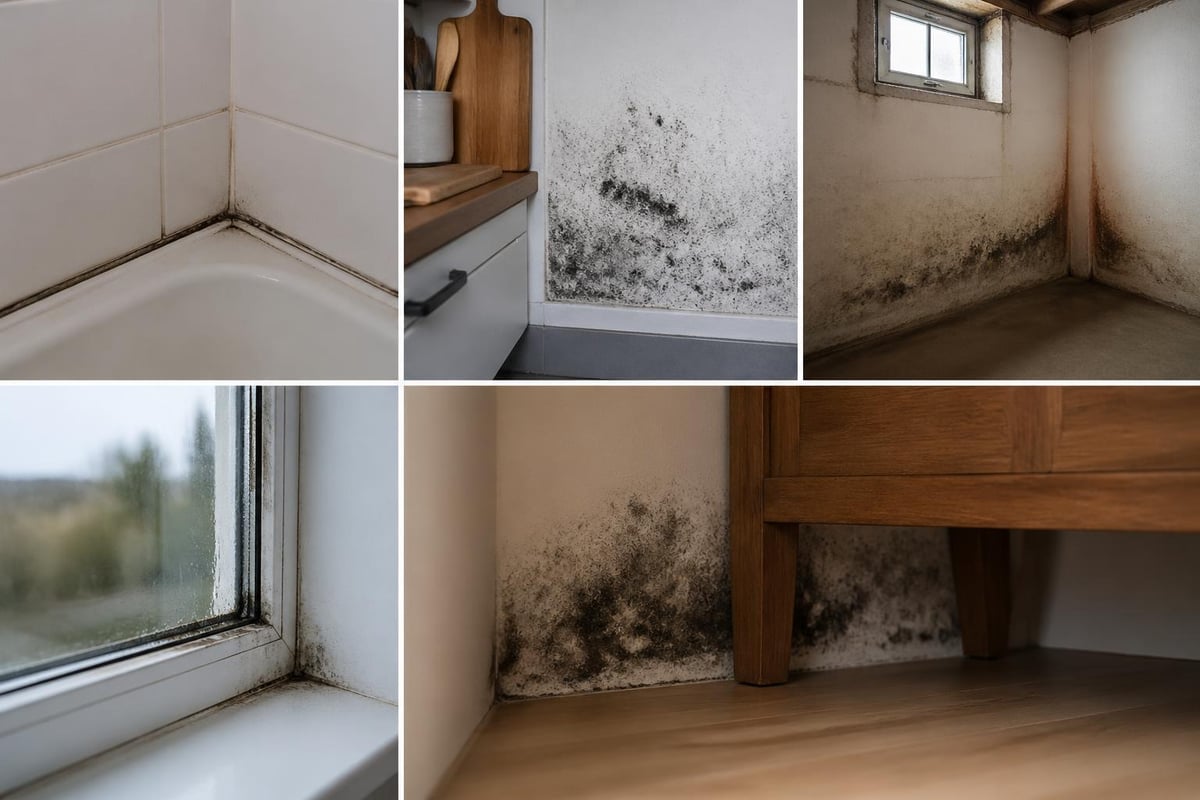
Black mould typically appears in moisture-rich environments and produces a distinctive musty, earthy odour. Key visual indicators include:
- Dark black or dark green patches on walls, ceilings, or grout
- Discoloured, peeling, or bubbling paint and wallpaper
- Warped or stained building materials
- Visible water damage or persistent dampness
- Condensation patterns on windows and cold surfaces
The distinctive smell often precedes visible growth, particularly when mould develops within wall cavities or beneath flooring. This early warning sign should prompt immediate investigation.
DIY Versus Professional Black Mould Removal
The decision between attempting DIY black mould removal and engaging professional services depends on several critical factors. Small, superficial patches affecting less than one square metre may be manageable through careful DIY approaches, whilst extensive infestations require professional intervention.
| Assessment Factor | DIY Appropriate | Professional Required |
|---|---|---|
| Affected Area | Less than 1m² | Greater than 1m² |
| Location | Surface-level, accessible | Behind walls, HVAC systems |
| Cause | Known, resolved | Unknown, ongoing moisture |
| Health Concerns | No vulnerable occupants | Children, elderly, immune-compromised |
| Structural Impact | Cosmetic only | Material damage evident |
According to professional remediation standards, attempting DIY removal on extensive infestations can actually worsen the problem by dispersing spores throughout the property. Inadequate protection and improper cleaning techniques frequently lead to incomplete removal and rapid regrowth.
When DIY May Be Suitable
For minor surface mould on non-porous materials, homeowners can attempt removal using appropriate safety measures. This requires:
- N95 or FFP2 respiratory protection
- Protective eyewear and waterproof gloves
- Adequate ventilation throughout the process
- Proper disposal of contaminated materials
However, even small patches warrant investigation into the underlying moisture source. Treating symptoms without addressing causes ensures recurrence.
Professional Black Mould Removal Process
Expert intervention for effective removal follows established protocols that ensure complete remediation whilst protecting occupants and preventing cross-contamination. Professional services employ advanced equipment and proven methodologies unavailable to homeowners.
Initial Assessment and Testing
Certified specialists begin with comprehensive property inspections to identify all affected areas, including hidden growth. This phase incorporates:
- Visual examination of all susceptible areas
- Moisture mapping using thermal imaging and hygrometers
- Air quality sampling to measure spore concentrations
- Material testing to determine contamination depth
- Source identification and moisture intrusion analysis
These assessments inform the remediation strategy and help establish whether structural repairs will be necessary. Professional Mould Assessment services provide detailed reports documenting findings and recommendations, which prove valuable for insurance claims and property transactions.
Containment and Safety Protocols
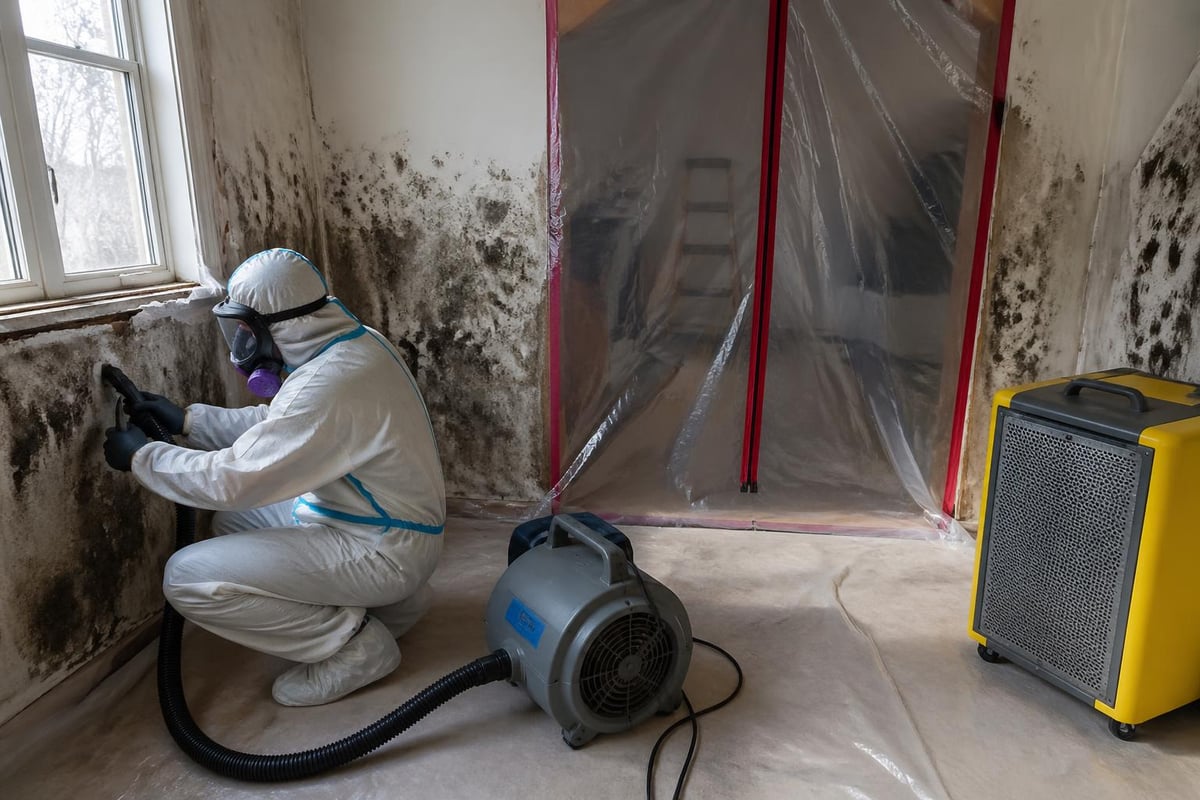
Professional black mould removal requires strict containment to prevent spore dispersal. Technicians establish isolated work zones using:
- Physical barriers with sealed polyethylene sheeting
- Negative air pressure systems with HEPA filtration
- Dedicated entry and exit points with decontamination areas
- Complete sealing of HVAC systems and ventilation
- Protection of unaffected areas and furnishings
Workers utilise full personal protective equipment including respirators, protective suits, and eye protection. These measures ensure remediation occurs safely without contaminating clean areas or exposing occupants to elevated spore levels.
Removal and Decontamination
The actual removal process varies based on material porosity and contamination extent. Non-porous surfaces like glass, metal, and sealed tiles can be thoroughly cleaned and disinfected. However, porous materials including drywall, insulation, carpeting, and ceiling tiles typically require complete removal and disposal.
Professional technicians employ specialised antimicrobial treatments and cleaning solutions specifically formulated for black mould removal. HEPA vacuuming captures loose spores, whilst controlled misting prevents airborne dispersal during material removal. All contaminated materials are sealed in heavy-duty bags before removal from the property.
Addressing Underlying Moisture Issues
Successful black mould removal extends beyond eliminating visible growth. Without resolving the moisture problems that enabled mould development, recurrence becomes inevitable. Professional remediation includes identifying and rectifying these underlying causes.
Common Moisture Sources
UK properties face numerous moisture challenges:
- Roof leaks and damaged flashing
- Plumbing failures and hidden pipe leaks
- Rising damp from inadequate damp-proof courses
- Condensation from poor ventilation
- Penetrating damp through walls and foundations
- Bathroom and kitchen steam accumulation
Thermal imaging and moisture meters help specialists locate hidden water sources that may not be immediately apparent. These diagnostic tools prove essential for comprehensive problem resolution.
Remedial Actions
Effective moisture control requires tailored solutions:
| Issue | Solution |
|---|---|
| Inadequate Ventilation | Install mechanical ventilation, improve airflow |
| Condensation | Upgrade insulation, reduce humidity sources |
| Plumbing Leaks | Repair pipes, replace damaged fixtures |
| Structural Defects | Repair roof damage, repoint masonry |
| Rising Damp | Install/repair damp-proof course, improve drainage |
Professional services ensure these corrections meet UK building regulations and provide long-term protection against moisture intrusion. The investment in proper moisture management proves far more cost-effective than repeated black mould removal treatments.
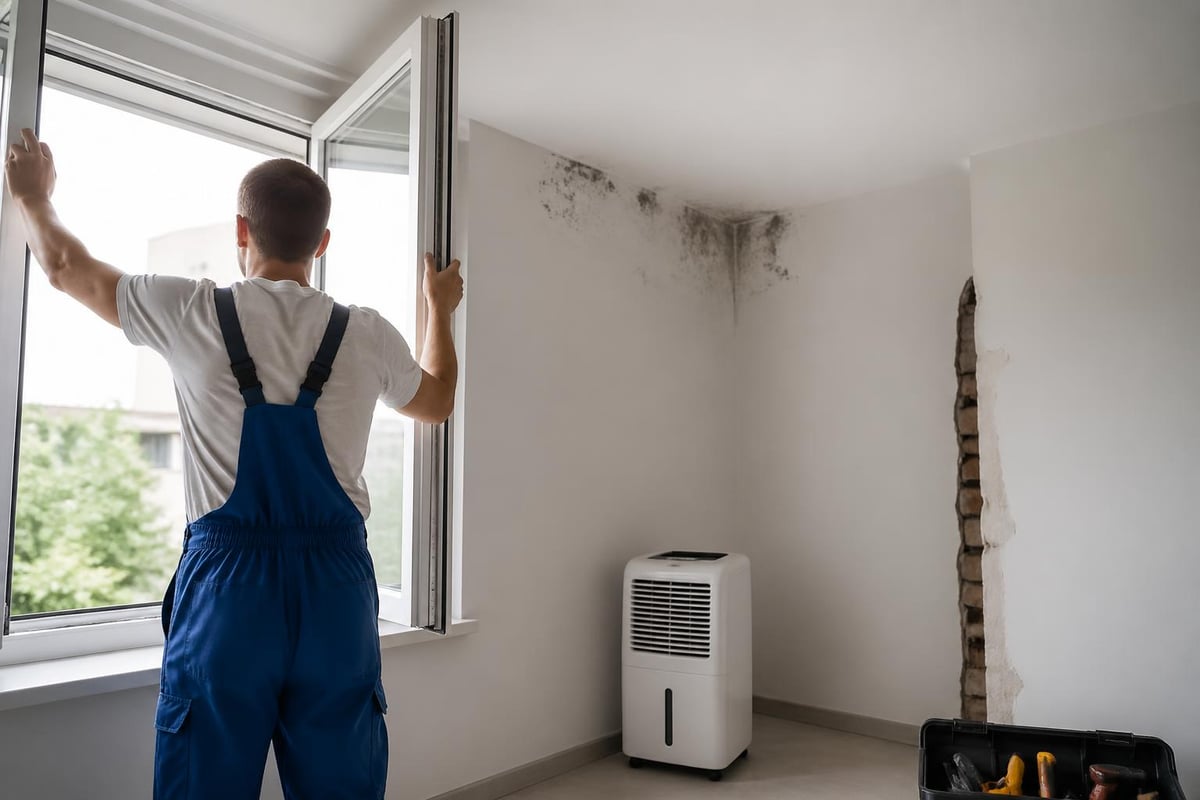
Prevention and Ongoing Maintenance
Preventing black mould proves significantly easier and less expensive than remediation. Property owners should implement proactive strategies that maintain optimal humidity levels and promote air circulation.
Humidity Control Measures
Maintaining indoor relative humidity between 40-60% creates an inhospitable environment for mould growth. Effective control methods include:
- Installing and regularly emptying dehumidifiers in prone areas
- Using bathroom and kitchen extractor fans during and after moisture-generating activities
- Opening windows regularly to promote air exchange
- Avoiding drying laundry indoors without adequate ventilation
- Monitoring humidity levels with hygrometers
These simple measures dramatically reduce mould risk whilst improving overall indoor air quality and comfort.
Regular Inspection and Maintenance
Proactive monitoring helps identify potential problems before they escalate:
- Quarterly visual inspections of bathrooms, kitchens, and basements
- Annual roof and gutter cleaning to prevent water intrusion
- Prompt repair of any plumbing leaks or water damage
- Seasonal checks of window seals and exterior cladding
- Professional property surveys following any flooding or major water events
Early detection allows for simple interventions that prevent costly remediation projects. Property owners should maintain records of inspections and any corrective actions taken.
Legal Obligations and Standards
UK landlords bear legal responsibilities regarding mould and damp under the Homes (Fitness for Human Habitation) Act 2018. Properties must remain free from serious health hazards, including black mould infestations that could harm tenant wellbeing.
Landlord Responsibilities
Rental property owners must:
- Respond promptly to tenant reports of mould or damp
- Conduct investigations to identify causes
- Commission appropriate remedial works
- Ensure adequate ventilation systems function properly
- Maintain the property structure to prevent moisture ingress
Failure to address black mould issues can result in legal action, enforcement notices from local authorities, and significant financial penalties. Tenants possess rights to take action if landlords neglect these obligations.
Professional Certification and Compliance
Engaging certified specialists ensures black mould removal meets industry standards and regulatory requirements. Professional companies should demonstrate:
- Relevant qualifications and industry certifications
- Comprehensive insurance coverage
- Adherence to Health and Safety Executive guidelines
- Quality management systems ensuring consistent standards
- Documented procedures and detailed reporting
These credentials provide assurance that remediation will be conducted safely and effectively whilst complying with all applicable regulations.
Cost Considerations
Black mould removal costs vary significantly based on infestation extent, property accessibility, and necessary structural repairs. Understanding these factors helps property owners budget appropriately and make informed decisions.
Pricing Factors
Several elements influence total remediation costs:
- Affected area size and number of locations
- Material types requiring treatment or replacement
- Accessibility challenges requiring special equipment
- Extent of structural damage needing repair
- Required testing and air quality verification
- Prevention measures and moisture control systems
Professional assessments provide detailed quotations outlining all necessary work. Whilst costs may initially seem substantial, proper remediation prevents far more expensive structural damage and protects property values.
Long-term Value
Investing in comprehensive black mould removal and prevention delivers multiple benefits:
- Protects occupant health and wellbeing
- Preserves property value and marketability
- Reduces energy costs through improved building performance
- Prevents escalating structural damage
- Ensures compliance with legal requirements
- Provides documentation for insurance and property transactions
Property owners should view black mould removal as essential maintenance rather than optional expense. The consequences of neglect far exceed the costs of proper treatment.
Selecting Professional Services
Choosing qualified specialists ensures effective black mould removal and lasting results. Property owners should evaluate potential contractors carefully, considering expertise, credentials, and service comprehensiveness.
Essential Qualifications
Reputable professionals demonstrate:
- Industry-recognised certifications in mould remediation
- Documented experience with black mould specifically
- Comprehensive liability and professional indemnity insurance
- Positive customer reviews and verifiable references
- Transparent pricing and detailed scope of work documents
Companies should willingly provide credentials and explain their methodologies. Reluctance to share qualifications or provide written guarantees suggests inadequate expertise.
Service Scope Evaluation
Comprehensive professional mould removal and remediation services should include all necessary elements:
- Thorough initial assessment and testing
- Complete containment and safety protocols
- Remediation following industry best practices
- Moisture source identification and correction
- Post-remediation verification testing
- Detailed documentation and recommendations
Companies offering only partial services or skipping critical steps like containment or verification may leave problems unresolved. Thorough remediation requires systematic approaches addressing all aspects of the infestation.
Black mould removal requires prompt, comprehensive action to protect both property integrity and occupant health. Understanding the risks, proper remediation protocols, and prevention strategies empowers property owners to address these challenges effectively. Mouldsurv Ltd provides certified mould and damp solutions across Essex, London, and Kent, delivering professional inspections, testing, and remediation services that ensure complete compliance with UK legislation and lasting protection for your property.