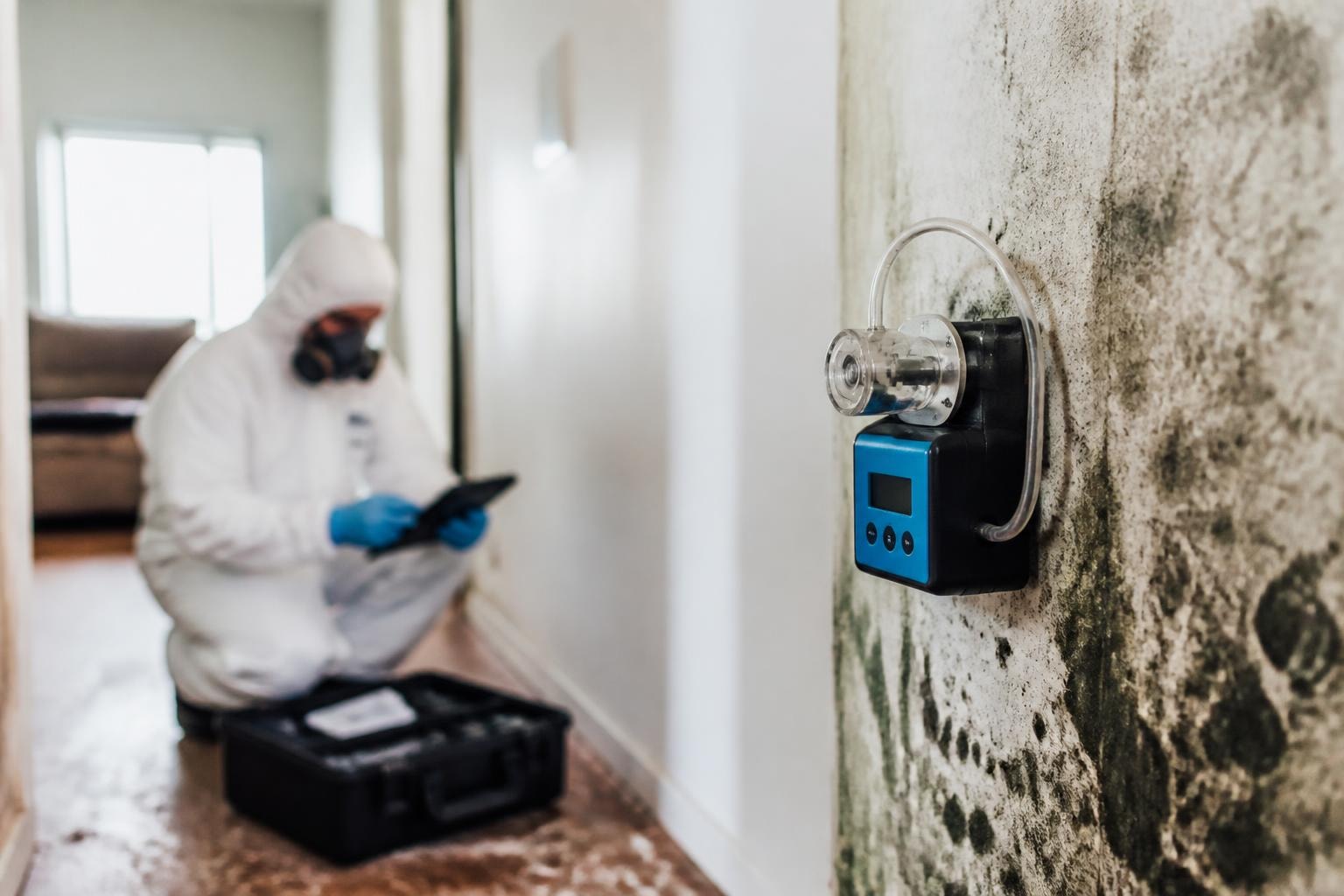
Understanding the quality of the air we breathe has become increasingly critical for property owners, facilities managers, and health professionals across the United Kingdom. Air sampling provides essential data about invisible contaminants, allergens, and pollutants that can significantly impact occupant health and wellbeing. Through systematic collection and analysis of airborne particles, professionals can identify problems ranging from mould contamination to chemical exposure, enabling targeted remediation and preventative measures.
What Is Air Sampling and Why Does It Matter
Air sampling involves the systematic collection of air samples from indoor or outdoor environments to measure concentrations of specific contaminants, particles, or biological agents. This scientific process enables professionals to quantify what cannot be seen with the naked eye, providing objective evidence of air quality conditions.
The importance of proper air sampling extends far beyond simple curiosity about what we breathe. For property managers dealing with suspected mould growth, air sampling offers definitive proof of spore concentrations and species identification. This data becomes crucial when determining the scope of remediation work, satisfying insurance requirements, or demonstrating compliance with health and safety regulations.
Key applications include:
- Identifying mould species and concentration levels
- Detecting volatile organic compounds (VOCs)
- Measuring particulate matter concentrations
- Assessing occupational exposure risks
- Verifying remediation effectiveness
- Establishing baseline air quality metrics
The U.S. Environmental Protection Agency provides comprehensive guidance on exposure assessment tools, emphasizing that proper sampling methodologies form the foundation of accurate environmental health investigations.
Types of Air Sampling Methods
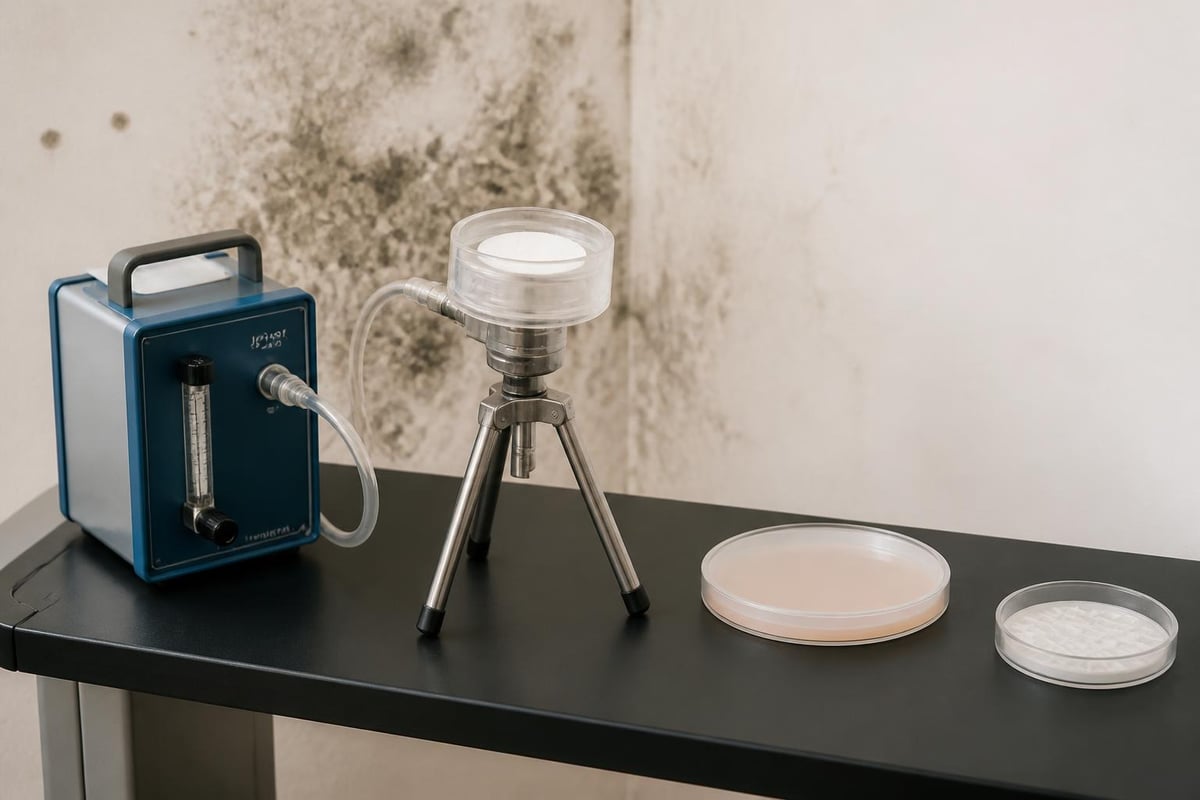
Different situations demand different approaches to collecting airborne samples. Understanding these methodologies helps professionals select the most appropriate technique for specific investigation goals.
Active Air Sampling
Active air sampling uses mechanical pumps to draw known volumes of air through collection media. This method provides quantitative data, measuring contaminant concentrations per cubic metre of air. Professionals typically employ this technique when precise measurements are essential for compliance verification or health risk assessment.
The process involves calibrated pumps pulling air through filters, impactors, or other collection devices at controlled flow rates. Sample duration and volume depend on expected contaminant levels and detection limits required. Active sampling excels at capturing airborne mould spores, allowing laboratories to identify specific species and calculate spore concentrations with scientific precision.
| Method Component | Function | Typical Application |
|---|---|---|
| Impaction samplers | Capture spores on agar plates | Viable mould analysis |
| Cassette samplers | Collect particles on slides | Non-viable spore counting |
| Filter samplers | Trap particles for chemical analysis | VOC detection |
| Personal samplers | Monitor worker exposure | Occupational health |
Passive Air Sampling
Passive methods rely on natural air movement and gravity rather than mechanical pumps. Settle plates, for instance, collect particles that fall from the air over extended periods. Whilst less quantitative than active methods, passive sampling offers simplicity and lower costs for preliminary assessments.
This approach works particularly well for identifying surface contamination sources and understanding general contamination patterns. However, professionals must recognize its limitations when making critical decisions about remediation scope or health risks.
Grab Sampling
Grab sampling captures instantaneous air samples in containers for later analysis. This technique suits situations requiring chemical analysis of gases or volatile compounds. Professionals collect samples in specialized bags, canisters, or syringes, then transport them to laboratories for detailed compositional analysis.
According to research on VOC sampling methods, continuous and intermittent sampling approaches each offer distinct advantages depending on the investigation objectives and contaminant characteristics.
Planning an Effective Air Sampling Strategy
Successful air sampling programmes require careful planning before any equipment arrives on site. The ASTM E1370-14 standard emphasizes that well-formulated sampling strategies protect both workers and building occupants by ensuring data collection addresses specific assessment goals.
Essential planning considerations:
- Define clear objectives for the investigation
- Identify target contaminants or conditions
- Determine appropriate sampling locations
- Select suitable sampling methods and equipment
- Establish quality control procedures
- Plan for data analysis and interpretation
Sample location selection profoundly affects result validity. Professionals must consider air circulation patterns, proximity to suspected contamination sources, and occupant activity areas. The EPA's guidance on air sensor placement provides valuable insights into factors affecting accurate monitoring, including avoiding obstructions and considering representative exposure scenarios.
Indoor investigations typically require multiple sampling locations. Collecting samples from both affected areas and control zones enables meaningful comparisons. A bedroom with visible mould growth, for example, should be sampled alongside an unaffected room to establish background contamination levels.
Sample Collection Best Practices
Proper execution during sample collection determines the reliability of all subsequent analysis and decision-making. Professionals must maintain chain of custody, avoid cross-contamination, and ensure equipment calibration meets manufacturer specifications.
Before sampling begins, document environmental conditions including temperature, humidity, and recent weather patterns. These factors significantly influence airborne particle concentrations and should inform result interpretation. Photography of sampling locations and visible conditions creates valuable context for laboratory analysts and clients.
Equipment calibration cannot be overlooked. Flow rates must be verified before and after sampling to ensure accurate volume measurements. Even minor deviations can substantially affect calculated concentrations, potentially leading to incorrect remediation decisions or failed compliance demonstrations.
Timing and Duration Considerations
Sample timing affects what airborne contaminants are captured. Mould spore concentrations, for instance, fluctuate throughout the day and respond to disturbances like cleaning activities or HVAC system operation.
Short-duration samples provide snapshots of current conditions but may miss intermittent peak exposures. Extended sampling captures time-weighted averages, smoothing out temporary fluctuations to represent typical conditions. The investigation purpose determines which approach serves client needs most effectively.
For comprehensive Indoor Air Quality Testing, professionals often combine multiple sampling durations and times to characterize both baseline conditions and worst-case scenarios that occupants might experience during normal property use.
Laboratory Analysis and Interpretation

Raw samples require expert laboratory analysis to transform collected material into meaningful information. Analysis methods vary depending on sample type and investigation objectives.
Common analytical approaches include:
- Microscopic examination for spore identification
- Culturable analysis growing viable organisms
- DNA-based species identification
- Chemical analysis for VOCs or other compounds
- Particle counting and size distribution
Microscopic analysis of non-viable samples enables rapid identification and quantification of mould spores, including those no longer capable of growth. This approach provides comprehensive pictures of airborne contamination, capturing both living and dead organisms that may still trigger allergic responses.
Culturable analysis grows collected organisms on nutrient media, allowing identification of viable species and their concentrations. This method proves particularly valuable when determining if active mould growth exists or if remediation has successfully eliminated living organisms.
Results interpretation requires expertise beyond simple number comparison. Context matters enormously. Outdoor control samples establish natural background levels, whilst building history, occupant symptoms, and visual observations inform whether elevated readings indicate genuine problems requiring intervention.
The UK Environment Agency guidance on monitoring techniques emphasizes selecting measurement methods appropriate to investigation objectives and interpretation frameworks.
Air Sampling for Mould Investigations
Mould investigations represent one of the most common applications of air sampling in residential and commercial properties. Spore concentrations provide objective evidence supporting or refuting visible observations and occupant complaints.
Professional mould assessments typically combine air sampling with surface sampling and visual inspection. Air samples alone rarely tell complete stories. A property might show elevated airborne spore levels from external sources whilst having no internal mould growth problems. Conversely, contained mould growth behind walls may not significantly elevate air concentrations until disturbance occurs.
Sample interpretation follows established guidelines comparing indoor concentrations to outdoor baselines. Significantly elevated indoor levels, presence of indicator species, or unusual spore diversity patterns suggest internal contamination sources requiring investigation and potential remediation.
| Interpretation Factor | Significance | Action Threshold |
|---|---|---|
| Indoor vs outdoor ratio | Indicates internal sources | >2:1 requires investigation |
| Indicator species presence | Suggests water damage | Any detection warrants concern |
| Total spore concentration | Overall contamination level | Compare to regional baselines |
| Spore diversity | Ecosystem complexity | Unusual patterns need assessment |
Post-remediation verification relies heavily on air sampling to demonstrate successful contamination removal. Clearance testing confirms spore concentrations have returned to acceptable levels and no viable organisms remain in treated areas.
Regulatory Framework and Standards
Air sampling practices in the United Kingdom operate within frameworks established by various regulatory bodies and professional organizations. Whilst specific mould spore concentration limits are not statutorily defined, Health and Safety Executive guidance and industry standards inform acceptable practice.
The CDC provides guidance on environmental sampling factors, emphasizing that device selection and sampling protocols should align with investigation objectives and established scientific principles.
For occupational exposure assessment, workplace exposure limits (WELs) exist for specific chemicals and particulates. Employers must ensure air sampling programmes adequately characterize worker exposures and demonstrate compliance with Control of Substances Hazardous to Health (COSHH) regulations.
Quality assurance requirements demand documented procedures, calibrated equipment, accredited laboratories, and trained personnel. Professional certifications and laboratory accreditations provide clients confidence that sampling and analysis meet recognized standards.
Emerging Technologies and Future Developments
Air sampling technology continues evolving rapidly. Traditional methods requiring laboratory analysis are being complemented by real-time sensors and monitors providing immediate results. These devices enable continuous monitoring and rapid response to changing conditions.

Recent research on IoT integration in air pollution monitoring demonstrates how combining sensor networks with big data analytics and machine learning creates sophisticated monitoring systems. These technologies enable pattern recognition, predictive modelling, and automated alerting when conditions exceed predetermined thresholds.
Portable direct-reading instruments now measure multiple parameters simultaneously, including particle counts, VOC levels, temperature, and humidity. This integration provides comprehensive environmental characterization during single site visits, reducing investigation costs and accelerating decision-making.
However, technology advancement does not eliminate the need for professional interpretation. Sensors provide data; experienced professionals transform data into actionable intelligence. Understanding building systems, occupant behaviour, and contamination source characteristics remains essential for effective problem-solving.
Common Pitfalls and How to Avoid Them
Even experienced professionals encounter challenges during air sampling investigations. Recognizing common mistakes helps prevent invalid results and incorrect conclusions.
Frequent errors include:
- Insufficient sample quantity for statistical validity
- Poor location selection missing contamination sources
- Inadequate environmental documentation
- Timing samples during unrepresentative conditions
- Neglecting outdoor control samples
- Improper sample handling causing contamination
- Over-reliance on single sampling events
Sample contamination represents a particularly insidious problem. Opening sample media unnecessarily, sampling near obvious contamination sources without appropriate precautions, or failing to maintain equipment cleanliness all introduce errors that may lead to false positive results.
Conversely, sampling only during optimal conditions may produce false negatives. A property with intermittent HVAC-distributed contamination might test clean when systems are inactive, missing the exposures occupants actually experience during normal operation.
Statistical considerations matter when making important decisions. Single samples provide limited confidence; multiple samples from various locations and times build comprehensive pictures supporting reliable conclusions. The EPA's ambient air monitoring guidance discusses systematic approaches to monitoring network design applicable to indoor investigations.
Communicating Results to Clients
Technical accuracy means little if clients cannot understand what results mean for their properties and occupants. Effective communication bridges the gap between scientific data and practical decision-making.
Reports should clearly state investigation objectives, describe sampling methods and locations, present results in understandable formats, and provide clear recommendations. Avoid unnecessary jargon whilst maintaining technical credibility. Tables, graphs, and photographs help non-technical readers grasp key findings.
Context is crucial. Explaining what "elevated" means in practical terms helps clients understand urgency levels. A concentration twice outdoor levels carries different implications than readings ten times higher. Relating findings to health risks, regulatory requirements, or industry benchmarks creates meaningful reference points.
Recommendations should be specific and actionable. Rather than vague suggestions to "improve ventilation," provide concrete steps with approximate costs and timelines. Clients need sufficient information to make informed decisions about remediation investments and health risk management.
Transparency about limitations matters as well. Air sampling provides valuable data but cannot answer every question. Acknowledging what remains uncertain maintains trust and sets realistic expectations for follow-up investigations or monitoring programmes.
Air sampling provides essential insights into indoor environmental quality, enabling property professionals to identify contamination, verify remediation success, and protect occupant health through evidence-based decision-making. From understanding different sampling methodologies to interpreting complex laboratory results, this systematic approach transforms invisible air quality concerns into measurable, manageable data that drives effective property management strategies. Whether you're dealing with suspected mould contamination, unexplained occupant symptoms, or regulatory compliance requirements across Essex, London, or Kent, Mouldsurv Ltd delivers comprehensive air sampling and testing services backed by UK certification and industry-leading expertise to safeguard your property and its occupants.