
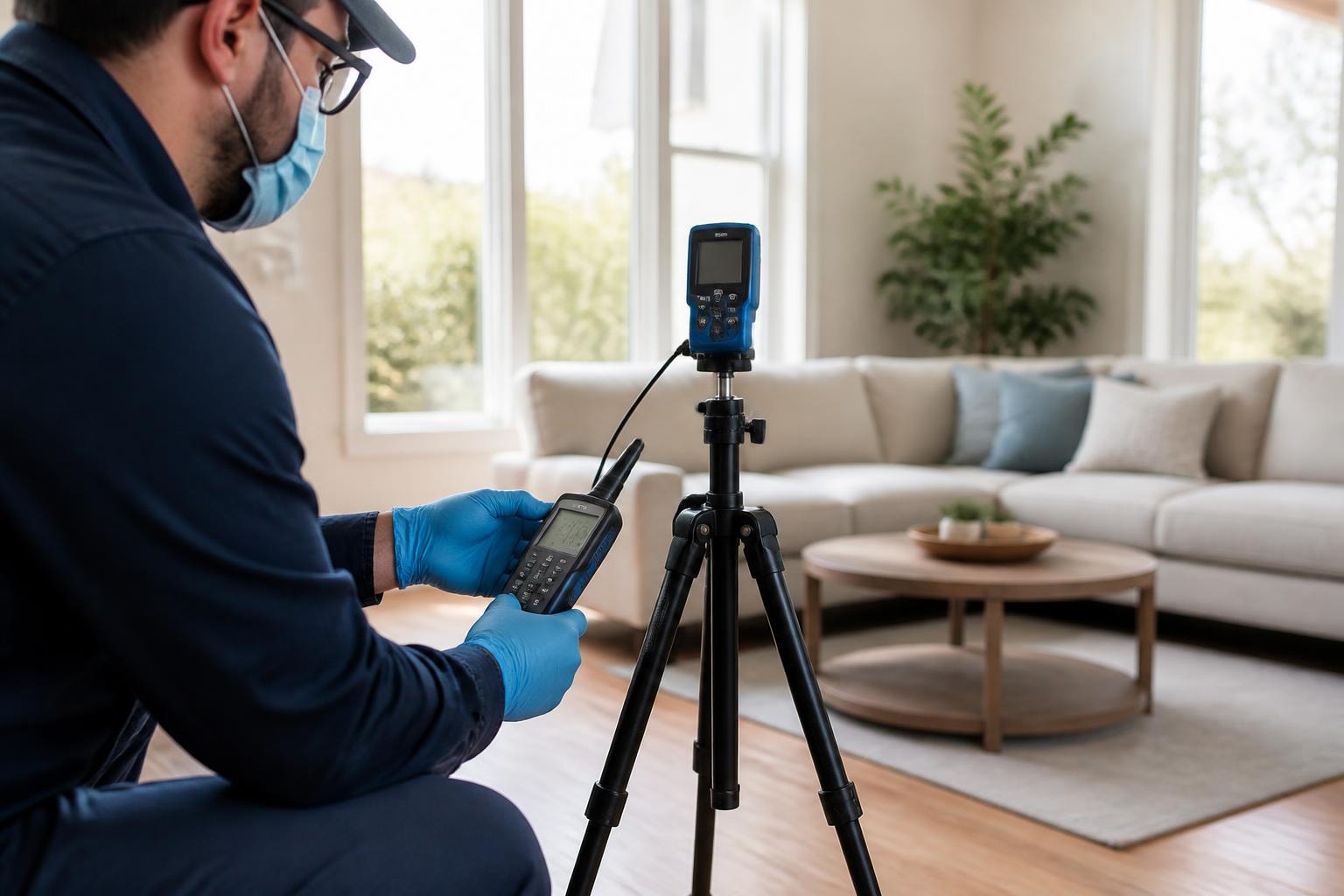
An air quality survey represents a systematic approach to measuring, analysing, and documenting the levels of various pollutants within indoor and outdoor environments. As concerns about respiratory health, building-related illnesses, and environmental compliance continue to grow throughout 2026, understanding the fundamentals of air quality assessments has become essential for property owners, facilities managers, and health professionals across the UK. This comprehensive examination of air quality surveys explores their purpose, methodology, applications, and significance in maintaining healthy living and working environments.
Understanding Air Quality Surveys
An air quality survey encompasses far more than simply measuring airborne particles. It involves a structured methodology for identifying, quantifying, and evaluating contaminants that may affect human health, comfort, or productivity within a given space.
The scope of these assessments typically includes measuring particulate matter, volatile organic compounds (VOCs), carbon dioxide, carbon monoxide, humidity levels, temperature, and biological contaminants such as mould spores. According to the U.S. Environmental Protection Agency's framework, comprehensive air quality monitoring serves as the foundation for protecting public health and establishing effective environmental controls.
Primary Objectives
Air quality surveys serve multiple critical functions across residential, commercial, and industrial settings. These assessments provide baseline data that informs decision-making processes, regulatory compliance, and health protection strategies.
Key objectives include:
- Identifying pollutant sources and concentrations
- Assessing compliance with health and safety regulations
- Detecting hidden hazards such as mould contamination
- Evaluating ventilation system performance
- Establishing baseline conditions for remediation projects
- Supporting insurance claims and legal documentation
The increasing sophistication of monitoring equipment now allows professionals to detect contaminants at previously unmeasurable levels, enhancing the precision and value of modern air quality surveys.

Types of Air Quality Assessments
Different situations demand varying approaches to air quality evaluation. Understanding these distinctions helps property owners select the most appropriate assessment methodology for their specific circumstances.
| Assessment Type | Duration | Primary Use | Typical Cost Range |
|---|---|---|---|
| Screening Survey | 2-4 hours | Initial evaluation | £300-£600 |
| Comprehensive Assessment | 1-3 days | Detailed analysis | £800-£2,500 |
| Continuous Monitoring | Ongoing | Long-term tracking | £200-£500/month |
| Post-Remediation Verification | 4-8 hours | Treatment validation | £400-£900 |
Indoor Air Quality Surveys
Indoor environments present unique challenges due to limited ventilation, concentrated pollutant sources, and the cumulative effect of materials, furnishings, and human activities. An air quality survey conducted indoors typically focuses on parameters directly affecting occupant health and comfort.
Modern indoor assessments employ both real-time monitoring devices and laboratory-analysed samples. Real-time instruments provide immediate feedback on temperature, humidity, carbon dioxide, and particulate matter, whilst collected samples undergo detailed laboratory analysis for mould spores, bacteria, and chemical compounds.
For properties experiencing moisture problems, Indoor Air Quality Testing becomes particularly crucial, as elevated mould spore concentrations can indicate hidden contamination within building cavities, beneath flooring, or behind walls.
Outdoor Air Quality Monitoring
Outdoor air quality surveys follow different protocols, often focusing on regional pollutants, industrial emissions, and traffic-related contaminants. The EPA's ambient air monitoring programmes establish standards for outdoor assessments that support regulatory compliance and public health protection.
These surveys typically measure:
- Nitrogen dioxide from vehicle emissions
- Sulphur dioxide from industrial processes
- Particulate matter (PM2.5 and PM10)
- Ozone concentrations
- Carbon monoxide levels
The Survey Methodology
Conducting an effective air quality survey requires systematic planning, appropriate equipment, and qualified personnel. The process typically unfolds across several distinct phases, each contributing essential data to the final assessment.
Pre-Assessment Planning
Before any sampling occurs, surveyors conduct thorough background research and site evaluation. This preparatory phase identifies potential pollutant sources, reviews building systems, examines maintenance records, and interviews occupants about health concerns or environmental observations.
Critical planning elements include:
- Reviewing building plans and ventilation schematics
- Identifying complaint areas or symptomatic spaces
- Determining appropriate sampling locations
- Selecting suitable measurement parameters
- Establishing quality assurance protocols
This groundwork ensures that the air quality survey targets relevant concerns whilst maintaining scientific rigour and cost-effectiveness.
Sampling Techniques
Modern air quality assessments employ various sampling methodologies, each suited to specific contaminants and environmental conditions. Selection of appropriate techniques significantly influences data quality and analytical accuracy.
Direct-reading instruments provide immediate results for parameters such as temperature, relative humidity, carbon dioxide, and particulate matter. These devices offer real-time feedback that helps surveyors identify problem areas and adjust sampling strategies accordingly.
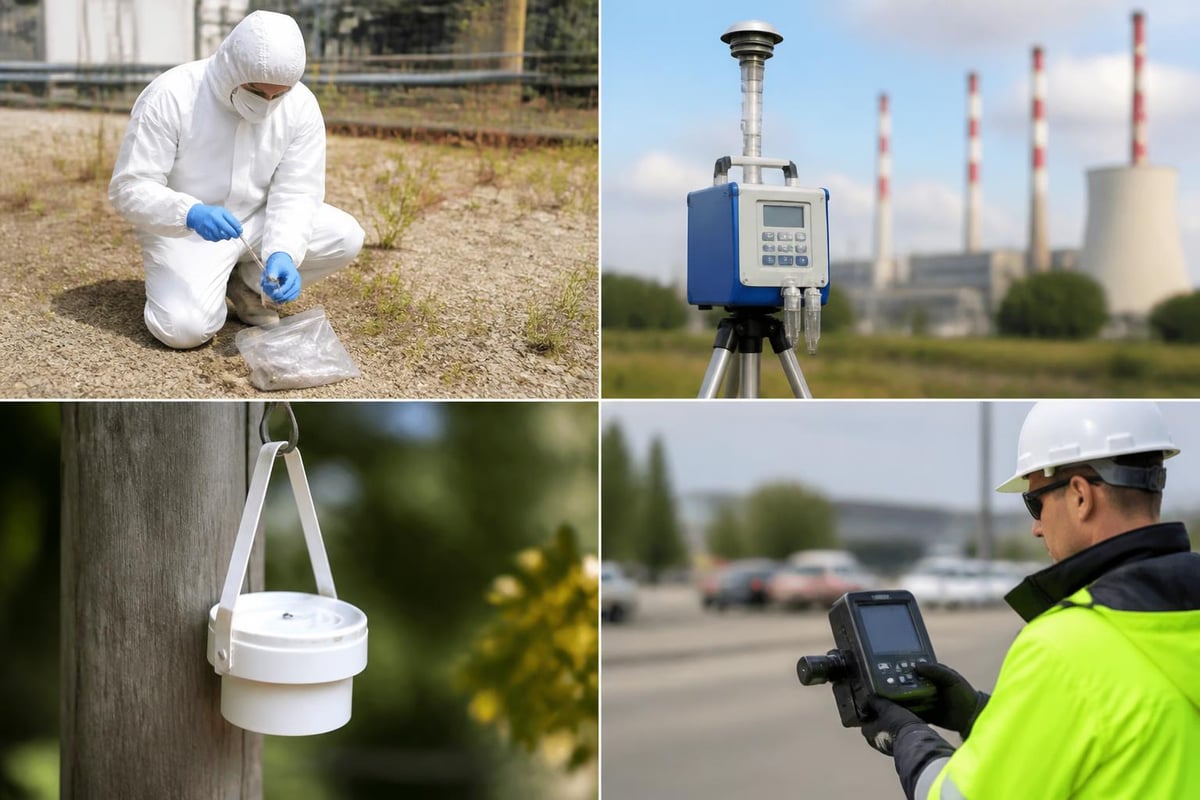
Collection-based sampling involves drawing air through filters, impactors, or absorption media for subsequent laboratory analysis. This approach suits microbiological assessments, VOC detection, and precise quantification of specific compounds.
| Sampling Method | Contaminants Detected | Analysis Time | Accuracy Level |
|---|---|---|---|
| Gravimetric | Particulate matter | 24-48 hours | High |
| Impaction | Mould spores, bacteria | 3-7 days | Very high |
| Adsorption tubes | VOCs, formaldehyde | 5-10 days | High |
| Direct reading | CO₂, temperature, humidity | Immediate | Moderate to high |
Interpreting Survey Results
Raw data from an air quality survey requires expert interpretation to transform measurements into actionable insights. Understanding pollutant concentrations relative to established guidelines, occupancy patterns, and environmental context determines the significance of findings.
Regulatory Standards and Guidelines
The UK maintains specific standards for workplace air quality, whilst residential properties typically reference health-based guidelines from organisations such as Public Health England and the World Health Organization. An air quality survey compares measured concentrations against these benchmarks to assess risk levels.
For mould spore counts, interpretation proves particularly nuanced. Elevated indoor concentrations relative to outdoor samples generally indicate active growth, whilst specific species identification helps determine health risks and moisture source characteristics.
Risk Assessment
Beyond numerical comparisons, comprehensive air quality surveys include qualitative risk assessments that consider vulnerable populations, exposure duration, and cumulative effects. A concentration deemed acceptable in an industrial warehouse might prove problematic in a nursery or care home.
Professional surveyors stratify findings into risk categories:
- Immediate hazard: Requires urgent intervention
- Significant concern: Needs prompt remediation
- Moderate issue: Warrants monitoring and improvement
- Acceptable levels: Maintains current practices
- Optimal conditions: Represents best practice
Common Pollutants and Health Implications
An effective air quality survey identifies specific contaminants and their potential health effects. Understanding these relationships helps property owners prioritise remediation efforts and protect occupant wellbeing.
Biological Contaminants
Mould spores, bacteria, and allergens represent significant biological threats in damp or poorly ventilated buildings. These organisms thrive in moisture-rich environments and can trigger respiratory symptoms, allergic reactions, and immune responses.
According to emission source data, biological contaminants often originate from water intrusion, condensation, or inadequate humidity control. Addressing moisture sources proves essential for long-term contamination control.
Chemical Pollutants
Modern buildings contain numerous chemical emission sources, from cleaning products and furnishings to building materials and personal care items. An air quality survey typically screens for formaldehyde, benzene, toluene, and other VOCs that accumulate in poorly ventilated spaces.
Common chemical sources include:
- Pressed wood products releasing formaldehyde
- Paints and adhesives emitting VOCs
- Cleaning agents producing irritant compounds
- Combustion appliances generating carbon monoxide
- Photocopiers and printers releasing ozone
Chronic exposure to elevated chemical concentrations can cause headaches, fatigue, respiratory irritation, and more serious long-term health effects.
Applications Across Property Types
Different property categories present unique air quality challenges that require tailored survey approaches. Understanding sector-specific concerns helps optimise assessment strategies and remediation priorities.
Residential Properties
Homes experiencing dampness, condensation, or musty odours frequently benefit from air quality surveys. These assessments identify hidden mould growth, evaluate ventilation adequacy, and establish baseline conditions before renovation projects.
Modern homes with enhanced insulation and airtight construction often trap pollutants more effectively than older properties, making regular air quality monitoring increasingly important. Surveyors pay particular attention to kitchens, bathrooms, basements, and other moisture-prone areas.
Commercial Buildings
Office environments, retail spaces, and hospitality venues face distinct challenges related to occupancy density, equipment emissions, and mechanical ventilation systems. An air quality survey in commercial settings often investigates sick building syndrome complaints, productivity concerns, or regulatory compliance requirements.
Recent advances in machine learning applications enable sophisticated analysis of commercial building air quality data, identifying patterns and predicting contamination events before they affect occupants.
Educational and Healthcare Facilities
Schools, nurseries, hospitals, and care homes demand the highest air quality standards due to vulnerable populations and regulatory obligations. These facilities conduct regular air quality surveys to maintain compliance, protect at-risk individuals, and demonstrate duty of care.
Particular attention focuses on infection control, allergen management, and ensuring adequate fresh air exchange rates in densely occupied spaces.
Equipment and Technology
The reliability of an air quality survey depends heavily on instrumentation quality, calibration practices, and operator competency. Modern assessment technology ranges from affordable consumer devices to laboratory-grade equipment costing thousands of pounds.
Professional-Grade Instruments
Accredited surveyors employ certified equipment meeting recognised performance standards. These instruments undergo regular calibration and maintain documented accuracy within specified tolerances.
Essential professional equipment includes:
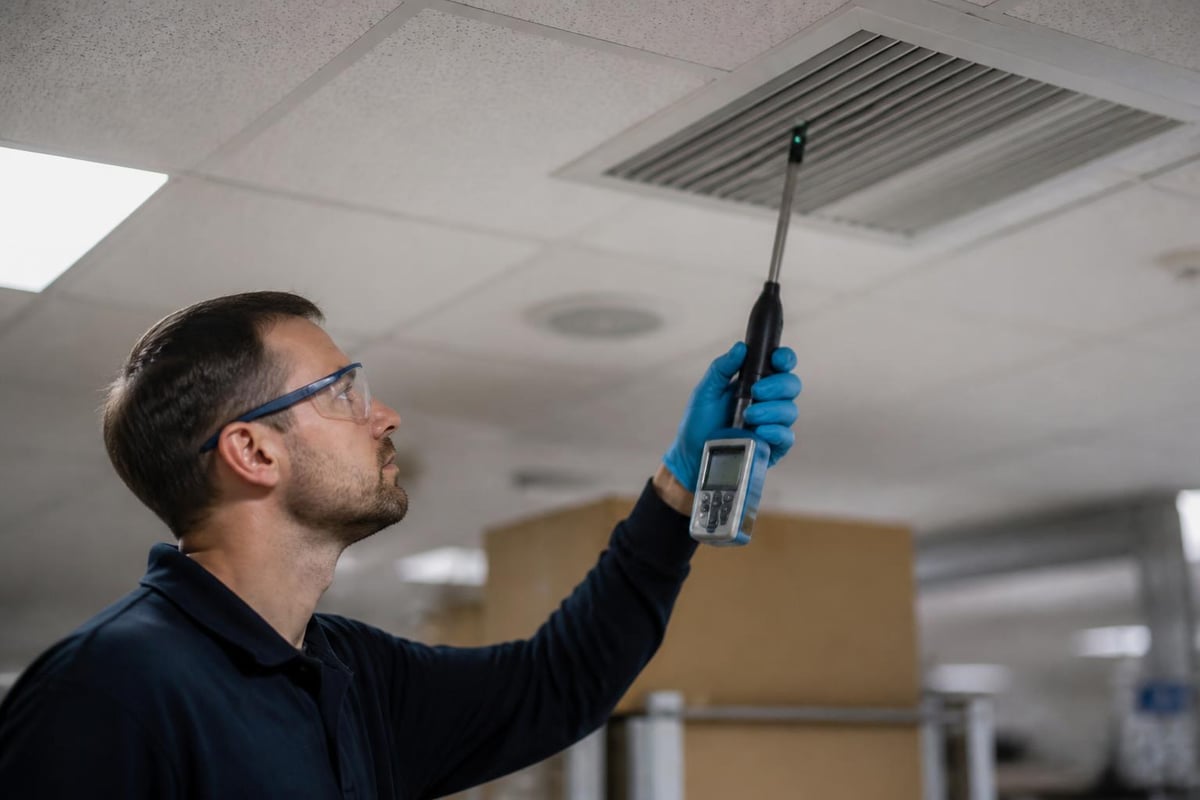
- Multi-parameter indoor air quality metres
- Laser particle counters for PM2.5 and PM10
- Thermal anemometers for airflow measurement
- Air sampling pumps with calibrated flow rates
- Humidity and temperature data loggers
- Infrared cameras for moisture detection
Investment in quality instrumentation ensures data integrity and supports defensible conclusions in regulatory or legal contexts.
Low-Cost Monitoring Solutions
Consumer-grade air quality monitors have proliferated in recent years, offering affordable continuous monitoring capabilities. However, critical analysis of low-cost sensors reveals significant calibration challenges and accuracy limitations compared to professional equipment.
Whilst these devices provide useful indicative data for homeowners, they cannot replace comprehensive air quality surveys conducted by qualified professionals using calibrated, certified equipment.
Quality Assurance and Accreditation
Ensuring data reliability requires robust quality assurance protocols throughout the survey process. From equipment calibration to sample handling and analytical procedures, systematic controls maintain result integrity.
Professional Standards
Reputable survey providers maintain accreditation to recognised standards such as ISO 17025 for testing and calibration laboratories. These certifications demonstrate technical competence, method validation, and quality management system implementation.
Field technicians should hold relevant qualifications in occupational hygiene, environmental monitoring, or building science. Continuous professional development ensures familiarity with evolving techniques, regulations, and best practices.
Chain of Custody
Sample collection, transportation, and analysis follow documented chain of custody protocols. This meticulous record-keeping ensures sample integrity, prevents contamination, and supports legal defensibility when air quality survey results inform regulatory actions or litigation.
Frequency and Timing Considerations
Determining when to conduct an air quality survey and how often to repeat assessments depends on property characteristics, occupancy patterns, and regulatory requirements. Strategic timing optimises data relevance and cost-effectiveness.
Baseline Assessments
New building occupancy, major renovations, or property acquisition typically warrant baseline air quality surveys. These initial assessments establish reference conditions against which future measurements can be compared.
Periodic Monitoring
Buildings with known contamination risks or sensitive occupants benefit from scheduled reassessments. Quarterly or annual surveys track long-term trends, verify remediation effectiveness, and detect emerging problems before they escalate.
Triggered Investigations
Specific events should prompt immediate air quality surveys:
- Water damage or flooding incidents
- Occupant health complaints
- Musty odours or visible mould growth
- HVAC system failures or modifications
- Introduction of new materials or processes
Prompt investigation following these triggers prevents minor issues from developing into serious contamination problems requiring extensive remediation services.
Data Management and Reporting
An air quality survey generates substantial data requiring organised management, analysis, and communication. Effective reporting translates technical findings into accessible information that supports informed decision-making.
Report Components
Comprehensive survey reports include executive summaries, methodology descriptions, detailed findings, comparative analysis against standards, risk assessments, and specific recommendations. Visual elements such as charts, graphs, and site plans enhance understanding and highlight critical issues.
Professional reports clearly distinguish between measured data, interpreted findings, and recommended actions. This transparency allows readers to evaluate conclusions independently and make informed decisions about remediation priorities.
Long-Term Data Tracking
Accessing air quality data sources and maintaining historical records enables trend analysis and supports continuous improvement initiatives. Properties conducting regular air quality surveys accumulate valuable datasets demonstrating environmental stewardship and supporting property valuations.
Digital data management systems facilitate comparison across multiple surveys, automated reporting, and integration with building management platforms for holistic environmental monitoring.
Remediation Planning
Survey results naturally inform remediation strategies when problematic conditions are identified. An effective air quality survey provides sufficient detail to support targeted interventions that address root causes rather than symptoms.
Prioritisation Strategies
Limited budgets often necessitate phased remediation approaches. Professional surveyors help prioritise interventions based on:
- Health risk severity: Address immediate hazards first
- Affected population: Protect vulnerable individuals
- Cost-effectiveness: Maximise impact per pound spent
- Feasibility: Consider technical and logistical constraints
- Regulatory compliance: Meet mandatory requirements
Verification Testing
Post-remediation air quality surveys confirm intervention effectiveness and establish new baseline conditions. These follow-up assessments should employ identical methodology to pre-treatment surveys, enabling direct comparison and demonstrating improvement quantitatively.
Clearance testing proves particularly important following mould remediation, where residual spore concentrations must return to acceptable levels before spaces can be safely reoccupied.
Regulatory Compliance
Various UK regulations touch upon air quality in workplace and residential settings. An air quality survey helps demonstrate compliance with health and safety obligations whilst supporting due diligence in property transactions.
Workplace Obligations
The Health and Safety at Work Act 1974 and associated regulations such as the Control of Substances Hazardous to Health (COSHH) require employers to assess and control workplace air quality. Regular surveys provide documented evidence of compliance and support risk management strategies.
Building Regulations
Part F of the Building Regulations addresses ventilation in new and refurbished buildings. Air quality surveys verify that installed systems achieve design performance and maintain adequate indoor air quality under actual operating conditions.
Housing Health and Safety Rating System
The Housing Health and Safety Rating System (HHSRS) identifies damp and mould growth as significant hazards. Landlords conducting air quality surveys demonstrate proactive management and may prevent enforcement action by identifying and addressing problems before they affect tenant health.
For property owners navigating compliance concerns, understanding complaints procedures and regulatory frameworks helps ensure appropriate responses to air quality issues.
Emerging Technologies and Future Trends
The field of air quality assessment continues evolving rapidly, with innovations in sensor technology, data analytics, and remote monitoring transforming traditional survey approaches. Understanding these developments helps property owners anticipate future capabilities and investment opportunities.
Internet of Things Integration
Connected sensor networks enable continuous air quality monitoring with real-time alerts when parameters exceed preset thresholds. These systems complement periodic comprehensive surveys by providing ongoing surveillance between professional assessments.
Cloud-based platforms aggregate data from multiple sensors, identify patterns, and generate automated reports. This technology democratises air quality monitoring whilst raising new questions about data accuracy, calibration, and professional oversight.
Artificial Intelligence Applications
Machine learning algorithms now analyse complex air quality datasets, identifying subtle patterns that human reviewers might miss. These tools enhance predictive capabilities, forecast contamination events, and optimise ventilation system operation for improved indoor environments.
The ambient air monitoring assessment resources provided by regulatory agencies increasingly incorporate advanced analytical techniques that inform best practices for private sector applications.
Cost Considerations and Value Proposition
Investment in an air quality survey generates returns through health protection, regulatory compliance, energy optimisation, and property value preservation. Understanding cost drivers helps property owners budget appropriately whilst recognising assessment value.
Pricing Factors
Survey costs vary based on property size, assessment scope, sampling requirements, and urgency. A basic screening survey for a small residential property might cost £400-£600, whilst comprehensive assessments of large commercial buildings can exceed £3,000.
Key cost influences include:
- Square footage and number of sampling locations
- Pollutant parameters requiring analysis
- Laboratory testing requirements
- Report detail and deliverable format
- Urgency and scheduling constraints
- Professional qualifications and accreditation
Return on Investment
Beyond health protection and regulatory compliance, air quality surveys generate measurable financial returns. Early detection of moisture problems prevents expensive structural damage. Optimised ventilation reduces energy costs. Documented environmental quality supports premium property valuations and accelerated lettings.
For commercial properties, improved air quality correlates with enhanced productivity, reduced absenteeism, and improved employee satisfaction. These benefits often justify regular monitoring investments through demonstrable operational improvements.
Air quality surveys represent essential tools for protecting occupant health, ensuring regulatory compliance, and maintaining property value in an era of increasing environmental awareness. By systematically measuring and evaluating indoor pollutants, these assessments identify hidden hazards, inform remediation strategies, and establish baselines for continuous improvement. Whether addressing immediate health concerns, supporting property transactions, or demonstrating environmental stewardship, comprehensive air quality assessment provides the data foundation for informed decision-making. Mouldsurv Ltd offers professional air quality testing and mould assessment services across Essex, London, and Kent, combining advanced diagnostic equipment with extensive expertise to identify contamination sources and recommend effective solutions. Contact our certified team today to schedule a comprehensive air quality survey and protect your property investment.