
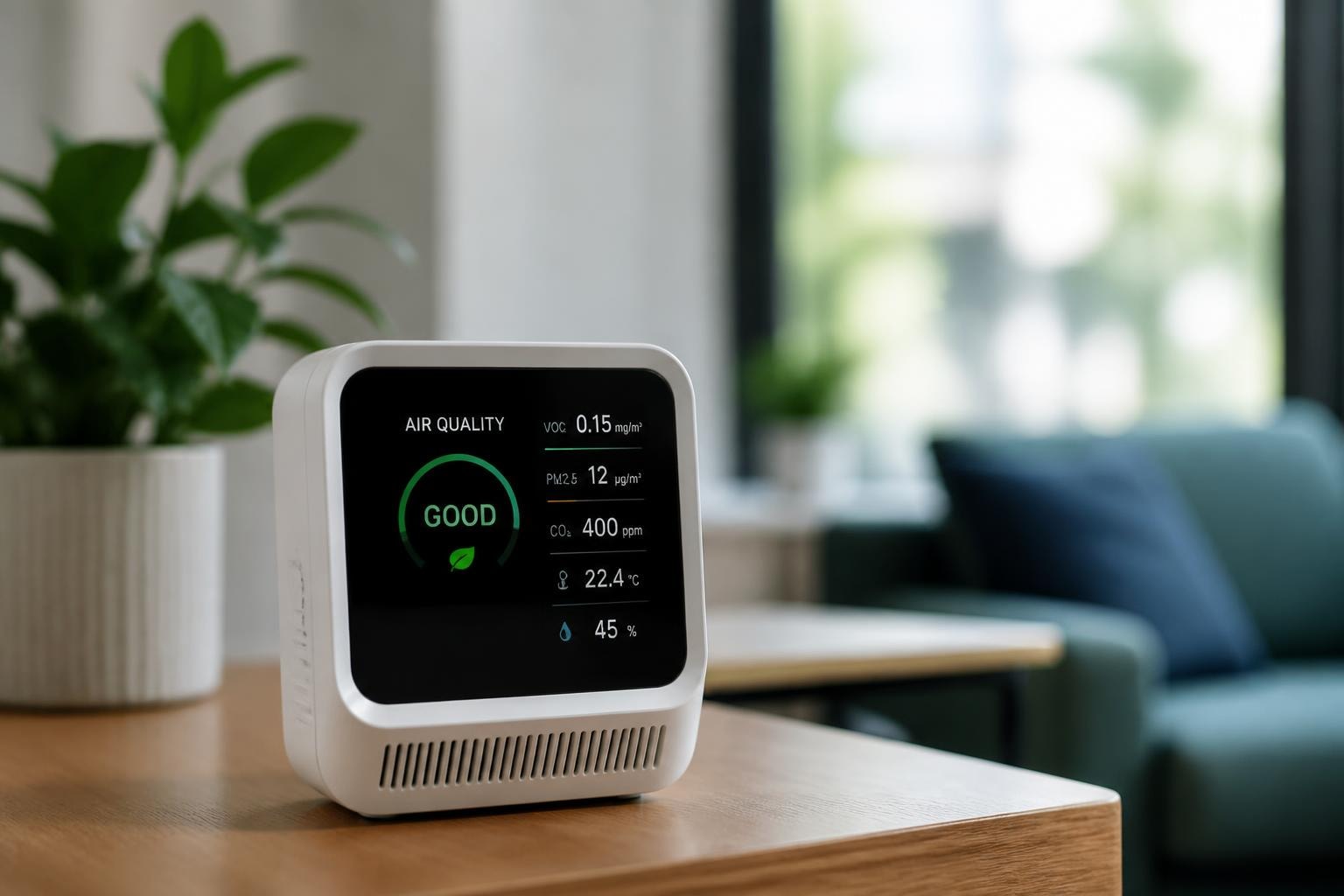
Air quality monitoring has evolved from a niche environmental concern into a fundamental aspect of property management and public health protection. In 2026, the sophistication of monitoring technologies and the growing awareness of indoor air pollutants have transformed how property owners, facility managers, and health professionals approach environmental safety. Understanding the principles, technologies, and applications of air quality monitoring enables businesses and homeowners to create healthier indoor environments whilst maintaining compliance with UK regulations.
Understanding Air Quality Monitoring Fundamentals
Air quality monitoring encompasses the systematic measurement and analysis of atmospheric pollutants both outdoors and within built environments. The practice involves deploying sensors and analytical equipment to detect harmful substances, track concentration levels, and provide actionable data for decision-making. Managing air quality through ambient monitoring has become essential for assessing pollution levels and supporting air quality standards.
Modern monitoring systems track numerous parameters simultaneously. These include:
- Particulate matter (PM2.5 and PM10)
- Volatile organic compounds (VOCs)
- Carbon dioxide and carbon monoxide
- Nitrogen dioxide and ozone
- Humidity and temperature
- Biological contaminants including mould spores
The distinction between outdoor and indoor air quality monitoring proves crucial for property professionals. Whilst outdoor monitoring focuses primarily on vehicular emissions, industrial pollutants, and atmospheric conditions, indoor monitoring addresses building-specific concerns such as inadequate ventilation, off-gassing materials, and microbial growth.
The Science Behind Detection Technologies
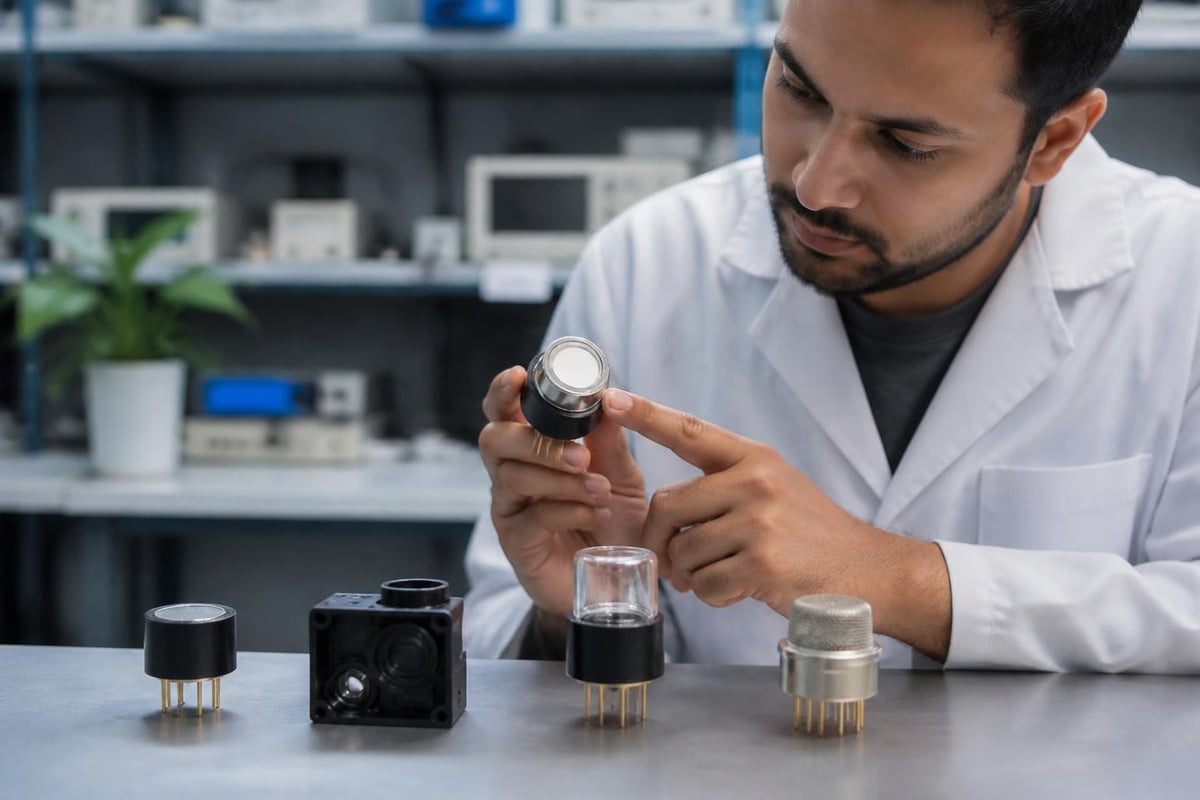
Contemporary air quality monitoring relies on diverse sensor technologies, each designed to detect specific pollutants through distinct mechanisms. Electrochemical sensors measure gas concentrations through chemical reactions that produce electrical signals proportional to pollutant levels. Optical particle counters utilize laser scattering to detect and size airborne particles, providing real-time data on particulate contamination.
Photoionization detectors excel at identifying volatile organic compounds by ionizing gas molecules and measuring the resulting current. Metal oxide semiconductor sensors change electrical resistance when exposed to target gases, offering cost-effective detection for carbon monoxide and nitrogen dioxide.
Recent advancements have introduced machine learning capabilities into monitoring systems. Research into IoT-based air quality monitoring demonstrates how artificial intelligence can detect patterns, predict air quality trends, and identify anomalies that traditional systems might miss.
Indoor Air Quality Monitoring for Properties
Buildings in Essex, London, and Kent face unique air quality challenges stemming from climate conditions, building age, and construction methods. Indoor air quality monitoring addresses these property-specific concerns by identifying pollutants that accumulate within enclosed spaces, often reaching concentrations far exceeding outdoor levels.
The relationship between moisture, ventilation, and indoor air quality cannot be overstated. Properties experiencing damp problems frequently suffer from elevated mould spore counts, which monitoring systems can quantify precisely. Indoor Air Quality Testing provides comprehensive analysis of mould spore levels and other contaminants, enabling property owners to understand the full scope of air quality issues affecting their buildings.
Key Indoor Pollutants Requiring Monitoring
Professional air quality monitoring programmes prioritize specific indoor contaminants based on health risks and prevalence in UK properties.
| Pollutant Category | Common Sources | Health Implications | Acceptable Levels |
|---|---|---|---|
| Mould Spores | Damp walls, condensation, leaks | Respiratory issues, allergies | <500 spores/m³ |
| VOCs | Paints, furnishings, cleaning products | Headaches, irritation, long-term effects | <500 µg/m³ |
| PM2.5 | Cooking, heating, outdoor infiltration | Cardiovascular, respiratory disease | <25 µg/m³ |
| CO₂ | Occupant respiration, poor ventilation | Fatigue, cognitive impairment | <1000 ppm |
Carbon dioxide monitoring serves as an excellent proxy for ventilation effectiveness. Whilst CO₂ itself poses limited health risks at typical indoor concentrations, elevated levels indicate inadequate fresh air exchange, suggesting that other pollutants may also be accumulating.
Formaldehyde deserves particular attention in newer properties or recently renovated buildings. This volatile organic compound off-gases from pressed wood products, insulation materials, and certain furnishings, requiring specialized detection methods within comprehensive air quality monitoring programmes.
Regulatory Framework and Compliance Standards
The UK maintains robust air quality standards through legislation governing both outdoor ambient conditions and indoor environmental health. The Environment Act 2021 strengthened air quality targets, establishing legally binding commitments to reduce particulate matter and other pollutants. Property owners and facility managers must understand how air quality standards protect public health and their obligations under current legislation.
Building Regulations Approved Document F specifies ventilation requirements designed to maintain acceptable indoor air quality. Compliance demands adequate provision of fresh air whilst managing moisture levels to prevent condensation and subsequent mould growth. Air quality monitoring provides objective evidence of regulatory compliance, documenting that ventilation systems achieve their designed performance.
Health and Safety Executive Guidelines
The Health and Safety Executive (HSE) establishes workplace exposure limits for numerous airborne substances. Employers must ensure that employee exposure remains below specified thresholds through adequate ventilation, extraction systems, and regular monitoring. The Control of Substances Hazardous to Health (COSHH) regulations mandate assessment and control of exposure to hazardous substances, including biological agents such as mould.
Professional air quality monitoring supports COSHH compliance by:
- Establishing baseline conditions before remediation activities
- Verifying containment effectiveness during mould removal
- Confirming safe re-occupancy following intervention
- Documenting ongoing compliance through periodic testing
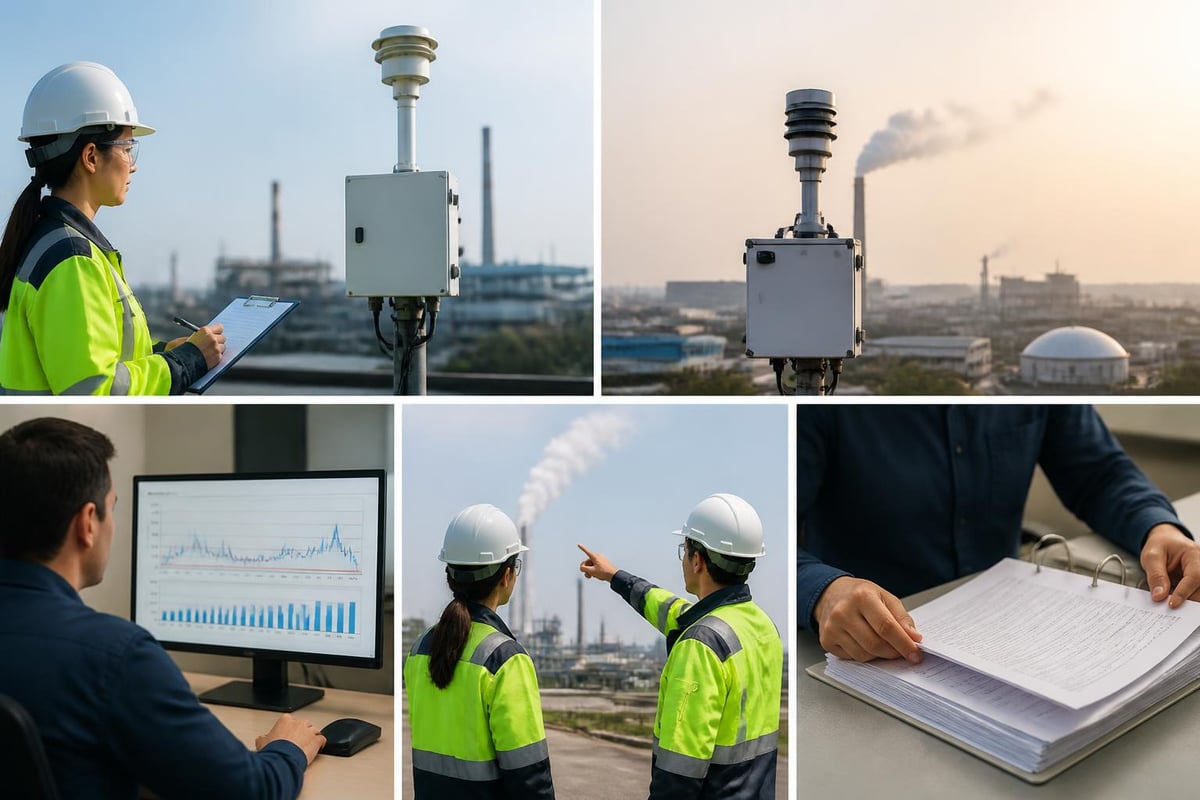
The Housing Health and Safety Rating System (HHSRS) identifies damp and mould growth as Category 1 hazards requiring immediate landlord action. Air quality monitoring provides quantifiable data supporting enforcement decisions and demonstrating hazard severity to tribunals when disputes arise.
Implementing Effective Monitoring Programmes
Successful air quality monitoring requires strategic planning rather than simply installing equipment. Properties differ substantially in their monitoring needs based on usage, construction, occupancy patterns, and environmental challenges. A systematic approach ensures resources focus on areas presenting genuine health risks whilst providing comprehensive coverage of critical spaces.
The first step involves identifying monitoring objectives. Commercial properties might prioritize compliance documentation and occupant comfort, whilst residential landlords focus on preventing damp-related health hazards. Healthcare facilities require stringent control of biological contaminants, whereas schools emphasize CO₂ monitoring to maintain cognitive performance.
Selecting Appropriate Monitoring Equipment
Equipment selection depends on pollutants of concern, accuracy requirements, and budget constraints. Continuous monitors provide real-time data streams, enabling immediate response to deteriorating conditions. These sophisticated instruments suit environments where air quality changes rapidly or where regulatory compliance demands documented proof of continuous control.
Periodic sampling offers cost-effective monitoring for stable environments or initial assessments. Professional technicians visit properties at scheduled intervals, deploying calibrated instruments to capture representative samples. Laboratory analysis of collected samples provides highly accurate quantification of specific pollutants, particularly biological contaminants such as mould spores.
Portable monitors have revolutionized air quality monitoring accessibility. Modern devices measure multiple parameters simultaneously, display results instantly, and log data for trend analysis. However, accuracy varies considerably between consumer-grade and professional instruments, with cheaper units often providing indicative rather than scientifically rigorous measurements.
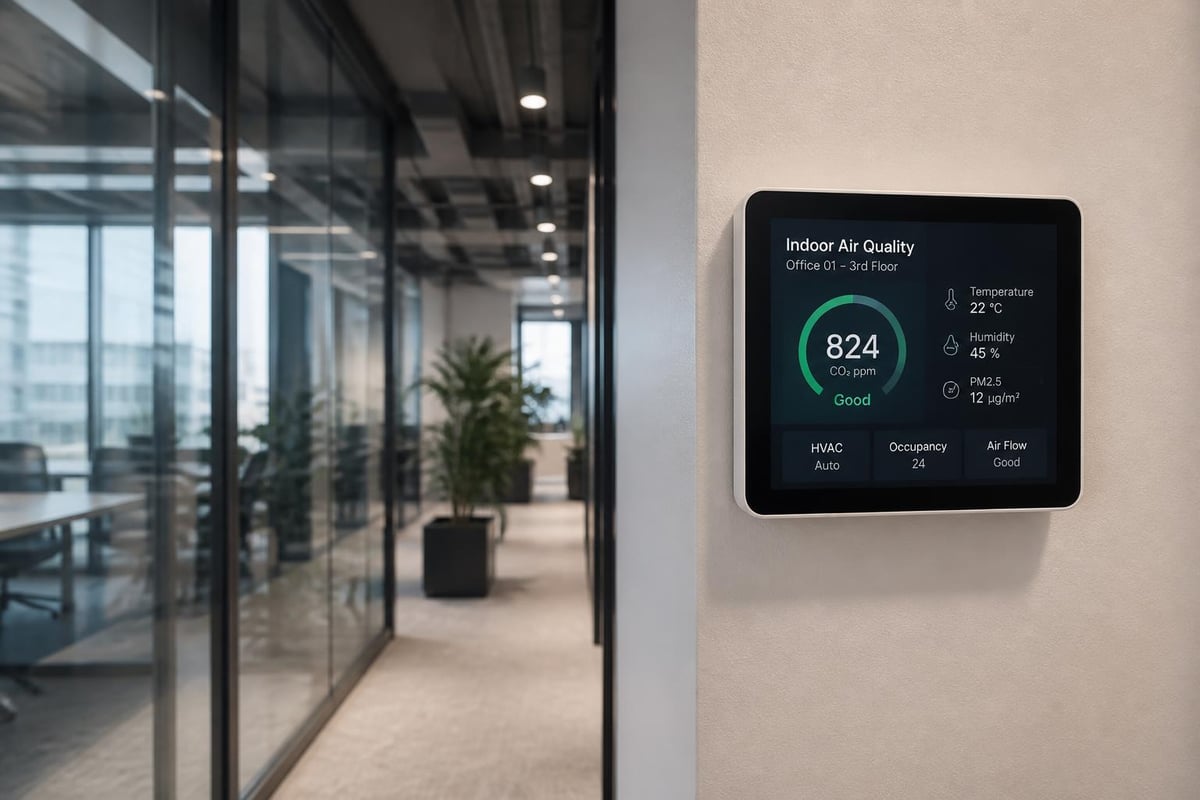
Building automation systems increasingly incorporate air quality sensors as standard components. These integrated solutions link monitoring data with HVAC controls, automatically adjusting ventilation rates in response to detected pollutant levels. Such systems optimize energy efficiency whilst maintaining healthy indoor environments.
Data Interpretation and Action Planning
Raw monitoring data holds limited value without proper interpretation and subsequent action. Understanding measurement context, recognizing trends, and distinguishing normal fluctuations from concerning patterns requires expertise and experience. Real-time air quality data through platforms like AirNow demonstrates how accessible information empowers public health protection through informed decision-making.
Air quality metrics rarely remain constant, fluctuating based on occupancy, weather conditions, and building operations. Establishing baseline measurements during optimal conditions provides reference points for identifying degradation. Continuous monitoring reveals daily and seasonal patterns, highlighting when interventions prove most effective.
Threshold Exceedances and Response Protocols
Monitoring programmes must define clear action thresholds triggering investigation and remediation. These thresholds typically reference:
- Regulatory limits established by HSE or environmental agencies
- Industry guidelines from professional bodies and standards organizations
- Baseline comparisons showing significant deviation from normal conditions
- Health-based criteria derived from toxicological research
When monitoring detects threshold exceedances, systematic investigation identifies contributing factors. Elevated mould spore counts warrant inspection of building fabric for moisture intrusion, condensation problems, or ventilation inadequacies. VOC spikes following renovation suggest off-gassing from new materials, requiring enhanced ventilation until concentrations decline.
Response protocols should escalate based on severity and persistence. Minor exceedances might trigger increased monitoring frequency and occupant notification, whilst severe contamination demands immediate evacuation, professional remediation, and clearance testing before re-occupancy.
Emerging Technologies and Future Developments
The air quality monitoring field continues advancing rapidly, with innovations enhancing accuracy, affordability, and accessibility. Miniaturized sensors now fit within smartphone-sized devices, democratizing monitoring capabilities previously requiring laboratory-grade equipment. These compact instruments maintain impressive accuracy whilst enabling deployment throughout properties at modest cost.
Wireless connectivity transforms monitoring from isolated measurements into comprehensive networks. The EPA's Air Quality System demonstrates how aggregated monitoring data supports broader environmental assessment and regulatory compliance. Similar approaches within buildings create spatial maps showing how air quality varies between rooms and floors, identifying problem areas requiring targeted intervention.
Artificial Intelligence and Predictive Analytics
Machine learning algorithms analyze historical monitoring data to predict future air quality conditions. These systems recognize patterns invisible to human analysts, forecasting when pollutant levels will exceed thresholds based on weather forecasts, occupancy schedules, and building operation parameters. Predictive capabilities enable proactive intervention, addressing problems before they affect occupant health.
Smart building platforms integrate air quality monitoring with comprehensive environmental control. These systems balance indoor air quality, thermal comfort, and energy efficiency through coordinated management of ventilation, heating, and cooling. Algorithms optimize fresh air provision, increasing ventilation only when monitoring data indicates declining air quality rather than maintaining constant high rates.
Blockchain technology offers intriguing possibilities for air quality monitoring verification. Immutable data logging prevents tampering with compliance records, providing landlords, regulators, and occupants with confidence in reported measurements. Such transparency proves particularly valuable in disputes regarding property conditions and health impacts.
Sector-Specific Applications and Considerations
Different property types present unique air quality monitoring challenges requiring tailored approaches. Understanding sector-specific requirements ensures monitoring programmes address genuine risks rather than applying generic solutions to diverse environments.
Residential properties typically focus on mould prevention and ventilation adequacy. Monitoring programmes track humidity levels, temperature patterns, and biological contaminants, with particular attention to bedrooms, bathrooms, and kitchens where moisture generation concentrates. Understanding outdoor air quality and health effects helps property owners appreciate how external conditions influence indoor environments.
Commercial offices prioritize occupant productivity and comfort alongside health protection. CO₂ monitoring ensures adequate fresh air provision, whilst VOC detection identifies problems with furnishings, equipment, or cleaning products. Modern offices increasingly publicize air quality data to employees, demonstrating commitment to workplace wellness.
Healthcare and Educational Facilities
Healthcare environments demand stringent air quality control protecting vulnerable populations from infection risks. Monitoring programmes track airborne biological contaminants, maintain appropriate pressurization between spaces, and verify that isolation rooms achieve required air changes per hour. Surgical suites, intensive care units, and immunocompromised patient areas receive continuous monitoring with immediate alarm notification of any deviations.
Schools benefit tremendously from CO₂ monitoring, with research consistently demonstrating cognitive performance degradation at elevated concentrations. Monitoring data informs ventilation improvements, schedule adjustments, and building upgrades. State monitoring networks like North Carolina's programme illustrate systematic approaches to tracking air quality across diverse locations and environments.
Industrial facilities face complex monitoring challenges from process emissions, chemical handling, and material storage. Comprehensive programmes combine perimeter monitoring detecting fugitive emissions with workspace monitoring protecting employee health. Integration with process control systems enables automated shutdown when dangerous conditions develop.
Cost-Benefit Analysis of Monitoring Investment
Air quality monitoring requires financial investment in equipment, maintenance, calibration, and data analysis. Property owners and facility managers rightly question whether monitoring costs justify the benefits received. A thorough cost-benefit analysis considers both tangible savings and intangible health protection values.
Direct financial benefits include reduced liability from health-related claims, lower insurance premiums for properties demonstrating proactive environmental management, and decreased remediation costs through early problem detection. Identifying ventilation inadequacies before extensive mould colonization develops saves thousands in professional remediation services and property damage repair.
Energy efficiency improvements often offset monitoring costs entirely. Data-driven ventilation control reduces heating and cooling loads whilst maintaining healthy air quality, cutting utility expenses substantially. Buildings equipped with demand-controlled ventilation based on air quality monitoring typically achieve 20-30% reductions in HVAC energy consumption.
| Investment Category | Typical Cost Range | Payback Period | Long-term Value |
|---|---|---|---|
| Portable monitors | £200-£2,000 | 1-2 years | Equipment versatility |
| Fixed sensor networks | £5,000-£25,000 | 2-4 years | Continuous protection |
| Professional testing | £300-£1,500/visit | Immediate | Compliance documentation |
| Integrated building systems | £15,000-£100,000 | 3-6 years | Operational efficiency |
Productivity benefits prove harder to quantify but potentially exceed direct savings. Improved indoor air quality reduces sick building syndrome symptoms, decreases absenteeism, and enhances cognitive function. Studies consistently show that employees in well-ventilated environments with low pollutant levels demonstrate measurably better performance on cognitive tasks and report higher satisfaction levels.
Quality Assurance and Calibration Protocols
Monitoring equipment accuracy determines whether data supports reliable decision-making or creates false confidence in unsafe conditions. Establishing rigorous quality assurance protocols ensures measurements accurately reflect true pollutant concentrations rather than sensor drift, contamination, or calibration errors.
Professional-grade monitors require periodic calibration against certified reference standards. Calibration frequency depends on sensor technology, usage intensity, and manufacturer specifications, typically ranging from monthly for critical applications to annually for stable environments. Air monitoring stations tracked through EPA systems demonstrate standardized approaches to maintaining measurement quality across networks.
Performance verification confirms sensors detect pollutants across their full measurement range. Technicians expose sensors to known concentrations of target gases or particulates, comparing displayed readings against certified reference values. Acceptable performance typically requires measurements within ±10% of true values, though some applications demand tighter tolerances.
Field blanks and duplicate samples provide additional quality control when conducting periodic sampling. Blank samples processed identically to actual samples detect contamination during collection, transport, or laboratory analysis. Duplicate samples reveal measurement precision, indicating whether observed differences between locations represent genuine variation or analytical uncertainty.
Effective air quality monitoring protects occupant health, demonstrates regulatory compliance, and identifies problems before they escalate into costly remediation projects. Whether you manage residential properties facing damp challenges, commercial buildings requiring ventilation optimization, or facilities with specialized air quality needs, professional monitoring provides the data foundation for informed environmental management. Mouldsurv Ltd delivers comprehensive air quality testing, mould assessment, and remediation services across Essex, London, and Kent, helping property owners maintain healthy indoor environments through expert analysis and targeted interventions.