

Understanding the air we breathe has become increasingly critical as scientific evidence continues to link poor indoor and outdoor air quality to respiratory conditions, cardiovascular disease, and other serious health concerns. Air quality assessment provides the foundation for identifying pollutants, measuring their concentrations, and implementing effective solutions to protect occupants. For property owners, landlords, and facilities managers across the UK, conducting thorough assessments is not merely about compliance but about safeguarding the wellbeing of those who live and work in these spaces.
Understanding Air Quality Assessment Fundamentals
Air quality assessment refers to the systematic process of measuring, analysing, and evaluating the concentration of pollutants present in the atmosphere. This process encompasses both outdoor ambient air quality and indoor environmental conditions, with each requiring distinct methodologies and consideration of different contaminant sources.
The assessment process begins with establishing baseline measurements against regulatory standards. In the UK, this means aligning with guidelines set by Public Health England, the Health and Safety Executive, and European frameworks. The Clean Air Act framework provides crucial context for understanding how air quality standards protect public health, even though specific UK legislation governs domestic requirements.
Key Pollutants Monitored During Assessment
When conducting an air quality assessment, professionals focus on several primary categories of contaminants:
- Particulate matter (PM2.5 and PM10) from combustion, construction, and natural sources
- Volatile organic compounds (VOCs) emitted from building materials, furnishings, and cleaning products
- Biological contaminants including mould spores, bacteria, and allergens
- Gaseous pollutants such as carbon monoxide, nitrogen dioxide, and radon
- Moisture-related issues that contribute to microbial growth and degradation

Each category requires specific detection methods and equipment. Particulate sensors measure particle counts and sizes, whilst air sampling pumps collect samples for laboratory analysis. Moisture meters and thermal imaging cameras identify conditions conducive to biological growth, particularly relevant when mould contamination is suspected.
Assessment Methodologies and Standards
Professional air quality assessment follows rigorous protocols to ensure accuracy and reliability. The methodology selected depends on the assessment objectives, property type, and specific concerns raised by occupants or visual inspections.
Direct Measurement Techniques
Real-time monitoring provides immediate data on current conditions. Electronic sensors continuously measure parameters such as temperature, relative humidity, carbon dioxide levels, and particulate concentrations. These devices offer valuable insights into temporal variations and can identify peak pollution events throughout the day.
Grab sampling involves collecting air samples at specific moments using specialised equipment. This approach works particularly well for volatile compounds that require laboratory analysis. Samples are typically collected in inert canisters or onto sorbent tubes before being sent to accredited laboratories.
Passive sampling uses diffusion-based collectors that accumulate pollutants over extended periods, typically days or weeks. This method provides time-weighted average concentrations and proves especially useful for assessing long-term exposure levels rather than short-term fluctuations.
Regulatory Framework and Compliance
Assessment requirements under European standards establish minimum criteria for monitoring locations, frequency, and quality assurance procedures. UK regulations incorporate these principles whilst adding specific requirements for certain building types and occupancies.
| Assessment Type | Typical Duration | Primary Applications | Regulatory Context |
|---|---|---|---|
| Continuous monitoring | Ongoing | Industrial facilities, urban areas | NAAQS, UK Air Quality Strategy |
| Periodic assessment | Quarterly/Annual | Commercial buildings, schools | Building Regulations Part F |
| Event-driven | As needed | Post-renovation, complaint response | HSE guidance, tenant rights |
| Pre-occupancy | One-time | New construction, major refurbishment | BREEAM, planning conditions |
The National Ambient Air Quality Standards framework demonstrates how health-based criteria drive assessment requirements, with similar principles applied within UK contexts to protect vulnerable populations.
Indoor Air Quality Assessment in Built Environments
Indoor environments present unique challenges for air quality assessment due to the complex interaction between building systems, occupant activities, and external conditions. Unlike outdoor assessments that primarily focus on ambient pollution, indoor evaluations must consider source control, ventilation effectiveness, and material emissions.
Properties experiencing dampness or water damage require particularly thorough assessment. When visible mould growth occurs or musty odours persist, Indoor Air Quality Testing becomes essential to quantify spore concentrations and identify the specific species present, informing appropriate remediation strategies.
Assessment Protocol for Suspected Contamination
A comprehensive indoor air quality assessment follows a structured approach:
- Initial consultation to understand symptoms, timeline, and occupant concerns
- Visual inspection documenting building conditions, moisture intrusion, and visible growth
- Measurement planning selecting appropriate sampling locations and methods
- Sample collection using calibrated equipment following industry protocols
- Laboratory analysis by accredited facilities with appropriate certifications
- Results interpretation comparing findings against relevant benchmarks and standards
- Recommendations development prioritising interventions based on risk levels
Building investigators pay particular attention to areas where moisture accumulation commonly occurs. Bathrooms, kitchens, basements, and areas around windows frequently harbour elevated humidity levels that support microbial growth. Thermal imaging helps identify hidden moisture within wall cavities and beneath floor coverings.
Ventilation Assessment Components
Adequate ventilation stands as the primary defence against indoor air quality degradation. Air quality management processes emphasise the importance of continuous monitoring, principles equally applicable to indoor environments where stale air contributes to pollutant accumulation.
Modern air quality assessment includes ventilation performance evaluation. Smoke pencils or air velocity meters measure airflow patterns, whilst carbon dioxide concentrations serve as a proxy for ventilation effectiveness. Elevated CO2 levels above 1,000 parts per million typically indicate insufficient fresh air supply.
Technological Advances in Assessment Practices
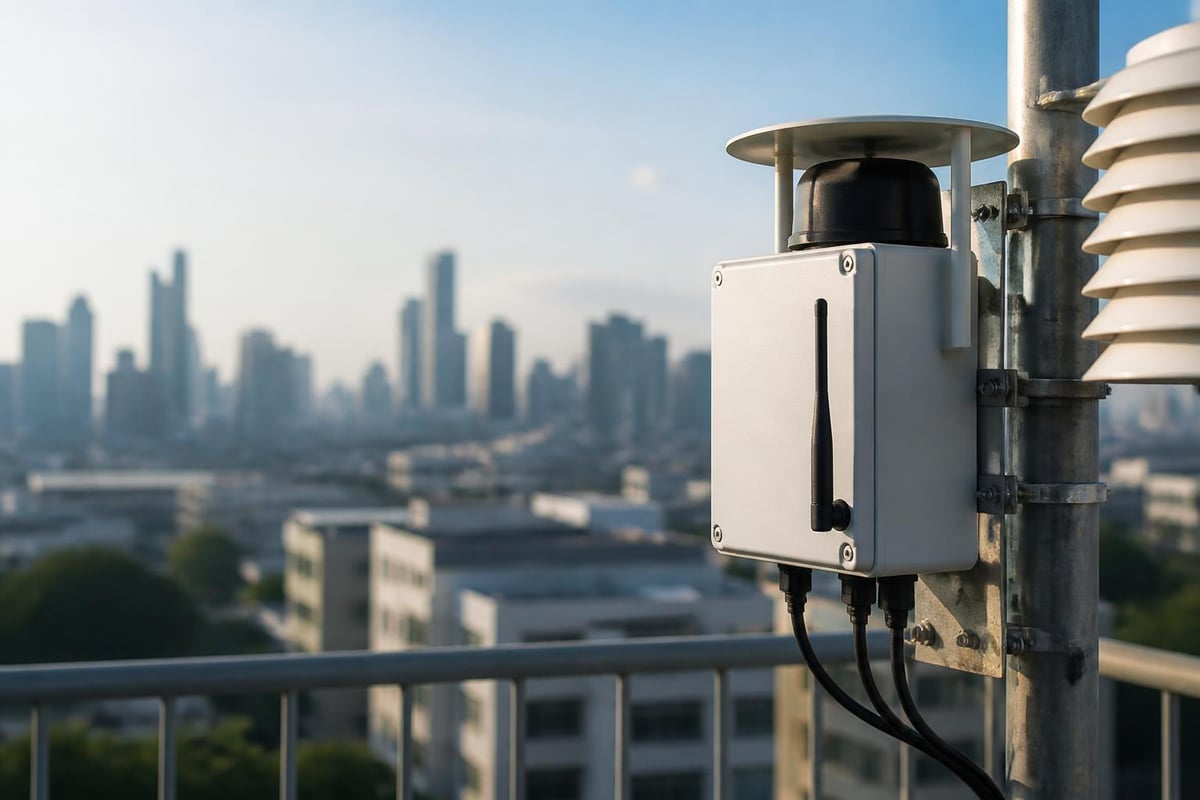
The field of air quality assessment has evolved significantly with technological advancement. Smart sensors now provide continuous data streams accessible via cloud platforms, enabling property managers to track conditions remotely and respond promptly to deteriorating situations.
Sensor Networks and Data Integration
Multi-point sensor networks create comprehensive coverage across large facilities. These distributed systems identify localised pollution sources and track how contaminants disperse throughout buildings. Machine learning algorithms analyse patterns, predicting when conditions may exceed acceptable thresholds.
The National Air Toxics Assessment approach demonstrates how sophisticated modelling complements direct measurement, helping identify potential risks even in the absence of comprehensive monitoring coverage. Similar principles apply when assessing indoor environments, where computational fluid dynamics models predict airflow and contaminant distribution.
Portable assessment equipment has become increasingly sophisticated yet more user-friendly. Handheld particle counters, formaldehyde detectors, and multi-gas monitors allow rapid preliminary screening before commissioning detailed laboratory analysis.
Laboratory Analysis Capabilities
When samples require laboratory examination, modern facilities employ advanced techniques:
- Culture analysis grows collected spores to identify viable organisms
- Microscopic examination counts and classifies particles in air samples
- DNA sequencing identifies organisms that resist traditional culture methods
- Chemical analysis quantifies specific VOCs or other compounds using gas chromatography
- Mass spectrometry provides definitive identification of complex mixtures
Accreditation through UKAS or equivalent bodies ensures laboratories maintain rigorous quality standards. Chain of custody documentation tracks samples from collection through analysis, maintaining integrity for potential regulatory or legal proceedings.
Health Implications and Risk Assessment
Air quality assessment serves a fundamental purpose: protecting human health. The concentration and duration of exposure to various pollutants determines the severity of potential health effects, ranging from minor irritation to serious chronic conditions.
Vulnerable Population Considerations
Certain groups face heightened risks from poor air quality:
- Young children whose developing respiratory systems are more susceptible to irritants
- Elderly individuals with reduced immune function and existing health conditions
- People with asthma, allergies, or chronic respiratory diseases
- Immunocompromised individuals unable to effectively combat biological exposures
- Pregnant women and developing foetuses sensitive to environmental toxins
Assessment protocols should consider the presence of vulnerable occupants when establishing acceptable exposure limits and prioritising interventions. Schools, care homes, and medical facilities warrant particularly stringent standards and more frequent monitoring.
| Pollutant Category | Short-term Effects | Long-term Effects | Typical Indoor Sources |
|---|---|---|---|
| Mould spores | Respiratory irritation, allergic reactions | Chronic sinusitis, asthma development | Damp areas, water damage, poor ventilation |
| VOCs | Headaches, dizziness, eye irritation | Liver damage, neurological effects | Paints, adhesives, furnishings, cleaning products |
| Particulates | Coughing, breathing difficulty | Cardiovascular disease, lung cancer | Cooking, combustion, outdoor infiltration |
| Carbon monoxide | Nausea, confusion, fatigue | Organ damage, death at high levels | Faulty heating systems, vehicle exhaust |
The Integrated Science Assessments process demonstrates how scientific evidence informs protective standards, synthesising research on health effects to establish safe exposure limits.
Implementing Assessment Findings
Conducting an air quality assessment provides value only when findings translate into effective action. The assessment report should clearly communicate results, prioritise concerns, and recommend specific interventions proportionate to identified risks.
Interpreting Assessment Results
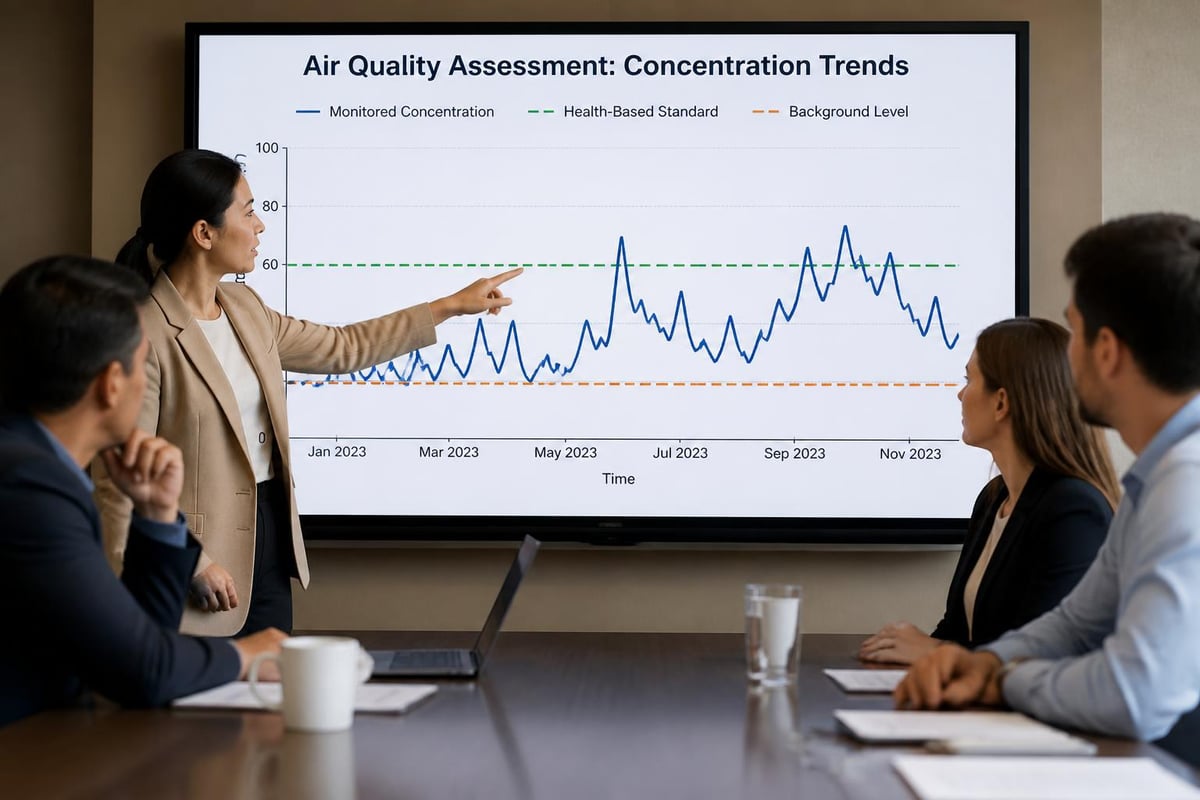
Professional reports compare measured concentrations against relevant benchmarks. For outdoor air quality, this means national air quality objectives. Indoor assessments reference WHO guidelines, industry standards, and baseline measurements from unaffected areas within the same property.
Context matters tremendously when interpreting results. Slightly elevated particle counts during renovation work differ substantially from persistent biological contamination in occupied living spaces. Seasonal variations affect both outdoor and indoor conditions, with heating season often correlating with reduced ventilation and increased indoor pollutant levels.
Remediation Planning and Implementation
Once assessment identifies problems, systematic remediation addresses root causes rather than merely treating symptoms. For moisture and mould issues, this means eliminating water sources before cleaning contaminated materials. Professional remediation services follow established protocols to safely remove contaminants whilst preventing cross-contamination to unaffected areas.
Source control represents the most effective intervention strategy. Removing or encapsulating pollutant-emitting materials, repairing water leaks, and improving building envelope performance address problems at their origin. Ventilation improvements provide secondary control, diluting remaining contaminants with fresh air.
Post-remediation verification through follow-up assessment confirms intervention effectiveness. Clearance testing ensures contaminant levels have returned to acceptable ranges before reoccupying affected areas. This step protects both occupant health and the property owner from future liability.
Quality Assurance in Assessment Programmes
Reliable air quality assessment depends on rigorous quality assurance and quality control measures throughout the entire process. Equipment calibration, standard operating procedures, and professional competence all contribute to defensible results.
Equipment Calibration and Maintenance
Measurement instruments require regular calibration against known standards. Particle counters, gas sensors, and humidity meters all drift over time, potentially producing inaccurate readings if not properly maintained. Calibration certificates document instrument performance and establish traceability to national standards.
Field blanks and duplicate samples provide quality control during collection. Blank samples identify potential contamination during handling or transport, whilst duplicates assess sampling precision. These controls become particularly important when assessment results may inform legal proceedings or significant financial decisions.
Professional Qualifications and Competence
Science and technology underpin effective air quality management, requiring assessors to maintain current knowledge of methodologies, standards, and health research. Professional certifications through recognised bodies demonstrate competence in assessment protocols.
In the UK, qualifications from organisations such as the British Occupational Hygiene Society, the Institute of Air Quality Management, or specialist mould assessment bodies indicate appropriate training. Membership in professional organisations requires continuing education, ensuring practitioners remain current with evolving best practices.
Planning Long-term Monitoring Strategies
Single-point assessments provide snapshots of current conditions but may miss temporal variations or gradual degradation. Strategic long-term monitoring programmes track trends, verify intervention effectiveness, and provide early warning of emerging problems.
Monitoring frequency depends on building type, occupancy, and identified risks. High-risk environments such as hospitals or schools may warrant continuous monitoring, whilst typical commercial properties might require quarterly or annual assessments. Residential properties generally need assessment only when problems are suspected or following significant water events.
Establishing Baseline Conditions
Initial comprehensive assessment establishes baseline conditions for future comparison. This baseline should document seasonal variations, capturing both summer and winter conditions when building operation and occupancy patterns differ substantially. Baseline data proves invaluable when investigating future complaints or changes in building use.
Trending analysis identifies gradual changes that individual assessments might miss. Progressive deterioration in ventilation performance, increasing humidity levels, or rising particulate concentrations all suggest developing problems requiring investigation. Emission inventories and monitoring data help establish patterns and identify contributing sources.
Documentation and Record Keeping
Comprehensive documentation supports effective air quality management over the property lifecycle. Assessment reports, laboratory certificates, remediation records, and maintenance logs create an evidence trail demonstrating due diligence in protecting occupant health.
Digital platforms increasingly centralise this documentation, making historical data readily accessible when needed. Cloud-based systems enable stakeholder access whilst maintaining appropriate security and confidentiality. Integration with building management systems allows correlation between indoor conditions and HVAC operation.
Emerging Assessment Approaches
Innovation continues advancing air quality assessment capabilities. Ontology-based frameworks and uncertainty-aware methods represent cutting-edge approaches that enhance reliability and decision support, though practical implementation in routine assessments remains limited.
Low-cost sensor technology democratises air quality monitoring, making continuous assessment economically feasible for smaller properties and residential applications. Whilst these devices lack the precision of research-grade equipment, they effectively identify trends and alert occupants to potential problems requiring professional investigation.
Citizen science initiatives engage building occupants in monitoring their own environments. Educational programmes help people understand air quality fundamentals, recognise warning signs, and take appropriate action. This engagement proves particularly valuable in residential settings where professional assessment occurs less frequently.
Understanding and managing indoor air quality requires systematic assessment, appropriate expertise, and prompt action when problems are identified. Regular monitoring protects occupant health whilst preventing minor issues from escalating into costly remediation projects. Mouldsurv Ltd provides comprehensive air quality testing and assessment services across Essex, London, and Kent, combining advanced diagnostic equipment with extensive experience in moisture and mould-related issues. Contact their certified team today to schedule a professional assessment and ensure your property maintains healthy indoor air quality for all occupants.